




NHTSA Study Shows Fatalities Decrease 45 Percent with 3-Point Belts
While seat belt use was up slightly to 71 percent in 2000, a new study shows wide variations in use depending on vehicle type and the strength of state seat belt laws. There also were significant regional differences, with Western motorists registering the highest rate of seat belt use in the nation, according to the study by the U.S. Department of Transportation’s National Highway Traffic Safety Administration (NHTSA). A related NHTSA study found that three-point seat belts reduced fatalities by 45 percent in passenger car crashes and 60 percent in light-truck crashes. Fatality reduction is as high as 80 percent in some types of crashes, such as rollovers involving vans, sport/utility vehicles, and pickup trucks. The NHTSA study found that seat belt use increased from 67 percent in 1999 to 71 percent in 2000. Seat belt use has increased steadily since 1995 when the use rate was 58 percent. But NHTSA’s survey found wide variations, which included the following: -- Seat belt use in states with tougher standards (primary enforcement laws) averaged 77 percent while states with weaker secondary laws averaged 64 percent. -- At 80 percent belt use, the West registered the highest regional average while the Northeast was lowest at 67 percent. Seat belt use in the Midwest was 68 percent, while the South averaged 69 percent. -- On average, 74 percent of car occupants used seat belts, while pickup drivers and passengers averaged 59 percent. Together, occupants of vans and sport/utility vehicles averaged 74 percent belt use. Overall, drivers were more likely to buckle up (72 percent) than passengers (68 percent). -- The lowest rate of seat belt use in the nation was found among pickup occupants in the Northeast (45 percent), while car drivers and passengers in the West registered the highest (83 percent). In addition to overall fatality reductions attributed to seat belts, a separate NHTSA occupant protection study found the following: -- Three-point seat belts are effective in almost all types of crashes. For example, they reduced fatalities by 60 percent in cars and 64 percent in light trucks when the vehicle struck a fixed object. -- Belts are especially effective in rollover crashes, because 69 percent of all car fatalities and 78 percent of light-truck deaths in rollovers involved ejection of the unbelted occupant from the vehicle.
More Operations

How Fleets Can Recruit and Train Veterans for Technician Roles
Here's how the technician shortage has affected uptime for fleets, and what to do about it.
Read More →
Avis Budget Group Deploys Neology Toll Management Technology Across Major Brands
Neology’s neoFleet platform will manage toll transactions and toll-authority operations for vehicles across Avis, Budget, Payless, Budget Truck and Zipcar.
Read More →
Fleet Personal-Use Charges Edge Higher in 2026
Nearly eight in 10 surveyed fleets allow personal use of company vehicles, while just over half of respondents report charging employees for the privilege.
Read More →
The Future of Fleet + What’s Changing Right Now | AF News Recap
Could developments overseas offer a preview of what’s coming for U.S. fleets? This week, we’re looking at the future of AI, autonomy, and electrification, plus Ford Pro’s new certified pre-owned program, smarter vehicle offboarding, and a new way for fleets to manage toll expenses.
Read More →
How to Handle Vehicle Offboarding
What do fleet managers need to do when a driver leaves?
Read More →
Fleet Manager’s Ultimate Playbook: Navigating the New Standard in OEM Connectivity
Rising operating costs, driver safety concerns, and unplanned downtime are putting unprecedented pressure on modern fleets. Discover how fleet managers use embedded OEM connectivity and real-time vehicle data to cut TCO, prevent downtime, and protect drivers without aftermarket telematics hardware.
Read More →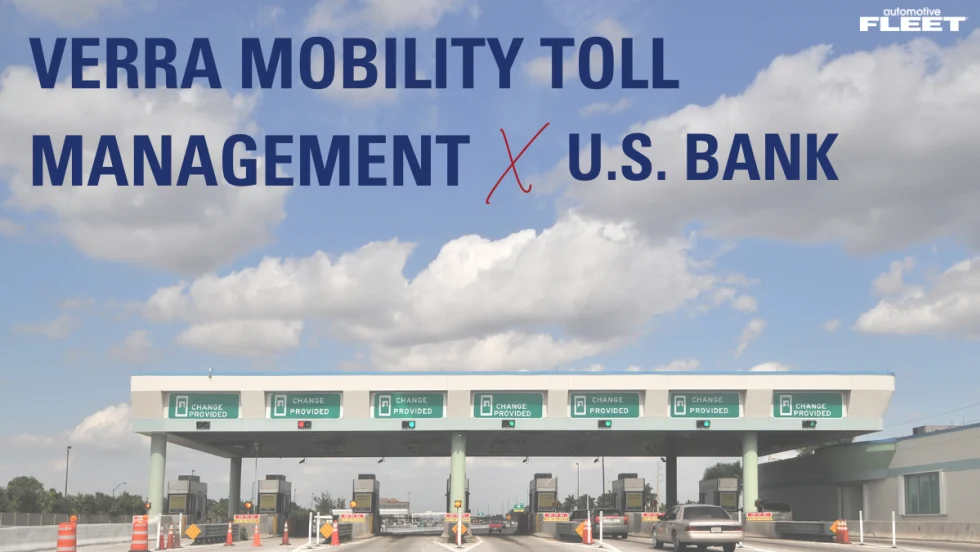
U.S. Bank Adds Verra Mobility Toll Management to Voyager Fleet Platform
The integration allows U.S. Bank Voyager fleet customers to manage toll payments and violations alongside fuel, EV charging and maintenance expenses.
Read More →
ADAS Prevents Crashes. But Repairs Cost More | AF News Recap
ADAS-equipped vehicles may crash less often, but they can cost more when they do. This week, we’re breaking down what that tradeoff means for fleets, plus Subaru’s first Forester Wilderness Hybrid, Nissan’s new e-POWER Rogue, and why Calstart has become Catalyst Mobility.
Read More →
Moventum Fleet Management Names Mark Iorillo Head of Sales
Iorillo brings nearly 20 years of fleet management and sales experience to the role, including previous positions at Element Fleet Management, CEI, Donlen and Ryder.
Read More →
Fleet Has a Talent Pipeline Problem. What Comes Next? | AF News Recap
Where will fleet’s next generation of leaders come from? This week, we’re looking at the industry’s talent pipeline, what certification can add to a fleet career, how to build an award-worthy track record, and the return of Automotive Fleet’s Personal Use Survey.
Read More →