




New Zurich Fleet Intelligence Designed to Reduce Fleet Operating Costs and Improve Driver Safety
SCHAUMBURG, IL – To help fleet managers minimize their fleet's operating costs and reduce crashes, all while keeping their vehicles up-and-running and their drivers safe, Zurich, one of the largest fleet insurers in North America and globally, today announced a new, unique program in the U.S. that combines its in-depth understanding of fleet insurance, operations and risk engineering to create Zurich Fleet Intelligence (ZFI).

Zurich Fleet Intelligence's software dashboard.

SCHAUMBURG, IL – To help fleet managers minimize their fleet's operating costs and reduce crashes, all while keeping their vehicles up-and-running and their drivers safe, Zurich, one of the largest fleet insurers in North America and globally, today announced a new, unique program in the U.S. that combines its in-depth understanding of fleet insurance, operations and risk engineering to create Zurich Fleet Intelligence (ZFI).
"Zurich Fleet Intelligence is unique because it allows fleet managers to understand the behaviors of their drivers, while also giving them access to a Zurich risk engineering specialist who can work with them to help improve their drivers' performance, in turn helping them reduce their fleets' operating costs and run a safer fleet," said Paul Horgan, chief underwriting officer for Zurich Global Corporate in North America. "It really takes the benefits of telematics data to the next level."
ZFI works by combining data from the world’s top telematics providers with Zurich's extensive analytical tools to turn the data into meaningful insights (see graphics below) that can help fleet managers reduce their fleet operating costs, as well as:
Optimize vehicle journey planning and deployment;
Reduce vehicle running costs;
Achieve increased fuel economy;
Reduce the occurrence of vehicle crashes through defensive driving training;
Influence future insurance premiums;
Improve employees' driving skills and knowledge;
Reduce stress and fatigue amongst drivers through coaching and development;
Improve their fleet's impact on the environment.
Customers will benefit from the relationships Zurich has already formed with industry-leading telematics vendors. In the U.S., Zurich has signed on to offer its customers the power of ZFI with the following telematics vendors:
DriveCam,
GreenRoad,
Ivox,
SmartDrive, and
Trimble.
Zurich does not receive any fees or commission from these vendors when a customer selects their telematics services. "We are here to help our customers identify their business needs and then help them choose the most appropriate vendor to help them reach their business goals," said Horgan.
"Zurich's findings as well as findings from a recent study conducted by the Federal Motor Carrier Safety Administration show significant safety benefits and a reduction in a variety of at-risk driver behaviors when fleets use in-vehicle monitoring devices," said Jim Breitkreitz, head of Corporate Client Risk Engineering Services in North America for Zurich Services Corporation.
Specifically, studies have shown that using driver behavior monitoring systems can help fleet managers to:
improve driver safety by reducing collisions by up to 20 percent
improve efficiency by reducing costs by up to 10 percent
improve CO2 emissions by reducing fuel consumption by up to 11 percent1
According to Horgan, the question on fleet managers' minds is if they will receive a better price on their insurance premium if they use telematics to reduce at-risk behaviors.
Horgan said, "As Chief Underwriting Officer, I can attest to the importance, during our underwriting process, of establishing a total risk profile that is applicable for each business. We then respond by setting a price that will help achieve the right balance between covering the costs of the risks and having the ability to deliver when it matters. By utilizing Zurich Fleet Intelligence, we'll recognize our customers' commitment to improving the risk profile of their fleet and view them as a better risk today than they were yesterday."
"Zurich's core strength is our ability to understand and mitigate risks, especially in the automotive and trucking segments as we are one of the largest motor vehicle insurers in the world," said Bob Tschippert, head of Zurich's Global Automotive Industry in the Americas. "When fleet managers work with Zurich, they have the reassurance of knowing Zurich is the only insurer with the global footprint, experience and resources to deliver and support them in helping reduce risk, become more operationally efficient and reduce their environmental impact."
More Fuel
October Fuel Trends Show Diverging Gasoline and Diesel Prices
Get the latest fuel trends from October.
Read More →
Fuel Prices Surge in September | September Fuel Update
September brought major fuel price swings, including diesel crossing $6 a gallon. Here’s how gas and diesel prices changed throughout the month, and where they stood heading into October.
Read More →
Turning Fleet Payment Data into Executive Insights
Ramel Lindsay of U.S. Bank Voyager discusses how fleets can transform payment and transaction data into actionable intelligence to reduce costs, improve oversight, and support executive decision-making.
Read More →
Why the IRS Raised Its Mileage Rate in the Middle of 2026
Fuel-price volatility drove the rare increase to 76 cents per mile, the fifth midyear adjustment since 2000.
Read More →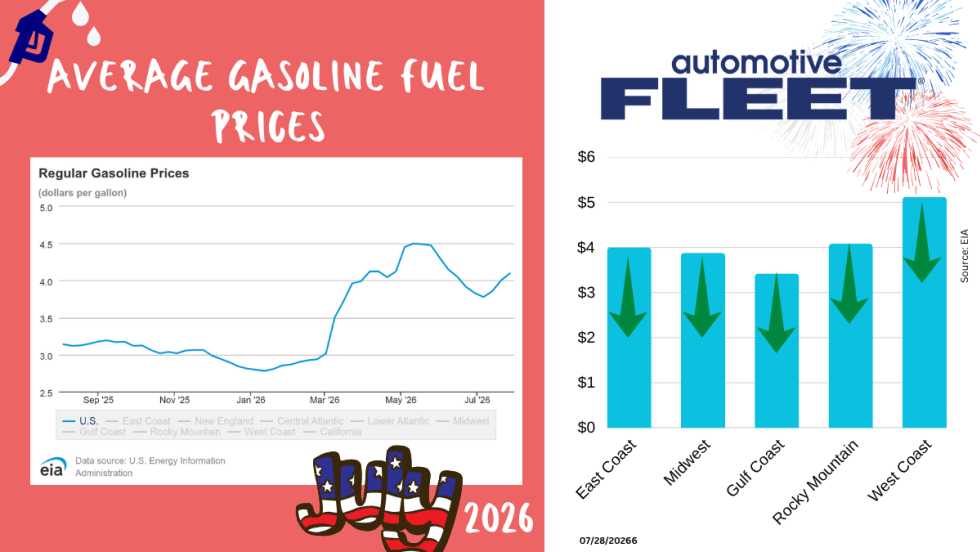
July Fuel Update: Prices Keep Rising in Light of More Conflict
Gas prices continue to rise as more and more conflicts do, too.
Read More →
Bob Adamsky on Fuel Volatility: "Don't Panic, Have a Plan."
When it comes to up and down fuel prices, Adamsky has a message for fleets: “Don’t panic.”
Read More →
How Fleets Can Gain Control of Non-Fuel Spend
Fuel often gets the spotlight, but non-fuel expenses can have a major impact on fleet costs. Ramel Lindsay of U.S. Bank Voyager discusses how fleets can gain better visibility and control over these often-overlooked expenditures.
Read More →
Fuel is Just the Start: How Middle East Tensions are Driving Up Fleet Maintenance Costs
The Middle East conflict is doing more than pushing up fuel prices. It’s also raising the cost of key maintenance products your fleet depends on, from motor oil to tires to windshield wipers. Here’s what you need to know about this budget-busting situation.
Read More →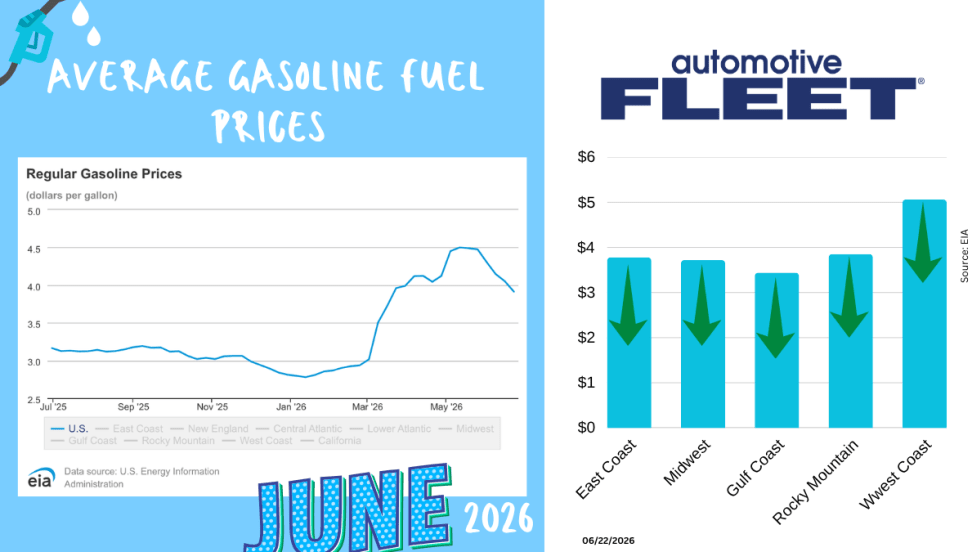
June Fuel Update: Prices Fall Below $4
Drivers are finally getting some relief at the pump. The national average gas price has dropped below $4 a gallon for the first time in months, with prices falling in 47 states as oil markets react to developments in U.S.-Iran negotiations.
Read More →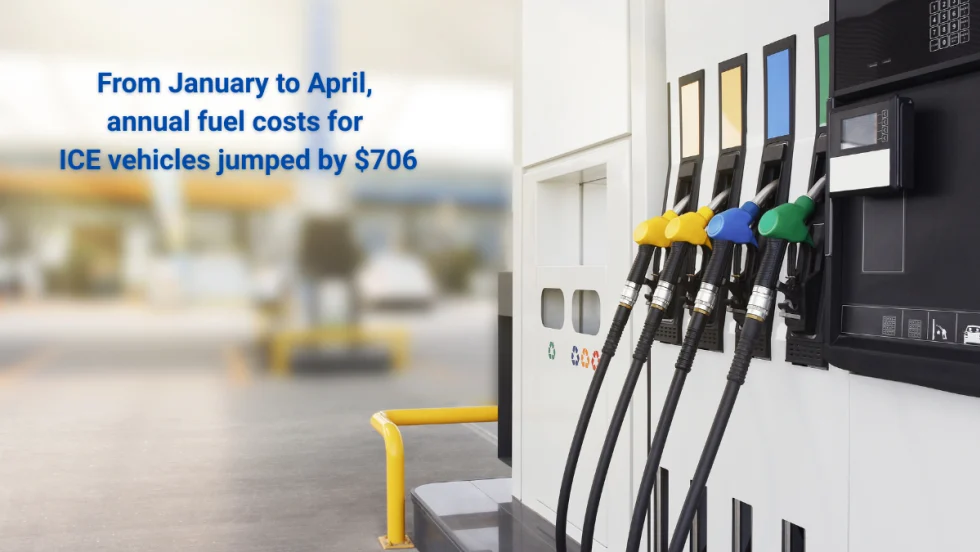
Study: How 2026's Gas Price Hikes Affect Different Vehicle Types
New data from iSeeCars reveals how rising fuel costs have affected different vehicle segments as gasoline prices climbed nearly 46% over the past four months.
Read More →