




New TTI Study Confirms Census Findings of Lengthening Commutes
The Texas Transportation Institute’s (TTI) 2002 Urban Mobility report, released on June 20, found that traffic delays in the nation’s largest urban areas increased by 41 percent since 1990.

The Texas Transportation Institute’s (TTI) 2002 Urban Mobility report, released on June 20, found that traffic delays in the nation’s largest urban areas increased by 41 percent since 1990. As a result, the average urban rush-hour driver now spends an average of 62 additional hours annually — the equivalent of one-and-a-half working weeks — stuck in traffic because of congestion, up from 44 hours in 1990. This confirms the findings of the 2000 Census, which found that average commutes nationally have increased from 22.4 minutes in 1990 to 25.5 minutes in 2000. “Worsening traffic congestion has become a fact of life for many of our urban regions, underscoring the need for increased investment at the federal, state, and local levels in road projects that would help alleviate the traffic bottlenecks in the system,” said William Wilkins, executive director of The Road Information Program (TRIP), a national nonprofit transportation research group based in Washington, DC. According to the TTI, the nation’s 10 worst urban areas, in order of rank, are: Los Angeles, San Francisco-Oakland, Chicago, Washington, DC, Boston, Miami-Hialeah, Seattle-Everett, Denver, San Jose, and New York-northeastern NJ. The list also places San Diego at 16, San Bernardino-Riverside at 20, and Sacramento at 22. Growing traffic congestion is also likely to cost consumers more than lost time. A recent study by the Washington Research Council looked at traffic congestion rates in the nation’s largest urban areas and found that higher levels of traffic congestion resulted in greater rates of inflation as increasing costs of shipping products into a community resulted in higher prices at the store. According to TRIP, traffic congestion solutions include: Adding roadway capacity, largely along existing routes. Improving the efficiency of the existing system with ramp metering, improved signalization, and improved incident management. Improved public transit service.
More Operations
Here's When You Should Make an Exception to Fleet Policy
Fleet policies are designed to create consistency, but not every driver or situation fits neatly within standard rules.
Read More →
AI-Native or AI-Acquired: What Should Fleet Managers Look for in an AI Platform?
Six questions can help fleet managers look beyond AI marketing claims to evaluate integration, data access, and real-world operational performance.
Read More →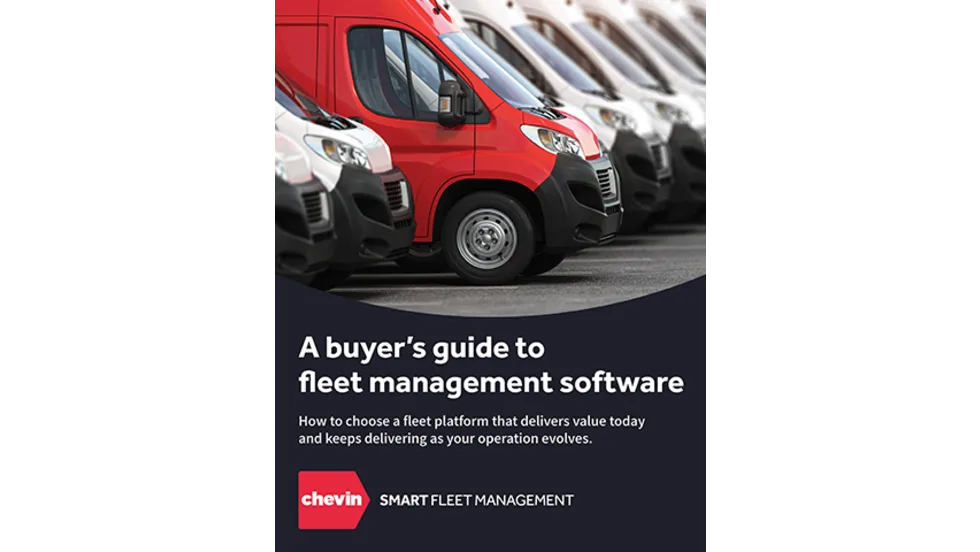
A buyer's guide to fleet management software in 2027
Buying fleet management software in 2027 means looking beyond features and price. As fleet operations, technology and expectations evolve, this guide explores what today’s fleet professionals should consider when choosing a system that can deliver value now and adapt to what comes next.
Read More →

What Will Shape the Next Era of Fleet Management?
EVs, AI, and autonomous vehicles are reshaping fleet management. Discover what’s ahead—and how fleet leaders can prepare for the next era.
Read More →
How Fleets Can Recruit and Train Veterans for Technician Roles
Here's how the technician shortage has affected uptime for fleets, and what to do about it.
Read More →
Avis Budget Group Deploys Neology Toll Management Technology Across Major Brands
Neology’s neoFleet platform will manage toll transactions and toll-authority operations for vehicles across Avis, Budget, Payless, Budget Truck and Zipcar.
Read More →
Fleet Personal-Use Charges Edge Higher in 2026
Nearly eight in 10 surveyed fleets allow personal use of company vehicles, while just over half of respondents report charging employees for the privilege.
Read More →
The Future of Fleet + What’s Changing Right Now | AF News Recap
Could developments overseas offer a preview of what’s coming for U.S. fleets? This week, we’re looking at the future of AI, autonomy, and electrification, plus Ford Pro’s new certified pre-owned program, smarter vehicle offboarding, and a new way for fleets to manage toll expenses.
Read More →
How to Handle Vehicle Offboarding
What do fleet managers need to do when a driver leaves?
Read More →
Fleet Manager’s Ultimate Playbook: Navigating the New Standard in OEM Connectivity
Rising operating costs, driver safety concerns, and unplanned downtime are putting unprecedented pressure on modern fleets. Discover how fleet managers use embedded OEM connectivity and real-time vehicle data to cut TCO, prevent downtime, and protect drivers without aftermarket telematics hardware.
Read More →