




New TRW System Combines HVAC Fuel Efficiency With Occupant Comfort
FRANKFURT, Germany --- TRW Automotive Holdings Corp. is introducing its Efficient Comfort Control (ECC) system, which uses sophisticated algorithms to monitor vehicle cabin comfort and to minimize the energy draw resulting from a vehicle's heating, ventilation and air conditioning (HVAC) system.
FRANKFURT, Germany --- TRW Automotive Holdings Corp. is introducing its Efficient Comfort Control (ECC) system, which uses sophisticated algorithms to monitor vehicle cabin comfort and to minimize the energy draw resulting from a vehicle's heating, ventilation and air conditioning (HVAC) system. ECC concentrates on balancing three major goals --- maintaining occupant comfort, keeping the windshield clear of fog and optimizing fuel use. TRW said that years of ECC research have focused on gaining a better understanding of the dynamics of occupant comfort within the vehicle cabin and using this knowledge to employ the most efficient methods within the HVAC system through proprietary control algorithms. This leads to occupant comfort and reduced draw of energy on the engine, which in turn leads to improved fuel economy and lower emissions. "The motivation behind the ECC system is clear --- when air conditioning is switched on it is the number one source of ancillary energy draw on the engine," explained TRW Director of Business Development Victor Peltola. "The TRW Body Control Systems business has been developing algorithms and control technologies that look at all of the variables that make up comfort within the vehicle cabin and how best to ensure these variables are addressed while creating as little draw as possible on engine power." The ECC system factors in humidity in addition to the three major causes of heat in the vehicle cabin. These include 1) heat conduction via seats, steering wheel or arm rest; 2) heat convection via the discharge air of the HVAC or open windows; and 3) heat radiation from the sun or interior surfaces. Studying the interaction of these factors has helped lead to the development of the ECC control algorithms. "By understanding the basic physics relating to comfort and the factors required to control it, TRW can avoid the situation-based control strategy typically used for HVAC control that must be re-engineered with every new vehicle," said Peltola. "This dramatically improves development time, potentially leads to a reduction in costs, and results in a system that provides a numerical measure of the occupant's comfort level in real time and can be tuned to various vehicle cabins." The ECC system is already being used to develop HVAC control systems in current vehicles, and TRW plans to continue to refine ECC for future product generations and for compatibility with alternative powertrains. For example, TRW has developed a fuel-efficient control application that uses humidity sensing and efficient compressor management. The result is a higher level of fuel efficiency on a hybrid electric vehicle set to launch in the 2009 model year.
More Fuel

Bob Adamsky on Fuel Volatility: "Don't Panic, Have a Plan."
When it comes to up and down fuel prices, Adamsky has a message for fleets: “Don’t panic.”
Read More →
How Fleets Can Gain Control of Non-Fuel Spend
Fuel often gets the spotlight, but non-fuel expenses can have a major impact on fleet costs. Ramel Lindsay of U.S. Bank Voyager discusses how fleets can gain better visibility and control over these often-overlooked expenditures.
Read More →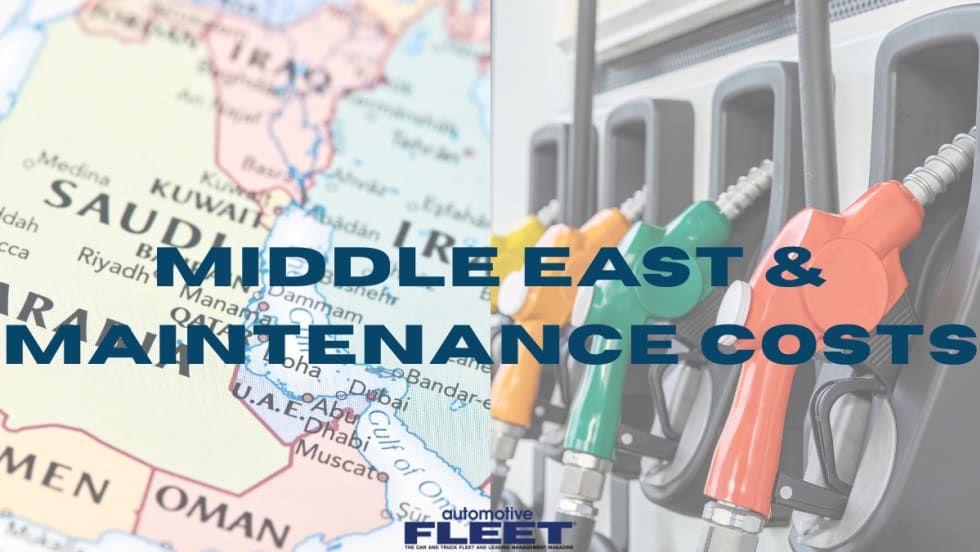
Fuel is Just the Start: How Middle East Tensions are Driving Up Fleet Maintenance Costs
The Middle East conflict is doing more than pushing up fuel prices. It’s also raising the cost of key maintenance products your fleet depends on, from motor oil to tires to windshield wipers. Here’s what you need to know about this budget-busting situation.
Read More →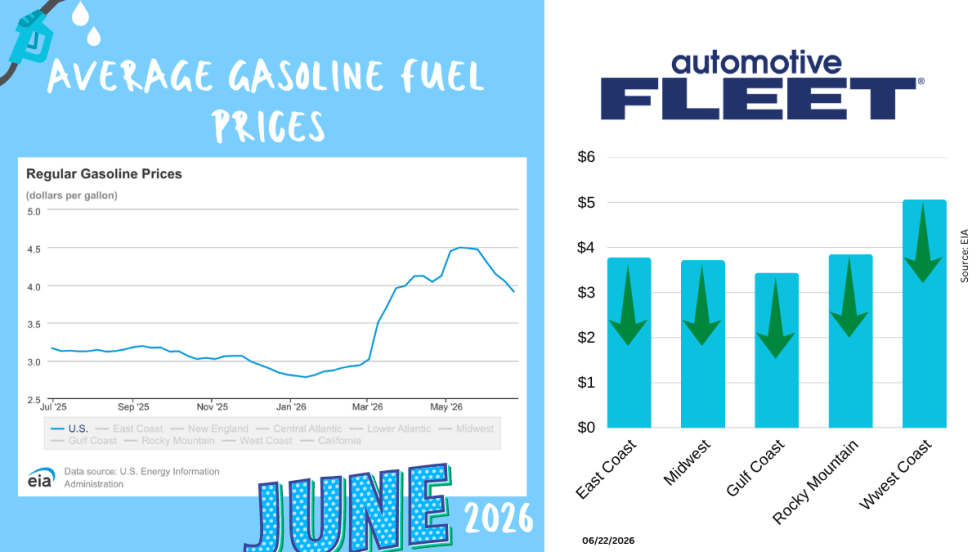
June Fuel Update: Prices Fall Below $4
Drivers are finally getting some relief at the pump. The national average gas price has dropped below $4 a gallon for the first time in months, with prices falling in 47 states as oil markets react to developments in U.S.-Iran negotiations.
Read More →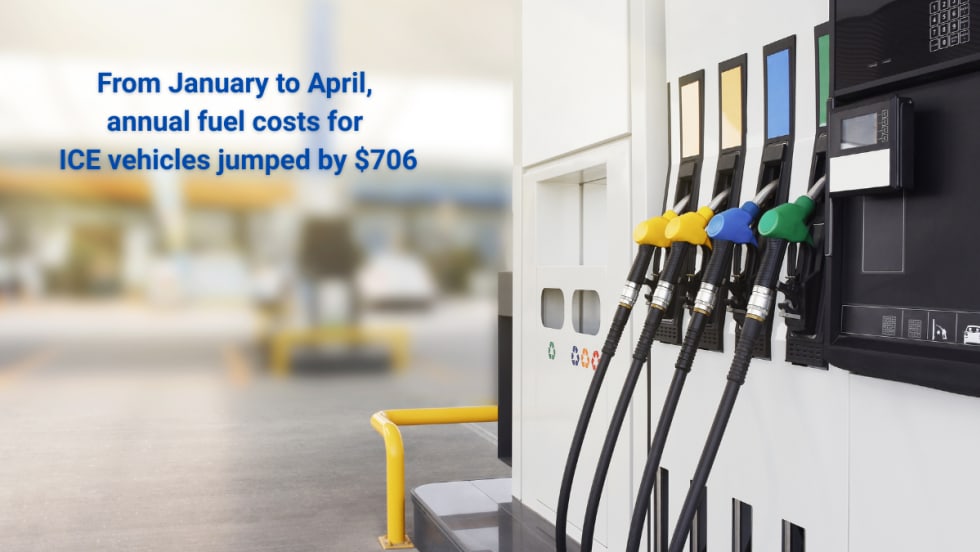
Study: How 2026's Gas Price Hikes Affect Different Vehicle Types
New data from iSeeCars reveals how rising fuel costs have affected different vehicle segments as gasoline prices climbed nearly 46% over the past four months.
Read More →
Are You Tracking Your Fleet's True Total Cost of Ownership?
Bobit Business Media surveyed 190 fleet professionals and found that while most fleets are tracking costs, fragmented systems and data gaps are keeping true TCO visibility out of reach. With rising pressure to control spend in an increasingly volatile environment, the gap between what fleets think they know and what the data actually shows is wider than you might expect. See how your peers are managing costs today and where the industry still has room to improve.
Read More →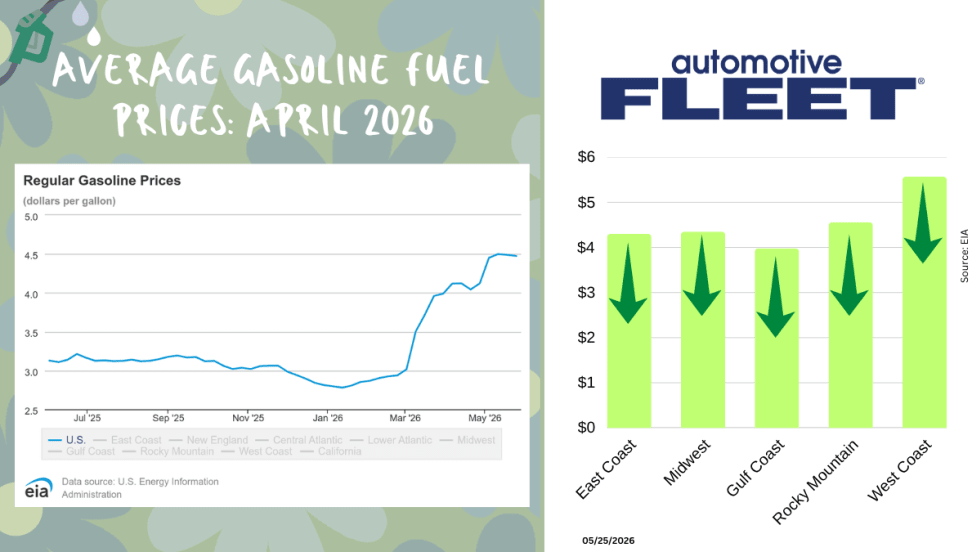
May Fuel Update: All Regions Experience Declines
Gas prices are finally easing in much of the country, but experts warn global tensions could quickly reverse the trend as the national average remains well above last month’s levels.
Read More →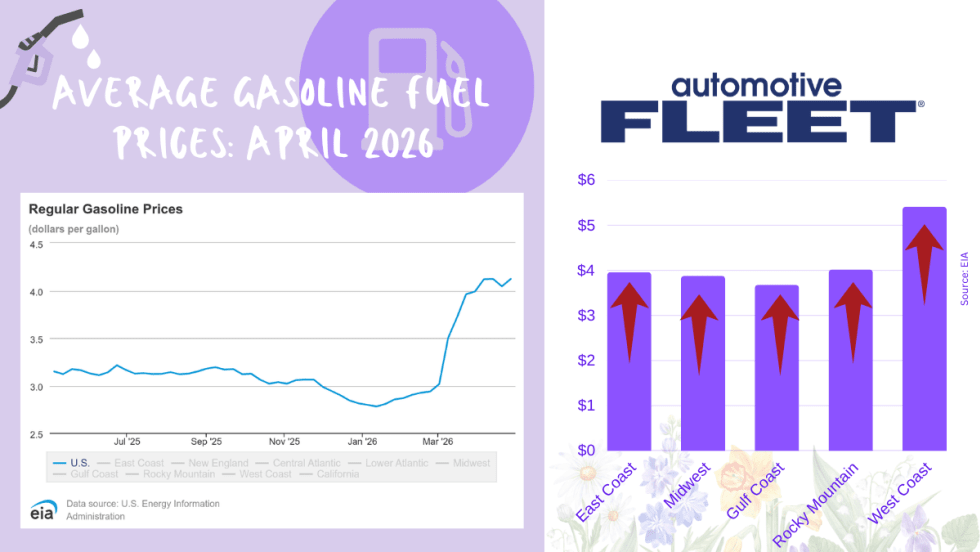
April Fuel Update: Prices Climb Above $4 as Spring Surge Accelerates
National average jumps to $4.04 per gallon, up sharply from last year, with West Coast prices topping $5 and further increases expected amid rising oil tensions.
Read More →
Tips from Fleet Managers on Saving Fuel Costs
Fleet leaders share practical strategies to reduce fuel spend through smarter policy, routing, and driver guidance.
Read More →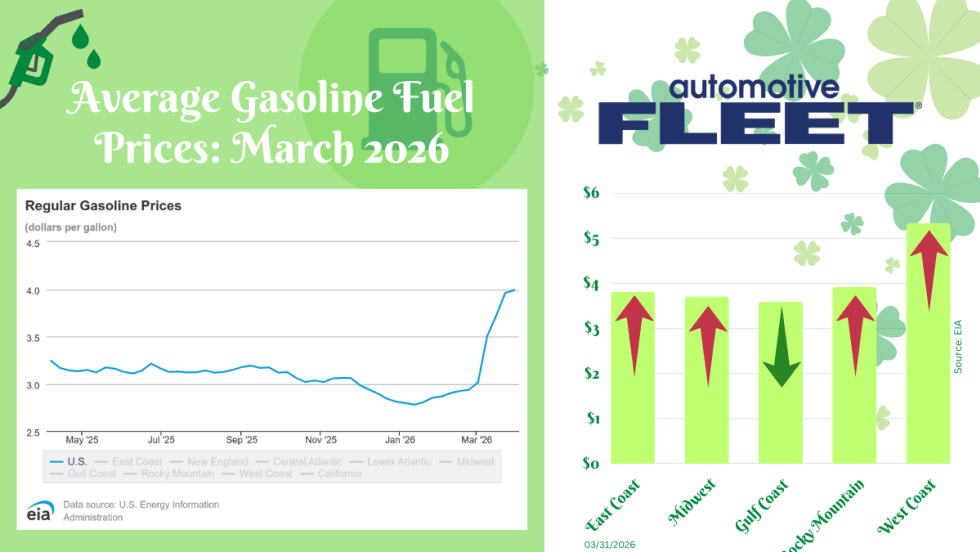
March Fuel Update: Prices Settle With a $4 Average
Fuel prices significantly slowed this week, but a $4 national average is still expected.
Read More →