




New Toyota Hybrid Auto Parks Itself
Your hands don't even need to touch the steering wheel for it to start spinning back and forth, all by itself — slowly guiding the car into the parking spot. Parallel parking is designed to be a breeze with the Intelligent Parking Assist system, part of a new $2,200 option package announced by Toyota Motor Corp. for its Prius gas-electric hybrid in Japan.
Your hands don't even need to touch the steering wheel for it to start spinning back and forth, all by itself — slowly guiding the car into the parking spot. Parallel parking is designed to be a breeze with the Intelligent Parking Assist system, part of a new $2,200 option package announced by Toyota Motor Corp. for its Prius gas-electric hybrid in Japan. Parking Assist relies on a computer, steering sensor, and a camera at the rear. A dashboard display shows the image from the camera. When you near a parking space and shift into reverse, computerized lines pop up on the display, along with arrows. Using the arrows, you move the lines around until they define exactly where you want the car to be parked. Then you push the “set” button on the display. Keep your foot lightly on the brake pedal, and the car will start backing up and will park itself in the spot chosen with the arrows. The system has no artificial intelligence that recognizes objects — so it won't stop for anything you shouldn't run over. You still have to brake yourself. And the system is designed so that it will shut itself off if you lift your foot from the brake pedal, making the car go too fast. Intelligent Parking Assist also will back you into a garage, and can “remember'' three parking spots. The major limitation is that the system works only in situations where the car can continuously back into a space — not for tight spots where you must inch your way in by going back and forth. You must decisively glide straight into pre-parking position before the car will let you begin jiggling the arrows on the panel. Approximately 80 percent of Toyota’s Prius buyers in Japan have opted for Intelligent Parking Assist. In the United States, by contrast, there's generally plenty of room for parking and so it's unlikely Toyota will offer the feature there, says Akihiko Saito, a company executive vice president. Among technologies Toyota has already made available in Japan are an automatic anti-collision system, in which seat belts tighten and the car brakes harder in anticipation of a crash. Toyota says it plans to offer that feature later this year in the United States.
More Operations

Gary Van Orden Retires After Nearly Four Decades in Commercial Fleet
From answering customer calls at Ford Motor Company to leading fleet sales across multiple OEMs and a fleet management company, Gary Van Orden's career reflects nearly four decades of leadership in commercial fleet.
Read More →
How Stellantis Plans to Get Ahead of Fleet Downtime
Vehicle acquisition may grab the headlines, but fleet uptime increasingly determines operating success. Darren Bradshaw of Mopar North America gives the details.
Read More →
Hyundai Releases 2027 Commercial Program Incentives
The 2027 Model Year "Fleet Street Incentives" are available to commercial and government fleets.
Read More →


It's All Downhill from Here! Fleet Industry Raises $22,000 for Skilled Trades Scholarships
Work Truck’s Lauren Fletcher and Automotive Fleet’s Chris Brown turned a friendly racing rivalry into $22,000 for automotive technology and skilled trades scholarships.
Read More →
The Top 300 Commercial Fleets
The Top 300 Commercial Fleets: See the List
Read More →

Your Local Dealer Knows More Than You Think
Your local dealer can provide an information advantage that extends well beyond courtesy deliveries.
Read More →
Fleet Meets: Austin Schutte
Here are some industry insights, personal touches, and words of advice from the CEO and Founder of Anew Solutions.
Read More →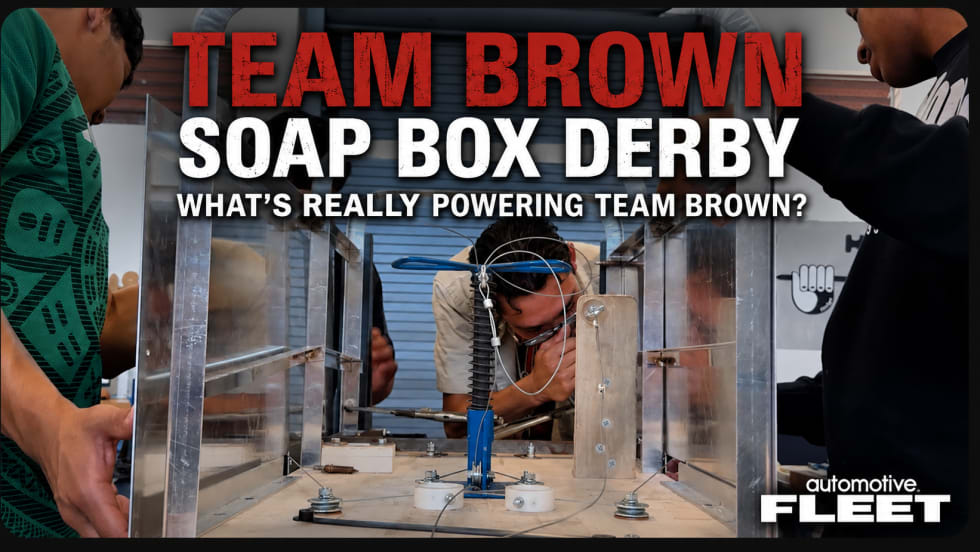
Soap Box Derby Challenge: What’s Powering Team Brown
The car is coming together, the students are solving real build problems, and the fleet industry is helping push Team Brown toward the starting line.
Read More →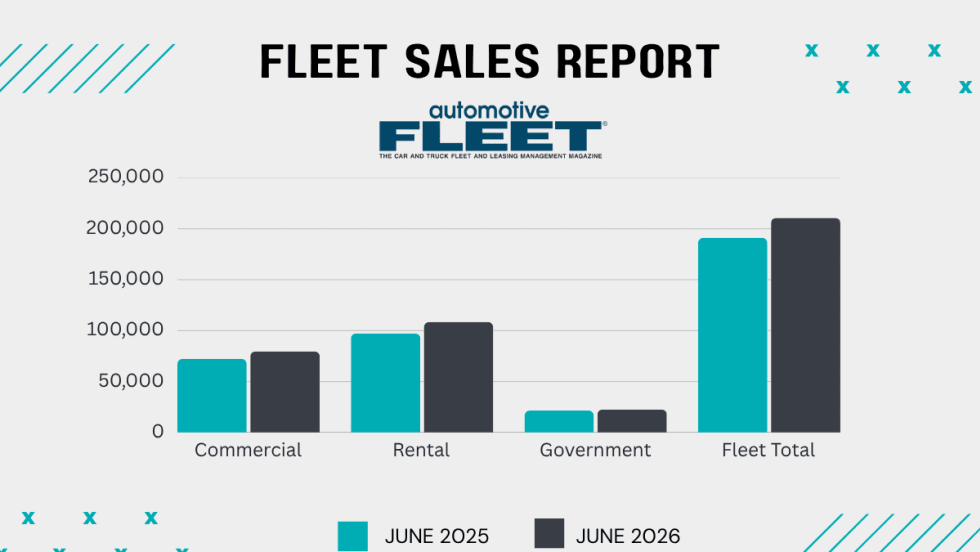
Commercial Fleet Sales Contribute To June, YTD Gains
The fleet sector has boosted its vehicle purchases at a reliable pace in the first half of this year compared with 1H 2025.
Read More →