




New Process Uses Fructose to Make Diesel Fuel
MADISON, Wis. --- Rising oil prices have fueled a race to find new sources for chemical intermediates --- compounds that are the raw material for many fuels --- and researchers see promise in the use of fructose.
MADISON, Wis. --- Rising oil prices have fueled a race to find new sources for chemical intermediates --- compounds that are the raw material for many fuels --- and researchers see promise in the use of fructose. James Dumesic, a University of Wisconsin-Madison chemical and biological engineering professor, reported in the June 30 issue of the journal Science on a better way to make a chemical intermediate called HMF (hydroxymethylfurfural) from fructose, also known as fruit sugar. HMF can be converted into plastics, diesel-fuel additive, or even diesel fuel itself, but is seldom used because it is costly to make. The new process goes beyond making fuel from plants to make industrial chemicals from plants, according to a press release from the university. "Trying to understand how to use catalytic processes to make chemicals and fuel from biomass is a growing area," said Dumesic, who directed the HMF research. "Instead of using the ancient solar energy locked up in fossil fuels, we are trying to take advantage of the carbon dioxide and modern solar energy that crop plants pick up." The new, patent-pending method for making HMF is a balancing act of chemistry, pressure, temperature and reactor design. After a catalyst converts fructose into HMF, the HMF moves to a solvent that carries it to a separate location, where the HMF is extracted. Although other researchers had previously converted fructose into HMF, Dumesic's research group made a series of improvements that raised the HMF output, and also made the HMF easier to extract. Once made, HMF is fairly easy to convert into plastics or diesel fuel. Although the biodiesel that has made headlines lately is made from a fat (even used cooking oil), not a sugar, both processes have similar environmental and economic benefits, Dumesic said. Instead of buying petroleum from abroad, the raw material would come from domestic agriculture. Expanding the source of raw material should also depress the price of petroleum. Using biomass --- waste products of agriculture and forestry --- can also cut global warming caused by carbon dioxide emissions from fossil fuels, said graduate student Yuriy Roman-Leshkov, first author on the Science paper. "The nice thing about using biomass as a replacement for all these petroleum products is that it is greenhouse-neutral." Although using fossil fuels moves an enormous amount of carbon from the Earth into the atmosphere, the carbon released when a biofuel burns is eventually taken up by growing plants. "This process is really important," Roman-Leshkov said, "because it does not introduce additional carbon dioxide into the atmosphere." Juben N. Chheda, a second graduate student working on the HMF project, sees the work as part of an explosion of interest in finding alternative sources for petroleum-based chemicals. "We need to develop new process technologies, and HMF is a building block that can replace products like PET, a plastic used for soda bottles," he notes. "This is a first step for a range of chemical products that can be obtained from biomass resources, replacing those that come from petroleum sources." Dumesic is also exploring methods to convert other sugars and even more complex carbohydrates into HMF and other chemical intermediates. "Solar energy and biology created the stored hydrocarbons in the fossil fuels we have used for so long," he pointed out. "Our interest in biomass is driven by the belief that if we learn to use solar energy and biology in a different way, we can address problems related to price, supply and the environmental impact of industrial activity." Dumesic's research on environmentally friendly sources of common chemicals is supported by the U.S. Department of Agriculture and the National Science Foundation.
More Fuel

Turning Fleet Payment Data into Executive Insights
Ramel Lindsay of U.S. Bank Voyager discusses how fleets can transform payment and transaction data into actionable intelligence to reduce costs, improve oversight, and support executive decision-making.
Read More →
Why the IRS Raised Its Mileage Rate in the Middle of 2026
Fuel-price volatility drove the rare increase to 76 cents per mile, the fifth midyear adjustment since 2000.
Read More →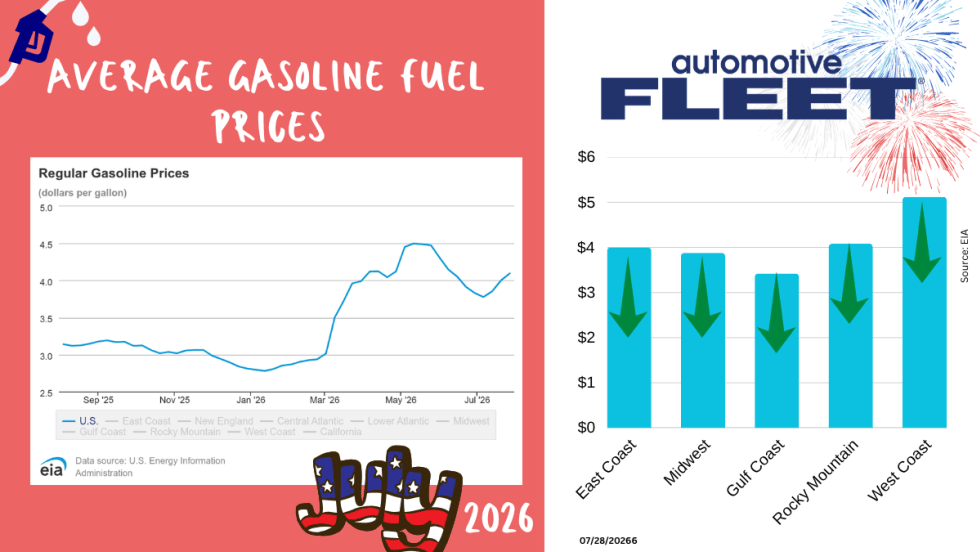
July Fuel Update: Prices Keep Rising in Light of More Conflict
Gas prices continue to rise as more and more conflicts do, too.
Read More →
Bob Adamsky on Fuel Volatility: "Don't Panic, Have a Plan."
When it comes to up and down fuel prices, Adamsky has a message for fleets: “Don’t panic.”
Read More →
How Fleets Can Gain Control of Non-Fuel Spend
Fuel often gets the spotlight, but non-fuel expenses can have a major impact on fleet costs. Ramel Lindsay of U.S. Bank Voyager discusses how fleets can gain better visibility and control over these often-overlooked expenditures.
Read More →
Fuel is Just the Start: How Middle East Tensions are Driving Up Fleet Maintenance Costs
The Middle East conflict is doing more than pushing up fuel prices. It’s also raising the cost of key maintenance products your fleet depends on, from motor oil to tires to windshield wipers. Here’s what you need to know about this budget-busting situation.
Read More →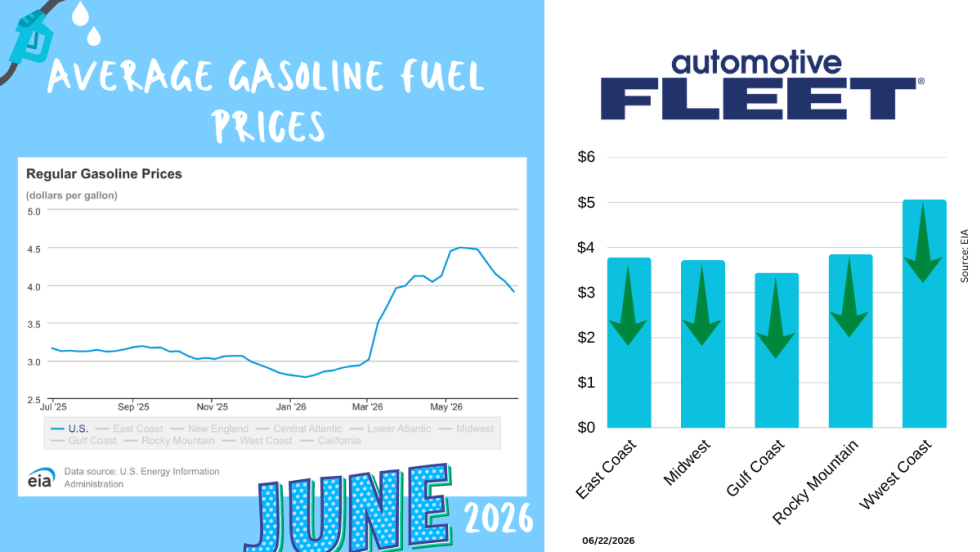
June Fuel Update: Prices Fall Below $4
Drivers are finally getting some relief at the pump. The national average gas price has dropped below $4 a gallon for the first time in months, with prices falling in 47 states as oil markets react to developments in U.S.-Iran negotiations.
Read More →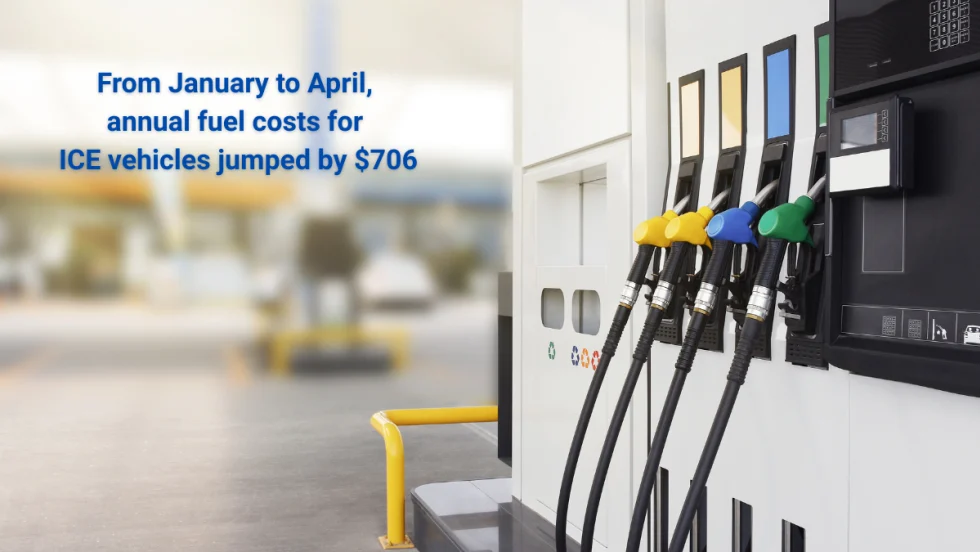
Study: How 2026's Gas Price Hikes Affect Different Vehicle Types
New data from iSeeCars reveals how rising fuel costs have affected different vehicle segments as gasoline prices climbed nearly 46% over the past four months.
Read More →
Are You Tracking Your Fleet's True Total Cost of Ownership?
Bobit Business Media surveyed 190 fleet professionals and found that while most fleets are tracking costs, fragmented systems and data gaps are keeping true TCO visibility out of reach. With rising pressure to control spend in an increasingly volatile environment, the gap between what fleets think they know and what the data actually shows is wider than you might expect. See how your peers are managing costs today and where the industry still has room to improve.
Read More →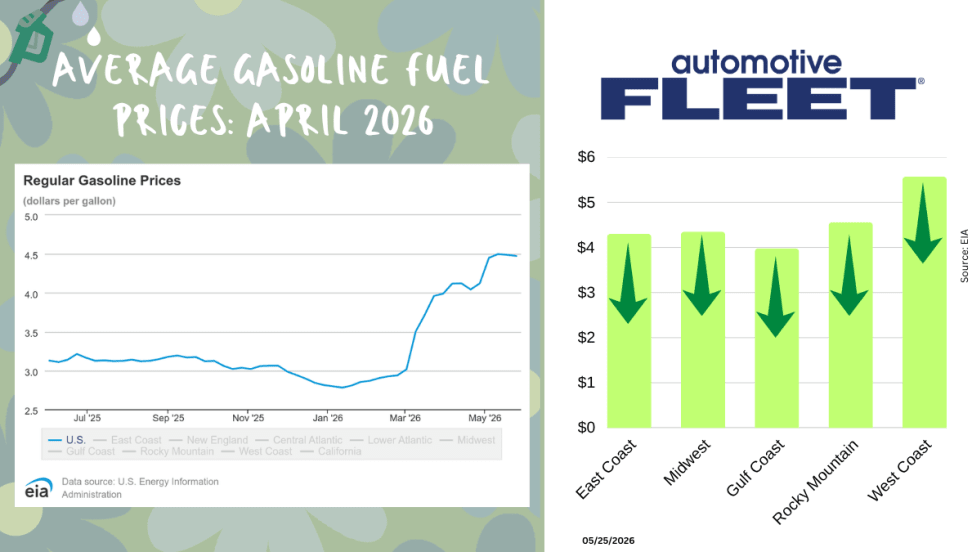
May Fuel Update: All Regions Experience Declines
Gas prices are finally easing in much of the country, but experts warn global tensions could quickly reverse the trend as the national average remains well above last month’s levels.
Read More →