




New Fuel Economy Labels Proposed by EPA & DOT
WASHINGTON - Two new fuel economy labels are proposed, one of which features a letter grade to communicate the vehicle's overall fuel economy and greenhouse gas emissions performance.
WASHINGTON- The U.S. Department of Transportation (DOT) and the U.S. Environmental Protection Agency (EPA) are jointly proposing changes to the fuel economy labels displayed on the windows of new vehicles, starting with the 2012 model-year.
The goal of the new fuel economy labels is to provide simple, straightforward energy and environmental comparisons across all types of vehicles, including electric vehicles (EV), plug-in hybrid electric vehicles (PHEV), and conventional gasoline-powered vehicles, according to the agencies.
Two new label designs are proposed for comment. One label design prominently features a letter grade to communicate the vehicle's overall fuel economy and greenhouse gas emissions performance. The new design will also provide an estimate of expected fuel cost savings over five years compared to an average gasoline-powered vehicle of the same model-year.
The second proposed label retains the current label's focus on miles per gallon and annual fuel costs, while updating the overall design and adding the required new comparison information on fuel economy and emissions.
Both proposed label designs expand on the content of the current label by including new information on fuel consumption, tailpipe carbon dioxide (CO2) emissions, and smog-related emissions. The new labels would provide information on a new Web-based interactive tool that can also be accessed by smart phone.
For EVs and PHEVs, the agencies are proposing to show energy use by translating electricity consumption into miles per gallon equivalent. The proposed label designs for EVs also include energy use expressed in terms of kilowatt-hours per 100 miles.
DOT and EPA encourage public feedback on all aspects of the proposal, including which designs or design features would provide the best tool for comparing fuel economy, fuel costs, and environmental impacts of different vehicles and across different vehicle technologies.
The agencies propose the label only present information on vehicle tailpipe emissions. Upstream emissions, which are associated with electricity generation or refining fuel, would not be displayed on the label. EPA and DOT propose to develop a Web site to provide additional information on non-tailpipe emissions, while taking comment on other approaches to provide information about lifecycle emissions across various vehicle fuels and technologies. The agencies are aiming to complete the rule in time to allow the new label to appear on the windows of as many 2012 model-year vehicles as possible.
DOT and EPA are providing a 60-day public comment period that begins with the proposal's publication in the Federal Register.
The public can view the proposed rule and labels at: http://www.epa.gov/fueleconomy/ and submit comments as part of the rulemaking process via email to: newlabels@epa.gov.
More Fuel

Turning Fleet Payment Data into Executive Insights
Ramel Lindsay of U.S. Bank Voyager discusses how fleets can transform payment and transaction data into actionable intelligence to reduce costs, improve oversight, and support executive decision-making.
Read More →
Why the IRS Raised Its Mileage Rate in the Middle of 2026
Fuel-price volatility drove the rare increase to 76 cents per mile, the fifth midyear adjustment since 2000.
Read More →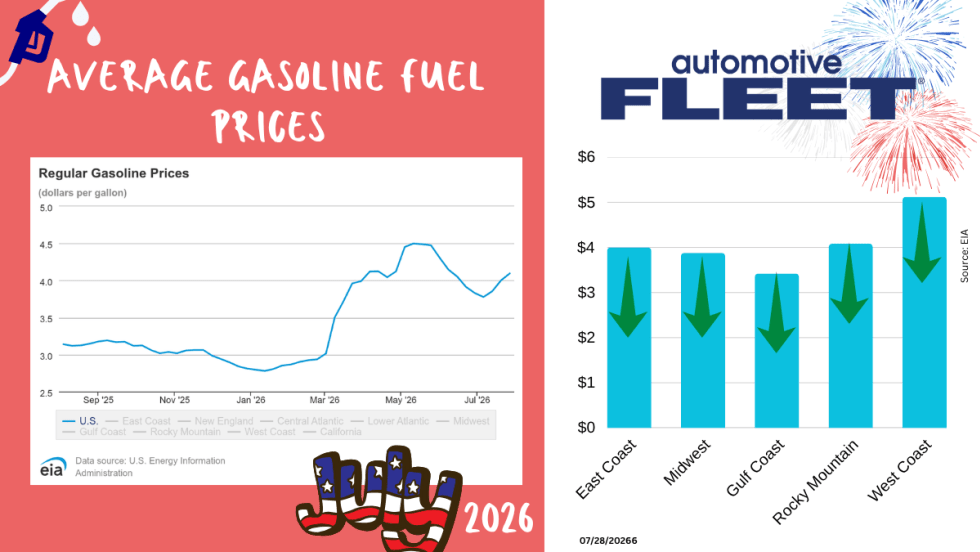
July Fuel Update: Prices Keep Rising in Light of More Conflict
Gas prices continue to rise as more and more conflicts do, too.
Read More →
Bob Adamsky on Fuel Volatility: "Don't Panic, Have a Plan."
When it comes to up and down fuel prices, Adamsky has a message for fleets: “Don’t panic.”
Read More →
How Fleets Can Gain Control of Non-Fuel Spend
Fuel often gets the spotlight, but non-fuel expenses can have a major impact on fleet costs. Ramel Lindsay of U.S. Bank Voyager discusses how fleets can gain better visibility and control over these often-overlooked expenditures.
Read More →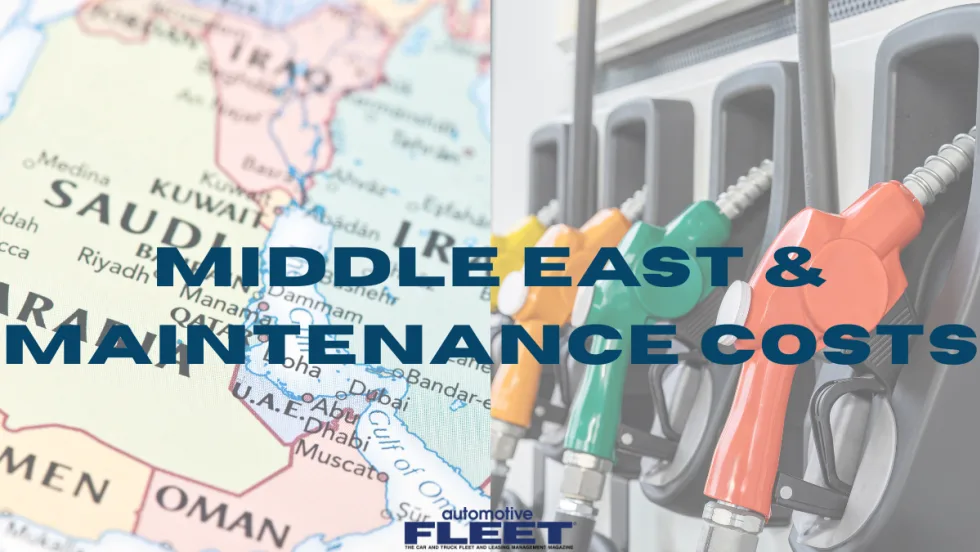
Fuel is Just the Start: How Middle East Tensions are Driving Up Fleet Maintenance Costs
The Middle East conflict is doing more than pushing up fuel prices. It’s also raising the cost of key maintenance products your fleet depends on, from motor oil to tires to windshield wipers. Here’s what you need to know about this budget-busting situation.
Read More →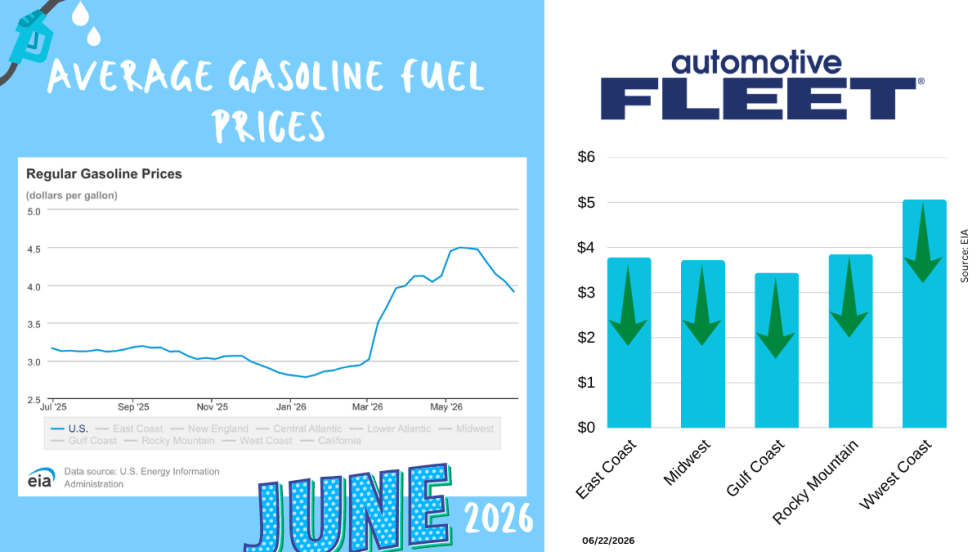
June Fuel Update: Prices Fall Below $4
Drivers are finally getting some relief at the pump. The national average gas price has dropped below $4 a gallon for the first time in months, with prices falling in 47 states as oil markets react to developments in U.S.-Iran negotiations.
Read More →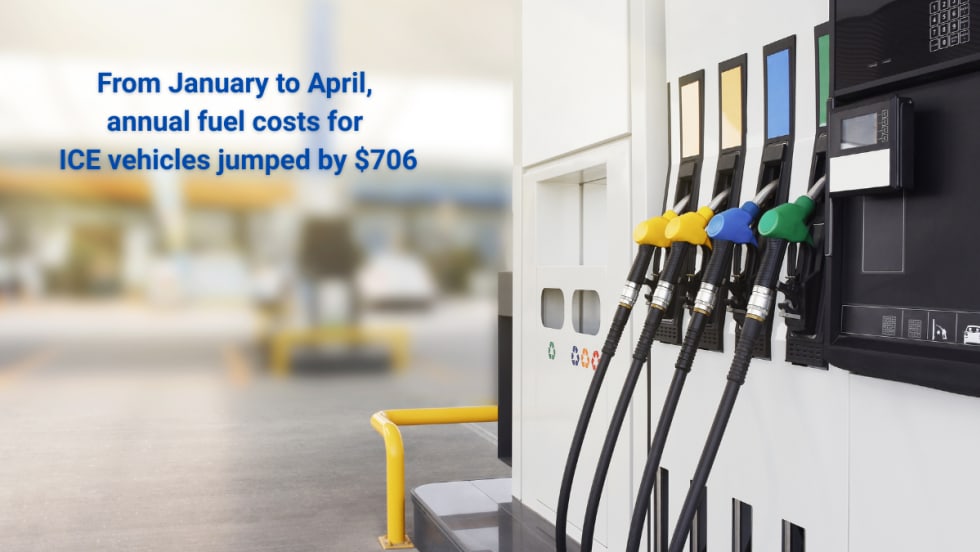
Study: How 2026's Gas Price Hikes Affect Different Vehicle Types
New data from iSeeCars reveals how rising fuel costs have affected different vehicle segments as gasoline prices climbed nearly 46% over the past four months.
Read More →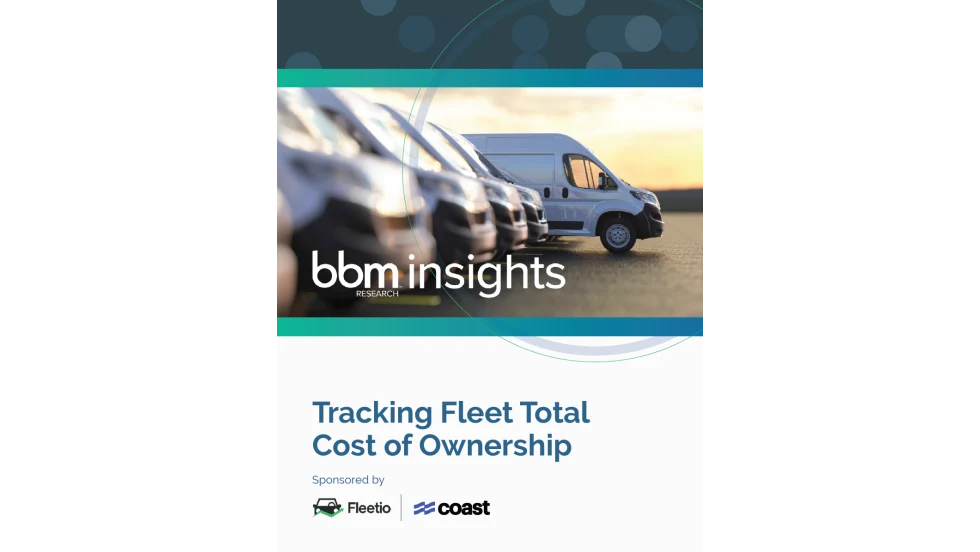
Are You Tracking Your Fleet's True Total Cost of Ownership?
Bobit Business Media surveyed 190 fleet professionals and found that while most fleets are tracking costs, fragmented systems and data gaps are keeping true TCO visibility out of reach. With rising pressure to control spend in an increasingly volatile environment, the gap between what fleets think they know and what the data actually shows is wider than you might expect. See how your peers are managing costs today and where the industry still has room to improve.
Read More →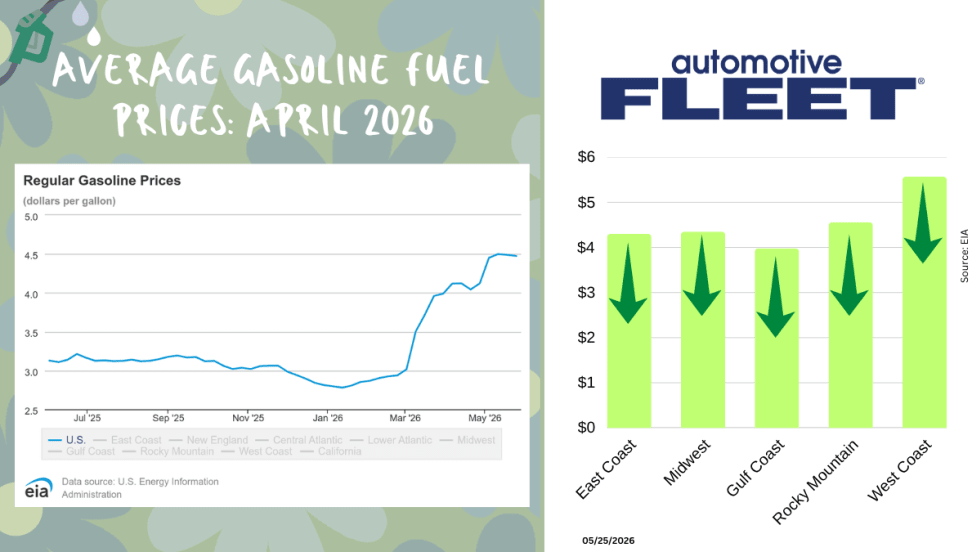
May Fuel Update: All Regions Experience Declines
Gas prices are finally easing in much of the country, but experts warn global tensions could quickly reverse the trend as the national average remains well above last month’s levels.
Read More →