




New Coalition Forms to Preserve EV Tax Credit
A group of leading businesses has formed the American Fleet Leadership Coalition to maintain the Inflation Reduction Act’s 45W Commercial Clean Vehicle Tax Credit.

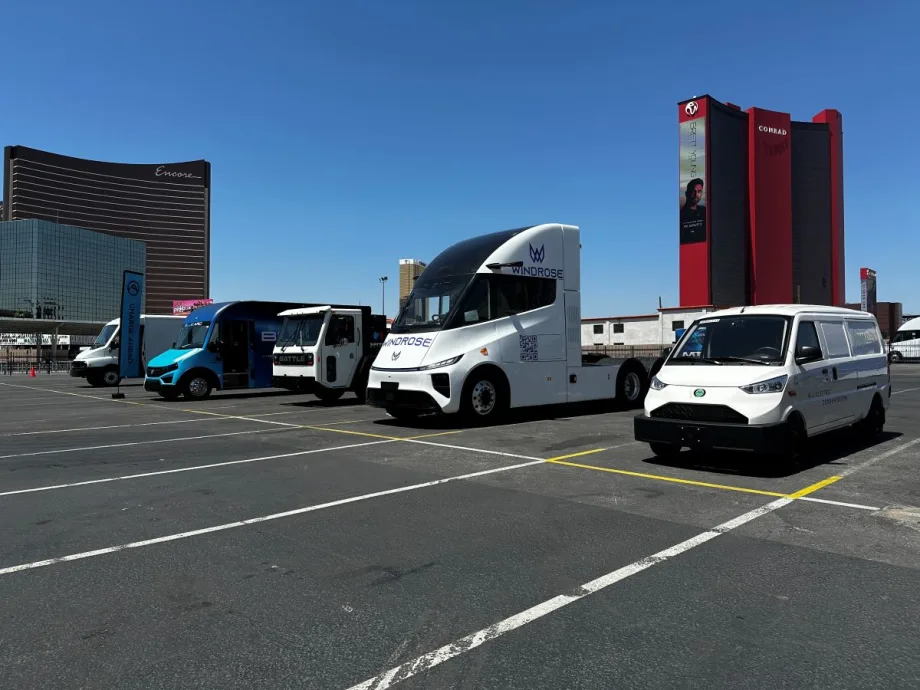
The 45w tax credit provides $7,500 for commercial vehicles less than 14,000 lbs. and up to $40,000 for all other commercial vehicles.
Photo: Chris Brown
Aiming to preserve the benefits of the Inflation Reduction Act’s 45W Tax Credit, also known as the Commercial Clean Vehicle Tax Credit, a group of leading U.S.-based businesses has formed the American Fleet Leadership Coalition.
Under IRS Code Section 45W, organizations can claim a tax credit for up to $40,000 for the purchase of a qualified commercial clean vehicle. The maximum tax credit allowed is $7,500 for a qualified commercial clean vehicle with a gross vehicle weight rating of less than 14,000 lbs. GVW and up to $40,000 for all other vehicles.

Source: American Fleet Leadership Coalition
The newly launched website states, “The American Fleet Leadership Coalition was established as a direct, coordinated, and unified effort to protect 45W. The Coalition’s primary objective is to articulate to members of Congress and their constituents that 45W is not simply a tax credit – it represents a strategic investment with far-reaching economic implications for the United States.”
Coalition's Mission
The Coalition’s purpose is to urge Congress to save the Commercial Clean Vehicle Tax Credit, noting that rescinding it would lead to the loss of approximately 130,000 American EV jobs nationwide by 2030, and an additional 310,000 across other sectors.
“Repealing the Commercial Clean Vehicle Tax Credit would undermine these laudable ambitions by causing immense harm to businesses that have harnessed this credit to electrify vehicles in their fleet to lower operating costs, improve reliability, provide a safer and better work environment for their drivers, and grow their workforce,” said Josh Green, founder of the American Fleet Leadership Coalition and CEO of Inspiration Mobility Group.
The Coalition stands by its mission, adding that the tax credit is critical to the U.S. economy as it supports the growth of American businesses using commercial vehicles, endorses a made-in-America supply chain, bolsters U.S. energy independence, and enhances U.S. global competitiveness.
“This tax credit helps large and small businesses in every corner of the country, supporting job growth, domestic manufacturing, and American energy dominance. American businesses require a stable, predictable policy environment to plan and invest," Green said. "Shortening the 45W credit from 2031 to 2025 disrupts long-term planning and investment that is already underway."
More Green Fleet
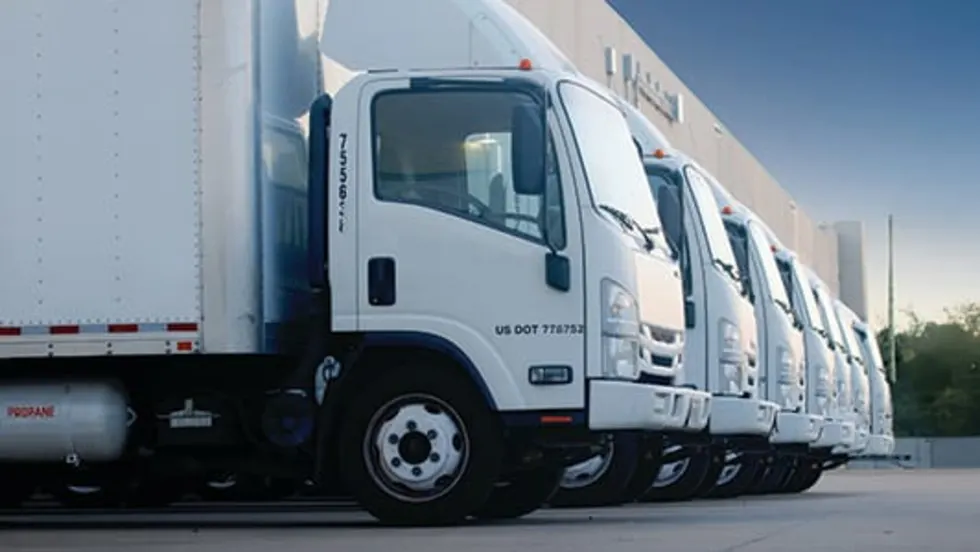
New Propane Autogas Program Offers Fleet Compensation
Qualified commercial fleets can receive $7,500 per eligible propane autogas vehicle and up to $10,000 for new refueling site prep. Learn how the program works and see whether your fleet qualifies.
Read More →
EV Charging Use Is Outpacing Infrastructure Growth
ChargePoint’s 2026 Charging Forward Report points to rising charger use, higher-powered charging, commercial vehicle electrification, and energy-management technology. Here’s what fleets should know.
Read More →
Merchants Fleet Reports 290M EV Miles as Fleets Navigate Changing Electrification Market
From millions in operating savings to hundreds of millions of EV miles, Merchants Fleet’s latest report reveals what’s working and what’s changing in fleet electrification.
Read More →
The EV Breakdown Nobody's Talking About: Why Most Electric Vehicle Roadside Calls Aren't Mechanical Failures
Here's why EV breakdowns are widely misunderstood.
Read More →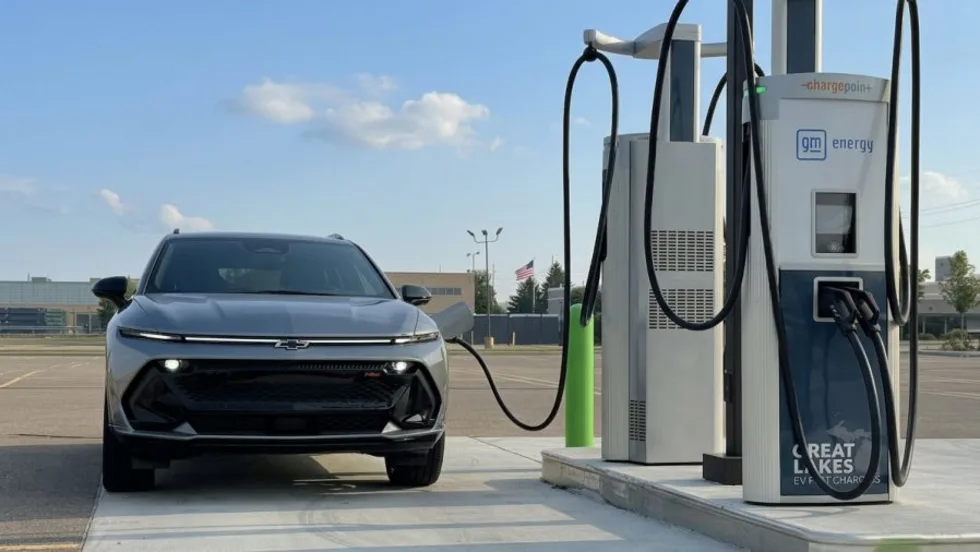
ChargePoint Now Available in Energy Pass
ChargePoint and additional planned charging network integrations were added to GM's Energy Pass.
Read More →

First Look: Slate Auto's Electric Fleet Pickup
Could an affordable, modular EV pickup make electrification more practical for fleets?
Read More →
Slate Debuts Colorful, Unique EV Models
A recent media and client event, studded with electric vehicles dressed up on platforms, planted a new position for the manufacturer in the wider EV market. Fleets will find cost-saving advantages.
Read More →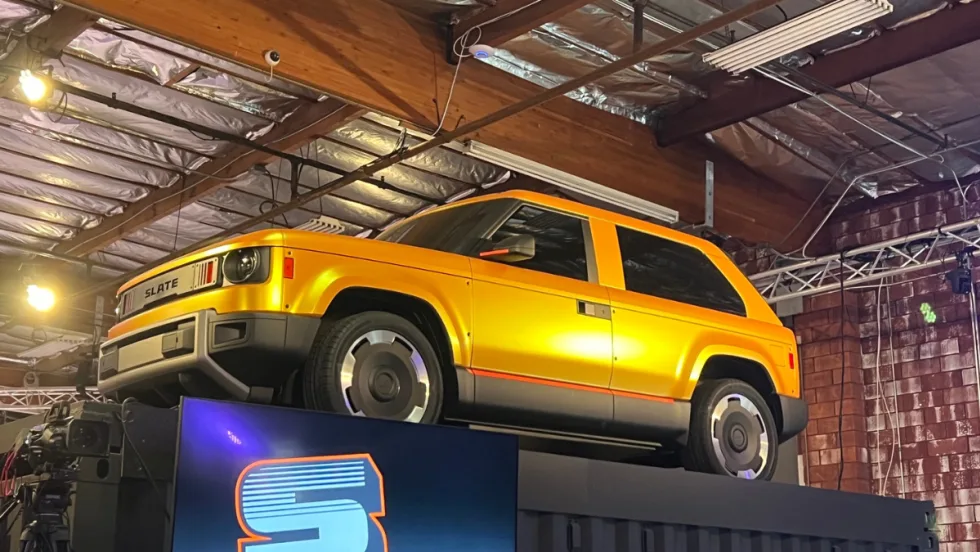
Slate Electric SUV, Pickup Switchable Model Aims For Light-Duty Fleets
Everything about this EV is counterintuitive and understated, making it stand out from the crowd.
Read More →
Inspiration Mobility Acquires Key Electrada Assets
Inspiration Mobility Group has acquired select assets of Electrada, adding the fleet electrification provider's team, technology, and charging infrastructure development capabilities to its energy management business.
Read More →