




New Chevrolet Cruze Eco Achieves 42 MPG Highway
DETROIT - General Motors announced the official fuel economy numbers for the 2011 Chevrolet Cruze Eco, which delivers an EPA-estimated 42 mpg on the highway (manual transmission models), with city fuel economy of 28 mpg.
DETROIT - General Motors announced the official fuel economy numbers for the 2011 Chevrolet Cruze Eco, which delivers an EPA-estimated 42 mpg on the highway (manual transmission models), with city fuel economy of 28 mpg.
Cruze Eco's highway fuel economy beats non-hybrid segment competitors, which includes smaller models and hybrids.
The Cruze Eco carries an MSRP of $18,895 (including destination charge) and goes on sale in January.
To achieve its fuel economy, Cruze's engineers focused on aerodynamic performance, mass optimization, and powertrain enhancements. The refinements in each area paid big dividends towards the car's overall efficiency, while providing engineers with valuable information to help enhance the efficiency of future Chevrolet models.
Aerodynamic improvements over non-Eco manual-transmission models contributed approximately six mpg to the Cruze's EPA-estimated 42 mpg highway fuel economy. Many were developed and refined in more than 500 hours of wind-tunnel testing of the Chevy Volt, which shares core architecture with the Cruze. Examples include the upper grille, which has more "closeouts" to improve aerodynamics, a lower front air dam extension, a rear spoiler, a lowered ride height, and underbody panels that smooth airflow beneath the car.
The Eco model also features an all-new technology in the compact segment: a lower front grille air shutter that closes at higher speeds to reduce aerodynamic drag and opens at lower speeds to optimize engine-cooling airflow. Another contributor to reduced drag is the use of ultra-low rolling resistance 17-inch Goodyear tires (used with lightweight wheels), which are also used on the Volt.
As a result of the aero enhancements, aerodynamic drag was reduced by 10 percent over a non-Eco model, with a coefficient of drag of 0.298. That places Cruze at the top of the class for mainstream compact cars.
More than 42 changes were made on the Eco to reduce its weight to 3,009 lbs., compared to the 3,223 lbs. of the Cruze 1LT. Engineers looked at all aspects of the vehicle's construction, including hundreds of weld flanges on the vehicle. They were reduced 1 mm to 2 mm in length, which saved several pounds, while the sheet metal gauge thickness was reduced by about 0.1 mm in select components. This saved weight while preserving structural integrity.
Lighter wheels and tires are used on the Eco. The 17-inch alloy units with Goodyear tires weigh only 36.5 lbs. apiece - 5.3 lbs. less than the 16-inch wheel/tires of the Cruze 1LT for a complete savings to the vehicle of 21.2 lbs, according to GM.
Cruze Eco is powered by power-dense Ecotec 1.4L turbocharged engine and a standard six-speed manual transmission. The transmission's gearing is optimized for the model's specific 17-inch wheel/tire combination and includes aggressive ratios for first and second gear coupled with a highly efficient, "taller" sixth-gear ratio for highway driving. That means engine rpm is reduced on the highway, which in turn reduces fuel consumption. A six-speed automatic transmission is available, with EPA-estimated fuel economy ratings of 26 city and 37 highway.
The Ecotec 1.4L turbo's power ratings are 138 hp and 148 lb.-ft. of torque between 1,850 rpm and 4,900 rpm. The wide rpm range for the maximum torque - a specific trait of turbocharged engines - helps the engine deliver a better driving experience and performance. The turbocharger is integrated within the exhaust manifold, for reduced weight and improved packaging flexibility.
The engine also features premium design elements that contribute to the Cruze Eco's lower curb weight. They include a cast iron block with a hollow frame structure, hollow-cast camshafts, and a plastic intake manifold.
More Fuel

Turning Fleet Payment Data into Executive Insights
Ramel Lindsay of U.S. Bank Voyager discusses how fleets can transform payment and transaction data into actionable intelligence to reduce costs, improve oversight, and support executive decision-making.
Read More →
Why the IRS Raised Its Mileage Rate in the Middle of 2026
Fuel-price volatility drove the rare increase to 76 cents per mile, the fifth midyear adjustment since 2000.
Read More →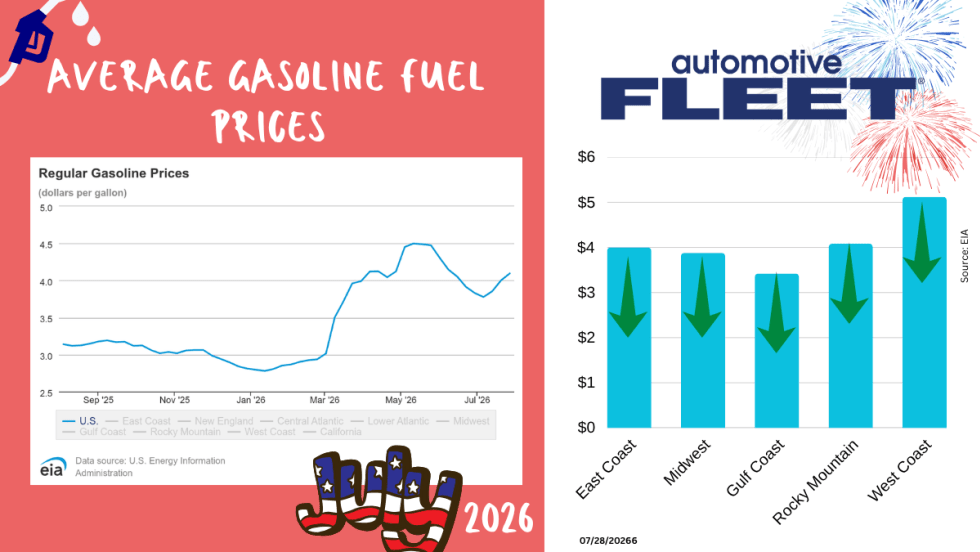
July Fuel Update: Prices Keep Rising in Light of More Conflict
Gas prices continue to rise as more and more conflicts do, too.
Read More →
Bob Adamsky on Fuel Volatility: "Don't Panic, Have a Plan."
When it comes to up and down fuel prices, Adamsky has a message for fleets: “Don’t panic.”
Read More →
How Fleets Can Gain Control of Non-Fuel Spend
Fuel often gets the spotlight, but non-fuel expenses can have a major impact on fleet costs. Ramel Lindsay of U.S. Bank Voyager discusses how fleets can gain better visibility and control over these often-overlooked expenditures.
Read More →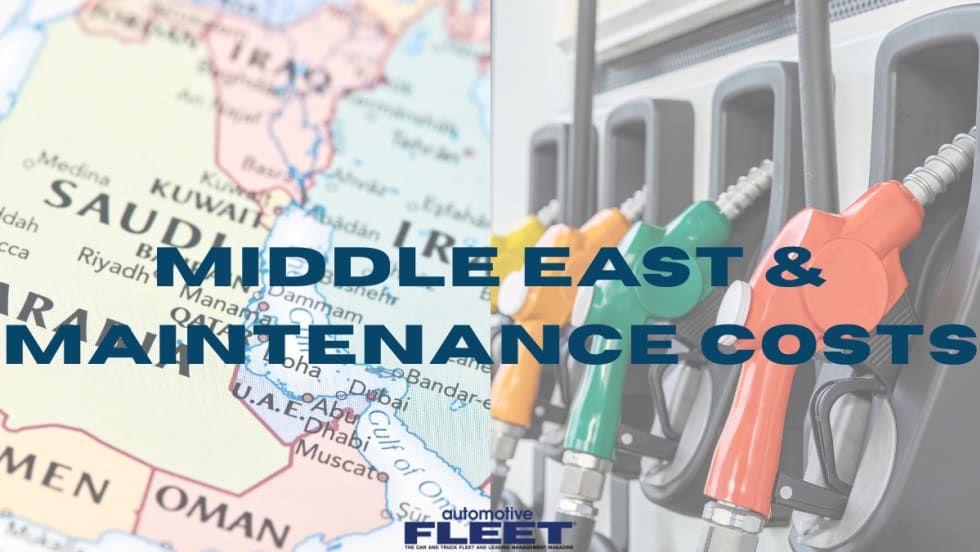
Fuel is Just the Start: How Middle East Tensions are Driving Up Fleet Maintenance Costs
The Middle East conflict is doing more than pushing up fuel prices. It’s also raising the cost of key maintenance products your fleet depends on, from motor oil to tires to windshield wipers. Here’s what you need to know about this budget-busting situation.
Read More →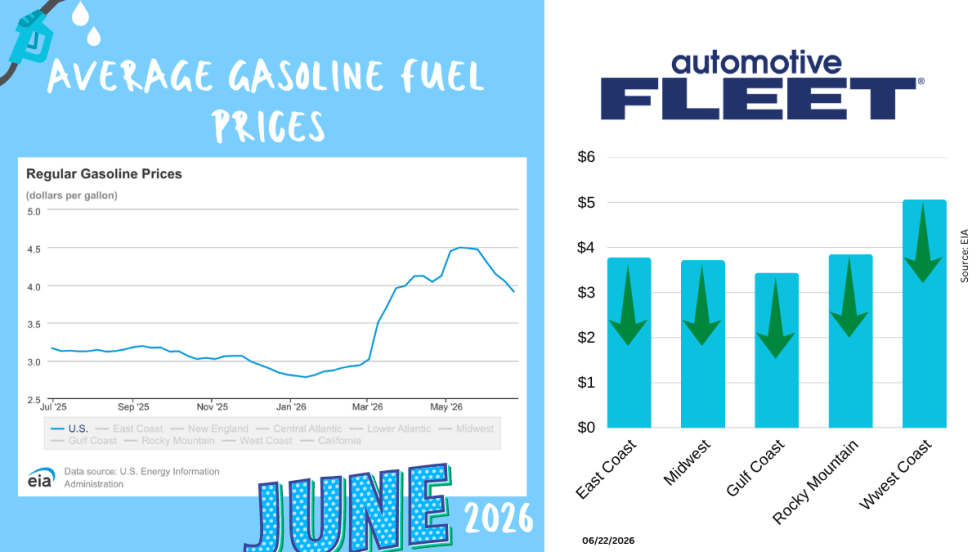
June Fuel Update: Prices Fall Below $4
Drivers are finally getting some relief at the pump. The national average gas price has dropped below $4 a gallon for the first time in months, with prices falling in 47 states as oil markets react to developments in U.S.-Iran negotiations.
Read More →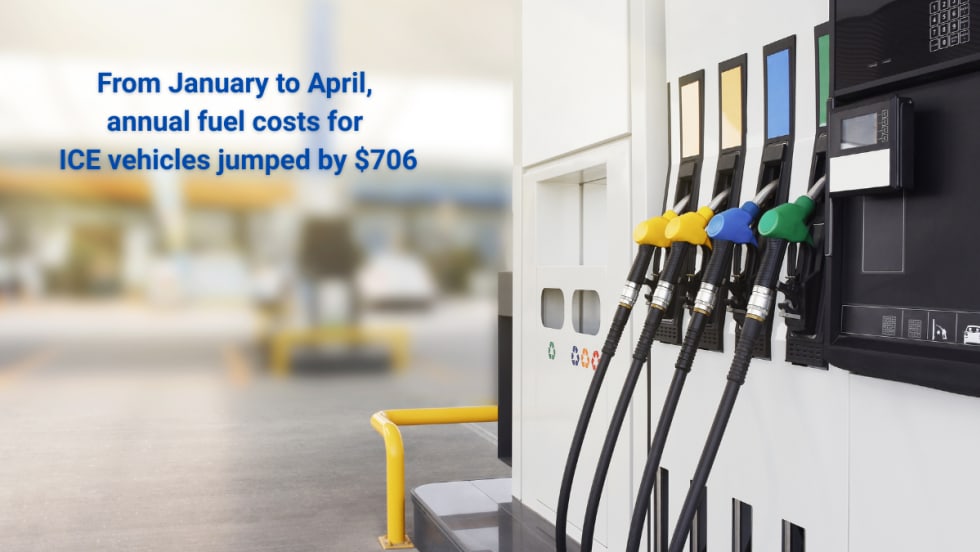
Study: How 2026's Gas Price Hikes Affect Different Vehicle Types
New data from iSeeCars reveals how rising fuel costs have affected different vehicle segments as gasoline prices climbed nearly 46% over the past four months.
Read More →
Are You Tracking Your Fleet's True Total Cost of Ownership?
Bobit Business Media surveyed 190 fleet professionals and found that while most fleets are tracking costs, fragmented systems and data gaps are keeping true TCO visibility out of reach. With rising pressure to control spend in an increasingly volatile environment, the gap between what fleets think they know and what the data actually shows is wider than you might expect. See how your peers are managing costs today and where the industry still has room to improve.
Read More →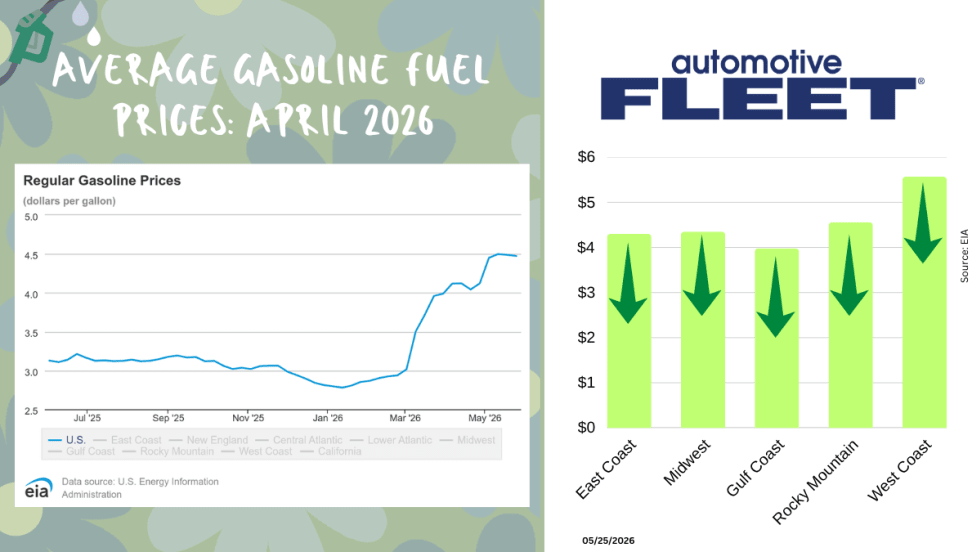
May Fuel Update: All Regions Experience Declines
Gas prices are finally easing in much of the country, but experts warn global tensions could quickly reverse the trend as the national average remains well above last month’s levels.
Read More →