




New Biodiesel Specifications Published by ASTM International
WEST CONSHOHOCKEN, PA – Higher costs at the pump, renewable energy, and alternate sources continue to headline today’s news, and a group of newly published ASTM International specifications sets the standard for one type of these fuels: biodiesel.
WEST CONSHOHOCKEN, PA – Higher costs at the pump, renewable energy, and alternate sources continue to headline today’s news, and a group of newly published ASTM International specifications sets the standard for one type of these fuels: biodiesel. Four standards now available from ASTM International provide quality assurance for biodiesel — a fuel used in freight trucks, buses, boats, ships, and more.
“The specifications define properties and controls critical to the viable use of biodiesel blends in the marketplace. These standards, when fully enforced, in conjunction with the Federal Trade Commission pump labeling requirements will provide engine manufacturers and their customers’ confidence that the fuels will perform as expected,” said Roger Gault, technical director for the Engine Manufacturers Association in Chicago, who participated in the standards’ development.
The new and revised ASTM biodiesel standards include the following:
· ASTM D975-08a, Specification for Diesel Fuel Oils — used for on- and off-road diesel applications; was revised to include requirements for up to five percent biodiesel.
· D396-08b, Specification for Fuel Oils — used for home heating and boiler applications; was revised to include requirements for up to five percent biodiesel.
· ASTM D7467-08, Specification for Diesel Fuel Oil, Biodiesel Blend (B-6 to 20) — a completely new specification that covers finished fuel blends of between six (B6) and 20 (B20) percent biodiesel for on- and off-road diesel engine use.
· ASTM D6751-08, Specification for Biodiesel Fuel Blend Stock (B-100) for Middle Distillate Fuels — used to control pure biodiesel (B-100) quality prior to blending with conventional diesel type fuels; was revised to include a requirement that controls minor compounds using a new cold soak filterability test.
The widely used ASTM International diesel specifications have been in existence for decades with only minor changes to their contents.
“ASTM D975 and ASTM D396 are the primary specifications in the U.S. for each of the products that they specify. D975 is the commercial diesel fuel specification,” said Steve Westbrook, a staff scientist at the Southwest Research Institute in San Antonio, Texas, and chair of Subcommittee D02.E0 on Burner, Diesel, Non-Aviation Gas Turbine, and Marine Fuels, the group in ASTM Committee D02 on Petroleum Products and Lubricants that oversees the standards.
“D396 is the commercial heating oil specification. Now we have actually been given allowance to put something in that historically has not been in diesel fuel and is not a diesel fuel, with really no significant change to the properties or their requirements.”
For more information about the biodiesel standards, the biodiesel Web portal and Committee D02, contact ASTM staff manager David Bradley at (610) 832-9681 or email him at dbradley@astm.org.
ASTM International standards can be purchased from ASTM Customer Service at (610) 832-9585; or email service@astm.org, or visit: www.astm.org.
More Green Fleet
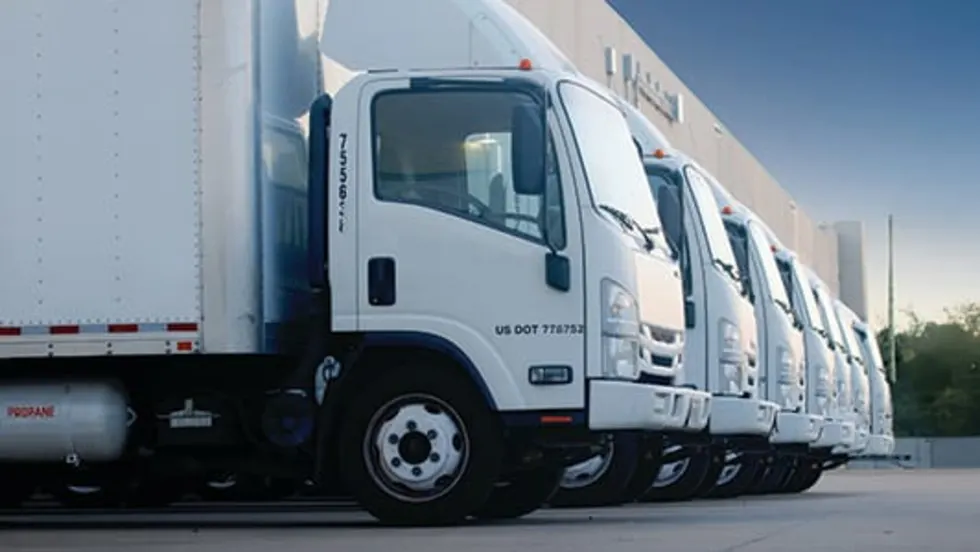
New Propane Autogas Program Offers Fleet Compensation
Qualified commercial fleets can receive $7,500 per eligible propane autogas vehicle and up to $10,000 for new refueling site prep. Learn how the program works and see whether your fleet qualifies.
Read More →
EV Charging Use Is Outpacing Infrastructure Growth
ChargePoint’s 2026 Charging Forward Report points to rising charger use, higher-powered charging, commercial vehicle electrification, and energy-management technology. Here’s what fleets should know.
Read More →
Merchants Fleet Reports 290M EV Miles as Fleets Navigate Changing Electrification Market
From millions in operating savings to hundreds of millions of EV miles, Merchants Fleet’s latest report reveals what’s working and what’s changing in fleet electrification.
Read More →

The EV Breakdown Nobody's Talking About: Why Most Electric Vehicle Roadside Calls Aren't Mechanical Failures
Here's why EV breakdowns are widely misunderstood.
Read More →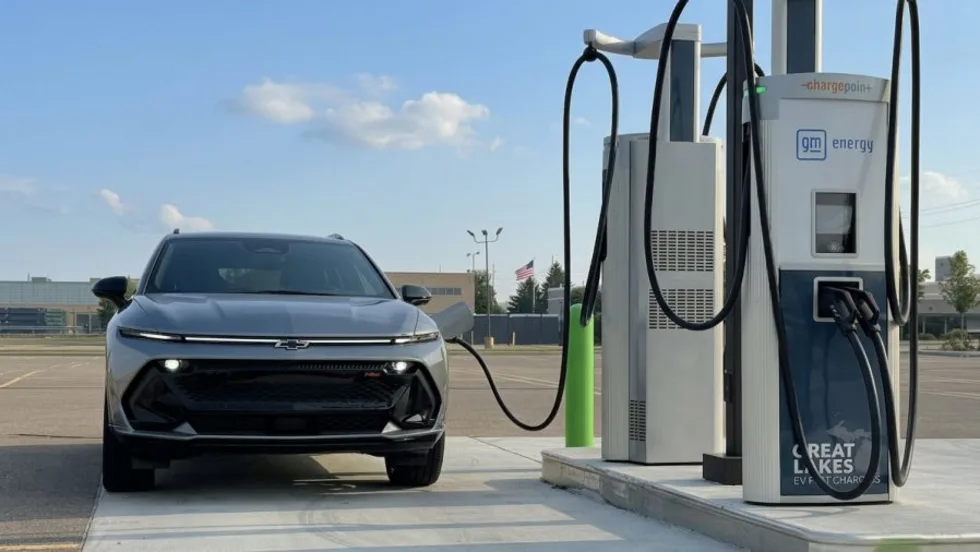
ChargePoint Now Available in Energy Pass
ChargePoint and additional planned charging network integrations were added to GM's Energy Pass.
Read More →

First Look: Slate Auto's Electric Fleet Pickup
Could an affordable, modular EV pickup make electrification more practical for fleets?
Read More →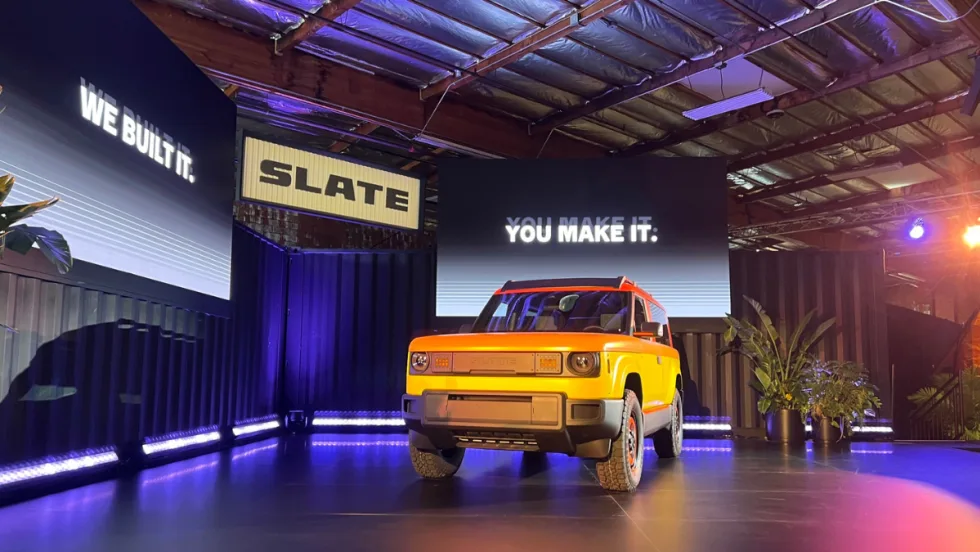
Slate Debuts Colorful, Unique EV Models
A recent media and client event, studded with electric vehicles dressed up on platforms, planted a new position for the manufacturer in the wider EV market. Fleets will find cost-saving advantages.
Read More →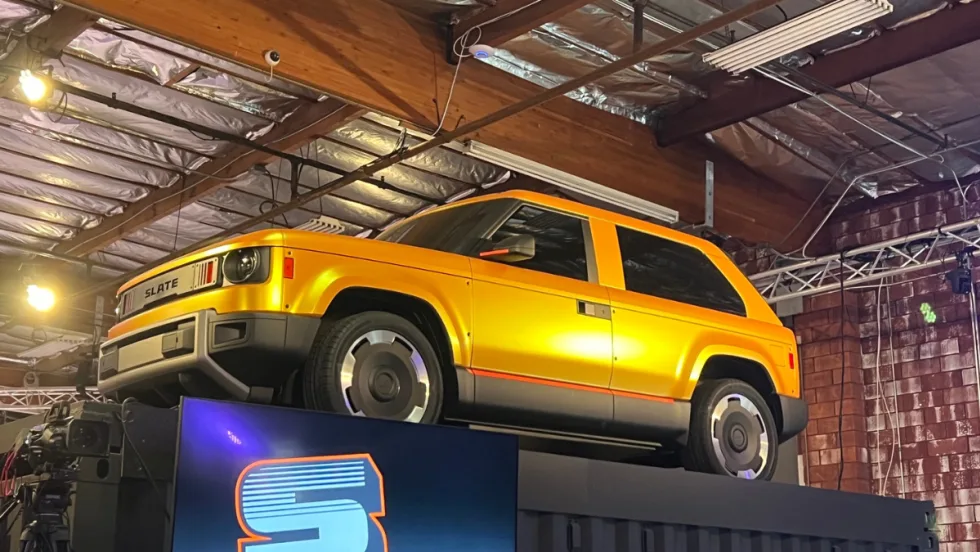
Slate Electric SUV, Pickup Switchable Model Aims For Light-Duty Fleets
Everything about this EV is counterintuitive and understated, making it stand out from the crowd.
Read More →
Inspiration Mobility Acquires Key Electrada Assets
Inspiration Mobility Group has acquired select assets of Electrada, adding the fleet electrification provider's team, technology, and charging infrastructure development capabilities to its energy management business.
Read More →