




Networkcar Releases Report on Boosting Fleet Fuel Efficiency and Curbing Emissions
SAN DIEGO --- Fleets can reduce harmful greenhouse emissions while lowering operating costs, according to a new paper by Networkcar, a leader in wireless fleet management.
SAN DIEGO --- Fleets can reduce harmful greenhouse emissions while lowering operating costs, according to a new paper by Networkcar, a leader in wireless fleet management.
The new paper, Go Green and Save Green, details the six areas that can significantly reduce fuel consumption and lower air pollution. The paper also provides examples of how small, medium and large fleets can decrease fuel usage from between 3,000 to 58,000 gallons per year while reducing carbon dioxide emissions from between 54,000 to 1.3 million pounds annually.
"Lowering vehicle emissions is closely tied to reducing fuel costs and improving operating efficiency. To have the most impact, fleets need to go beyond systems that only monitor GPS location to those that also monitor engine diagnostics," said Keith Schneider, president of Networkcar. "Wireless fleet management systems such as Networkfleet that connect directly to the vehicle's engine computer can provide information such as exact fuel consumption, mileage, speed and idle time for each vehicle. This information is essential to achieving a green fleet."
The paper identifies the six ways that wireless fleet management systems with diagnostic monitoring can reduce emissions and lower costs,
including:
1. Reduce idle time --- Excessive idling wastes fuel and increases vehicle emissions. Systems can be used to track and report idle time and compare miles per gallon across vehicles.
2. Improve vehicle maintenance --- Receiving instant notification of any engine problems and automatic odometer readings help fleets ensure that vehicles run smoothly and use less fuel.
3. Reduce speeding --- The ability to monitor actual speed provides fleet managers with the precise information needed to counsel drivers and reduce speeding, which causes unnecessary fuel consumption.
4. Reduce unauthorized vehicle usage --- Fleets can reduce unnecessary vehicle use by monitoring vehicle location and hours of operation.
5. Optimize routing --- By analyzing driving patterns and using historical location reports, fleets can choose routes that reduce miles and optimize driving schedules.
6. Continuous emissions monitoring --- Vehicles in compliance with EPA requirements use less fuel than those that are non-compliant. In California, fleets with wireless emissions monitoring can eliminate physical smog checks at smog checking facilities, saving time and money.
To read the full report, click here.
More Fuel

Turning Fleet Payment Data into Executive Insights
Ramel Lindsay of U.S. Bank Voyager discusses how fleets can transform payment and transaction data into actionable intelligence to reduce costs, improve oversight, and support executive decision-making.
Read More →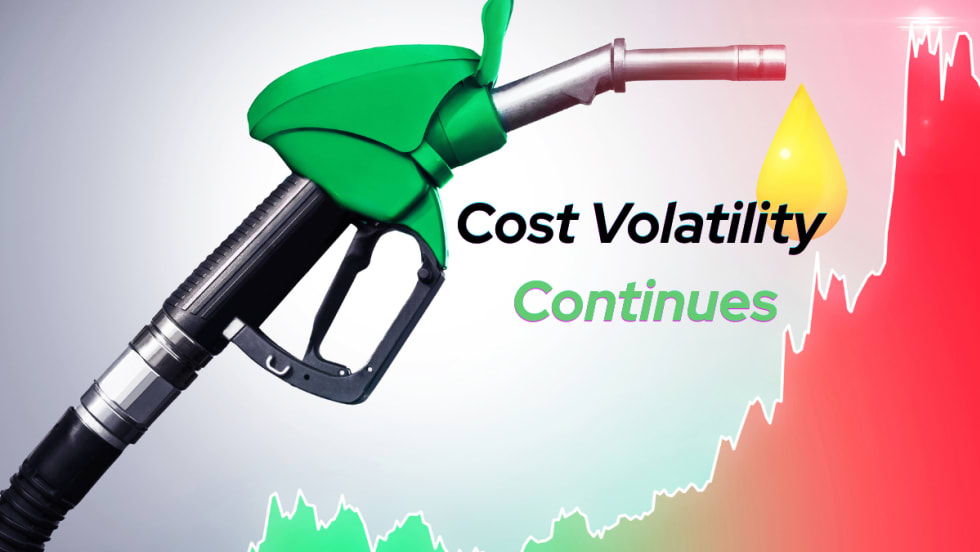
Why the IRS Raised Its Mileage Rate in the Middle of 2026
Fuel-price volatility drove the rare increase to 76 cents per mile, the fifth midyear adjustment since 2000.
Read More →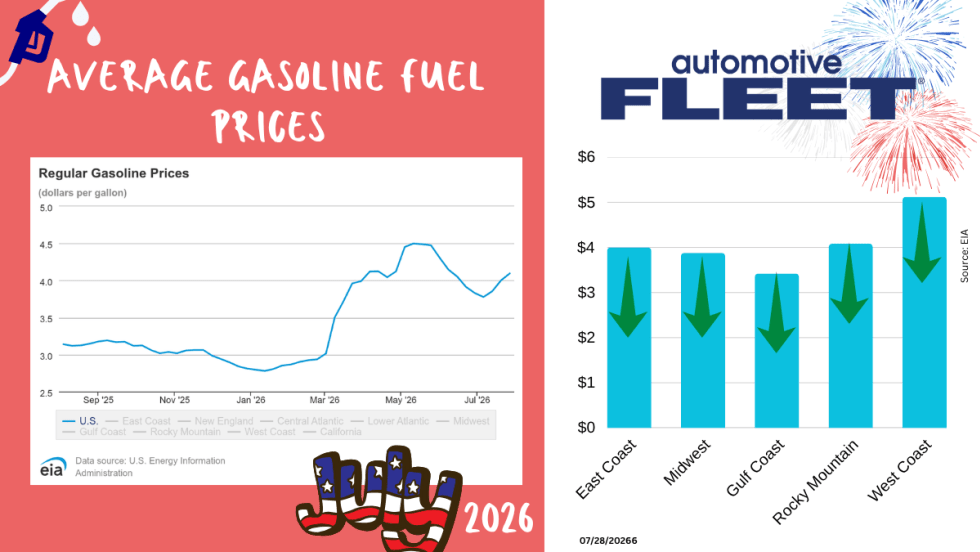
July Fuel Update: Prices Keep Rising in Light of More Conflict
Gas prices continue to rise as more and more conflicts do, too.
Read More →
Bob Adamsky on Fuel Volatility: "Don't Panic, Have a Plan."
When it comes to up and down fuel prices, Adamsky has a message for fleets: “Don’t panic.”
Read More →
How Fleets Can Gain Control of Non-Fuel Spend
Fuel often gets the spotlight, but non-fuel expenses can have a major impact on fleet costs. Ramel Lindsay of U.S. Bank Voyager discusses how fleets can gain better visibility and control over these often-overlooked expenditures.
Read More →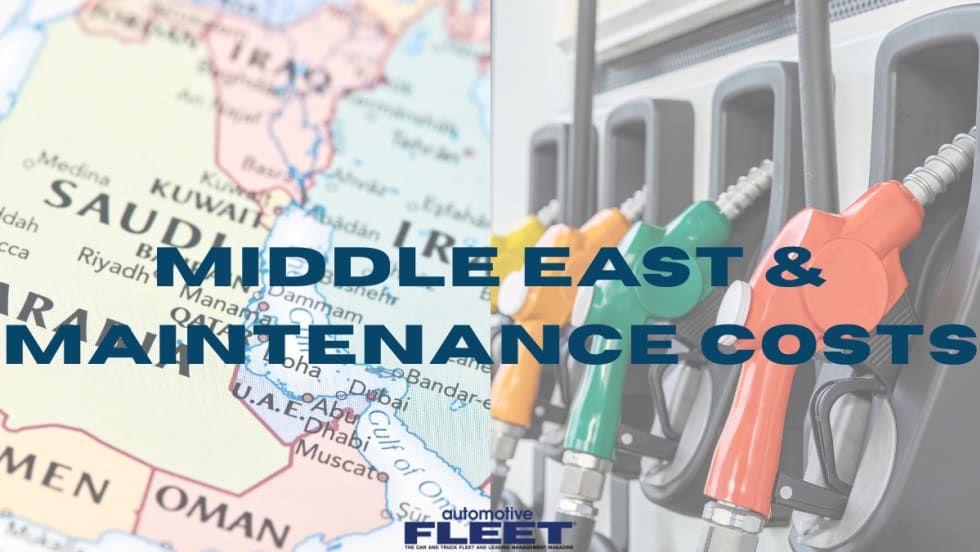
Fuel is Just the Start: How Middle East Tensions are Driving Up Fleet Maintenance Costs
The Middle East conflict is doing more than pushing up fuel prices. It’s also raising the cost of key maintenance products your fleet depends on, from motor oil to tires to windshield wipers. Here’s what you need to know about this budget-busting situation.
Read More →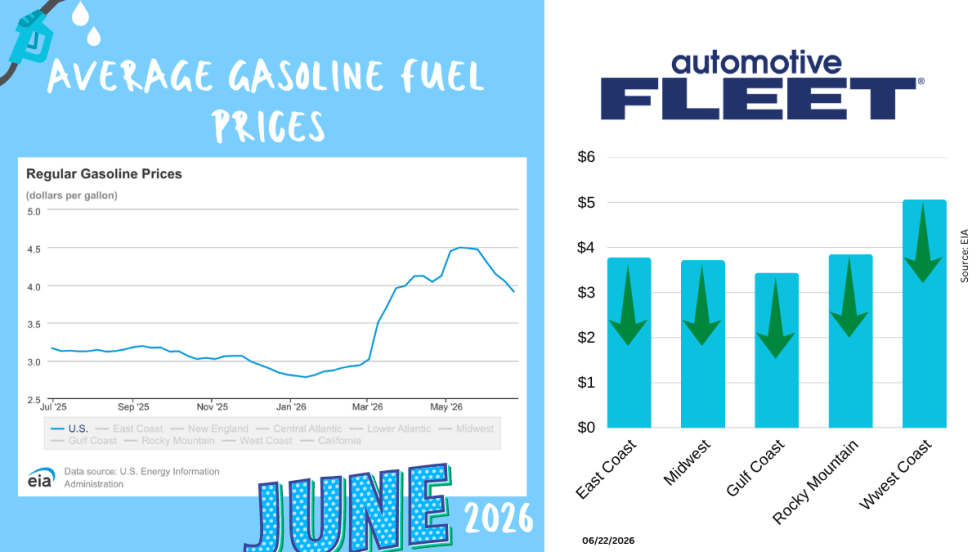
June Fuel Update: Prices Fall Below $4
Drivers are finally getting some relief at the pump. The national average gas price has dropped below $4 a gallon for the first time in months, with prices falling in 47 states as oil markets react to developments in U.S.-Iran negotiations.
Read More →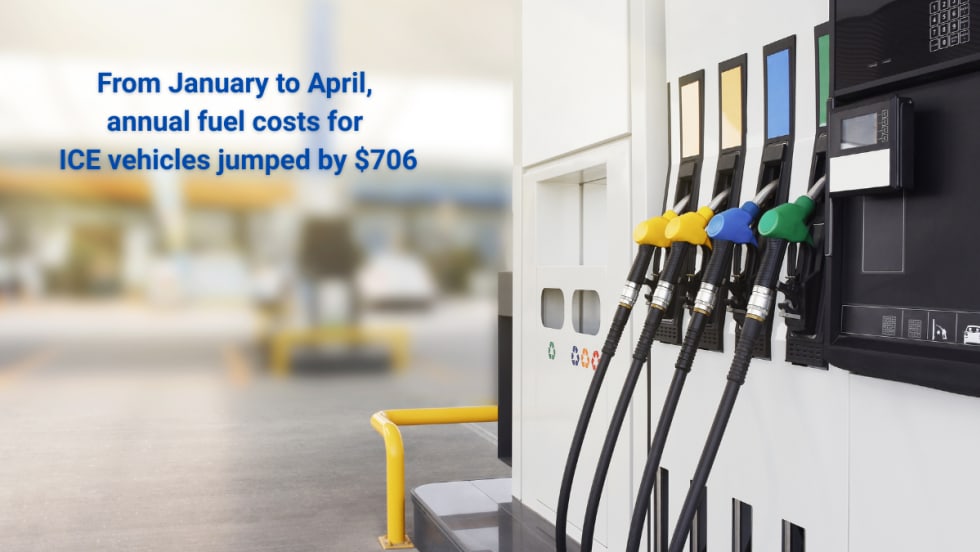
Study: How 2026's Gas Price Hikes Affect Different Vehicle Types
New data from iSeeCars reveals how rising fuel costs have affected different vehicle segments as gasoline prices climbed nearly 46% over the past four months.
Read More →
Are You Tracking Your Fleet's True Total Cost of Ownership?
Bobit Business Media surveyed 190 fleet professionals and found that while most fleets are tracking costs, fragmented systems and data gaps are keeping true TCO visibility out of reach. With rising pressure to control spend in an increasingly volatile environment, the gap between what fleets think they know and what the data actually shows is wider than you might expect. See how your peers are managing costs today and where the industry still has room to improve.
Read More →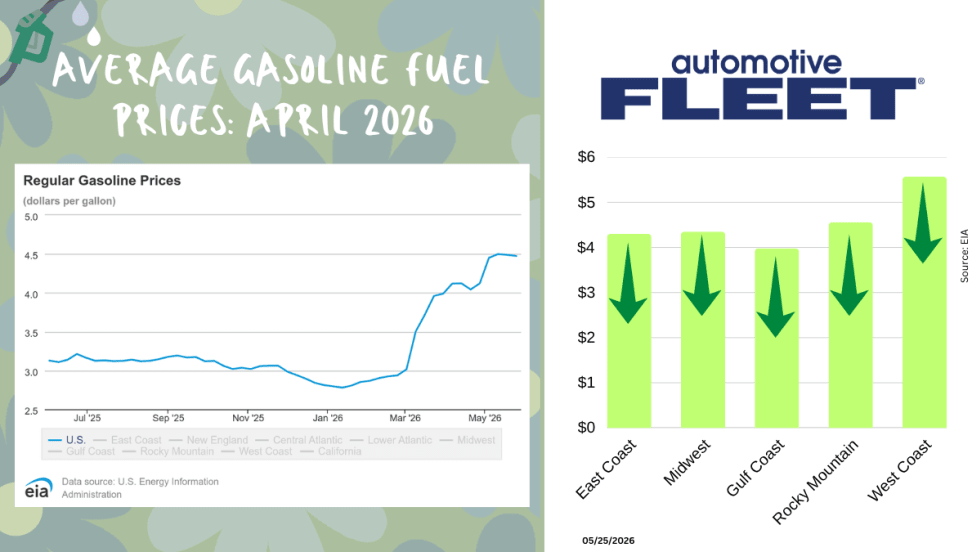
May Fuel Update: All Regions Experience Declines
Gas prices are finally easing in much of the country, but experts warn global tensions could quickly reverse the trend as the national average remains well above last month’s levels.
Read More →