




NBB Releases Study on Critical Importance of Biodiesel Tax Credit
WASHINGTON - The National Biodiesel Board (NBB) released a study conducted which examined the economic impact of the biodiesel industry and the negative consequences of allowing the credit to lapse. The biodiesel tax incentive is currently set to expire on December 31, 2009.
WASHINGTON - The National Biodiesel Board (NBB) released a study conducted by renowned economic analyst, John M. Urbanchuk. The study examined the economic impact of the biodiesel industry and the negative consequences of allowing the credit to lapse. The biodiesel tax incentive is currently set to expire on December 31, 2009.
"Since it was enacted in 2004, the biodiesel tax incentive has allowed the nation to reap the economic, energy security and environmental benefits associated with commercial scale production and use of biodiesel," stated Manning Feraci, Vice President of Federal Affairs for the NBB. "Allowing the credit to lapse will compound the already daunting challenges facing the industry and will cost the nation another 23,000 jobs in addition to the 29,000 jobs that were shed in 2009."
The biodiesel tax incentive is designed in a manner that makes biodiesel price competitive with diesel fuel in the marketplace. The incentive is structured so that the value of the incentive is reflected in the market price of the fuel. Urbanchuk's analysis concludes that without the biodiesel tax incentive, there will be: a loss of jobs and income; increased demand for petroleum diesel; a degradation of energy security; decreased demand for soybean oil and lower soybean prices leading to a negative impact on farm income; and stranded investment as biodiesel capacity is idled and lost tax revenue for States and local governments.
"Biodiesel production is consistent with an energy policy that values the creation of green jobs and the displacement of petroleum with domestically produced, low carbon fuel. Action by Congress to extend the incentive before the end of the year is absolutely necessary if we as a nation are to continue realizing the benefits of domestic biodiesel production," concluded Feraci.
To read the full report by John J. Urbanchuk, click HERE.
More Green Fleet
EV Charging Use Is Outpacing Infrastructure Growth
ChargePoint’s 2026 Charging Forward Report points to rising charger use, higher-powered charging, commercial vehicle electrification, and energy-management technology. Here’s what fleets should know.
Read More →
Merchants Fleet Reports 290M EV Miles as Fleets Navigate Changing Electrification Market
From millions in operating savings to hundreds of millions of EV miles, Merchants Fleet’s latest report reveals what’s working and what’s changing in fleet electrification.
Read More →
The EV Breakdown Nobody's Talking About: Why Most Electric Vehicle Roadside Calls Aren't Mechanical Failures
Here's why EV breakdowns are widely misunderstood.
Read More →
ChargePoint Now Available in Energy Pass
ChargePoint and additional planned charging network integrations were added to GM's Energy Pass.
Read More →

First Look: Slate Auto's Electric Fleet Pickup
Could an affordable, modular EV pickup make electrification more practical for fleets?
Read More →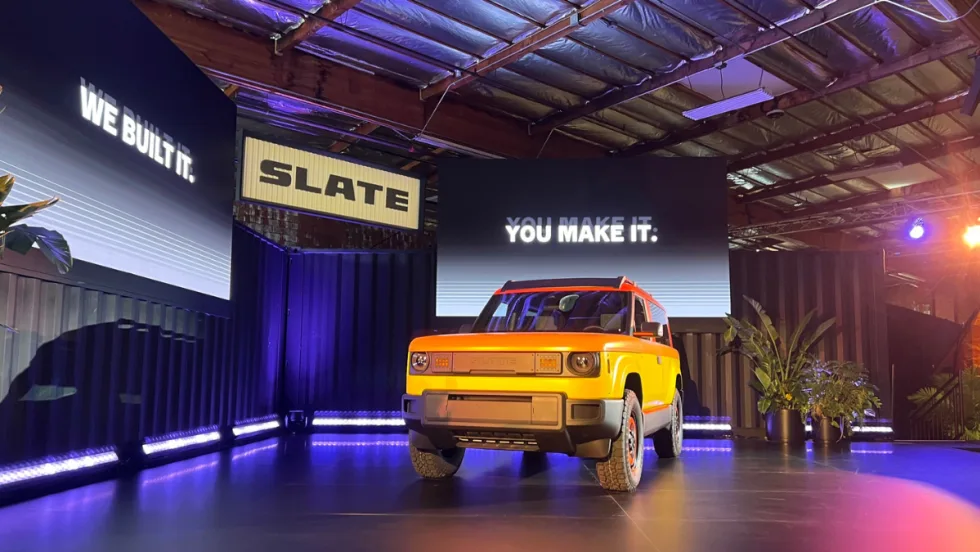
Slate Debuts Colorful, Unique EV Models
A recent media and client event, studded with electric vehicles dressed up on platforms, planted a new position for the manufacturer in the wider EV market. Fleets will find cost-saving advantages.
Read More →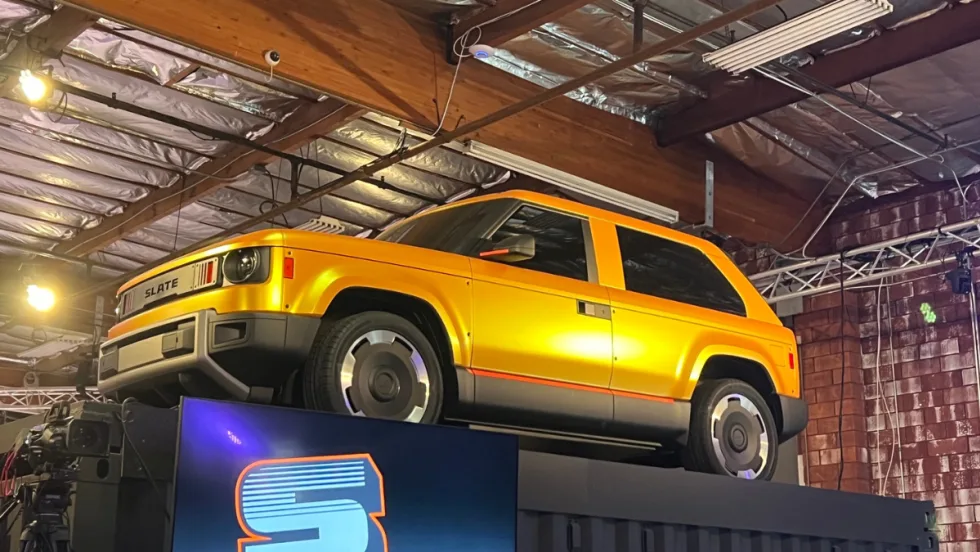
Slate Electric SUV, Pickup Switchable Model Aims For Light-Duty Fleets
Everything about this EV is counterintuitive and understated, making it stand out from the crowd.
Read More →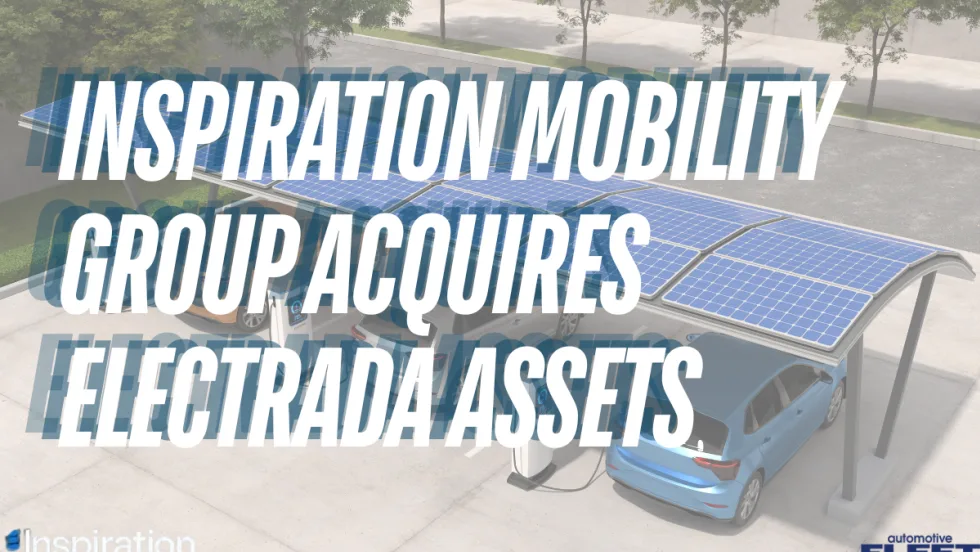
Inspiration Mobility Acquires Key Electrada Assets
Inspiration Mobility Group has acquired select assets of Electrada, adding the fleet electrification provider's team, technology, and charging infrastructure development capabilities to its energy management business.
Read More →
Why America’s Most Popular Vehicle is So Hard to Electrify
Turning America’s favorite workhorse electric means balancing range, payload, charging infrastructure, and price, an equation automakers are still trying to solve.
Read More →