




NAVTEQ Celebrates 25 Years at the Forefront of the Industry
CHICAGO - The company began operations in 1985, and today holds over 400 patents and supplies data to over 1700 customers worldwide.
CHICAGO - NAVTEQ, the leading global provider of maps, traffic and location data enabling navigation, location-based services and mobile advertising around the world, is celebrating 25 years at the forefront of the development of digital maps and location content. The company began operations in 1985, and today holds over 400 patents and supplies data to over 1700 customers worldwide.
NAVTEQ is recognized as a leader who anticipated and brought to market products which have shaped the industry. The company invested in the development of a fully navigable digital map database envisioned for in-car navigation years in advance of available systems to utilize the data. NAVTEQ helped advance the emergence of location-based services, including enabling Internet-based map portals and pioneering the NAVTEQ Global LBS Challenge® to support developers in their efforts to build location-enabled applications. And NAVTEQ is acknowledged as a driving force in the development of the data technologies needed to support vehicle Advanced Driver Assistance Systems (ADAS).
The company has also played a key role in a multitude of other "firsts:"
Map data provider for the first in-car GPS navigation system
The first digital map with coverage on all 6 continents, as well as the first coverage in South Africa and the Middle East (United Arab Emirates)
The first company to offer a means for community map feedback (today known as NAVTEQ Map ReporterTM)
The first data provider in North America to deliver real-time traffic linked to the map in an in-car navigation system
NAVTEQ has built its reputation on not only the quality of its data, but also the support the company provides to its customers. Today, operations span 211 offices in 48 countries. And NAVTEQ continues to innovate, from new collection technologies like NAVTEQ TrueTM to new ways to do business, like the introduction of advertising-supported services through NAVTEQ LocationPointTM Advertising. NAVTEQ is proud to provide the broadest range of location content to support consumer and business applications.
"This is truly an important milestone for NAVTEQ, and one we are happy to share with both our employees and our customers," stated Larry Kaplan, president and CEO of NAVTEQ. "As we look to the future, location content can only continue to grow as a driving force behind new industries and new consumer experiences, and we plan to remain on our path of revolutionizing what is possible."
In honor of this anniversary, NAVTEQ has made a $25,000 donation to UNICEF in support of the world's children.
About NAVTEQ
NAVTEQ is the leading global provider of maps, traffic and location data (digital location content) enabling navigation, location-based services and mobile advertising around the world. NAVTEQ was founded in 1985 and now supplies comprehensive digital location content to power automotive navigation systems, portable and wireless devices, Internet-based mapping applications and government and business solutions. The Chicago-based company is celebrating its 25th anniversary in 2010, proudly supported by approximately 5,000 employees located in 211 offices in 48 countries.
NAVTEQ, NAVTEQ True, Global LBS Challenge, NAVTEQ LocationPoint, and Map Reporter are trademarks in the U.S. and other countries. All rights reserved.
More Telematics
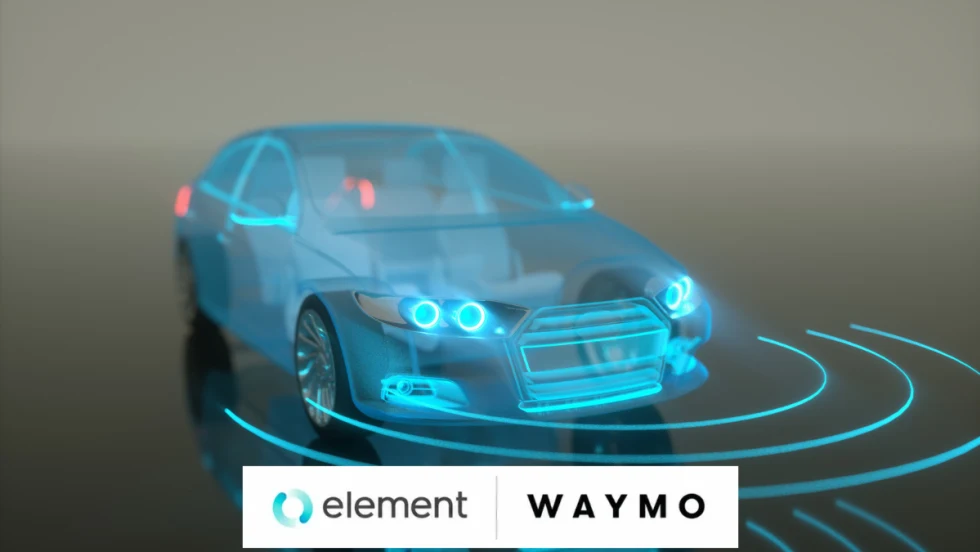
Element Expands Waymo Partnership to Support Toronto Robotaxi Fleet
As Waymo prepares to enter the Canadian market, Element Fleet Management will oversee the fleet operations supporting its planned Toronto launch. The partnership highlights the maintenance, charging, and infrastructure requirements behind operating autonomous vehicles at scale.
Read More →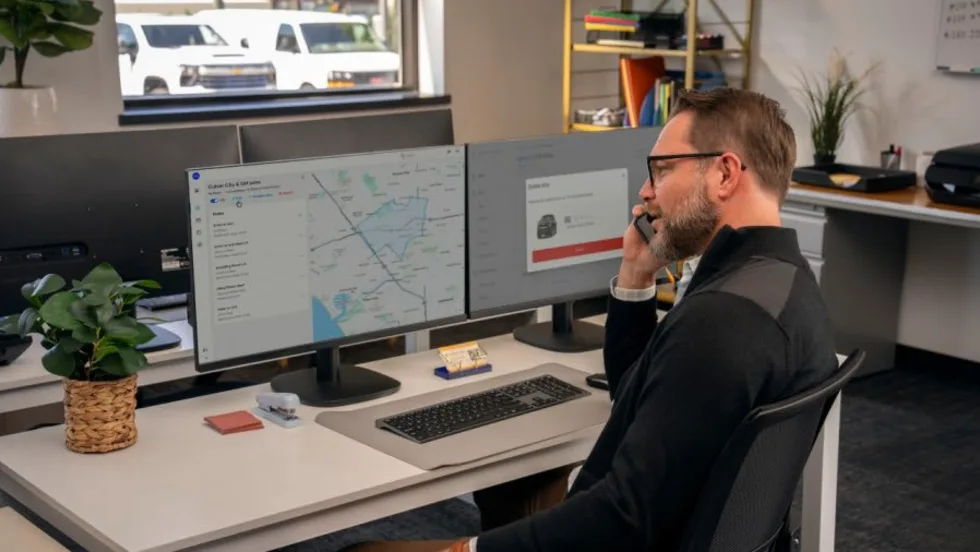
GM Launches OnStar Fleet Intelligence Platform With AI Assistant
The new platform brings vehicle data, order tracking, connected services and fleet analytics into one system, with an AI assistant that can answer fleet questions using natural-language prompts.
Read More →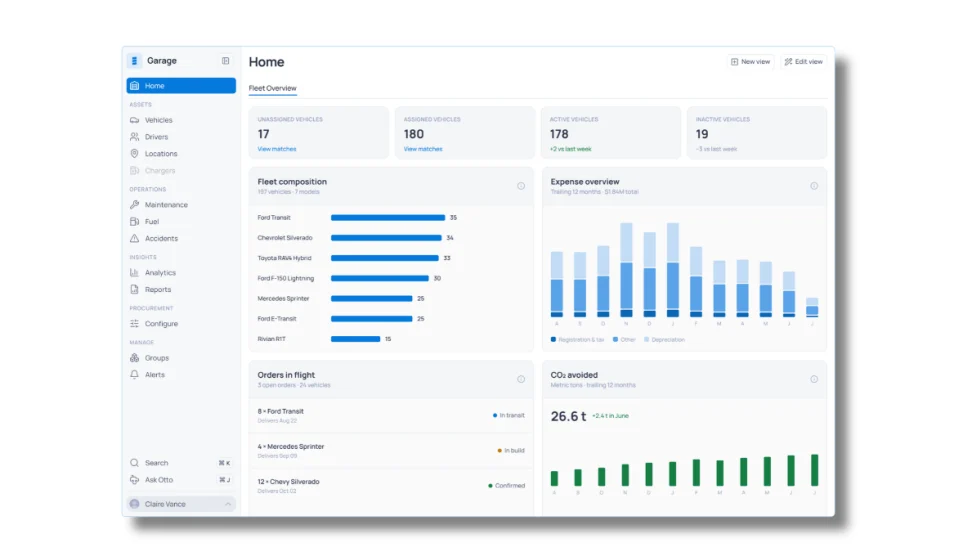
Inspiration Fleet Introduces Garage 2.0 Fleet Intelligence Platform
Fleet managers increasingly have access to data from vehicles, telematics, fuel, charging, and other systems, but those sources don't always communicate with one another. Inspiration Fleet's Garage 2.0 platform brings that information together while letting fleets keep working with different technology and service providers.
Read More →
Inside Inspiration Fleet’s New Platform for Connecting Fleet Data
Inspiration Fleet CTO Chris Getner explains how the new Garage 2.0 platform is designed to connect disparate fleet data and what that could mean for fleet managers in practice.
Read More →
Fleet Manager’s Ultimate Playbook: Navigating the New Standard in OEM Connectivity
Rising operating costs, driver safety concerns, and unplanned downtime are putting unprecedented pressure on modern fleets. Discover how fleet managers use embedded OEM connectivity and real-time vehicle data to cut TCO, prevent downtime, and protect drivers without aftermarket telematics hardware.
Read More →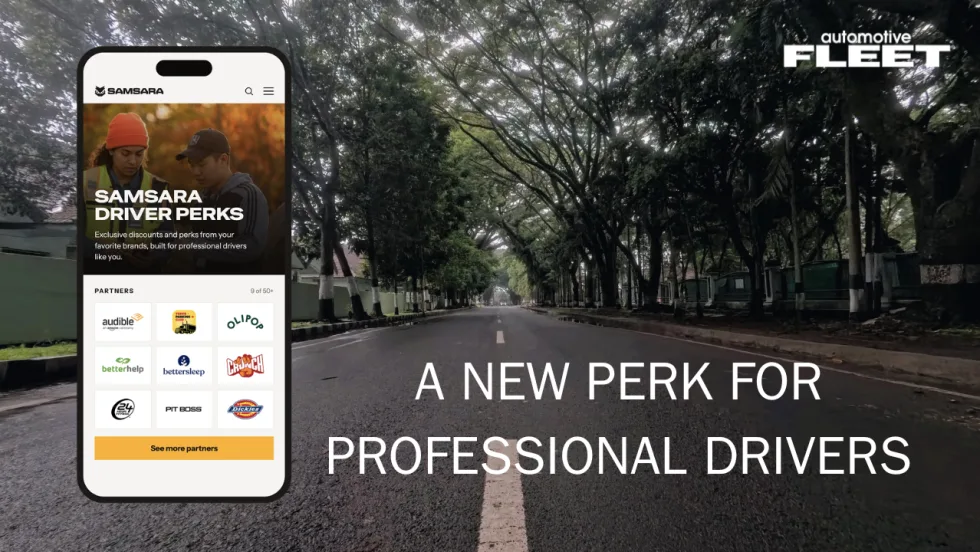
Samsara Driver Perks Adds New Benefit for Corporate Fleet Drivers
The rewards program gives eligible professional drivers access to discounts from more than 50 brands while giving fleets another way to support recruitment, retention, and the driver experience.
Read More →
Inside the Church of Jesus Christ of Latter-day Saints’ Two-Track Telematics Strategy
With 20,000 vehicles and two fundamentally different driver populations, the Church faced a fleet management problem that a single telematics program couldn't solve. How it responded offers a replicable framework for any fleet where one size doesn't fit every driver.
Read More →
How Conversational AI Can Make Fleet Tasks Easier for Drivers
While most generative AI tools help fleet managers interpret data at their desks, Connex2X is applying voice interaction to tasks behind the wheel.
Read More →
Why Fleets Are Creating Dedicated Fleet Analyst Positions
Are fleet analyst positions the new norm? Listen here to find out.
Read More →
Teletrac Navman Begins Next Chapter as Standalone Private Company
What's new with Teletrac Navman and its new owner?
Read More →