




Mullen Automotive Hits Milestones: Solid-State Integration and Class 3 Deliveries
Mullen Automotive's three latest achievements in EV production and deliver for January.

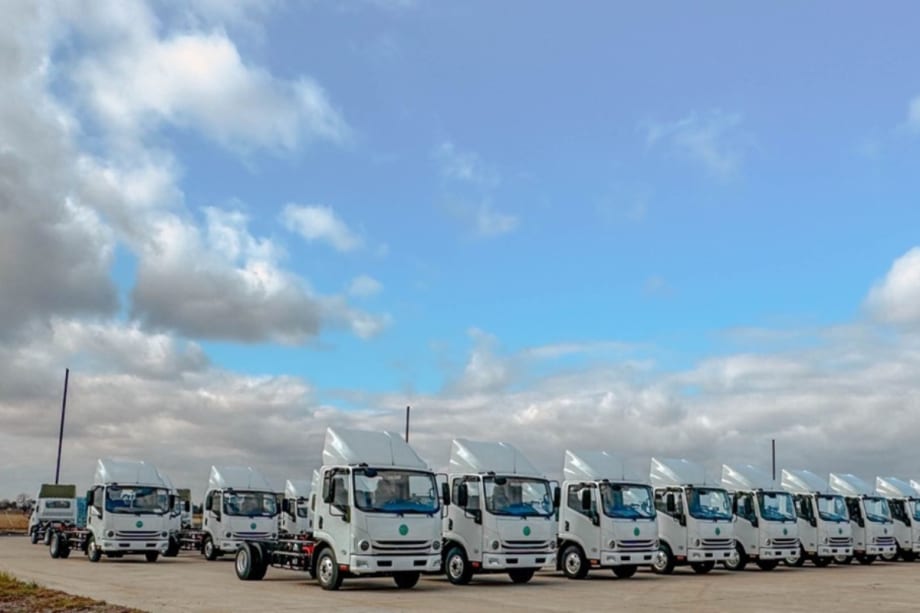
The Mullen ONE received a certificate of conformity from the Environmental Protection Agency.
Photo: Mullen
Mullen Automotive has reached several noteworthy milestones in its production and delivery initiatives.
These accomplishments signify the company's dedication to new fleet technology and growing influence in EV manufacturing.
Mullen ONE Is Carb-Certified
Mullen Automotive’s Mullen ONE has been officially certified as a zero-emission vehicle in the state of California by the California Air Resources Board ("CARB").
This certification is granted to vehicle manufacturers that meet specific emissions standards in accordance with CARB regulations. Currently, a total of 15 states and the District of Columbia adhere to CARB regulations.
The Mullen ONE received a certificate of conformity from the Environmental Protection Agency (EPA), allowing sales in the majority of U.S. states.
Notably, California, along with 14 other states and the District of Columbia, has adopted vehicle standards under Section 177 of the Clean Air Act (42 U.S.C. §7507), necessitating additional approvals beyond EPA regulations. With certifications from both CARB and the EPA in hand, Mullen is now authorized to sell the Mullen ONE in every state across the U.S.
Moreover, this CARB certification makes the Mullen ONE eligible for essential state EV incentive programs. The significance of this certification is heightened by CARB's recent implementation of the Advanced Clean Truck regulation, mandating that all local delivery and government fleets must be zero emissions by 2036.
As a result, the Mullen ONE becomes eligible for cash incentive programs, the specifics of which vary in each CARB-compliant state.
Mullen Delivers an Additional Class 1 EV Cargo Vans
Mullen Automotive will deliver and invoice Class 1 EV cargo vans to Randy Marion Automotive Group.
Randy Marion has committed to acquiring 1,000 Class 3 vehicles, representing a substantial investment of $63 million, with most of these vehicles slated for delivery in the calendar year 2024.
The Tunica, Mississippi facility is set to produce 150 Class 3 vehicles in 2023, and the overall production capacity for Class 3 is targeted at 3,000 vehicles annually per shift.
Integration Of Solid-State Polymer Cells
Mullen announced the successful integration of solid-state polymer cells into the pack for the Mullen ONE Class 1 EV cargo vans.
With the pack development completed, the company is gearing up for solid-state Battery Management System and pack-level testing, scheduled to commence on December 28, 2023.
This advancement ensures that the Company stays on track to initiate on-vehicle road testing of the solid-state polymer packs in the Class 1 EV cargo van during Q1 2024.
Using solid-state polymer cells brings about heightened safety and efficiency without compromising payload capacity.
Key features of the Mullen ONE equipped with a solid-state polymer battery pack include:
Estimated range of 190 miles.
72-kilowatt solid-state polymer battery pack.
Gross Vehicle Weight Rating (GVWR) of 4,881 lbs.
Maximum payload capacity of 1,603 lbs.
Cargo volume of 157 cubic feet.
Turning radius of 20 feet.
More Green Fleet
New Propane Autogas Program Offers Fleet Compensation
Qualified commercial fleets can receive $7,500 per eligible propane autogas vehicle and up to $10,000 for new refueling site prep. Learn how the program works and see whether your fleet qualifies.
Read More →
EV Charging Use Is Outpacing Infrastructure Growth
ChargePoint’s 2026 Charging Forward Report points to rising charger use, higher-powered charging, commercial vehicle electrification, and energy-management technology. Here’s what fleets should know.
Read More →
Merchants Fleet Reports 290M EV Miles as Fleets Navigate Changing Electrification Market
From millions in operating savings to hundreds of millions of EV miles, Merchants Fleet’s latest report reveals what’s working and what’s changing in fleet electrification.
Read More →
The EV Breakdown Nobody's Talking About: Why Most Electric Vehicle Roadside Calls Aren't Mechanical Failures
Here's why EV breakdowns are widely misunderstood.
Read More →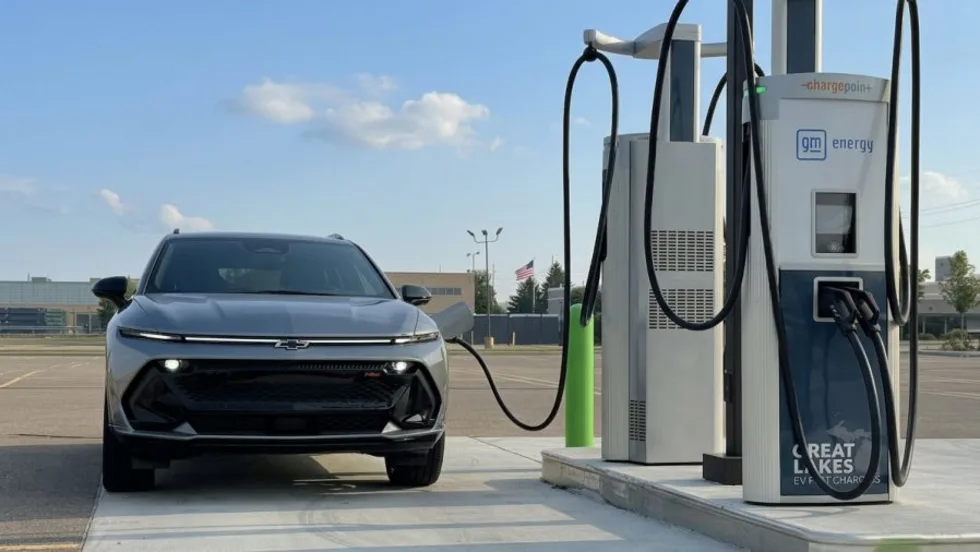
ChargePoint Now Available in Energy Pass
ChargePoint and additional planned charging network integrations were added to GM's Energy Pass.
Read More →
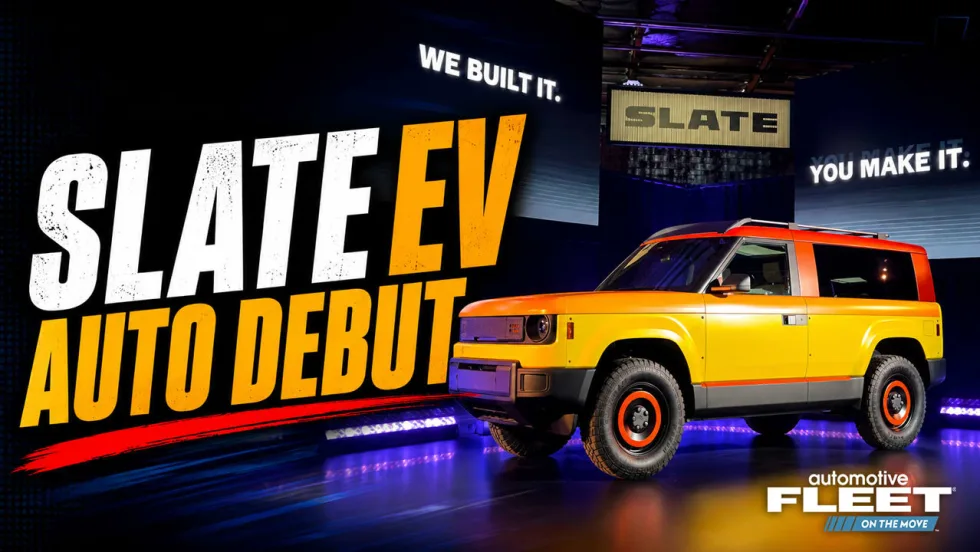
First Look: Slate Auto's Electric Fleet Pickup
Could an affordable, modular EV pickup make electrification more practical for fleets?
Read More →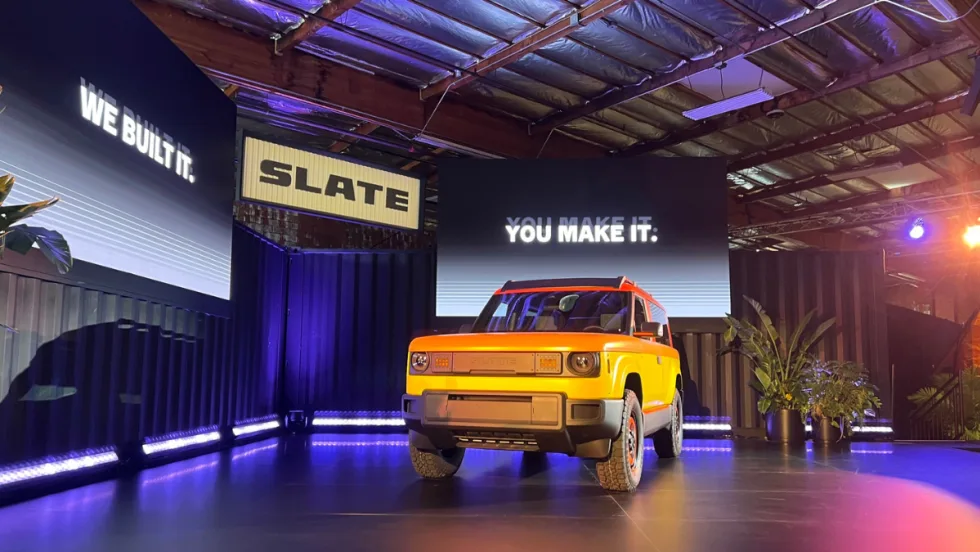
Slate Debuts Colorful, Unique EV Models
A recent media and client event, studded with electric vehicles dressed up on platforms, planted a new position for the manufacturer in the wider EV market. Fleets will find cost-saving advantages.
Read More →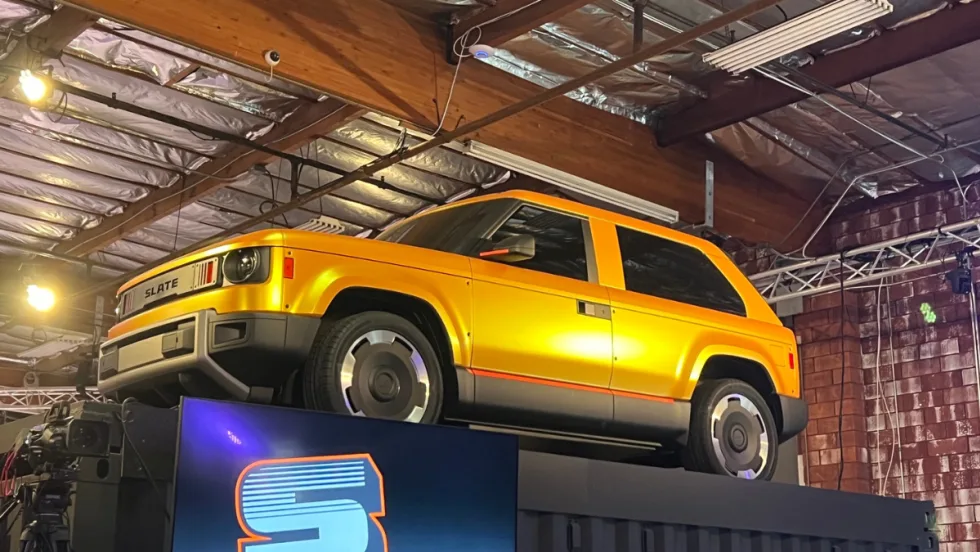
Slate Electric SUV, Pickup Switchable Model Aims For Light-Duty Fleets
Everything about this EV is counterintuitive and understated, making it stand out from the crowd.
Read More →
Inspiration Mobility Acquires Key Electrada Assets
Inspiration Mobility Group has acquired select assets of Electrada, adding the fleet electrification provider's team, technology, and charging infrastructure development capabilities to its energy management business.
Read More →