




CARB, Truck Makers to Advance Development of ZEVs
Clean Truck partnership members responded to the "unprecedented." emissions agreement with the California Air Resources Board with overwhelming support.

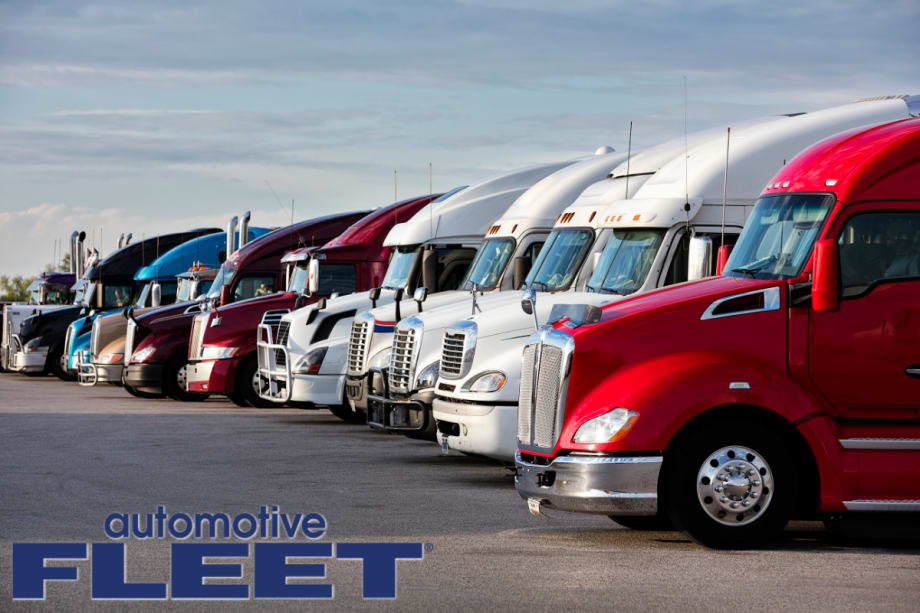
CARB has agreed to work collaboratively with manufacturers to provide reasonable lead time to meet CARB’s requirements and before imposing new regulations and to support the development of necessary ZEV infrastructure.
Photo: Canva
The California Air Resources Board announced a Clean Truck Partnership with the nation’s leading truck manufacturers and the Truck and Engine Manufacturers Association that advances the development of zero-emission vehicles (ZEVs) for the commercial trucking industry.
This includes flexibility for manufacturers to meet emissions requirements while still reaching the state’s climate and emission reduction goals.
The agreement is a “commitment from the companies to meet California’s vehicle standards that will require the sale and adoption of zero-emissions technology in the state, regardless of whether any other entity challenges California’s authority to set more stringent emissions standards under the federal Clean Air Act," CARB said in a news release. "In turn, CARB has agreed to work collaboratively with manufacturers to provide reasonable lead time to meet CARB’s requirements and before imposing new regulations and to support the development of necessary ZEV infrastructure.”
The Clean Truck Partnership includes:
CARB
Truck and Engine Manufacturers Association
Daimler Truck North America
General Motors
Hino Motors
Isuzu Technical Center of America
Navistar
Paccar
Stellantis
Volvo Group North America
What are the Terms of the Clean Truck Partnership?
CARB will align with EPA’s 2027 regulations for nitrogen oxide emissions. CARB also will modify elements of the 2024 NOx emission regulations for which manufacturers will provide offsets as necessary to maintain California’s emission targets.
CARB commits to providing no less than four years lead time and at least three years of regulatory stability before imposing new requirements.
Truck manufacturers commit to meeting CARB’s zero-emission and criteria pollutant regulations in the state regardless of any attempts by other entities to challenge California’s authority.
The Clean Truck Partnership comes as California prepares for implementation of its landmark rules that put in place a phased-in transition toward 100% sale and use of zero-emissions technology for medium- and-heavy duty vehicles under CARB’s Advanced Clean Trucks and Advanced Clean Fleets rule by 2045.
In March, the Biden administration approved California’s waiver under the federal Clean Air Act that allows the state to become the first in the world to require zero-emissions technology for trucks.
CARB chair Liane Randolph called the deal "unprecedented."
It represents "a new era in our zero-emission future, where we work together to address the needs of both the trucking industry and the Californians who deserve to breathe clean air,” Randolph said. “This agreement makes it clear that we have shared goals to tackle pollution and climate change and to ensure the success of the truck owners and operators who provide critical services to California’s economy.”
What Clean Truck Partership Members Had to Say
Cummins
“Cummins continues to be committed to working collaboratively with CARB toward a zero emissions future. We appreciate CARB’s commitment to providing flexibilities as we transition to zero emissions, and for their efforts to align with EPA’s 2027 standards. We also welcome CARB’s commitment to collaborate in the further development of ZEV infrastructure needed for our customers to adopt these technologies. These actions will enable Cummins to improve product availability for our customers, while delivering significant emissions reductions,” said Shelley A. Knust, vice president of product compliance and regulatory affairs for Cummins Inc.
Daimler Truck
“At Daimler Truck we continue working towards achieving our goal of offering only carbon-neutral vehicles by 2039. For the overall industry transformation to become a reality, we believe the key to success is a close collaboration with all our stakeholders,” said Sean Waters, vice president of product compliance and regulatory affairs for Daimler Truck.
Ford
“Ford remains committed to working collaboratively with the California Air Resources Board and the Truck and Engine Manufacturers Association. During this extraordinary period of transition in the automotive industry, automakers need harmonization between programs to help meet our shared goal of lowering emissions from transportation to improve air quality, human health and the environment. This alignment between California and the Environmental Protection Agency’s national standards for model year 2027 and beyond will help us get more clean trucks on the road across the country,” said Cynthia Williams, global director sustainability, homologation and compliance at Ford Motor Company.
Navistar
“Navistar is committed to offering our customers products and services which support a sustainable future. This agreement enables the regulatory certainty we all need to prepare for a future which will include ever increasing volumes of low and zero-emissions technologies,” said Michael Noonan, director product certification and compliance for Navistar.
Paccar
“Paccar is committed to supporting the environmental goals of California and the nation as a whole and welcome the harmonization of future emissions regulation. This agreement provides regulatory certainty and supports a balanced transition to zero emissions by ensuring continued supply of product into California and opt-in states,” said John Rich, chief technology officer for Paccar.
Volvo Group
“The Volvo Group is pleased to support this joint agreement between the California Air Resources Board and the Truck and Engine Manufacturers Association. We believe this lays the foundation for our customers to have the greatest possible product availability consistent with California’s climate change and air quality goals. Through cooperative efforts such as this, the Volvo Group believes we can achieve the quickest and least disruptive transition to a commercial zero-emission vehicle future,” said Dawn Fenton, vice president, government relations and public affairs for Volvo Group North America.
More Green Fleet
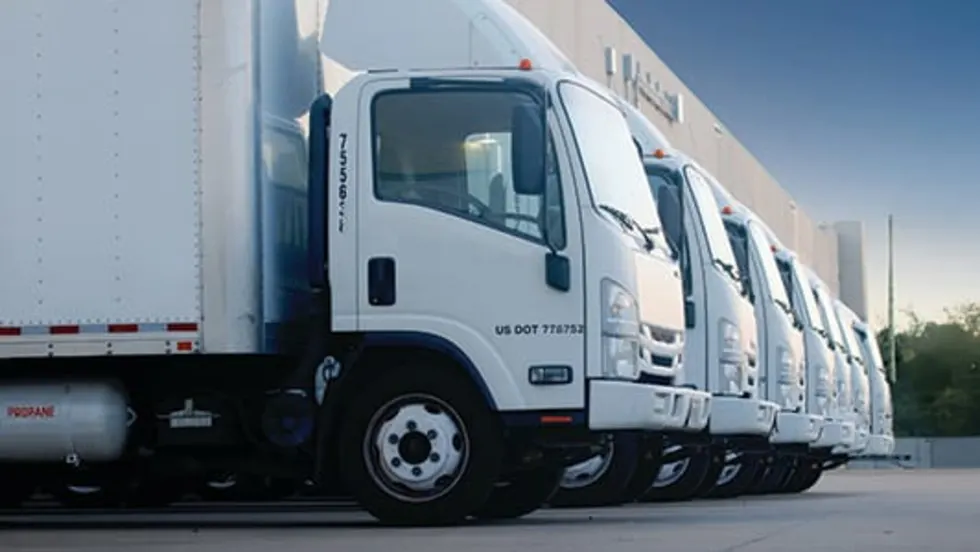
New Propane Autogas Program Offers Fleet Compensation
Qualified commercial fleets can receive $7,500 per eligible propane autogas vehicle and up to $10,000 for new refueling site prep. Learn how the program works and see whether your fleet qualifies.
Read More →
EV Charging Use Is Outpacing Infrastructure Growth
ChargePoint’s 2026 Charging Forward Report points to rising charger use, higher-powered charging, commercial vehicle electrification, and energy-management technology. Here’s what fleets should know.
Read More →
Merchants Fleet Reports 290M EV Miles as Fleets Navigate Changing Electrification Market
From millions in operating savings to hundreds of millions of EV miles, Merchants Fleet’s latest report reveals what’s working and what’s changing in fleet electrification.
Read More →
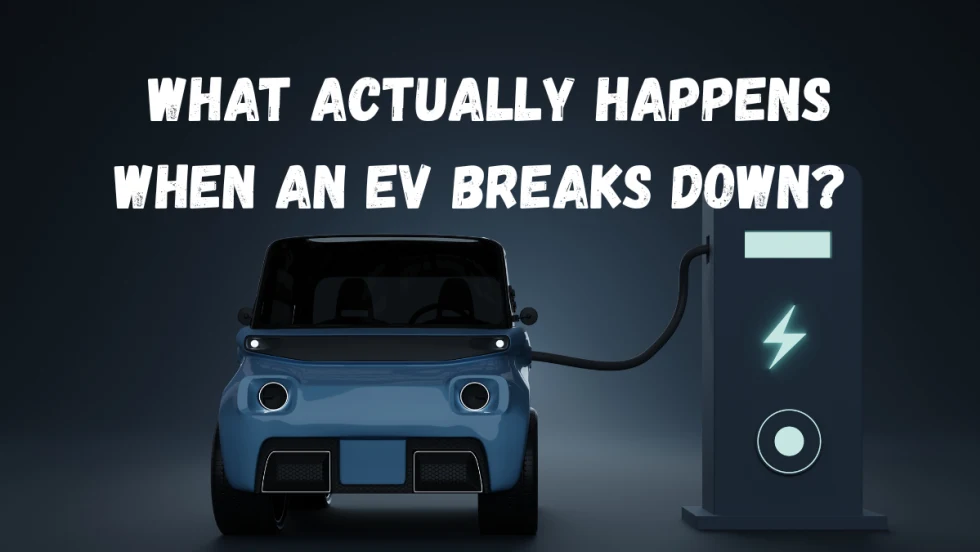
The EV Breakdown Nobody's Talking About: Why Most Electric Vehicle Roadside Calls Aren't Mechanical Failures
Here's why EV breakdowns are widely misunderstood.
Read More →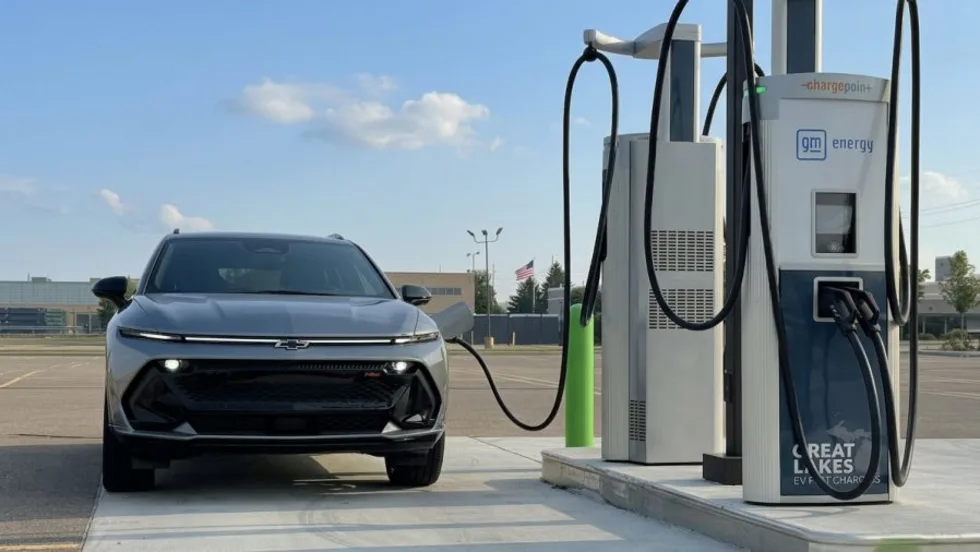
ChargePoint Now Available in Energy Pass
ChargePoint and additional planned charging network integrations were added to GM's Energy Pass.
Read More →

First Look: Slate Auto's Electric Fleet Pickup
Could an affordable, modular EV pickup make electrification more practical for fleets?
Read More →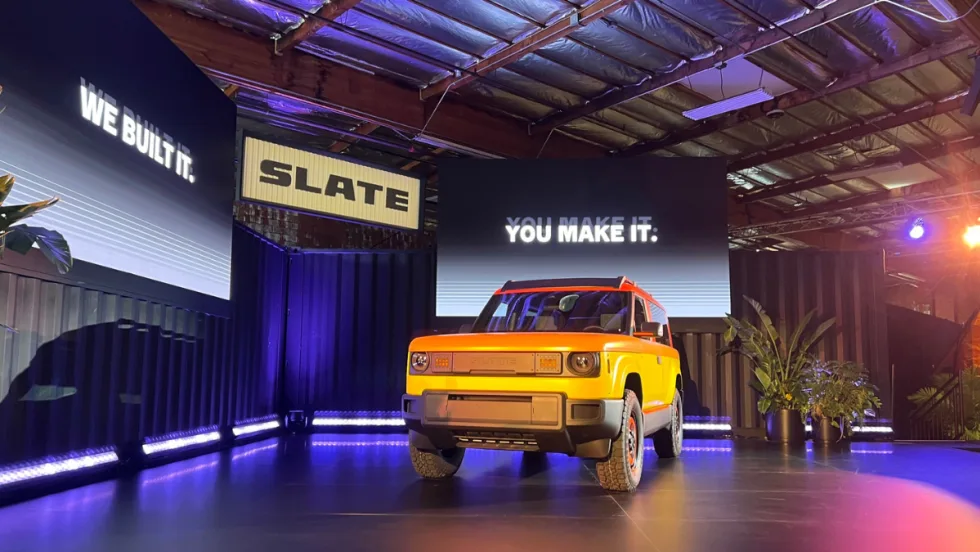
Slate Debuts Colorful, Unique EV Models
A recent media and client event, studded with electric vehicles dressed up on platforms, planted a new position for the manufacturer in the wider EV market. Fleets will find cost-saving advantages.
Read More →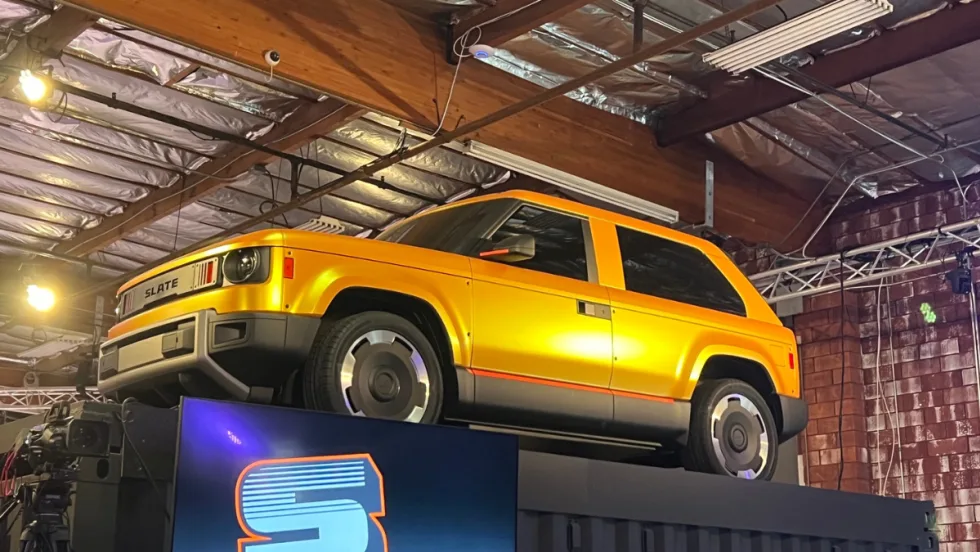
Slate Electric SUV, Pickup Switchable Model Aims For Light-Duty Fleets
Everything about this EV is counterintuitive and understated, making it stand out from the crowd.
Read More →
Inspiration Mobility Acquires Key Electrada Assets
Inspiration Mobility Group has acquired select assets of Electrada, adding the fleet electrification provider's team, technology, and charging infrastructure development capabilities to its energy management business.
Read More →