





Related: 14 Things You Need to Know Before ELDs Become Mandatory
More Than Half of Small Fleets Not ELD Compliant
With less than six weeks until the Dec. 18 deadline for fleets to install mandatory electronic logging devices, it looks like there will still be a lot of smaller fleets who will be at risk for citations and fines – or who will give up on the industry altogether.
November 8, 2017

Graphs courtesy CarrierLists
3 min to read

Graphs courtesy CarrierLists
With less than six weeks until the Dec. 18 deadline for fleets to install mandatory electronic logging devices, one survey indicates there will be a lot of smaller fleets that are at risk for citations and fines – or who will give up on the industry altogether.
“It looks like the run up to the deadline in six weeks will be quite chaotic,” said Kevin Hill, president and founder of CarrierLists, which publishes a weekly survey of carrier readiness for the ELD mandate.
Its Nov. 3 survey of 1,900 carriers showed only 40% of fleets running five to 100 tractors are compliant already or have started the process of installing ELDs – although its two-week rolling average of 46% shows install rates are accelerating.
In early October, the survey showed only 23% of fleets operating 5 to 100 trucks had or were in the process of installing ELDs.
“Think about it. 30 working days left for 60% of small fleets to take action, or face fines and safety violations until April 1,” Hill said. (Drivers and fleets won’t be put out of service for not having ELDs until that date.)
Can they get there in time?
Those who are in a last-minute scramble to meet the deadline may find it difficult to become compliant in the short time remaining.
Eric Witty with PeopleNet recently told HDT in an interview, “it seems … there’s going to be a pretty large number of people that aren’t going to have product” come December. “With all the new vendors, maybe there’s enough supply out, there but it sure seems like there’s a lot of people still waiting. If they all wake up on Dec 5 and say, ‘I need something,’ it could be an interesting rush to figure out how to get everyone supplied. We planned ahead and ramped up production [but] I’m pretty sure we can’t handle all the demand in the market.”
Teletrac Navman General Manager Daren Lauda noted that his company has seen “a real spike” in customer interest in the last few months. “Customers are concerned about what enforcement will be post-Dec. 18, and worried if they are too late already, because installer networks are getting strapped – we’re hearing two- and three-week waiting times. I’ve heard of vendors refusing to give demos at this point, telling them to just look at an online webinar. I think we’re seeing a really [large]... last-minute audience trying to get their solution in place.”
In addition to installing the devices, carriers also need to implement procedures and policies, and train drivers and back-officer personnel on some of the rules specific to the ELD mandate, such as those put in place to address concerns about harassment and coercion.
Look for rates to climb

Graphs courtesy CarrierLists
The low rate of ELD adoption for smaller carriers will affect the entire industry. Some of the smallest carriers are expected to exit the industry entirely as a result of the mandate.
“Anything less than 100% adoption will likely ripple through the trucking market in a tidal wave,” Hill said. “Even at 90% compliance, it will create chaos with capacity and rates, until supply meets up with demand again.”
Andrew Lockwood with 3PL Kenco Group, in an analysis of CarrierLists’ numbers, said the fact that many smaller carriers are procrastinating on obtaining ELDs “could abruptly impact pricing and capacity to close out 2017, taking full effect in Q1 2018.”
He pointed out that according to the American Trucking Associations, 97% of carriers operate fewer than 20 power units, and with over 586,000 for-hire carriers on file with the Federal Motor Carrier Safety Association, “that means that as many as 380,000 carriers aren’t ELD-ready. Given the sample size and number of carriers on file, we can say with a high degree of confidence that fewer than half of the operating carriers in the United States are ready for this change.”
More Telematics
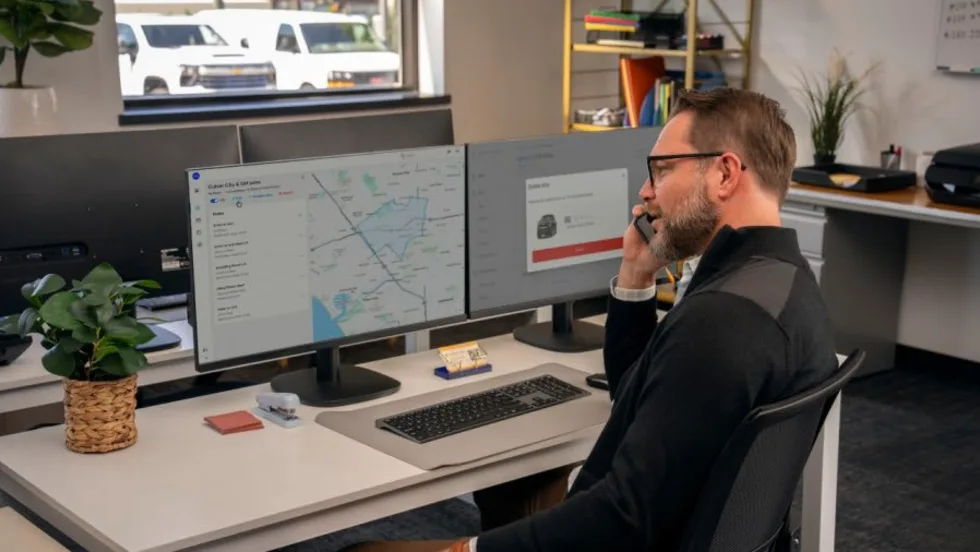
GM Launches OnStar Fleet Intelligence Platform With AI Assistant
The new platform brings vehicle data, order tracking, connected services and fleet analytics into one system, with an AI assistant that can answer fleet questions using natural-language prompts.
Read More →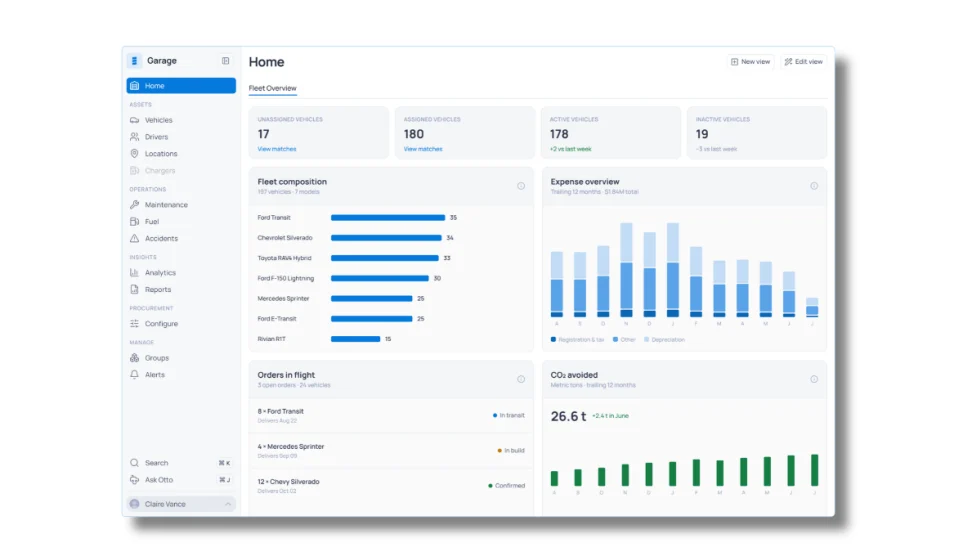
Inspiration Fleet Introduces Garage 2.0 Fleet Intelligence Platform
Fleet managers increasingly have access to data from vehicles, telematics, fuel, charging, and other systems, but those sources don't always communicate with one another. Inspiration Fleet's Garage 2.0 platform brings that information together while letting fleets keep working with different technology and service providers.
Read More →
Inside Inspiration Fleet’s New Platform for Connecting Fleet Data
Inspiration Fleet CTO Chris Getner explains how the new Garage 2.0 platform is designed to connect disparate fleet data and what that could mean for fleet managers in practice.
Read More →
Sponsored•October 1, 2026
Fleet Manager’s Ultimate Playbook: Navigating the New Standard in OEM Connectivity
Rising operating costs, driver safety concerns, and unplanned downtime are putting unprecedented pressure on modern fleets. Discover how fleet managers use embedded OEM connectivity and real-time vehicle data to cut TCO, prevent downtime, and protect drivers without aftermarket telematics hardware.
Read More →
Samsara Driver Perks Adds New Benefit for Corporate Fleet Drivers
The rewards program gives eligible professional drivers access to discounts from more than 50 brands while giving fleets another way to support recruitment, retention, and the driver experience.
Read More →
Inside the Church of Jesus Christ of Latter-day Saints’ Two-Track Telematics Strategy
With 20,000 vehicles and two fundamentally different driver populations, the Church faced a fleet management problem that a single telematics program couldn't solve. How it responded offers a replicable framework for any fleet where one size doesn't fit every driver.
Read More →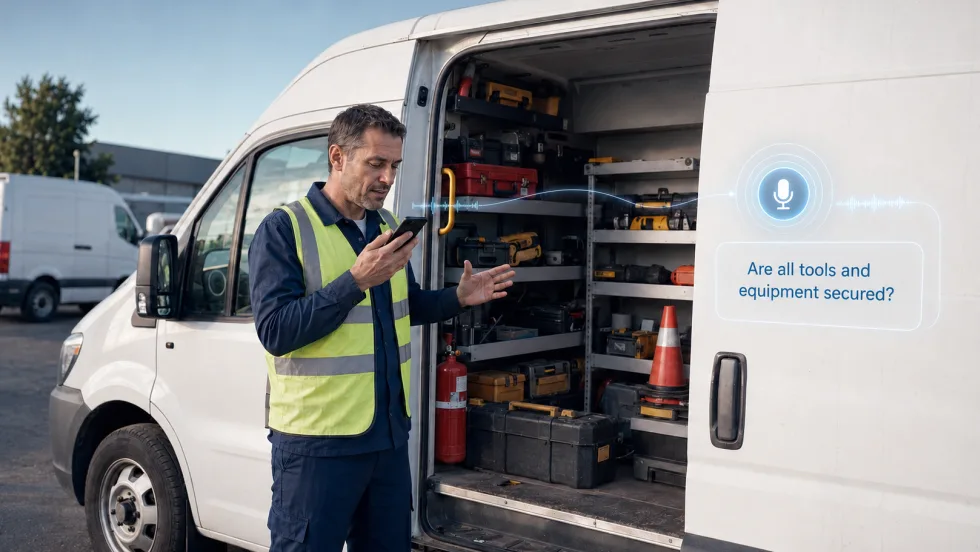
How Conversational AI Can Make Fleet Tasks Easier for Drivers
While most generative AI tools help fleet managers interpret data at their desks, Connex2X is applying voice interaction to tasks behind the wheel.
Read More →
Why Fleets Are Creating Dedicated Fleet Analyst Positions
Are fleet analyst positions the new norm? Listen here to find out.
Read More →
Teletrac Navman Begins Next Chapter as Standalone Private Company
What's new with Teletrac Navman and its new owner?
Read More →
Why Fleets Are Creating Dedicated Fleet Analyst Positions
Telematics, AI, EVs, and connected technologies are generating more fleet data than traditional teams can effectively manage. Reed Jackson explains why dedicated fleet analytics roles are emerging to turn that information into better operational decisions.
Read More →