




Missouri Alt-Fuel Credits Raise Conflict-of-Interest Questions
JEFFERSON CITY, Mo. --- An Associated Press investigation has revealed that about 20 past or present Missouri officials have received more than $400,000 in tax credits for investing in alternative fuels such as ethanol or biodiesel.
JEFFERSON CITY, Mo. --- An Associated Press investigation has revealed that about 20 past or present Missouri officials have received more than $400,000 in tax credits for investing in alternative fuels such as ethanol or biodiesel. Some of these officials wrote the tax breaks into law or voted to award millions of tax dollars to energy companies in which they were invested.
According to the AP, some of the officials began taking the tax breaks before they were elected and continued doing so after taking office. But records show that others used the breaks only after voting on them.
The appearance of a conflict of interest has led to new calls for greater transparency in such matters. Senators have backed a measure requiring elected officials to reveal on financial-disclosure reports whether they or their relatives received tax credits. A House committee has backed a similar bill, the AP reported.
"If these guys are investing their money in their plants and being part of the value-added agriculture process, wonderful," Sen. Brad Lager, a Republican candidate for treasurer, told the AP. "The state of Missouri is heavily subsidizing that, and I just think it's good government to put that information on the table."
Legislators taking advantage of the breaks have defended their actions, asserting that they are as entitled to the tax credits as any other taxpayer.
Republican Rep. John Quinn and his wife began taking advantage of the tax breaks before he was elected to the House in 2001, the AP reported. After his election, they received more than $170,000 in tax credits for investing in ethanol factories, biodiesel plants and agricultural cooperatives. During that same period, Quinn voted to award $80 million in incentives to ethanol and biodiesel plants. Some of that funding was directed to facilities in which he is part owner. He also supported a 2006 law requiring that gas stations sell an ethanol-blended fuel.
"This is my livelihood. I was a farmer before I was a state legislator, and continue to be a farmer," Quinn told the AP. "I really don't feel that farmers should be held to a higher percent of scrutiny than what other legislators are."
Quinn added that other lawmakers often vote on legislation related to their private-sector jobs.
House rules excuse members from voting on bills if they have "a direct personal or pecuniary interest" in them, but such decisions are left to individual lawmakers. Only two lawmakers with investments in ethanol plants excused themselves from voting on Missouri's ethanol mandate.
Some legislators who are farmers argue that it's their responsibility to invest in alternative fuels.
"A lot of these businesses are very, very risky," Republican Sen. Bill Stouffer told the AP. "So when you're trying to bring jobs to the rural areas and add value to rural products ... you need to put your money where your mouth is."
Stouffer drew $23,940 in tax credits for investing in a meat-processing plant, specialized grain cooperative and biodiesel plant. Most of that happened before he was elected in 2004, but he did receive the biodiesel tax credit last year while sponsoring a bill to require biodiesel fuel at gas stations. Stouffer is backing similar legislation this year.
At least 15 states offer incentives to ethanol plants, AP reported. However, Missouri's program is broader in scope because it also offers tax credits to individual farmers who invest in alternative fuel plants or in similar agricultural initiatives.
State Treasurer Sarah Steelman — a Republican candidate for governor — has prohibited ethanol or biodiesel plants from receiving financial incentives through her office if even a single investor is related to an elected state official or department director. But the state Agriculture Department does not deny tax credits to elected officials unless they own at least 10 percent of the ethanol or biodiesel plant, AP reported.
More Fuel
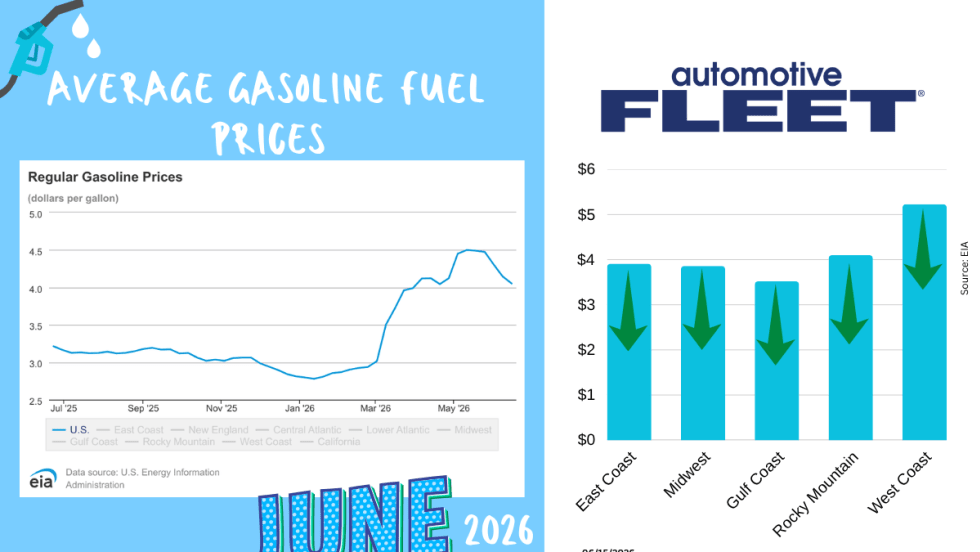
June Fuel Update: Prices Fall Below $4
Drivers are finally getting some relief at the pump. The national average gas price has dropped below $4 a gallon for the first time in months, with prices falling in 47 states as oil markets react to developments in U.S.-Iran negotiations.
Read More →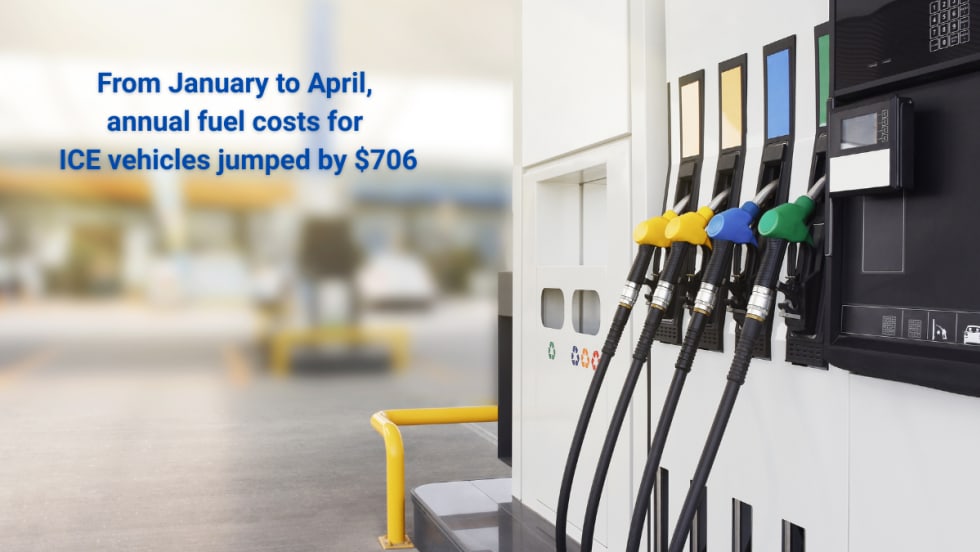
Study: How 2026's Gas Price Hikes Affect Different Vehicle Types
New data from iSeeCars reveals how rising fuel costs have affected different vehicle segments as gasoline prices climbed nearly 46% over the past four months.
Read More →
Are You Tracking Your Fleet's True Total Cost of Ownership?
Bobit Business Media surveyed 190 fleet professionals and found that while most fleets are tracking costs, fragmented systems and data gaps are keeping true TCO visibility out of reach. With rising pressure to control spend in an increasingly volatile environment, the gap between what fleets think they know and what the data actually shows is wider than you might expect. See how your peers are managing costs today and where the industry still has room to improve.
Read More →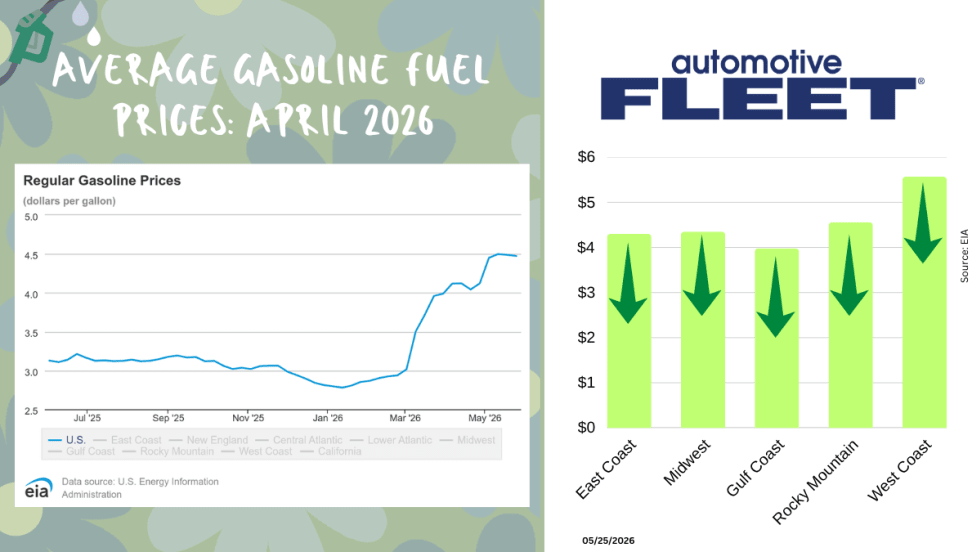
May Fuel Update: All Regions Experience Declines
Gas prices are finally easing in much of the country, but experts warn global tensions could quickly reverse the trend as the national average remains well above last month’s levels.
Read More →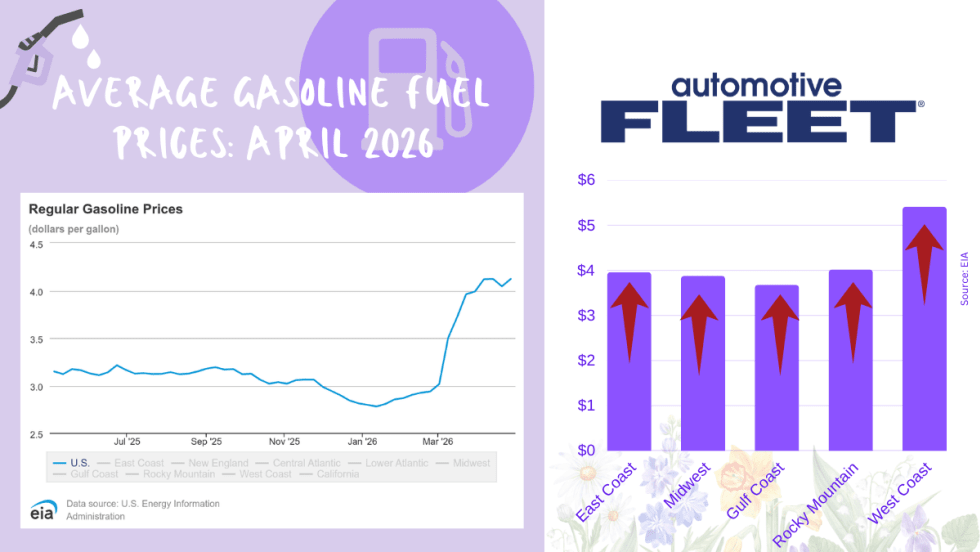
April Fuel Update: Prices Climb Above $4 as Spring Surge Accelerates
National average jumps to $4.04 per gallon, up sharply from last year, with West Coast prices topping $5 and further increases expected amid rising oil tensions.
Read More →
Tips from Fleet Managers on Saving Fuel Costs
Fleet leaders share practical strategies to reduce fuel spend through smarter policy, routing, and driver guidance.
Read More →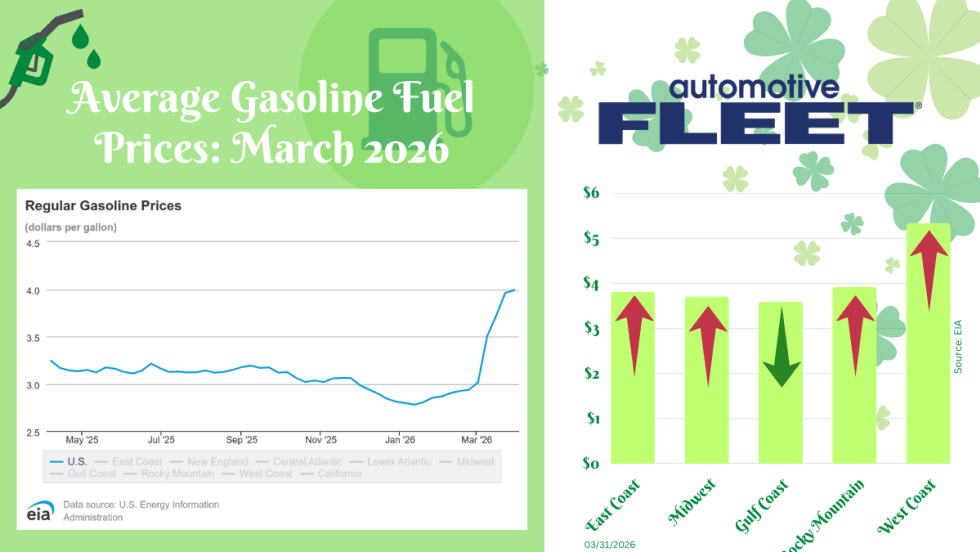
March Fuel Update: Prices Settle With a $4 Average
Fuel prices significantly slowed this week, but a $4 national average is still expected.
Read More →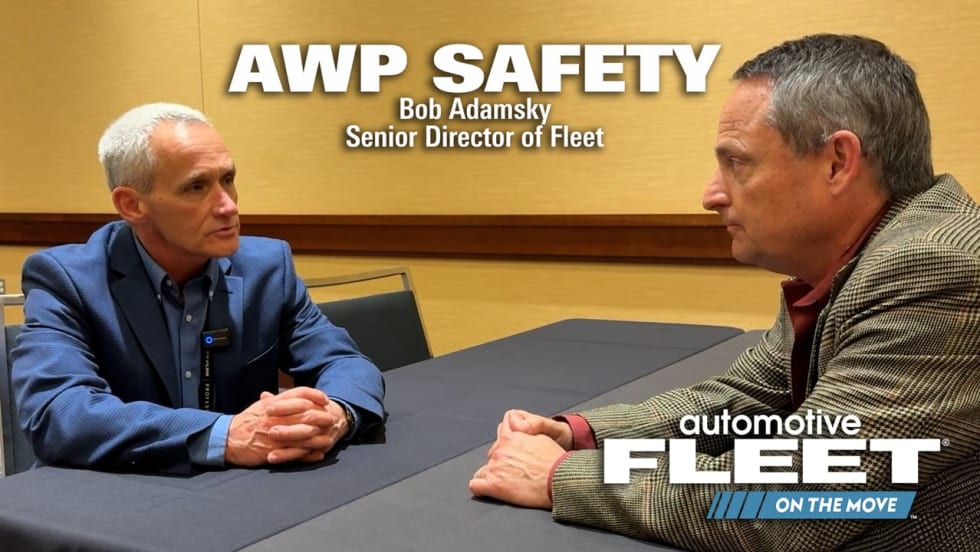
Bob Adamsky on Fuel Volatility: “Don’t Panic — Have a Plan”
With oil prices rising again, AWP Safety’s fleet manager shares how to respond to rising fuel costs and how the right strategy can turn fuel spikes into cost-saving opportunities.
Read More →
Oil Market Turbulence Is Complicating Fleet Cost Planning
Rapid swings in crude oil prices driven by the conflict in the Middle East could create longer-term cost pressures for fleets, affecting fuel prices, supply chains, and vehicle strategy, says NTEA’s Andrew Wrobel.
Read More →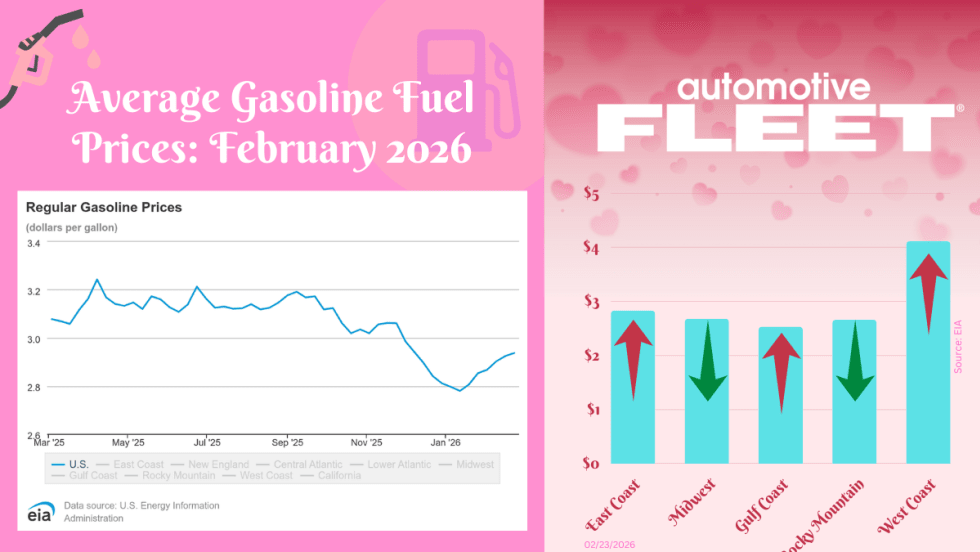
February Fuel Update: Prices Inch Higher for Third Week in a Row
The final February fuel update reveals prices continuing to inch higher for the third week in a row.
Read More →