




Midwest Transportation Fleet Turns to Biodiesel
Mahoney Environmental collects used cooking oil from restaurants and sells it to biodiesel producers to be made into the renewable fuel. And, it runs its 160-truck fleet on biodiesel blends.

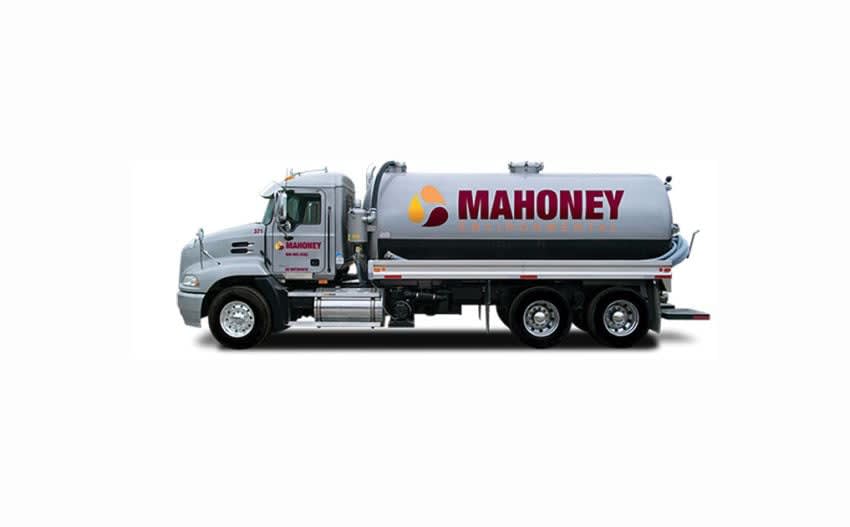
Mahoney Environmental has restaurant customers in all 50 states, picking up used cooking oil, servicing grease traps, providing proprietary equipment for cooking oil handling, and in certain markets, delivering fresh oil.
Photo courtesy of Mahoney Environmental
Mahoney Environmental collects used cooking oil from restaurants and sells it to biodiesel producers to be made into the renewable fuel. The greater the demand for biodiesel, the greater the demand for its services. But that’s not why the Illinois-based company runs its 160-truck fleet on biodiesel blends. Instead, it’s the performance, financial and environmental benefits the company receives from the renewable fuel.
“At the end of the day, there’s not a lot of argument to be made against using biodiesel,” said Jeff Corbin, the company’s Director of Maintenance and Fleet Operations.
Mahoney Environmental has restaurant customers in all 50 states, picking up used cooking oil, servicing grease traps, providing proprietary equipment for cooking oil handling, and in certain markets, delivering fresh oil. Corbin’s job is to make sure that its full fleet of Class 7 and Class 88 trucks are in good running condition on any given day. So even though his employer is connected to the biodiesel industry, if the fuel didn’t perform, he wouldn’t use it.
With biodiesel, the fleet’s miles per gallon have stayed steady, the added lubricity has reduced wear on engine components, and the cleaner-burning fuel has helped the trucks’ after-treatment systems.
Biodiesel has also made good financial sense for Mahoney Environmental. It often pays less for biodiesel than petroleum diesel throughout the country. The company gets further savings in its home state of Illinois, where biodiesel blends of B11 and above are exempt from the state’s 6.25% sales tax.
Additionally, compared with petroleum diesel, the fuel reduces emissions of greenhouse gases, total hydrocarbons, carbon monoxide, and particulate matter.
One of Mahoney Environmental’s used cooking oil customers is REG, which uses the waste oil as a feedstock in the biodiesel production process. It’s the relationship with REG and first-hand knowledge of the company’s fuel that persuaded Mahoney Environmental to go from dabbling in fueling its fleet with biodiesel to implementing it across its entire fleet at blend levels of up to B20.
Originally posted on Work Truck Online
More Green Fleet

Merchants Fleet Reports 290M EV Miles as Fleets Navigate Changing Electrification Market
From millions in operating savings to hundreds of millions of EV miles, Merchants Fleet’s latest report reveals what’s working and what’s changing in fleet electrification.
Read More →
The EV Breakdown Nobody's Talking About: Why Most Electric Vehicle Roadside Calls Aren't Mechanical Failures
Here's why EV breakdowns are widely misunderstood.
Read More →
ChargePoint Now Available in Energy Pass
ChargePoint and additional planned charging network integrations were added to GM's Energy Pass.
Read More →

First Look: Slate Auto's Electric Fleet Pickup
Could an affordable, modular EV pickup make electrification more practical for fleets?
Read More →
Slate Debuts Colorful, Unique EV Models
A recent media and client event, studded with electric vehicles dressed up on platforms, planted a new position for the manufacturer in the wider EV market. Fleets will find cost-saving advantages.
Read More →
Slate Electric SUV, Pickup Switchable Model Aims For Light-Duty Fleets
Everything about this EV is counterintuitive and understated, making it stand out from the crowd.
Read More →
Inspiration Mobility Acquires Key Electrada Assets
Inspiration Mobility Group has acquired select assets of Electrada, adding the fleet electrification provider's team, technology, and charging infrastructure development capabilities to its energy management business.
Read More →
Turning Connected Vehicle Data Into Decisions That Matter
Fleet leaders have more data than ever, but turning that data into clear, actionable decisions remains a challenge. This white paper shows how leading organizations are using connected vehicle data to improve safety, reduce costs, and optimize fleet performance. Learn how to turn insight into action across your fleet.
Read More →
Are You Tracking Your Fleet's True Total Cost of Ownership?
Bobit Business Media surveyed 190 fleet professionals and found that while most fleets are tracking costs, fragmented systems and data gaps are keeping true TCO visibility out of reach. With rising pressure to control spend in an increasingly volatile environment, the gap between what fleets think they know and what the data actually shows is wider than you might expect. See how your peers are managing costs today and where the industry still has room to improve.
Read More →