




Mercedes-Benz Updates Natural Gas Econic Truck
Mercedes-Benz has debuted a special-purpose waste collection/short-radius distribution vehicle: the Econic NGT Euro VI with its new M 936 G engine.
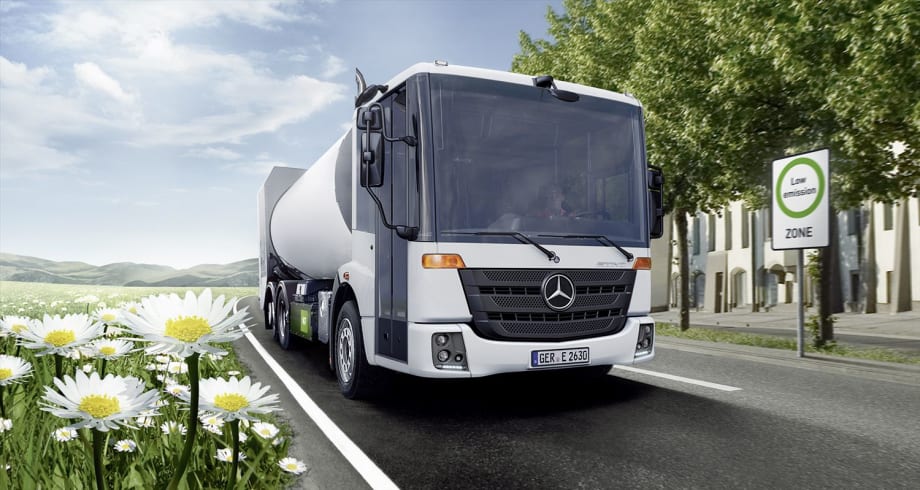
Photo: Mercedes-Benz
Photo: Mercedes-Benz
Mercedes-Benz has debuted a special-purpose waste collection/short-radius distribution vehicle: the Econic NGT Euro VI with its new M 936 G engine.The new six-cylinder in-line powerplant delivers the same performance as a diesel engine while at the same time setting a new benchmark in terms of noise and exhaust emissions.The new six-cylinder in-line powerplant delivers the same performance as a diesel engine while at the same time setting a new benchmark in terms of noise and exhaust emissions, according to Mercedes-Benz.
For Mercedes-Benz, sustainability and resource conservation are key to its corporate philosophy. That's why the Econic NGT (Natural Gas Technology) has been in successful international operation since 2002, with over 1,400 units in service. Mercedes-Benz said it has also further developed the gas drive to comply with Euro VI standards. The result is the new Econic NGT in 1830 and 2630 variants.
The new M 936 G natural-gas engine in the Econic is based on the OM 936 turbodiesel engine from the new 7.7L BlueEfficiency Power generation. As a mono-fuel engine (gas-powered only), it runs on compressed natural gas (CNG) and has an output of 222 kW (302 hp) while delivering maximum torque of 1200 Nm. Figures like these, in combination with its impressive power delivery, place the single-stage turbocharged engine on a par with its diesel-powered counterpart. At the same time, it sets new standards in terms of environmental compatibility, with CO2 emissions up to 20 percent below those of a diesel engine. Using biogas2-further improves the carbon footprint.
To a high degree, the new M 936 G uses the same parts as the engine on which it is based. The cylinder block and cylinder head are the same, having merely been adapted to run on CNG. Newly developed, on the other hand, are the turbocharger, charge-air ducting, ignition and the entire mixture preparation, including exhaust-gas recirculation. The packaging, however, remains identical, with the natural-gas engine having the same dimensions as its diesel-powered counterpart, according to the automaker.
The ignition system in a natural-gas engine is identical to that in a gasoline engine. The M 936 G uses spark plugs with pencil-type ignition coils. They are housed in the same space that originally accommodated the fuel injectors in the diesel engine. The piston combustion cavity has been given a new geometry for natural-gas operation.
Similar to a modern-day gasoline engine, the new natural-gas engine employs a stoichiometric combustion ratio of lambda = 1, i.e. it uses neither excess air - i.e. a lean mixture such as in the previous engine - nor a rich mixture. This results in especially clean combustion allied to high power output and low pollutant emissions.
A turbocharger with asymmetrical turbine geometry ensures an excellent response from the engine while at the same time supplying the cooled exhaust gas recirculation, the purpose of which in this case is not to minimize the pollutant emissions, but to lower the exhaust-gas temperature in the interests of durability. For design-inherent reasons, the exhaust-gas temperature in a natural-gas engine is higher than in a diesel engine.
The fact that combustion is virtually soot-free obviates the need for a particulate filter of the kind now customary in diesel engines with the introduction of the Euro VI standard, according to Mercedes-Benz. As in a spark-ignition engine, emission control is by means of a three-way catalytic converter.
While meeting the legally required 80 dB(A) limit, the noise level of the new natural-gas engine is even lower across the entire engine-speed range than that of the already quiet OM 936 diesel engine.
Another advantage of the new natural-gas engine is that the extra weight compared with its diesel counterpart has now been halved to just around 500 kg, representing a payload increase of 400 kg over the previous Econic NGT with a wheelbase of 3900 mm, according to the automaker. This is due to new gas cylinders in carbon-fiber-encased rugged steel specially produced for a lightweight construction.
Stop-and-go traffic plays a major role in the daily operations of Econic users while also placing special demands on both engine and transmission. For this reason, the powertrain in the Econic continues to include the Allison six-speed automatic transmission.
More Global Fleet
Holman Takes Full Ownership of ARIZA in Mexico
Holman is bringing its Mexican fleet management operation fully under its own brand after more than 30 years as a joint venture. The change gives multinational fleet customers a single Holman operation across the U.S., Canada, and Mexico.
Read More →
Proven Ways to Reduce Work Truck Downtime
The age-old problem of downtime will always be a reality, but with new strategies at hand, fleets have more ways to keep trucks on the road longer.
Read More →
The Top 300 Commercial Fleets
The Top 300 Commercial Fleets: See the List
Read More →


Cameras, Safety and Insurance: From Reactive Claims to Real-Time Prevention (Part 2 of 2)
Part Two: Commercial auto remains one of the most challenging and costly lines of coverage for fleet operators and insurers alike. Continue learning more about how to effectively address these issues from Onur Aksan, Enterprise Business Development Executive, Geotab
Read More →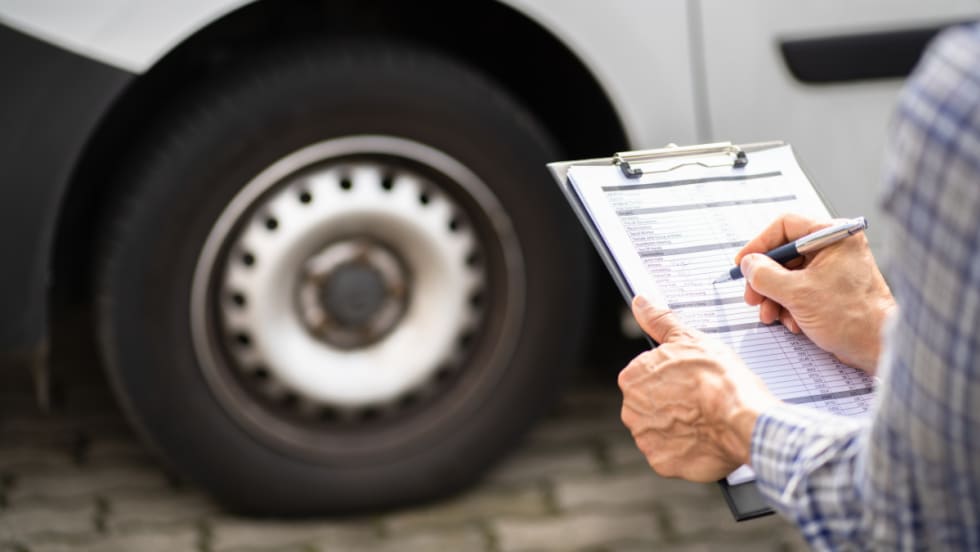
Cameras, Safety and Insurance: From Reactive Claims to Real-time Prevention
Commercial auto remains one of the most challenging and costly lines of coverage for fleet operators and insurers alike. Learn more about how to effectively address these issues from Onur Aksan, Enterprise Business Development Executive, Geotab.
Read More →
Fleet Costs Are Rising: Here’s How Leaders Are Responding
Fleet leaders are under pressure to reduce costs, adapt to economic uncertainty, and make smarter decisions. See how peers across North America are responding with real data, proven strategies, and forward-looking insights. Download the 2026 Market Pulse Report to benchmark your strategy and uncover where you can gain an edge.
Read More →
Enterprise Fleet Management Surpasses 900,000 Vehicles in U.S. & Canada
Enterprise Mobility connects with mobility solutions around the globe
Read More →
Automotive Fleet's Guide to Fleet Electrification
Unlock the secrets to a successful transition to electric fleets with Automotive Fleet's comprehensive Fleet Electrification Guide!
Read More →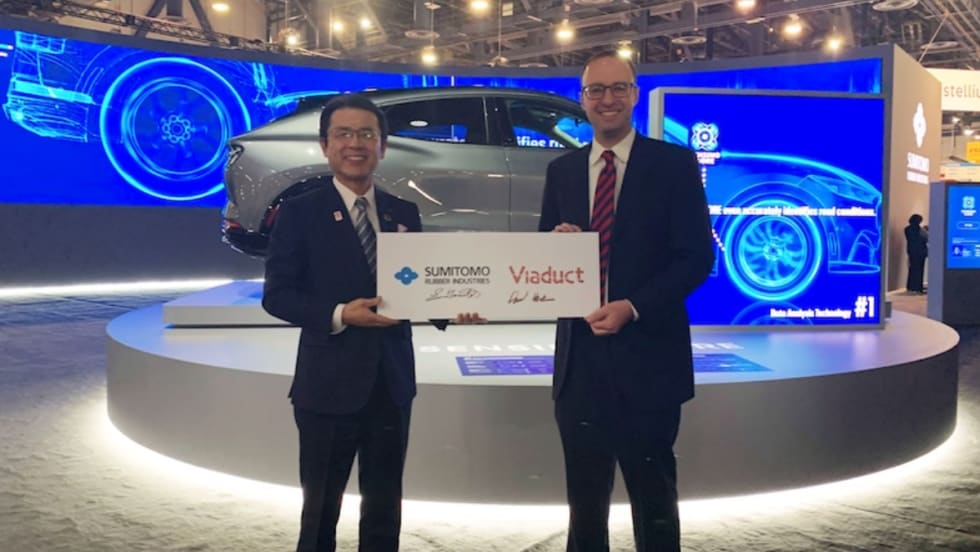
Sumitomo Rubber Industries to Acquire Viaduct
Viaduct will join Sumitomo as an independent subsidiary. Partnership strengthens global reach and accelerates AI-driven innovation for fleets and manufacturing.
Read More →