




Mazda Announces Fuel-Efficiency Initiatives
HIROSHIMA, Japan — Mazda Motor Corp. announced it is setting its sights on reducing the fuel consumption of Mazda vehicles sold globally by an average 30 percent by 2015.
HIROSHIMA, Japan — Mazda Motor Corp. announced it is setting its sights on reducing the fuel consumption of Mazda vehicles sold globally by an average 30 percent by 2015.
This goal will be met using lightweight technologies, the upgrade of almost all of Mazda's gasoline engines, introducing a Smart Idle Stop System, a new gasoline rotary engine and new diesel engines worldwide. By 2015, Mazda will have renewed almost its entire powertrain lineup. From 2011, through steadily developing safe, lightweight, new-generation platforms, the company aims to reduce the weight of its new vehicles by 100 kilograms or more.
In the seven years from 2001 to 2008, the average fuel economy of Mazda vehicles sold in the Japanese market increased by approximately 30 percent. In 1991, the company embarked on a long-term project to develop vehicles powered by hydrogen technology, thereby participating in the search for sustainable transportation solutions, which still continues today.
Mazda saw its hydrogen powertrain efforts progress in June 2008 when the Mazda5 Hydrogen RE Hybrid received the green light from the Japanese government to begin testing on public roads. The Mazda5 Hydrogen RE Hybrid (known as the Premacy Hydrogen RE Hybrid in Japan) offers 40 percent more power and an extended hydrogen driving range of 200 kilometers. It will be available for commercial lease in Japan during the 2008 fiscal year. Moreover, Mazda is progressing with the development of an all-new Hydrogen RE vehicle with dynamic performance equivalent to a 3.0-liter gasoline engine and a hydrogen range of 400 kilometers.
The next technological milestone for Mazda will be the introduction of the mass-production version of its Smart Idle Stop System into one of its cars in 2009. This idle stop system restarts the engine from idle by injecting fuel directly into the cylinder and igniting it to force the piston down, enabling a fast and quiet restart as well as an improvement in fuel economy by up to seven to eight percent. The system will initially appear in Japan and Europe; however, it will be rolled out worldwide.
In 2009, an E85 fuel-compatible flex-fuel engine will be introduced into the Northern European and North American markets. From 2011 onwards, new gasoline engines will incorporate next-generation Direct Injection Spark Ignition and other systems to boost power by 15 to 20 percent and improve fuel economy by approximately 20 percent.
Beginning in 2011, Mazda plans to introduce new diesel engines worldwide that meet future exhaust gas regulations in each market. These engines will feature next-generation direct injection technology, turbocharging systems and NOx reduction technology, which will enhance fuel economy by 20 percent and produce cleaner exhaust gases.
Mazda's gasoline rotary engine will be substantially upgraded in the early 2010s. Currently referred to as the 16X, the next rotary engine will offer substantially improved performance and economy through use of Direct Injection Spark Ignition and high-speed combustion technology, enfolded in new rotary dimensions.
More Fuel

Turning Fleet Payment Data into Executive Insights
Ramel Lindsay of U.S. Bank Voyager discusses how fleets can transform payment and transaction data into actionable intelligence to reduce costs, improve oversight, and support executive decision-making.
Read More →
Why the IRS Raised Its Mileage Rate in the Middle of 2026
Fuel-price volatility drove the rare increase to 76 cents per mile, the fifth midyear adjustment since 2000.
Read More →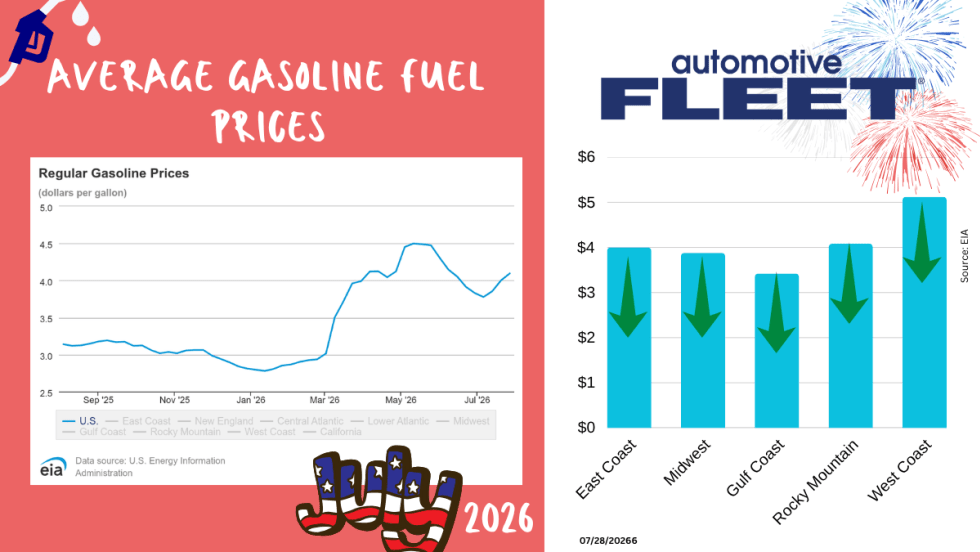
July Fuel Update: Prices Keep Rising in Light of More Conflict
Gas prices continue to rise as more and more conflicts do, too.
Read More →
Bob Adamsky on Fuel Volatility: "Don't Panic, Have a Plan."
When it comes to up and down fuel prices, Adamsky has a message for fleets: “Don’t panic.”
Read More →
How Fleets Can Gain Control of Non-Fuel Spend
Fuel often gets the spotlight, but non-fuel expenses can have a major impact on fleet costs. Ramel Lindsay of U.S. Bank Voyager discusses how fleets can gain better visibility and control over these often-overlooked expenditures.
Read More →
Fuel is Just the Start: How Middle East Tensions are Driving Up Fleet Maintenance Costs
The Middle East conflict is doing more than pushing up fuel prices. It’s also raising the cost of key maintenance products your fleet depends on, from motor oil to tires to windshield wipers. Here’s what you need to know about this budget-busting situation.
Read More →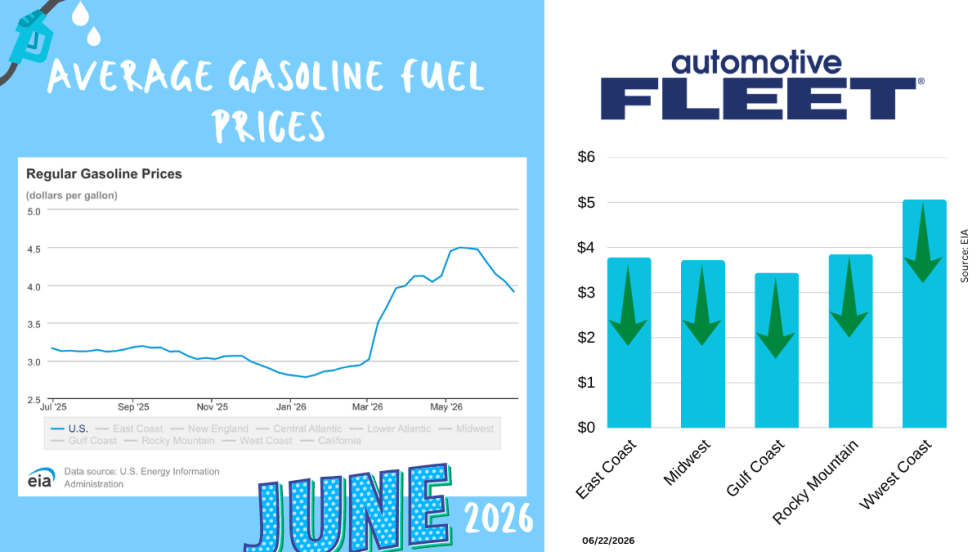
June Fuel Update: Prices Fall Below $4
Drivers are finally getting some relief at the pump. The national average gas price has dropped below $4 a gallon for the first time in months, with prices falling in 47 states as oil markets react to developments in U.S.-Iran negotiations.
Read More →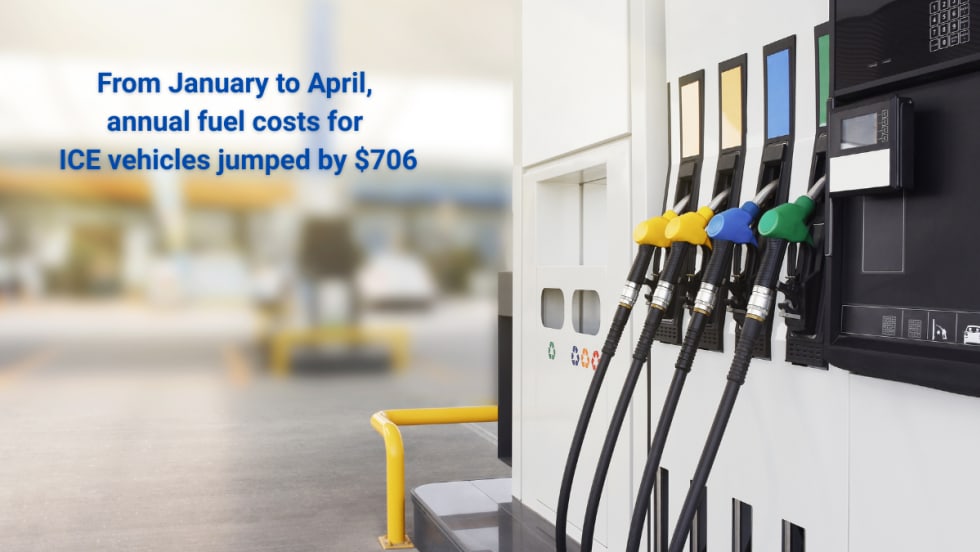
Study: How 2026's Gas Price Hikes Affect Different Vehicle Types
New data from iSeeCars reveals how rising fuel costs have affected different vehicle segments as gasoline prices climbed nearly 46% over the past four months.
Read More →
Are You Tracking Your Fleet's True Total Cost of Ownership?
Bobit Business Media surveyed 190 fleet professionals and found that while most fleets are tracking costs, fragmented systems and data gaps are keeping true TCO visibility out of reach. With rising pressure to control spend in an increasingly volatile environment, the gap between what fleets think they know and what the data actually shows is wider than you might expect. See how your peers are managing costs today and where the industry still has room to improve.
Read More →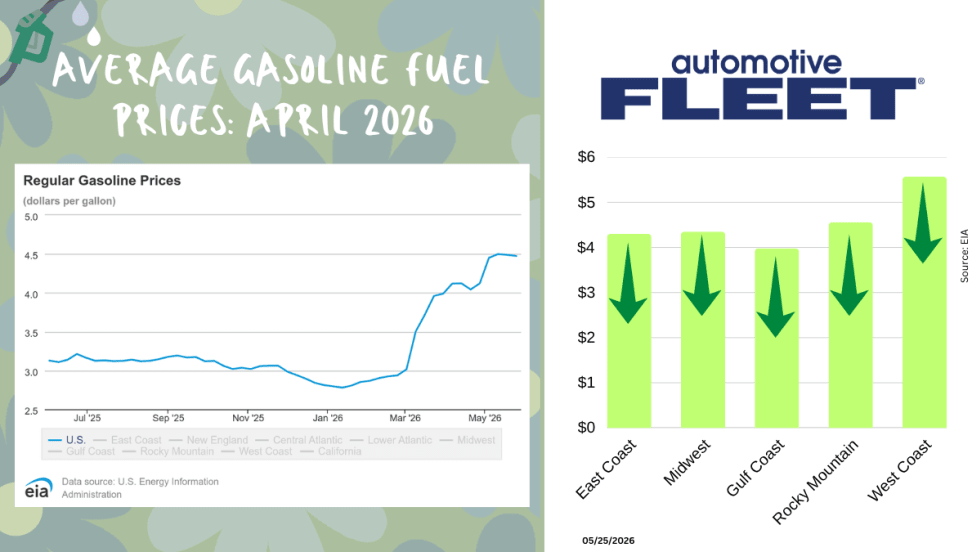
May Fuel Update: All Regions Experience Declines
Gas prices are finally easing in much of the country, but experts warn global tensions could quickly reverse the trend as the national average remains well above last month’s levels.
Read More →