




Lincoln MKT Earns 'Top Safety Pick' & Pushes New Frontier of Crash-Avoidance Technologies
DETROIT - The all-new 2010 Lincoln MKT three-row luxury crossover received a "Top Safety Pick" rating from the Insurance Institute for Highway Safety (IIHS).
DETROIT - The all-new 2010 Lincoln MKT three-row luxury crossover received a "Top Safety Pick" rating from the Insurance Institute for Highway Safety (IIHS). To earn this designation, a vehicle must receive a rating of "good" in offset frontal-, side- and rear-impact evaluations and offer electronic stability control. The new MKT offers an array of standard crash-protection, crash-avoidance and driver-awareness features, and further solidifies Ford Motor Company's industry-leading number of Top Safety Picks.
Lincoln is offering luxury crossover customers a fresh new choice with the 2010 Lincoln MKT, a three-row crossover that delivers the optimal blend of distinctive design, interior spaciousness and craftsmanship, fuel economy, and advanced driver aid and safety technologies.
The Lincoln MKT joins the two-row Lincoln MKX midsize premium crossover, the sporty Lincoln MKS luxury sedan launched in 2008 and the midsize Lincoln MKZ in earning coveted IIHS Top Safety Pick ratings, building on Ford Motor Company's safety leadership.
The Lincoln MKT features an advanced structural safety system that combines octagonal front frame rails, tunnel rails and support members that are designed to absorb and redirect crash forces away from the passenger compartment.
Lincoln MKT also includes Side Protection and Cabin Enhancement Architecture (SPACE) to optimize side-impact occupant protection. The SPACE system integrates a hydroformed high-strength steel tube in the floor that runs the width of the vehicle from B-pillar to B-pillar and reinforcements along the rocker panels to help protect passengers in side-impact incidents.
Lincoln MKT also features Ford's enhanced Personal Safety System, combining multiple technologies to tailor the air bag package and safety belt functions to the individual passenger and the accident circumstances. The system can identify variables, such as severity of the crash, weight of the individual passenger and safety belt usage to adjust air bag deployment force.
Additional Lincoln MKT safety technologies include:
Safety Canopy is Ford's exclusive side-impact protection system employing side curtain air bags to help protect front and outboard rear passengers in both rollover and side-impact crashes.
Belt-Minder, a reminder technology for driver and front seat passenger, takes over after the initial federally required safety belt reminder stops chiming to encourage usage of safety belts, the No. 1 life-saving device in automobiles.
SOS Post-Crash Alert Systemunlocks the vehicle doors and activates the horn and emergency flashers in the event air bags are deployed.
MyKeyallows parents or other concerned owners to restrict certain Lincoln MKT features when in the hands of a MyKey driver. MyKey encourages safety belt usage, provides earlier low-fuel warnings, engages applicable driver aid systems, and sounds speed chimes at preset levels while limiting audio system volume and top vehicle speed.
Lincoln MKT also delivers abundant driver-awareness and security technologies including:
Adaptive Cruise Control (ACC) uses radar to detect moving vehicles immediately ahead and modify cruising speed if necessary.
Collision Warning with Brake Support, enabled by ACC, provides the driver with a "heads-up" display that flashes on the windshield when the system senses slower moving traffic ahead. If the driver doesn't respond, the system will pre-charge the brakes to prepare the vehicle for a more aggressive stop to help avoid some of the most common rear-end accidents.
SecuriCode Keyless Entry Keypad uses a touch-sensitive surface allowing the driver to enter a five-digit code to unlock the doors.
Adaptive Headlamps with standard High-Intensity Discharge (HID) Lamps enhance nighttime visibility. Sensors monitor Lincoln MKT speed and steering wheel input to engage headlamp movement to increase the driver's field of vision.
Auto High Beams coupled with Adaptive Headlamps enhance nighttime visibility by switching to high intensity when no other vehicles are in range.
Rain-Sensing Wipers use an optical sensing system to gauge precipitation and automatically activate and adjust the wipers.
Blind Spot Information System (BLIS) with Cross Traffic Alert uses two multiple-beam radars in the rear quarter panels (one per side) for two different - but important - purposes. BLIS checks the defined blind spot zone, which is about 10 feet from the back of the bumper to the outside mirrors. When a vehicle is detected, an amber light, in the outside mirror of whichever side that vehicle is on, lights up. CTA notifies the driver of impending traffic when backing out of a parking spot and warns the driver when a vehicle is detected within three car widths of either side of the vehicle. As with BLIS, the driver is warned with a beep and light in the outside mirror on the side of the traffic.
Rear View Camera System uses the center stack-mounted touch/navigation screen for projection and activates upon reverse gear engagement.
Lincoln SYNCis an award-winning voice-activated communications and entertainment system developed by Ford and Microsoft that fully integrates Bluetooth-enabled mobile phones and digital media players into the vehicle. SYNC incorporates 911 Assist, which can notify a local 911 emergency operator in the event of an air bag deployment when a cell phone is properly paired, turned on and connected to SYNC, and when the vehicle has battery power.
More Safety

Nexar-Nauto Merger Aims to Give Fleets Better Safety Intelligence Through Larger Driving Dataset
Stefan Heck tells Automotive Fleet that combining more than 10 billion miles of driving history with Nexar's AI models will give fleets deeper insights into driver risk and roadway conditions than either company could provide independently.
Read More →
Don't Wait for a Crisis: 5 Ways to Build Mental Health Into Your Fleet Safety Program
For Suicide Prevention Month, fleet and safety leaders have an opportunity to put mental health where it belongs: at the center of workplace safety.
Read More →
How Camera Data Can Strengthen a Fleet’s Insurance Renewal
Insights from a commercial insurance carrier and a broker show how fleets can turn video telematic data, driver coaching, and improved claims results into a stronger case at insurance renewal.
Read More →
The Safest Fleets Aren’t the Ones with the Most Technology
You’ve made the telematics investment. Here’s how to capture the other half of its value and build the safest fleet on the road.
Read More →
Hidden in Plain Sight: Fleet Compliance Risks
Fleet compliance isn't just about having policies — it's about consistently enforcing them. This practical guide reveals six hidden compliance risks common in public sector and shared fleet operations and outlines proven strategies to improve visibility, accountability, and audit readiness
Read More →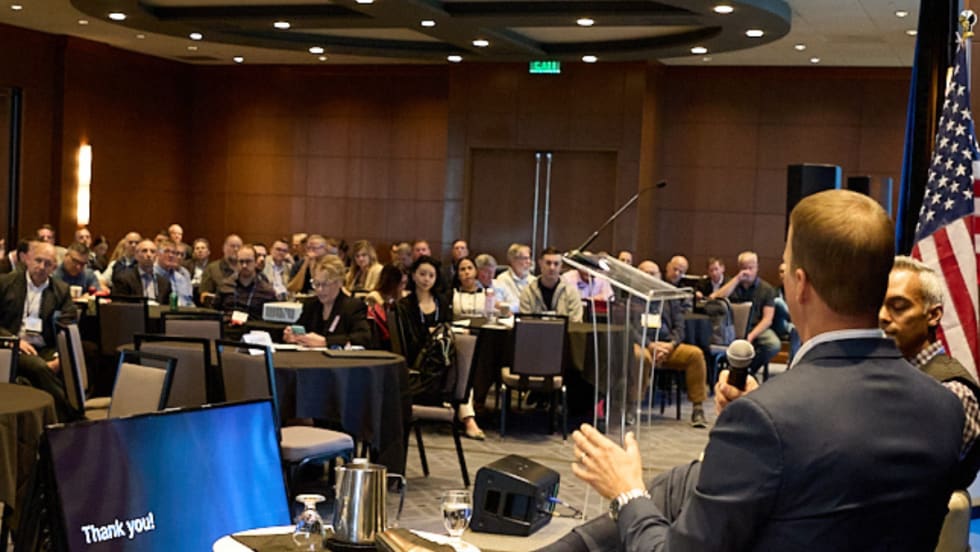
NETS Sets 2026 Fleet Safety Benchmark Conference for Indianapolis
The Sept. 15–17 program will feature fleet benchmarking data, case studies, emerging technologies, and implementation strategies while running alongside the NSC Safety Congress & Expo.
Read More →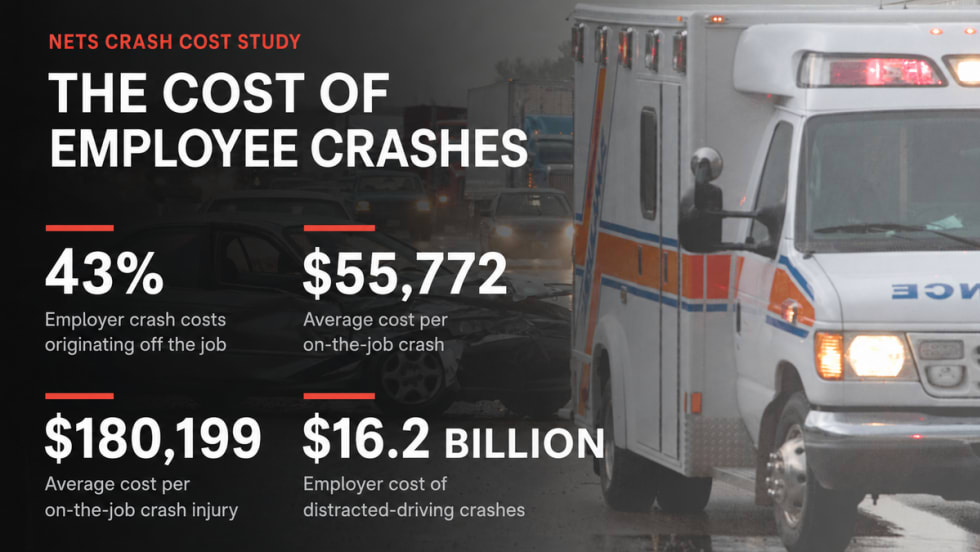
Off-the-Job Crashes Account for 43% of Employers’ $61.7 Billion Crash Burden
NETS quantifies costs dispersed across fleet, risk, HR, and other departments while providing new per-crash benchmarks for employers.
Read More →
Ram Recalls More Than 1.27 Million 1500 Pickups for Seat Belt Anchor Issue
The recall affects certain 2019-2026 Ram 1500 pickups that may have improperly attached second-row seat belt buckle anchors.
Read More →
How Better Visibility Cut Speeding Violations by 48%
Fleet leaders don't need more data, they need clearer visibility into what the data is saying. This case study explores how one utility replaced speeding-event counts with a single metric — miles driven in violation — to strengthen safety and significantly reduce speeding violations.
Read More →
Operation Safe Driver Week: Why the Industry's Oldest Safety Campaign Still Matters to Fleets
A look at how a 2007 enforcement initiative became one of the most consequential weeks on the fleet safety calendar, and what it means for your drivers in 2026.
Read More →