




LeasePlan USA and American Forests Introduce Alternative Way to ‘Go Green'
ALPHARETTA, GA – LeasePlan USA, a vehicle leasing and fleet management solutions company, in conjunction with American Forests, which plants trees for environmental restoration, announce GreenPlan, a carbon neutralization program that allows companies to counterattack carbon emissions from their corporate fleet vehicles through tree planting.
ALPHARETTA, GA – LeasePlan USA, a vehicle leasing and fleet management solutions company, in conjunction with American Forests, which plants trees for environmental restoration, announce GreenPlan, a carbon neutralization program that allows companies to counterattack carbon emissions from their corporate fleet vehicles through tree planting. “GreenPlan is an alternative method that corporations can easily and effectively implement to create a more eco-friendly company car program,” said Bryan Calloway, senior vice president of marketing and business development for LeasePlan USA. “We are proud to bring this program to the U.S., which encourages companies to not only offset the carbon produced by their vehicles but also engage their employees in the process, creating an extended impact to the overall goal of reducing carbon emissions.” The introduction of GreenPlan in the U.S. is the next phase in a global commitment to raise awareness of carbon neutralization. LeasePlan USA joins other LeasePlan Corporation subsidiaries, including Australia, New Zealand, and the United Kingdom, in promoting greener options for operating company cars and trucks. LeasePlan USA has kicked off their program by carbon neutralizing its own fleet of vehicles. Recent studies show, 1.7 billion tons of carbon are produced annually to fuel vehicles in the United States. Carbon dioxide accounts for approximately 85 percent of all greenhouse gases. Through GreenPlan, companies can carbon neutralize their fleet vehicles by replacing the CO2 they emit with oxygen using trees. For more information on GreenPlan, please visit www.GoGreenPlan.com.
More Fuel
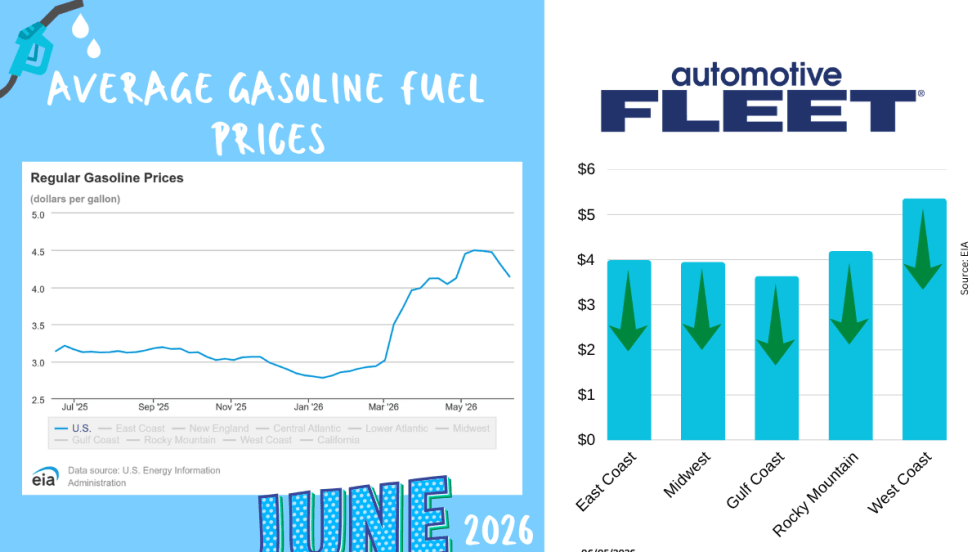
June Fuel Update: Prices Continue to Fall
While prices have continued to decline for four straight weeks, the next weeks don't look as promising.
Read More →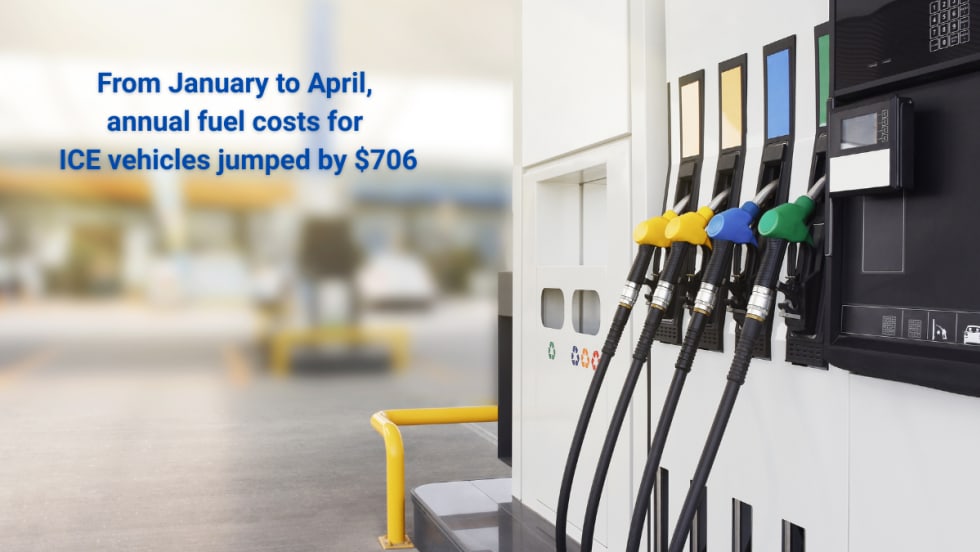
Study: How 2026's Gas Price Hikes Affect Different Vehicle Types
New data from iSeeCars reveals how rising fuel costs have affected different vehicle segments as gasoline prices climbed nearly 46% over the past four months.
Read More →
Are You Tracking Your Fleet's True Total Cost of Ownership?
Bobit Business Media surveyed 190 fleet professionals and found that while most fleets are tracking costs, fragmented systems and data gaps are keeping true TCO visibility out of reach. With rising pressure to control spend in an increasingly volatile environment, the gap between what fleets think they know and what the data actually shows is wider than you might expect. See how your peers are managing costs today and where the industry still has room to improve.
Read More →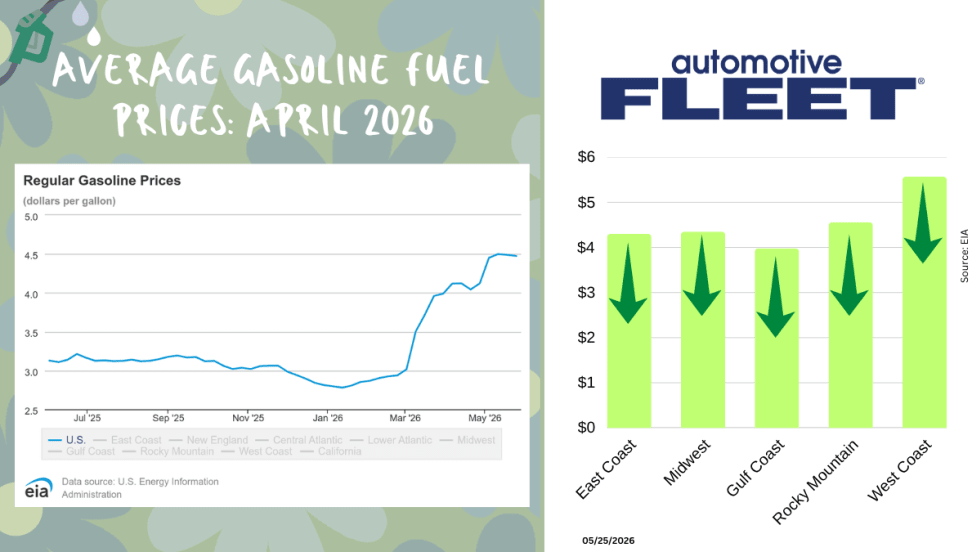
May Fuel Update: All Regions Experience Declines
Gas prices are finally easing in much of the country, but experts warn global tensions could quickly reverse the trend as the national average remains well above last month’s levels.
Read More →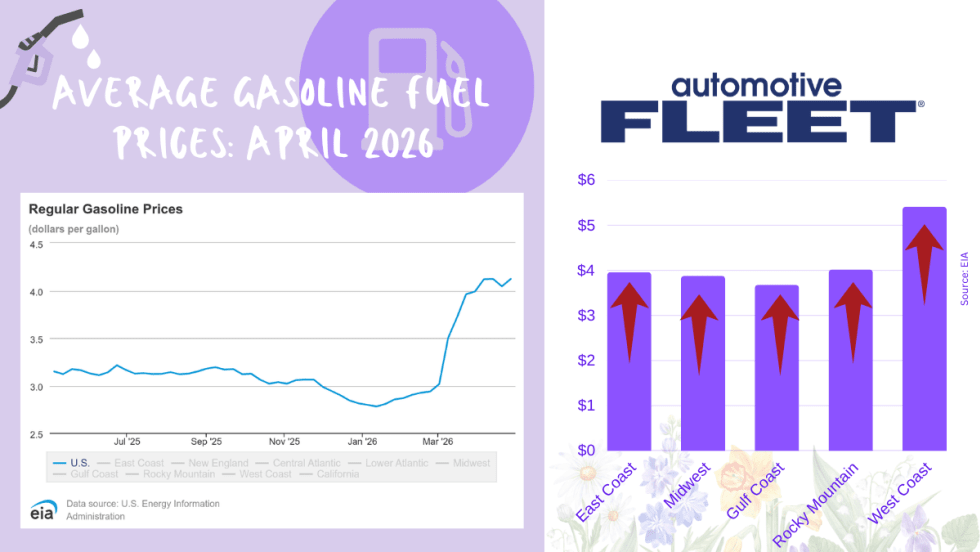
April Fuel Update: Prices Climb Above $4 as Spring Surge Accelerates
National average jumps to $4.04 per gallon, up sharply from last year, with West Coast prices topping $5 and further increases expected amid rising oil tensions.
Read More →
Tips from Fleet Managers on Saving Fuel Costs
Fleet leaders share practical strategies to reduce fuel spend through smarter policy, routing, and driver guidance.
Read More →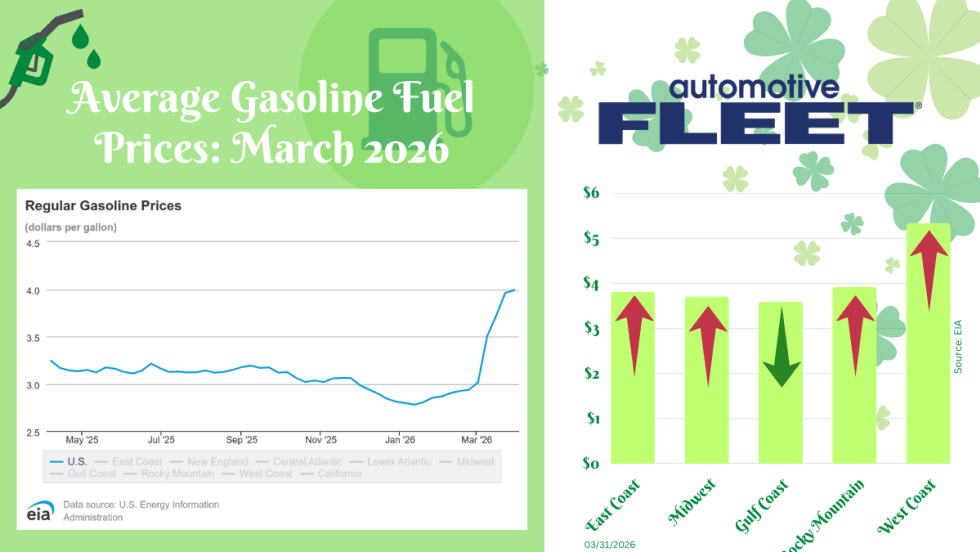
March Fuel Update: Prices Settle With a $4 Average
Fuel prices significantly slowed this week, but a $4 national average is still expected.
Read More →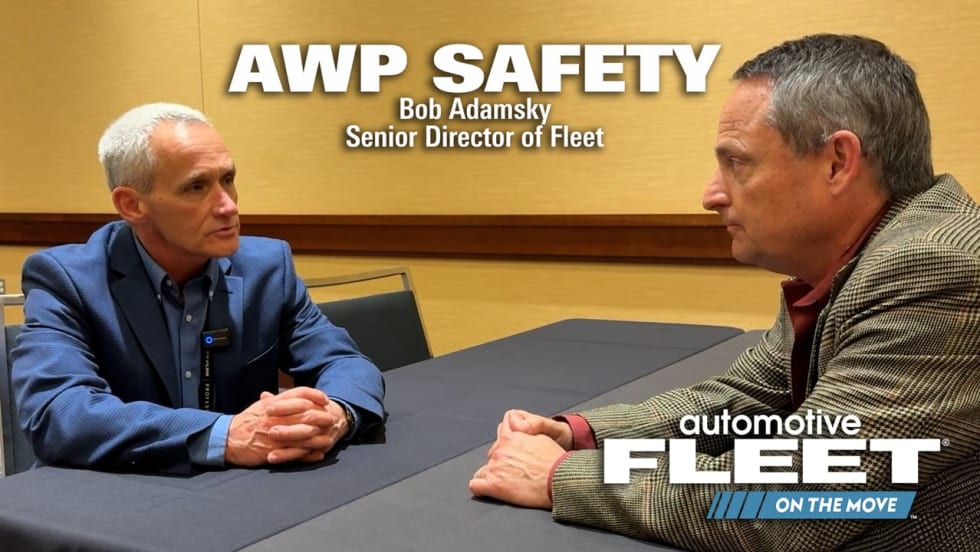
Bob Adamsky on Fuel Volatility: “Don’t Panic — Have a Plan”
With oil prices rising again, AWP Safety’s fleet manager shares how to respond to rising fuel costs and how the right strategy can turn fuel spikes into cost-saving opportunities.
Read More →
Oil Market Turbulence Is Complicating Fleet Cost Planning
Rapid swings in crude oil prices driven by the conflict in the Middle East could create longer-term cost pressures for fleets, affecting fuel prices, supply chains, and vehicle strategy, says NTEA’s Andrew Wrobel.
Read More →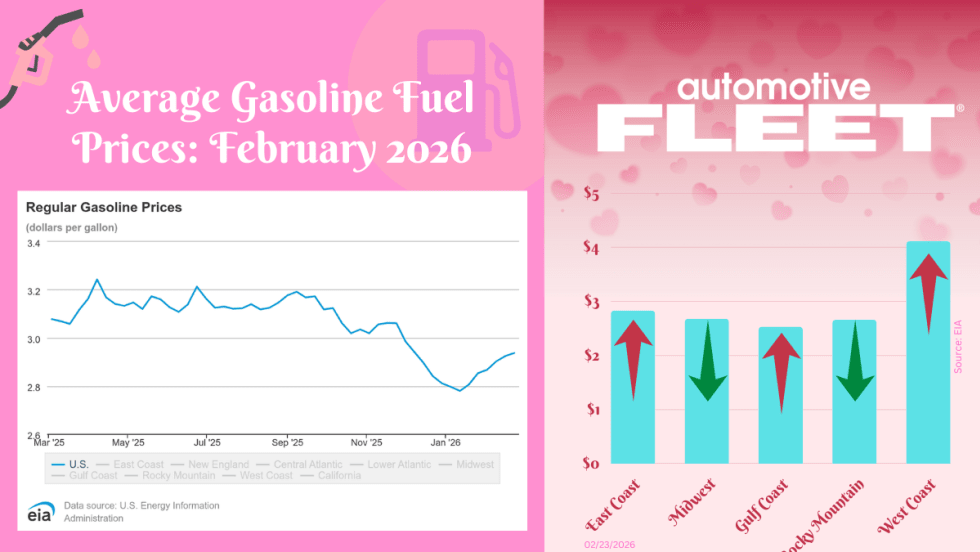
February Fuel Update: Prices Inch Higher for Third Week in a Row
The final February fuel update reveals prices continuing to inch higher for the third week in a row.
Read More →