




Launch of Fleet Remarketing Association Signals New Era for Vehicle Lifecycle Value and Data Stewardship
The Association, dedicated to advancing the remarketing phase of the vehicle lifecycle, held its kick-off meeting on April 16 at the 2026 Conference of Automotive Remarketing (CAR) in Cleveland.


The Association is dedicated to maximizing asset value, strengthening data governance practices, and supporting a more connected and transparent secondary ownership market.
Credit: Fleet Remarketing Association
On April 16 at the Conference of Automotive Remarketing (CAR) in Cleveland, the newly formed Fleet Remarketing Industry Council (FRIC) announced its intent to establish the Fleet Remarketing Association (FRA), a new non-profit organization dedicated to advancing the remarketing phase of the vehicle lifecycle.
The initiative represents a significant step toward formalizing a critical segment of the fleet ecosystem — with a focus on maximizing asset value, strengthening data governance practices, and supporting a more connected and transparent secondary ownership market.
“For too long, remarketing has been treated as the end of the fleet vehicle lifecycle — when in reality, it’s the beginning of the next one,” Colin Sutherland, CEO of Bobit Business Media and founder of the Council and Association, said at CAR.
“The Fleet Remarketing Association is being formed to build a bridge between first ownership and second ownership — preserving value, ensuring data integrity, and supporting an ecosystem that benefits every stakeholder in the chain.”
About Fleet Remarketing Association (FRA)
The FRA is being established as a non-profit organization dedicated to advancing the remarketing phase of the vehicle lifecycle through education, standards, and ecosystem collaboration.
The FRA welcomes fleet owners, fleet management companies, OEMs, and suppliers aligned in maximizing value, ensuring data continuity, and enhancing the secondary ownership experience.
The FRA is being established as a non-profit organization, with articles of incorporation likely finished by July, said Sutherland. After that point, the FRA will convene its first meeting online.
A Mission Built for the Modern Fleet Economy
As fleets become increasingly data-driven and software-enabled, the remarketing phase of the vehicle lifecycle has emerged as a critical — yet underdeveloped — opportunity for value preservation and operational continuity.
The Fleet Remarketing Association is being formed with a clear charter to support:
Fleet Owners & Operators — Delivering education, standards, and best practices to maximize resale value and lifecycle ROI
Fleet Management Companies (FMCs) — Enhancing remarketing strategies and data continuity across ownership transitions
Suppliers & Ecosystem Partners — Creating a unified marketplace that supports services tied to secondary ownership
Association's Core Pillars
The Association is governed by four core pillars:
1. Maximizing Vehicle Residual Value
Providing education, benchmarks, and tools to help fleets optimize timing, condition, and channel strategies to achieve the highest resale outcomes.
2. Data Consent & Digital Chain of Custody
Advocating for standardized frameworks that ensure telematics, vehicle data, and software permissions are properly transferred, reset, or reassigned at the point of title transfer.
3. Upfit Value Preservation
Establishing guidelines and supplier alignment to retain and monetize upfit investments across multiple ownership cycles.
4. Secondary Ownership Experience
Supporting a robust supplier ecosystem that enhances the downstream ownership experience, including upfitting, insurance, safety, telematics, and extended warranties.
Leadership Perspective
“For too long, remarketing has been treated as the end of the fleet vehicle lifecycle — when in reality, it’s the beginning of the next one,” said Colin Sutherland, founder of the Fleet Remarketing Industry Council.
“The Fleet Remarketing Association is being formed to build a bridge between first ownership and second ownership — preserving value, ensuring data integrity, and supporting an ecosystem that benefits every stakeholder in the chain.”
Why This Matters Now
Vehicles are increasingly software-defined and data-rich
Fleets are under pressure to optimize total cost of ownership
Secondary buyers demand greater transparency
Upfit investments are growing in complexity and value
Data privacy and consent regulations are evolving globally
The FRA aims to bring structure, standards, and innovation to a segment of the market that has historically operated without a unified voice.
More Remarketing

When Should a Fleet Repair Vehicle Damage Before Remarketing?
Not every dent, scratch, or mechanical issue is worth fixing before selling a fleet vehicle. Learn how to weigh repair costs, resale value, market demand, and downtime to determine when reconditioning pays off and when selling as-is makes more sense.
Read More →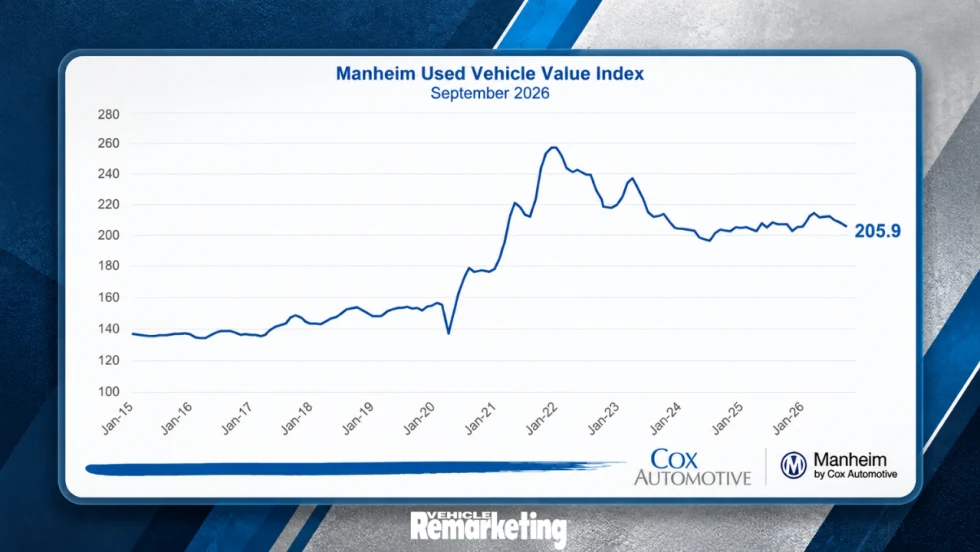
Wholesale Used-Vehicle Values Fall as Cox Automotive Cuts 2026 Forecast
Wholesale used-vehicle prices declined in September as depreciation accelerated, prompting Cox Automotive to lower its year-end forecast.
Read More →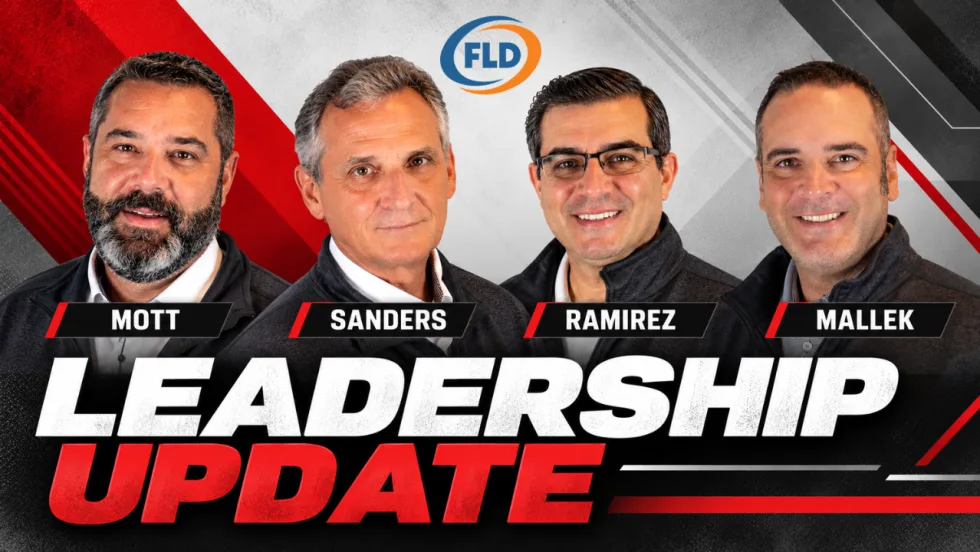
FLD Promotes Three Executives in Leadership Changes
FLD has promoted three longtime executives, naming Gary Mott CEO, Richard Mallek president, and Ron Sanders managing partner.
Read More →
Ford Pro Launches Certified Pre-Owned Program for Commercial Vehicles
Ford Pro Advantage will offer certified pre-owned Class 1-7 commercial vehicles through more than 700 Ford Pro Commercial Vehicle Centers.
Read More →
Copart to Acquire ACV in $1.9 Billion Deal
The acquisition would expand Copart beyond its traditional salvage business into dealer-to-dealer wholesale remarketing while adding ACV’s vehicle data, inspection, and valuation technology.
Read More →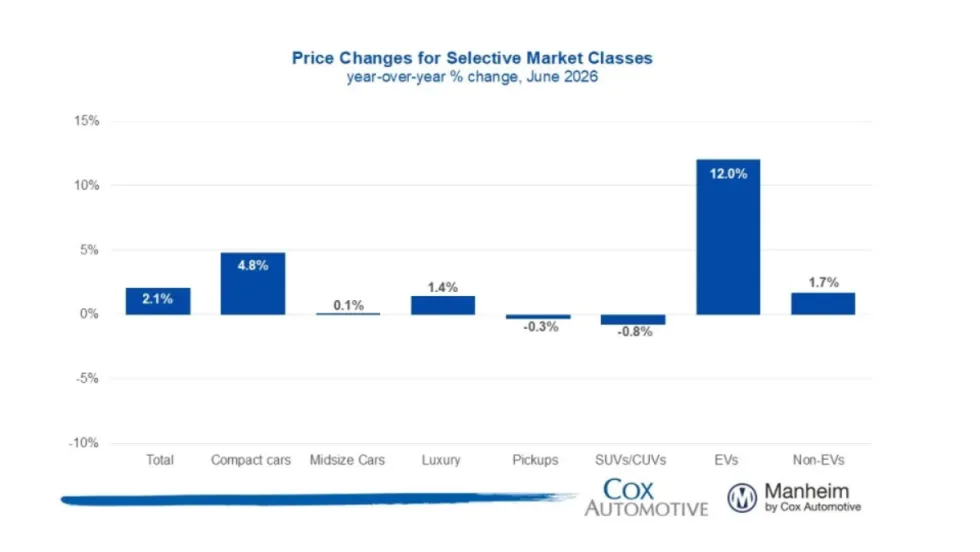
Manheim Index Shows Used-Vehicle Wholesale Prices Up 2.1% in June
The market is seeing stronger appreciation in older used vehicles this year, and the most affordable segments have been among the year’s best performers.
Read More →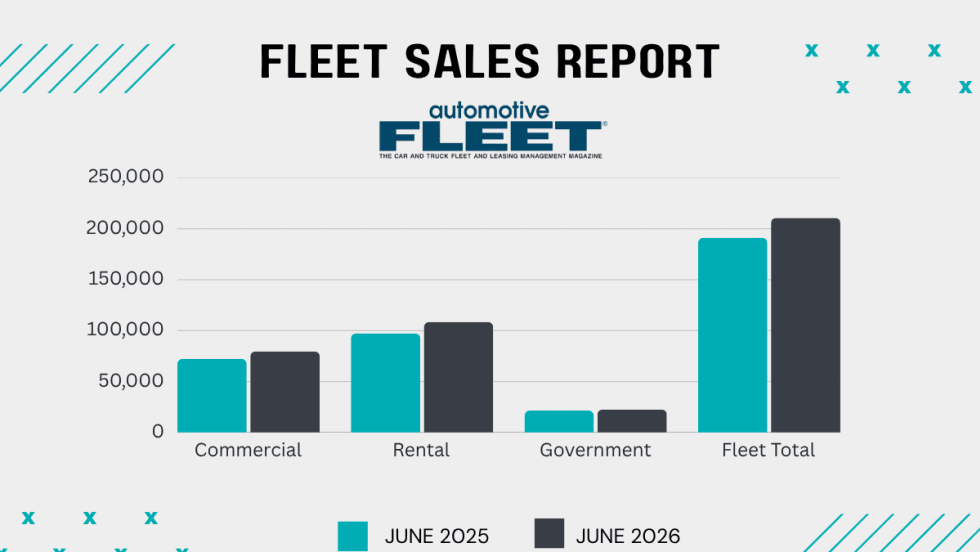
Commercial Fleet Sales Contribute To June, YTD Gains
The fleet sector has boosted its vehicle purchases at a reliable pace in the first half of this year compared with 1H 2025.
Read More →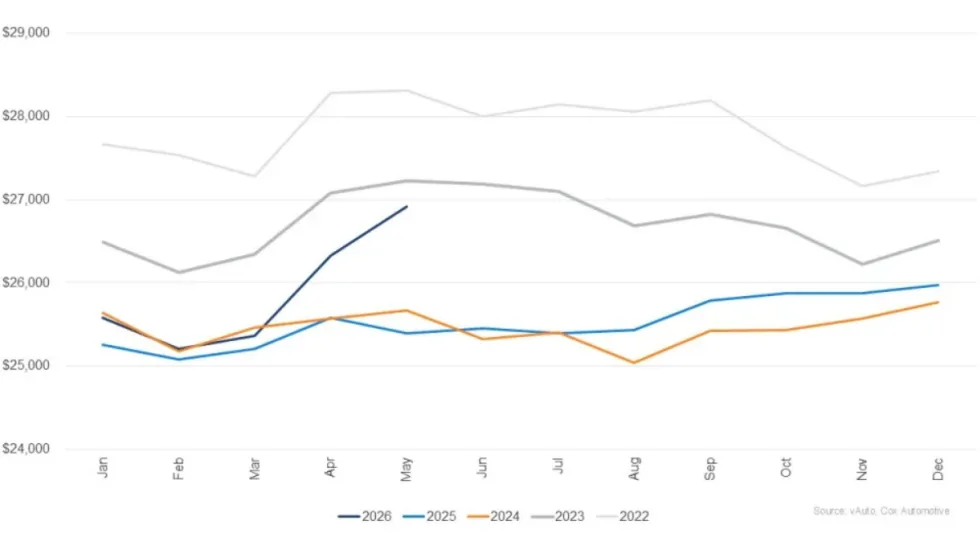
Used Vehicle Prices Climb Higher As Sales Pace Slows
The higher prices at used retail reflect strong wholesale values earlier in the spring, particularly for older, more affordable vehicles.
Read More →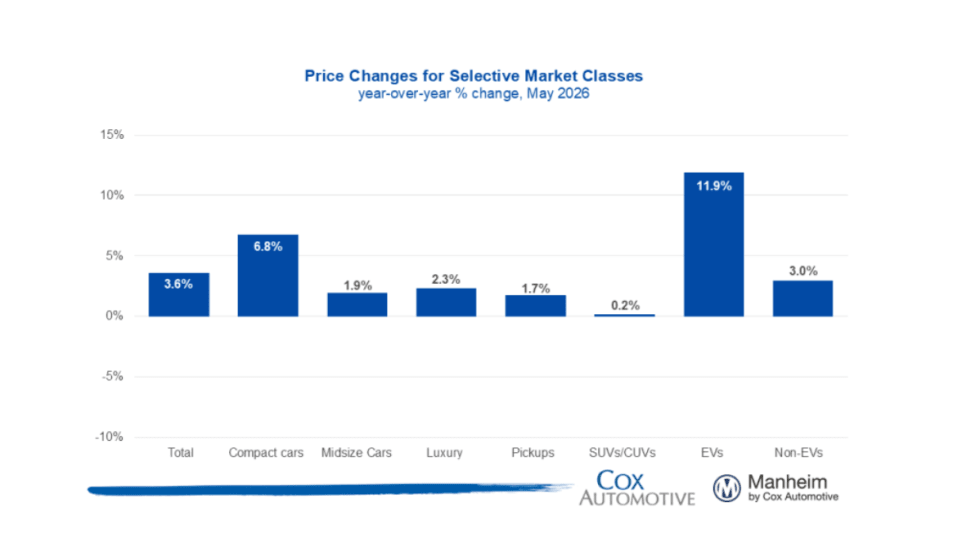
Wholesale Used Vehicle Market Sustains Moderate Rise In Values, Prices
Trends continue to normalize after a strong start to the year, as consumers contend with higher gas prices in the coming summer months.
Read More →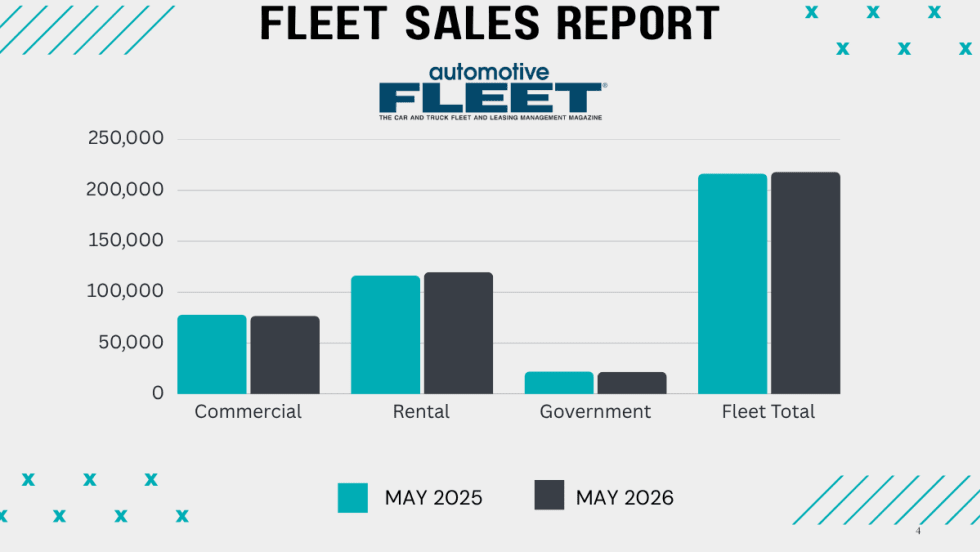
Commercial Fleet Sales Still Lead Sectors Despite May Mini Dip
The U.S. economy's continued growth and positive business investment are creating a favorable environment for fleet vehicle demand.
Read More →