





Learn More: Preparing Your Fleet for Electrification
Large Fleet Buyers Outline Their EV Wishlist for Manufacturers
A survey projects and details what electric cars and trucks major companies are seeking for their future transportation needs.
January 21, 2022
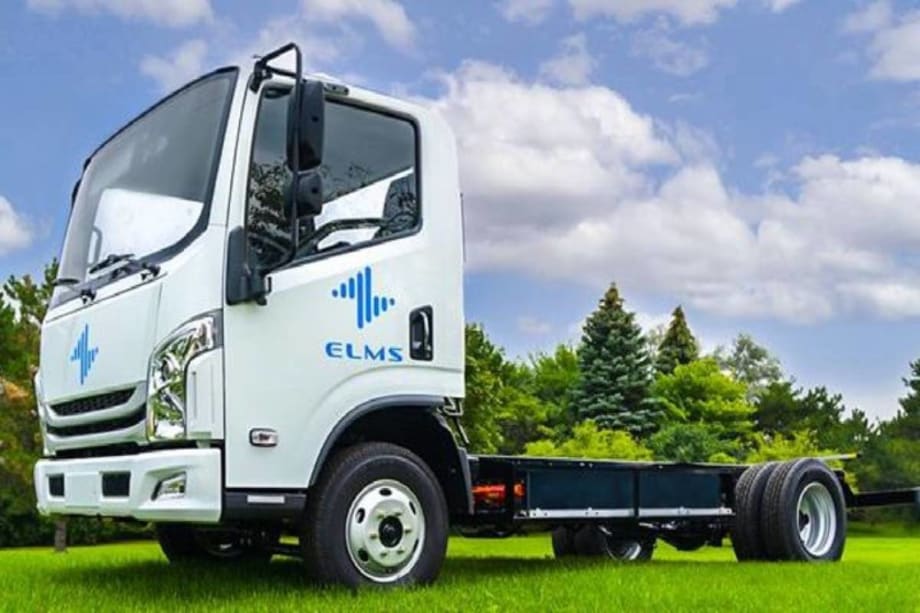
Alliance members who participated in the survey collectively plan to procure nearly 333,000 electric vehicles including sedans, SUVs, pickups and box trucks, such as this ELMS Class 3 electric truck pictured. The findings are a bellwether for any vehicle manufacturer aiming to remain competitive in the auto and truck industry of the future.
Photo: ELMS
5 min to read
Members of the Corporate Electric Vehicle Alliance presented top vehicle manufacturers, including Volvo, GM, Daimler and Toyota, with a roadmap for developing the types of electric vehicles that companies plan to acquire in the U.S. over the next five years.
The recommendations are based on a new Ceres analysis of the aggregate results of an internal Alliance survey, which found that the Alliance members who participated in the survey collectively plan to procure nearly 333,000 electric vehicles including sedans, SUVs, pickups and box trucks. according to a Jan. 21 news release summarizing the survey.
The findings are a bellwether for any vehicle manufacturer aiming to remain competitive in the auto and truck industry of the future — 96% of the survey respondents indicated a willingness to switch manufacturers if that's what it took to get their desired electric vehicle configurations. The Alliance members, which include Amazon, Best Buy, DHL, and Schindler Elevator, collectively own, lease or operate nearly 1.3 million on-road vehicles in the United States.
“Automakers are already moving toward electric vehicles, but by establishing clear lines of communication between manufacturers and major consumers, we can accelerate that transition to the point where we’re meeting critical climate goals as well as fleets’ operational needs,” said Sara Forni, director of clean vehicles at Ceres, in the news release. “This survey leaves no doubt that if manufacturers want to remain relevant over the next decade, they must prioritize developing specific electric vehicles to meet key commercial use cases, while also working to fulfill niche needs as the industry grows. Alliance members recognize that the future is electric. By speaking with a common voice, they demonstrate the power of collective action to steer and speed the transition to electrified transportation.”
Vehicle electrification is essential to resolving the global climate crisis. Transportation remains the highest greenhouse gas-emitting sector in the U.S. and a top priority sector for the Ceres Ambition 2030 initiative. Ozone and fine particulates from vehicle emissions cause increased death and disease from cardiovascular and respiratory ailments, both in cities and neighborhoods near highways, disproportionately affecting communities of color.
Commercial medium- and heavy-duty cars and trucks carry an outsized impact on U.S. emissions on a per vehicle basis. Alliance members aim to be part of the solution by stepping up to publicly demonstrate their demand for zero emission vehicles.
“As we continue to advance our fleet electrification goals, it is essential that we have access to EV models that get the job done — not only for our own fleet, but for our clients’ fleets as well,” said Hari Nayar, director fleet electrification and sustainability at Merchants Fleet. “We need clean vehicles that enable fleets to operate as they always have, but with key technology and emissions upgrades. Manufacturers that can provide zero-emissions vehicles that meet the operational requirements of large fleet operators will hold a strong competitive advantage over their peers, and will play a critical role in accelerating the transition toward clean, affordable, and reliable transportation.”
Electric vehicle demand data is also an important tool for federal and state policymakers designing new rules and regulations that drive the rollout of clean vehicles. For example, the Advanced Clean Truck rule, designed to accelerate the growth of clean trucks, vans, and other large commercial vehicles, was adopted by six states in recent months after dozens of companies and investors spoke out in support of it.
“As a founding member of the Corporate Electric Vehicle Alliance and as a leader in global logistics and delivery, DHL welcomes the release of the Corporate Electric Vehicle Alliance’s Aggregate Demand Study,” said Greg Hewitt, CEO of DHL Express U.S. “DHL has set an aggressive target of electrifying 60% of its last mile fleet and introducing more environmentally friendly medium- and heavy-duty trucks to its fleet over the next decade. The U.S. market is an important part of our global strategy, and we are hopeful that the projections and insight provided in the report will help accelerate the development and production of new EVs in the market segments most important to our growing industry.”
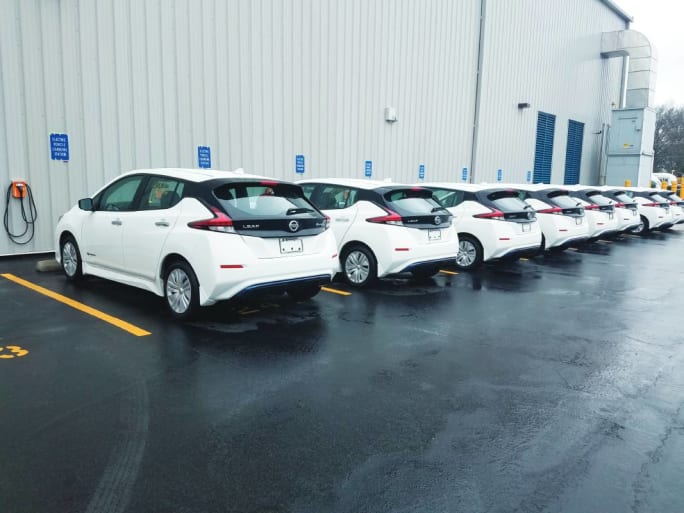
Manufacturers that can provide zero-emissions vehicles that meet the operational requirements of large fleet operators will hold a strong competitive advantage over their peers, and will play a critical role in accelerating the transition toward clean, affordable, and reliable transportation, according to a fleet electrification director at Merchants Fleet.
Photo: Merchants Fleet
The Corporate Electric Vehicle Alliance analysis was released with detailed graphs depicting the findings of the original aggregate survey results. It recommends that auto and truck manufacturers be more transparent about the timing of new model releases and prioritize the design and production of zero emission vehicles that meet the most frequently needed configurations and specifications for major commercial fleets. This entails producing vehicles that have sufficient battery capacity to get drivers where they need to go while meeting companies’ unique needs. Alliance members believe this prioritization is important because U.S. electric vehicle production capacity is still on average lower than that of internal combustion engine vehicles.
Ceres launched the Corporate Electric Vehicle Alliance in 2019, committed to a vision of a market where electric vehicle models are available to meet commercial and vocational needs, are accessible to all companies, and are cost competitive with internal combustion engine vehicles. Many Alliance members have set strong corporate climate goals that will require fleet electrification. Together, members establish a clear, growing demand signal and a roadmap for manufacturers looking to compete in the global vehicle market.
Key findings include:
Battery Preference
Alliance members prefer battery-electric vehicles over plug-in hybrids or hydrogen fuel cell electric vehicles across most vehicle types.
Charging Location Flexibility
While respondents indicated that most charging would take place at private locations such as employee homes or fleet depots, they noted that on-road charging is a critical element of the commercial transition to electric vehicles, particularly for regional and long-haul freight.
Electric Sedans
Sedans accounted for more than three-quarters of planned light-duty vehicle procurements.
Desired Vehicle Specifications
The analysis includes an aggregate list of detailed desired specifications including minimum electric range, towing capacity and cargo space, across vehicle types.
Alliance members will continue pursuing opportunities to provide information and additional insight on their various use cases to auto and truck manufacturers, policymakers, and other stakeholders regarding their vehicle needs and procurement plans.
Topics:Fleet electrificationvehicle purchasingElectric Vehiclesfleet managementGreen FleetFleet Forward
Originally posted on Charged Fleet
More Green Fleet
Sponsored•October 1, 2026
New Propane Autogas Program Offers Fleet Compensation
Qualified commercial fleets can receive $7,500 per eligible propane autogas vehicle and up to $10,000 for new refueling site prep. Learn how the program works and see whether your fleet qualifies.
Read More →
EV Charging Use Is Outpacing Infrastructure Growth
ChargePoint’s 2026 Charging Forward Report points to rising charger use, higher-powered charging, commercial vehicle electrification, and energy-management technology. Here’s what fleets should know.
Read More →
Merchants Fleet Reports 290M EV Miles as Fleets Navigate Changing Electrification Market
From millions in operating savings to hundreds of millions of EV miles, Merchants Fleet’s latest report reveals what’s working and what’s changing in fleet electrification.
Read More →
The EV Breakdown Nobody's Talking About: Why Most Electric Vehicle Roadside Calls Aren't Mechanical Failures
Here's why EV breakdowns are widely misunderstood.
Read More →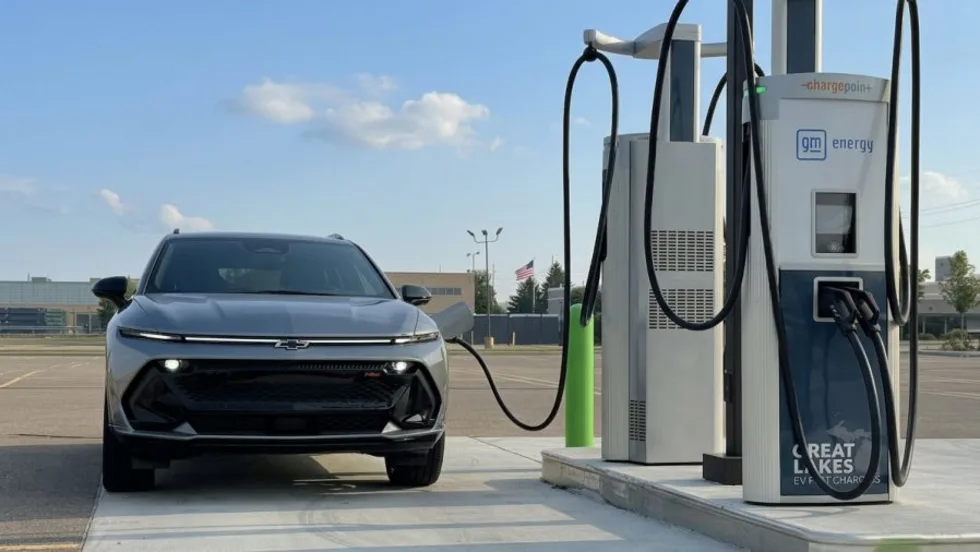
ChargePoint Now Available in Energy Pass
ChargePoint and additional planned charging network integrations were added to GM's Energy Pass.
Read More →
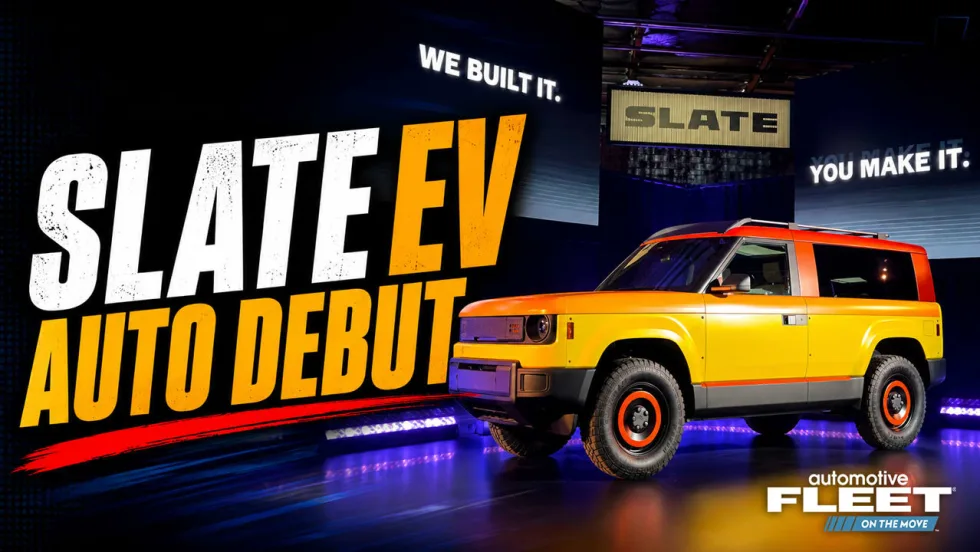
First Look: Slate Auto's Electric Fleet Pickup
Could an affordable, modular EV pickup make electrification more practical for fleets?
Read More →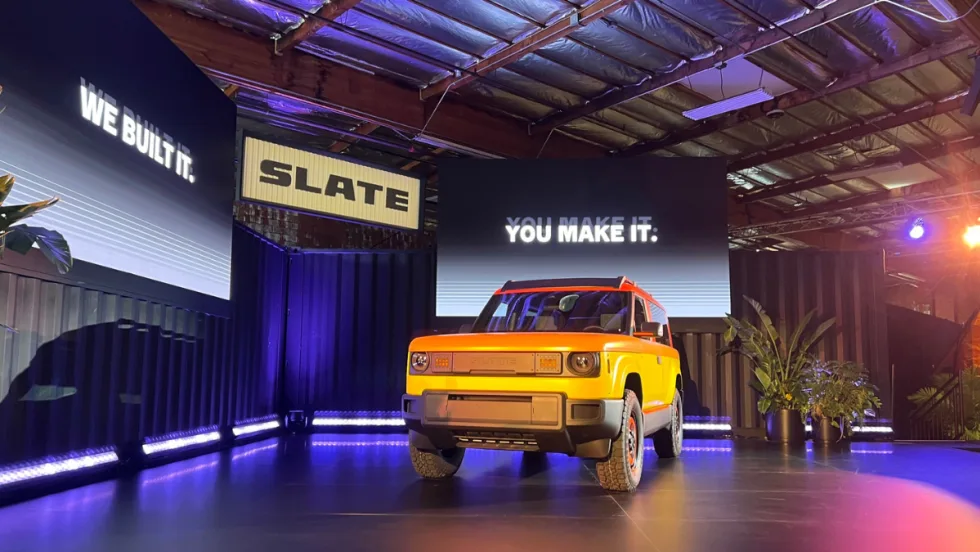
Slate Debuts Colorful, Unique EV Models
A recent media and client event, studded with electric vehicles dressed up on platforms, planted a new position for the manufacturer in the wider EV market. Fleets will find cost-saving advantages.
Read More →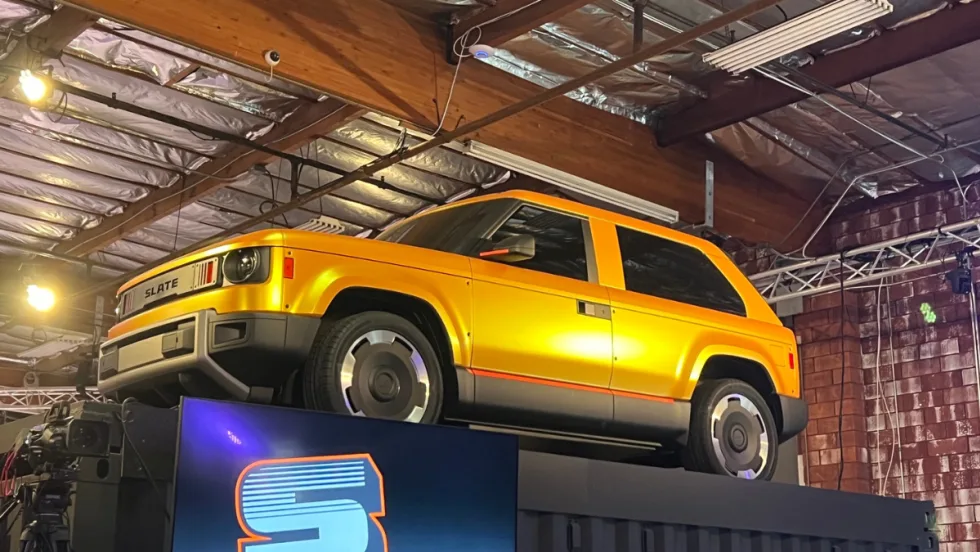
Slate Electric SUV, Pickup Switchable Model Aims For Light-Duty Fleets
Everything about this EV is counterintuitive and understated, making it stand out from the crowd.
Read More →
Inspiration Mobility Acquires Key Electrada Assets
Inspiration Mobility Group has acquired select assets of Electrada, adding the fleet electrification provider's team, technology, and charging infrastructure development capabilities to its energy management business.
Read More →