




L.A. Mayor Proposes to Cut City Staff Fleet
LOS ANGELES --- A new cost-cutting proposal from Los Angeles Mayor Antonio Villaraigosa, which would eliminate most of the vehicles in the city's executive motor pool as well as some cars from other fleets, is generating controversy.
LOS ANGELES --- A new cost-cutting proposal from Los Angeles Mayor Antonio Villaraigosa, which would eliminate most of the vehicles in the city's executive motor pool as well as some cars from other fleets, is generating controversy. Critics argue that the plan undermines Villaraigosa's pledge to reduce greenhouse gas emissions and transform the city into the "greenest and cleanest big city in America," the L.A. Times reported.
The cars in question, issued to elected leaders and their top deputies, are mostly fuel-efficient vehicles like Toyota Priuses and Honda Civics. Critics of Villaraigosa's proposal argue that if the cars are returned to the City Hall motor pool for resale, city officials will be forced to rely on their own personal cars and that will translate into greater emissions.
The Mayor's proposal would require City Council approval.
"We have made great strides in diversifying the fleet to improve our air quality," Councilwoman Jan Perry, who drives a city-issued 2006 Honda Accord Hybrid, told the L.A. Times. "It would be a dereliction of our duties to take a step back."
But Villaraigosa counters that city leaders must set an example as the city starts implementing budget-tightening measures. In addition, his office has argued that other budget proposals will compensate for any increase in carbon dioxide emissions. For example, the mayor backs a plan to sell 512 additional vehicles in the city's fleet. Another proposal calls for reducing the city government's fuel consumption to 1998 levels.
Under Villaraigosa's plan, the 15 council offices would lose 93 of 108 cars. That leaves just one for each Council member. The major's office would lose 27 of its 28 cars, leaving only Villaraigosa with a city-issued GMC Yukon SUV. In total, 236 cars would be returned to the general City Hall motor pool for resale.
More Fuel
WEX Report: Fleet Fuel Costs Rise as Purchasing Volumes Hold Steady in 2026
New analysis of WEX customer transaction data highlights rising fuel expenses, differences in purchasing behavior, and opportunities for fleet managers to evaluate operating costs.
October Fuel Trends Show Diverging Gasoline and Diesel Prices
Get the latest fuel trends from October.
Fuel Prices Surge in September | September Fuel Update
September brought major fuel price swings, including diesel crossing $6 a gallon. Here’s how gas and diesel prices changed throughout the month, and where they stood heading into October.

Turning Fleet Payment Data into Executive Insights
Ramel Lindsay of U.S. Bank Voyager discusses how fleets can transform payment and transaction data into actionable intelligence to reduce costs, improve oversight, and support executive decision-making.
Why the IRS Raised Its Mileage Rate in the Middle of 2026
Fuel-price volatility drove the rare increase to 76 cents per mile, the fifth midyear adjustment since 2000.
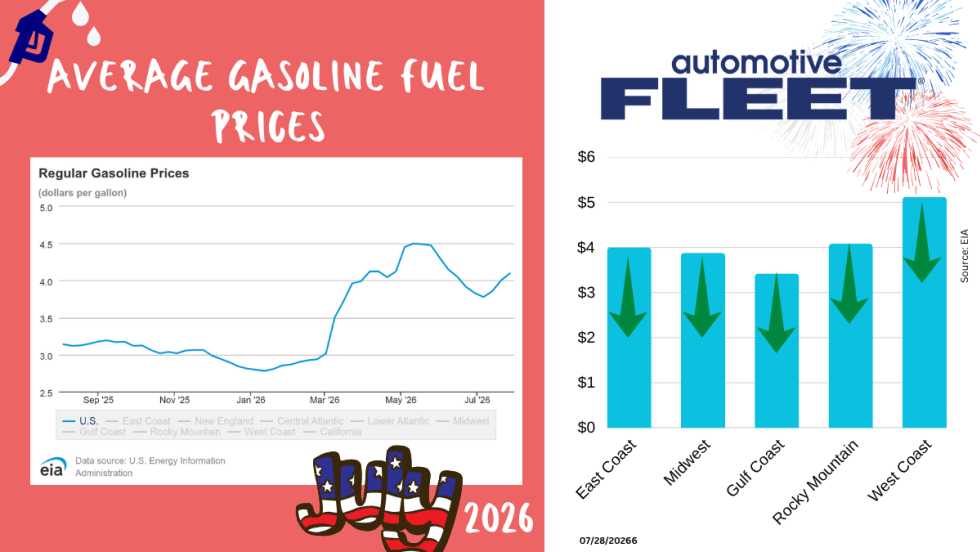
July Fuel Update: Prices Keep Rising in Light of More Conflict
Gas prices continue to rise as more and more conflicts do, too.
Bob Adamsky on Fuel Volatility: "Don't Panic, Have a Plan."
When it comes to up and down fuel prices, Adamsky has a message for fleets: “Don’t panic.”

How Fleets Can Gain Control of Non-Fuel Spend
Fuel often gets the spotlight, but non-fuel expenses can have a major impact on fleet costs. Ramel Lindsay of U.S. Bank Voyager discusses how fleets can gain better visibility and control over these often-overlooked expenditures.

Fuel is Just the Start: How Middle East Tensions are Driving Up Fleet Maintenance Costs
The Middle East conflict is doing more than pushing up fuel prices. It’s also raising the cost of key maintenance products your fleet depends on, from motor oil to tires to windshield wipers. Here’s what you need to know about this budget-busting situation.
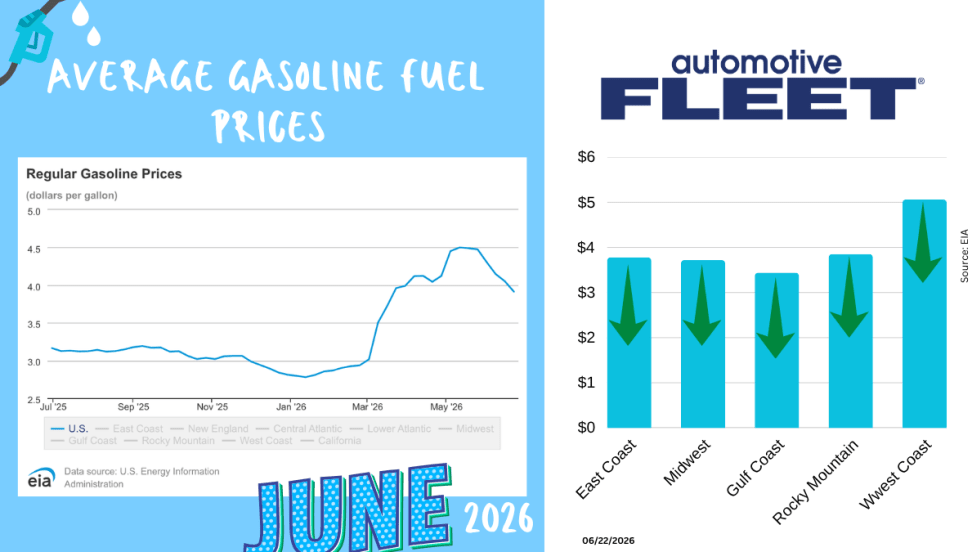
June Fuel Update: Prices Fall Below $4
Drivers are finally getting some relief at the pump. The national average gas price has dropped below $4 a gallon for the first time in months, with prices falling in 47 states as oil markets react to developments in U.S.-Iran negotiations.