




Kraft Foods Cuts More Than 50 Million Truck Miles
NORTHFIELD, IL - Since 2005, Kraft Foods' sustainability projects have saved the company more than 50 million miles in its global transportation and distribution network.
NORTHFIELD, IL - Since 2005, Kraft Foods' sustainability projects have saved the company more than 50 million miles in its global transportation and distribution network.
"We think about miles, piles and idles when moving our product," said Steve Yucknut, vice president, sustainability. "We're finding ways to drive fewer miles, reduce inventory piles, and eliminate idling trucks. We're collaborating with customers and suppliers. And we're using a number of high-tech innovations for our trucks and warehouses to reduce energy and CO2 emissions."
In North America, Kraft Foods saved more than a million miles, replaced 10,000 truck shipments, and reduced 2,000 tons of CO2 emissions by shipping wheat via waterways to its Toledo, Ohio, flour mill.
The company has purchased 11 North American hybrid direct store delivery vehicles for frozen products, with hybrid power train and electric refrigeration technology consuming 30-percent less fuel than a traditional truck, according to the company.
Earlier this month, the U.S. Environmental Protection Agency (EPA) awarded Kraft Foods for its environmental excellence, innovation and creativity. As part of its participation in the EPA's SmartWay Transport Partnership (www.epa.gov/smartway), the company has adopted no-idle engine policies at its shipping locations, piloted a hybrid frozen delivery truck program, and increased its use of intermodal (rail and barge) transport.
Using Oracle Transportation Management to create Project MOST (Management of Optimized Sustainable Transportation), the company measures truck movements and designs new trip segments to minimize "empty miles," eliminating more than 500,000 miles last year. Now, Kraft Foods' private fleet and its top 50 carriers use the software and Oracle has recognized the company for its work with its 2009 "Enable the Eco-Enterprise" award.
Kraft Foods' 20 largest plants and distribution centers in North America use software from Transportation/Warehouse Optimization to maximize product per truckload, taking the equivalent of 1,500 trucks off the road and more than a million off the highway system.
With a reported 5,156 vehicles in its U.S. fleet, the company ranked #72 on Automotive Fleet's 2009 Top 300 Commercial Fleets listing.
For more on Kraft Foods' global efforts, click here.
More Green Fleet

Merchants Fleet Reports 290M EV Miles as Fleets Navigate Changing Electrification Market
From millions in operating savings to hundreds of millions of EV miles, Merchants Fleet’s latest report reveals what’s working and what’s changing in fleet electrification.
Read More →
The EV Breakdown Nobody's Talking About: Why Most Electric Vehicle Roadside Calls Aren't Mechanical Failures
Here's why EV breakdowns are widely misunderstood.
Read More →
ChargePoint Now Available in Energy Pass
ChargePoint and additional planned charging network integrations were added to GM's Energy Pass.
Read More →

First Look: Slate Auto's Electric Fleet Pickup
Could an affordable, modular EV pickup make electrification more practical for fleets?
Read More →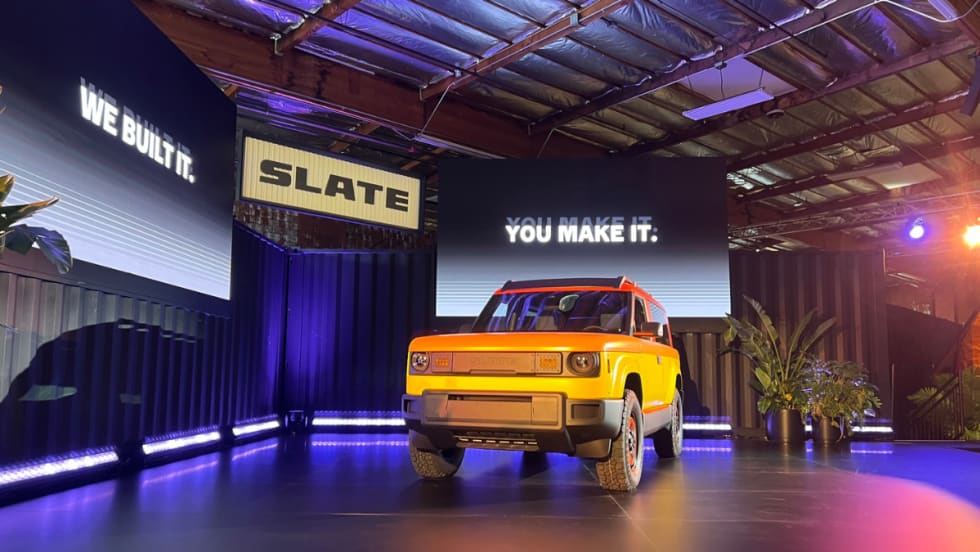
Slate Debuts Colorful, Unique EV Models
A recent media and client event, studded with electric vehicles dressed up on platforms, planted a new position for the manufacturer in the wider EV market. Fleets will find cost-saving advantages.
Read More →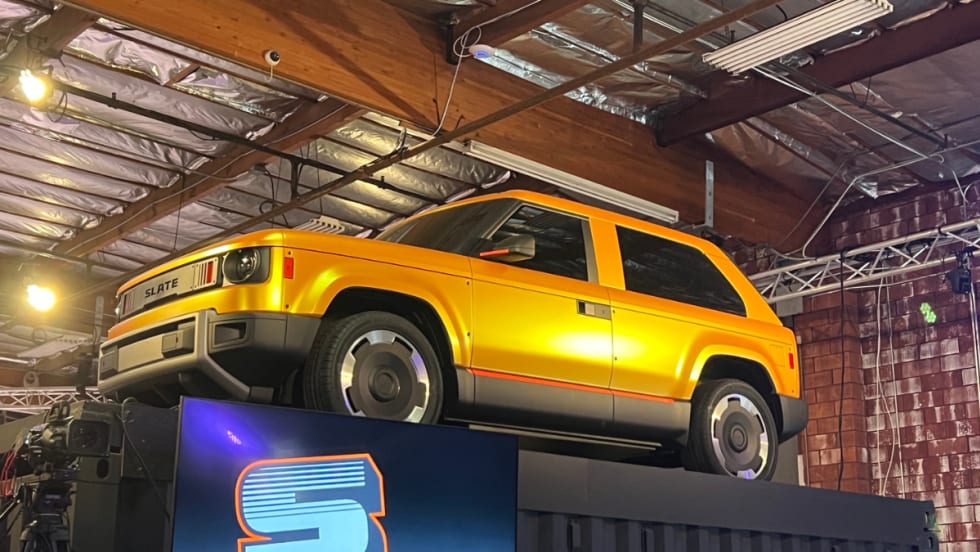
Slate Electric SUV, Pickup Switchable Model Aims For Light-Duty Fleets
Everything about this EV is counterintuitive and understated, making it stand out from the crowd.
Read More →
Inspiration Mobility Acquires Key Electrada Assets
Inspiration Mobility Group has acquired select assets of Electrada, adding the fleet electrification provider's team, technology, and charging infrastructure development capabilities to its energy management business.
Read More →
Turning Connected Vehicle Data Into Decisions That Matter
Fleet leaders have more data than ever, but turning that data into clear, actionable decisions remains a challenge. This white paper shows how leading organizations are using connected vehicle data to improve safety, reduce costs, and optimize fleet performance. Learn how to turn insight into action across your fleet.
Read More →
Are You Tracking Your Fleet's True Total Cost of Ownership?
Bobit Business Media surveyed 190 fleet professionals and found that while most fleets are tracking costs, fragmented systems and data gaps are keeping true TCO visibility out of reach. With rising pressure to control spend in an increasingly volatile environment, the gap between what fleets think they know and what the data actually shows is wider than you might expect. See how your peers are managing costs today and where the industry still has room to improve.
Read More →