




Iowa DOT Achieves Near-Zero Emissions with 100% Biodiesel Trucks
The Iowa DOT is committing to a lower carbon footprint in their state fleet by operating these ten snow removal and road maintenance trucks with Optimus Technologies’ advanced fuel system technology, powered by 100% biodiesel.

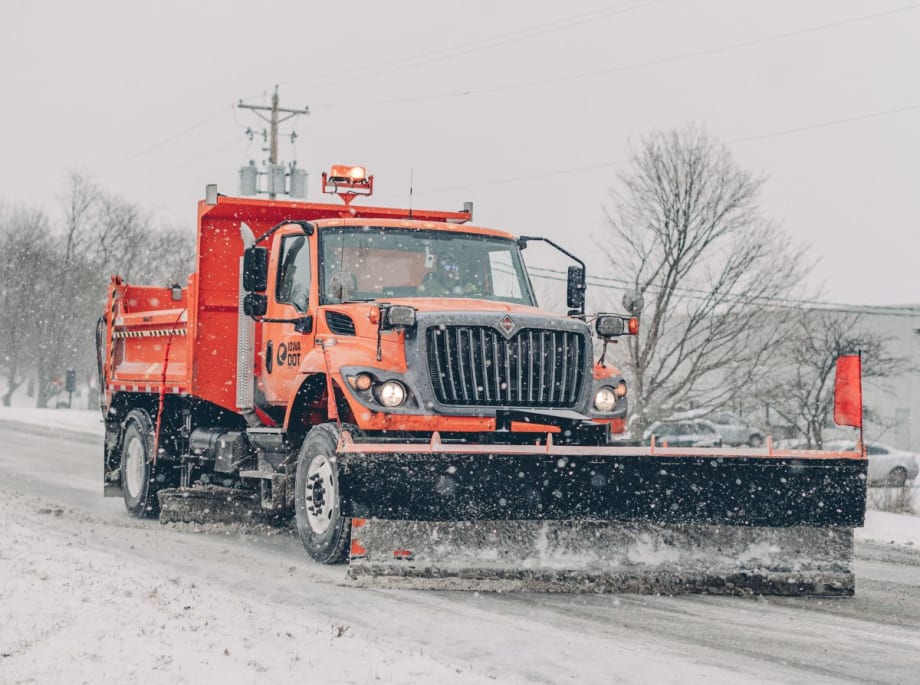
The Iowa DOT committed to a lower carbon footprint through the use of B-100 in its snowplow truck fleet.
Photo: Iowa DOT
This past winter, the Des Moines, Iowa, area got pummeled with over two feet of snow. While most residents stayed bundled inside, ten Iowa Department of Transportation (DOT) snowplows were on the roads, clearing snow and cleaning the air.
The Iowa DOT is committing to a lower carbon footprint in their state fleet by operating these ten snow removal and road maintenance trucks with Optimus Technologies’ advanced fuel system technology, powered by 100% biodiesel (B-100), according to the fleet.
Over the course of the winter season, these vehicles used more than 9,000 gallons of biodiesel and successfully treated almost 55,000 miles of roadway, significantly lowering their carbon emissions at the same time. They are the first DOT in the nation to deploy sustainable solutions in their plows, leading the country in B-100 adoption as electric alternatives don’t exist and would not be as effective in these applications.
Biodiesel is a cleaner alternative to petroleum diesel and is a readily available, sustainable solution for fleets, according to Optimus Technologies. Suitable for use in any diesel engine, biodiesel can be adopted by fleets in varying blends from 5% biodiesel, or B-5, all the way up to 100% (B-100). Blends above 20% biodiesel require upgrades to engines to ensure compatibility and successful operational performance. Biodiesel is classified as an advanced biofuel by the EPA because it reduces carbon emissions by more than 50%; in fact, Optimus noted that 100% biodiesel reduces scope 1 carbon emissions by over 95% compared to traditional petroleum-based diesel fuel.
“The Iowa Department of Transportation is becoming a global leader in carbon reductions while taking the next steps forward toward the state’s sustainability goals,” said Todd Cogdill, fleet manager for the Iowa DOT. “This is coming to fruition as a result of Optimus’ advanced technology coupled with fuels produced right here in Iowa.”
The Iowa DOT is one of the original early adopters of biodiesel in its fleet. For more than 20 years, the Iowa DOT has utilized B-20. The Vector System enables Iowa DOT to increase biodiesel usage to 100% by eliminating traditional issues associated with higher biodiesel blends, such as gelling, even in sub-zero temperatures. This project is another example of the Iowa DOT demonstrating their forward-looking leadership. In 2020 Iowa DOT launched an initial B100 test project with five upgraded trucks; due to the success of the original project, Iowa DOT has since placed two additional orders, ordering a total of five new trucks equipped with the B100 technology, bringing the total to ten.
“The Iowa DOT senses the same urgency that we’re seeing globally – municipalities, states, and countries are faced with directives to immediately reduce carbon emissions,” said Colin Huwyler, Optimus’ CEO. “We’re seeing a significant increase in interest for our technology as fleets recognize that options like electric vehicles can’t perform the demanding tasks required in severe-duty applications like snow removal. EVs can’t handle these operations today and I’d guess they likely won’t be suitable for at least the next decade, maybe two. Rather than passing the buck, IDOT is setting the example. With Optimus’ technology and Renewable Energy Group’s biodiesel, IDOT is seamlessly integrating low-carbon solutions today.”
The Iowa Department of Transportation is committed to reducing their carbon emissions but cannot afford to sacrifice performance of their fleet vehicles. Performance and reliability are especially critical for public-safety operations like snow removal and road maintenance that the residents of Iowa depend on. As Iowa DOT continues to upgrade their fleet for use with 100% biodiesel, they are able to leverage existing vehicles and infrastructure to achieve significant environmental and financial benefits.
Originally posted on Work Truck Online
More Green Fleet
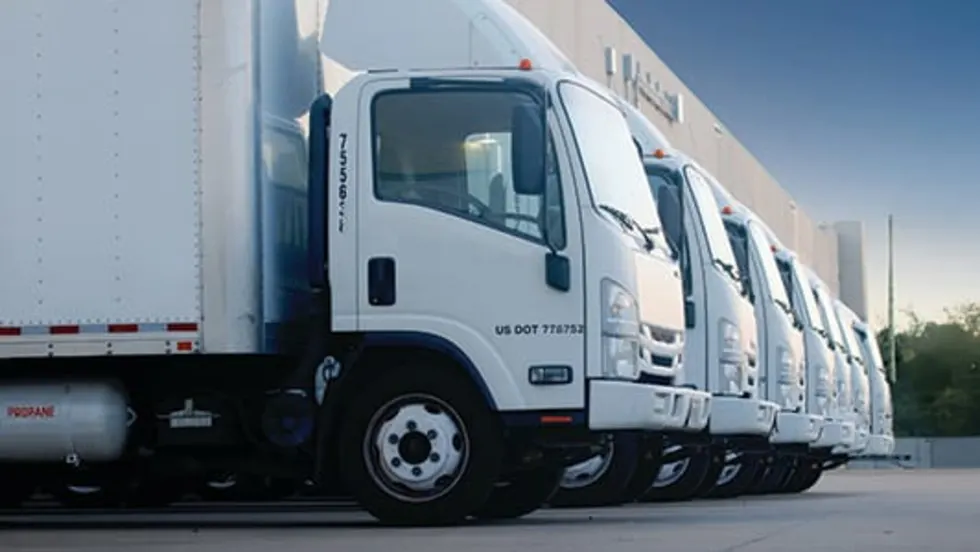
New Propane Autogas Program Offers Fleet Compensation
Qualified commercial fleets can receive $7,500 per eligible propane autogas vehicle and up to $10,000 for new refueling site prep. Learn how the program works and see whether your fleet qualifies.
Read More →
EV Charging Use Is Outpacing Infrastructure Growth
ChargePoint’s 2026 Charging Forward Report points to rising charger use, higher-powered charging, commercial vehicle electrification, and energy-management technology. Here’s what fleets should know.
Read More →
Merchants Fleet Reports 290M EV Miles as Fleets Navigate Changing Electrification Market
From millions in operating savings to hundreds of millions of EV miles, Merchants Fleet’s latest report reveals what’s working and what’s changing in fleet electrification.
Read More →
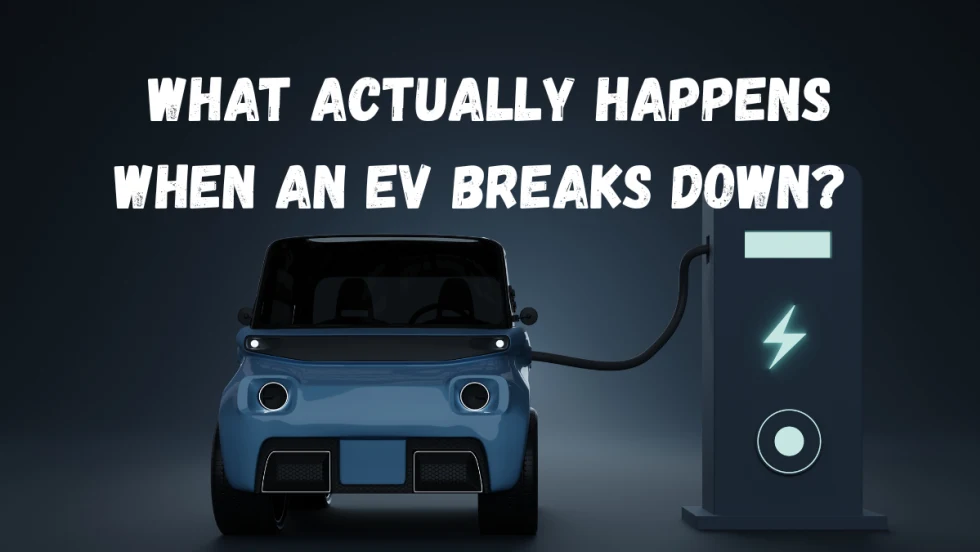
The EV Breakdown Nobody's Talking About: Why Most Electric Vehicle Roadside Calls Aren't Mechanical Failures
Here's why EV breakdowns are widely misunderstood.
Read More →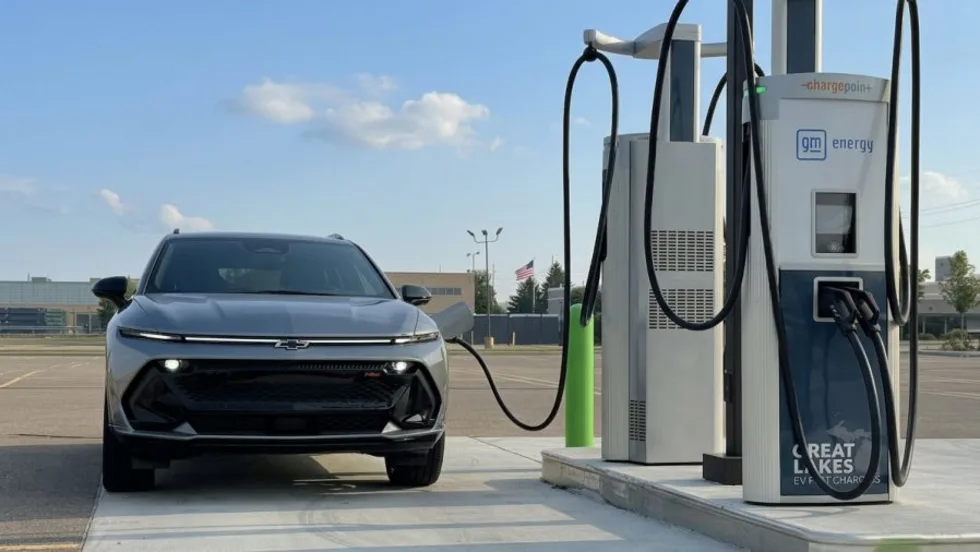
ChargePoint Now Available in Energy Pass
ChargePoint and additional planned charging network integrations were added to GM's Energy Pass.
Read More →

First Look: Slate Auto's Electric Fleet Pickup
Could an affordable, modular EV pickup make electrification more practical for fleets?
Read More →
Slate Debuts Colorful, Unique EV Models
A recent media and client event, studded with electric vehicles dressed up on platforms, planted a new position for the manufacturer in the wider EV market. Fleets will find cost-saving advantages.
Read More →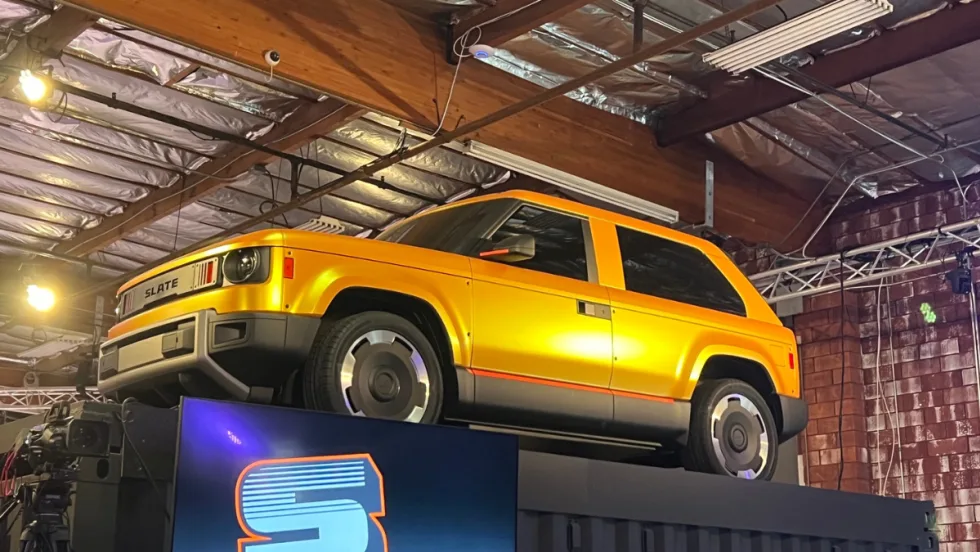
Slate Electric SUV, Pickup Switchable Model Aims For Light-Duty Fleets
Everything about this EV is counterintuitive and understated, making it stand out from the crowd.
Read More →
Inspiration Mobility Acquires Key Electrada Assets
Inspiration Mobility Group has acquired select assets of Electrada, adding the fleet electrification provider's team, technology, and charging infrastructure development capabilities to its energy management business.
Read More →