





More on Trucks in Australia: Brisbane Truck Show in Australia Shatters Attendance Records
Industry Groups Want Australian Zero Emission Truck Strategy
The Electric Vehicle Council, Australian Trucking Association, Heavy Vehicle Industry Association and the Australian Hydrogen Council combined forces to advocate the government for a national truck emissions strategy.
May 30, 2023

Freight and transport industry groups believe “trucks and logistics will be left in the slow lane to decarbonization” if the Australian government's zero emissions policy does not cover trucks.
Photo: Quintin Gellar
2 min to read
Four freight and transport industry groups have issued a joint call for the Australian government to develop and implement a National Zero Emission Truck Strategy.
The Electric Vehicle Council, Australian Trucking Association, Heavy Vehicle Industry Association and the Australian Hydrogen Council have combined forces to advocate for government direction and support beyond light vehicles, expanding the focus of the government’s recently launched National Electric Vehicle Strategy.
That strategy presents a “comprehensive roadmap" to allow Australians a better choice of electric vehicles and “encourage greater use of cleaner, cheaper-to-run vehicles,” according to the Australasian Fleet Management Association. However, the plan does not address zero emissions goals for heavy vehicles.
While applauding the government’s strategy and commitment to a fuel efficiency standard, the four groups believe “trucks and logistics will be left in the slow lane to decarbonization” if the government policy does not cover trucks.
In a joint statement, the industry groups noted “the freight and logistics transport sector contributes 38% of Australia’s transport emissions,” and pointed out government has not developed a plan to reduce the sector’s emissions.
“The Australian trucking industry faces significant barriers to the adoption of zero-emission trucks, including vehicle design rules, lack of electric truck recharging and hydrogen refueling infrastructure, and a temporary but significant higher upfront cost,” the statement reads.
Specifically, the industry collaboration asks the Australian Government:
Develop a national zero emission truck strategy.
Sign the global memorandum of understanding on zero emission trucks, to set clear climate ambition for medium and heavy vehicles.
Fix the regulatory barriers (i.e., width and axle mass limits) to zero emission trucks, to increase vehicle model supply.
Increase investment in electric recharging and hydrogen refueling infrastructure for trucks.
Implement a purchase price incentive for zero emission trucks
Fund and implement an upskilling and reskilling plan to ensure the preparedness of the workforce to transition to a zero emission fleet.
“Australia relies on trucks to function, but right now those trucks need imported oil to keep moving. We don’t need to be this vulnerable because our truck fleet can run on renewable energy we make domestically,” said Behyad Jafari, chief executive, Electric Vehicle Council. “We just need to get the policy settings right. With the EV and the trucking industry agreeing on these principles, the government can act swiftly.”
More Global Fleet
GeoFencing Adds to Your Truck Security Arsenal
Geofencing is a familiar fleet tool today, but its early adoption marked a major shift in vehicle tracking, route monitoring, and the debate over employee privacy.
Read More →
Holman Takes Full Ownership of ARIZA in Mexico
Holman is bringing its Mexican fleet management operation fully under its own brand after more than 30 years as a joint venture. The change gives multinational fleet customers a single Holman operation across the U.S., Canada, and Mexico.
Read More →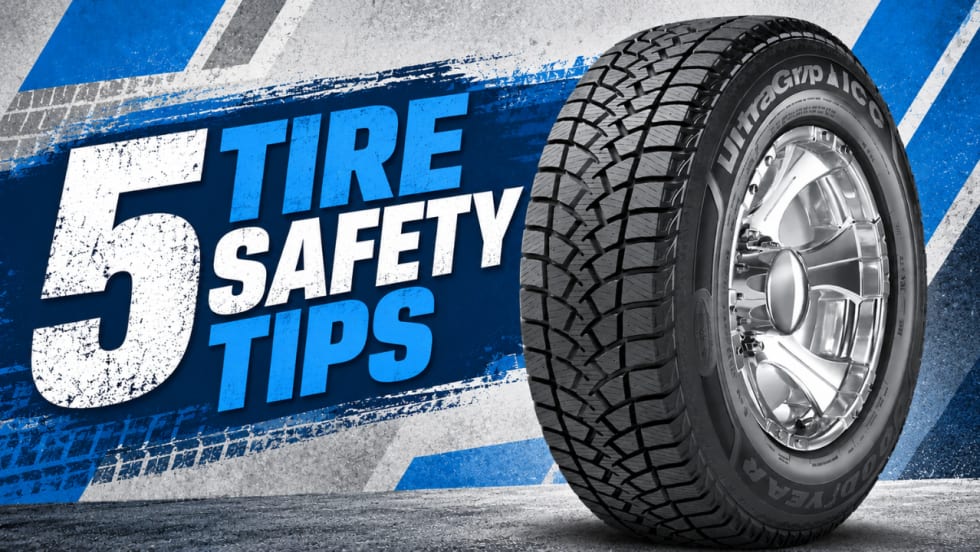
5 Tire Maintenance Tips to Help Prevent Work Truck Downtime
Regular tire checks can do more than extend tread life. These five maintenance practices can help work truck fleets catch problems early, reduce costs, and prevent downtime.
Read More →

Proven Ways to Reduce Work Truck Downtime
The age-old problem of downtime will always be a reality, but with new strategies at hand, fleets have more ways to keep trucks on the road longer.
Read More →


Cameras, Safety and Insurance: From Reactive Claims to Real-Time Prevention (Part 2 of 2)
Part Two: Commercial auto remains one of the most challenging and costly lines of coverage for fleet operators and insurers alike. Continue learning more about how to effectively address these issues from Onur Aksan, Enterprise Business Development Executive, Geotab
Read More →
Cameras, Safety and Insurance: From Reactive Claims to Real-time Prevention
Commercial auto remains one of the most challenging and costly lines of coverage for fleet operators and insurers alike. Learn more about how to effectively address these issues from Onur Aksan, Enterprise Business Development Executive, Geotab.
Read More →
Fleet Costs Are Rising: Here’s How Leaders Are Responding
Fleet leaders are under pressure to reduce costs, adapt to economic uncertainty, and make smarter decisions. See how peers across North America are responding with real data, proven strategies, and forward-looking insights. Download the 2026 Market Pulse Report to benchmark your strategy and uncover where you can gain an edge.
Read More →
Enterprise Fleet Management Surpasses 900,000 Vehicles in U.S. & Canada
Enterprise Mobility connects with mobility solutions around the globe
Read More →