




Impact of Full ELD Enforcement: ‘A Firehose of Violations’
Not just the illegally unprepared may feel the shock starting April 1, when full enforcement of the electronic logging device rule kicks in. That’s because everyone required to operate with an ELD will face “a firehose of violations” issued roadside by law enforcement, predicts Steve Bryan, president of Vigillo.
March 29, 2018


Everyone required to operate with an ELD will face “a firehose of violations” issued roadside by law enforcement, predicts Steve Bryan, president of Vigillo.
3 min to read

Everyone required to operate with an ELD will face “a firehose of violations” issued roadside by law enforcement, predicts Steve Bryan, president of Vigillo.
This Sunday, April 1, will roll in cold and hard for motor carriers and drivers who are not yet compliant with the electronic logging device mandate. That’s when the so-called “soft enforcement” period for ELD violations comes to a screeching halt for all but those exempt from the game-changing rule.
But not just the illegally unprepared could feel the shock of the new day’s dawning. That’s because everyone required to operate with an electronic logging device will face “a firehose of violations” issued roadside by law enforcement, predicts Steve Bryan, president of Vigillo.
Bryan used that arresting metaphor to drive home his point: Data collected during the soft enforcement period indicates that law enforcement is more than ready and able to start assigning Compliance, Safety, Accountability (CSA) points and issuing of out-of-service citations for any violation of the ELD mandate once April 1 arrives.
Full enforcement of the ELD rule will “not be limited to smaller carriers, as already brand-name carriers are being written up” during the ongoing soft enforcement period, he said during a panel on the topic during the Truckload Carriers Association’s annual convention this week in Orlando, Florida.
He said those violations include ones being racked up by ELD-compliant fleets because they may have “drivers who are not using their device correctly or not turning the device on correctly for inspectors” to examine their records of duty status.
According to Bryan, from the start of the mandate on Dec. 18 through the end of February, some 27,000 ELD violations were recorded. He said if that paces holds going into April – and there is no reason it won’t – carriers and drivers will feel like “a fire hose of data has been turned on them.”
On a more positive note, he said that once full enforcement kicks in, hours of service violations tied to the keeping of paper logs should drop off, thanks to the greater accuracy of ELDs – which of course is the whole point of the new rule.
Bryan’s forecast of where enforcement is headed is based on his combing through nearly three months of ELD citations that were being parked in “a holding place,” a temporary violation category, set up by the Commercial Vehicle Safety Alliance to be used during the soft enforcement period so that they wouldn’t ding CSA scores.
But, he stressed, come April 1, those violations will “start to go into their real hours of service violation category,” where they will pack their maximum wallop on CSA points.
“’Soft enforcement’ seems to have gone as planned,” said Bryan. “It was only ‘soft’ because points were not assessed. But when it ends on April 1, a lot of carriers will see a dramatic impact. That even large carriers compliant on ELDs are getting these [violation] numbers [now] means you can’t be complacent about full enforcement.”
More Telematics
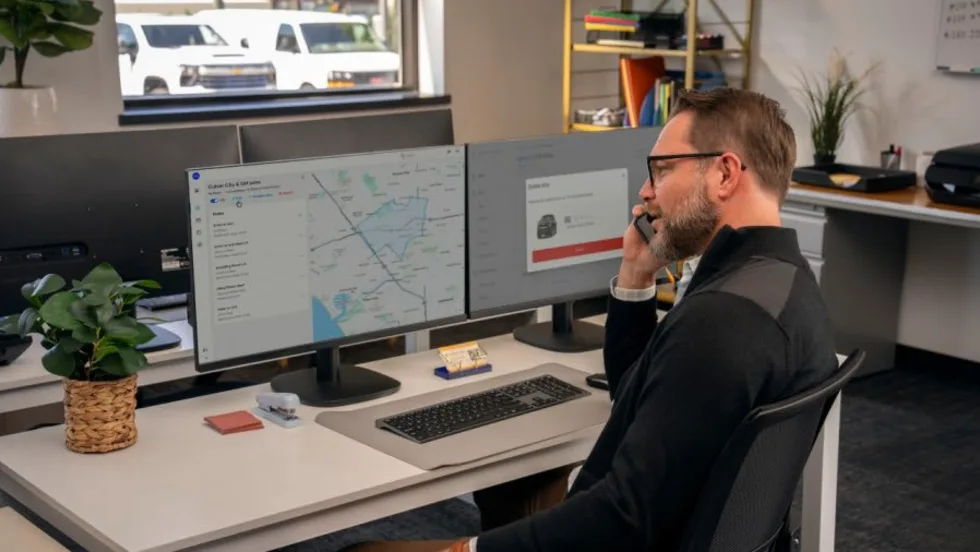
GM Launches OnStar Fleet Intelligence Platform With AI Assistant
The new platform brings vehicle data, order tracking, connected services and fleet analytics into one system, with an AI assistant that can answer fleet questions using natural-language prompts.
Read More →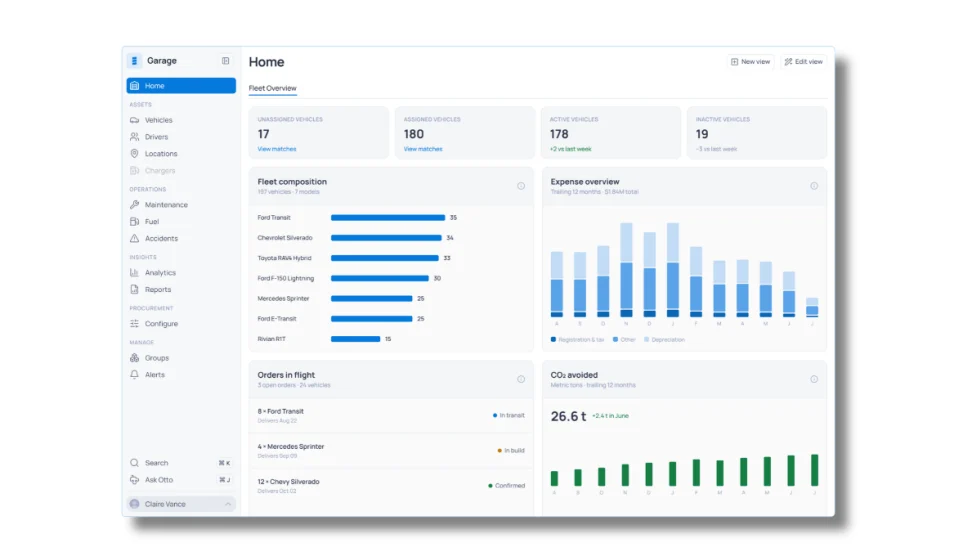
Inspiration Fleet Introduces Garage 2.0 Fleet Intelligence Platform
Fleet managers increasingly have access to data from vehicles, telematics, fuel, charging, and other systems, but those sources don't always communicate with one another. Inspiration Fleet's Garage 2.0 platform brings that information together while letting fleets keep working with different technology and service providers.
Read More →
Inside Inspiration Fleet’s New Platform for Connecting Fleet Data
Inspiration Fleet CTO Chris Getner explains how the new Garage 2.0 platform is designed to connect disparate fleet data and what that could mean for fleet managers in practice.
Read More →
Sponsored•October 1, 2026
Fleet Manager’s Ultimate Playbook: Navigating the New Standard in OEM Connectivity
Rising operating costs, driver safety concerns, and unplanned downtime are putting unprecedented pressure on modern fleets. Discover how fleet managers use embedded OEM connectivity and real-time vehicle data to cut TCO, prevent downtime, and protect drivers without aftermarket telematics hardware.
Read More →
Samsara Driver Perks Adds New Benefit for Corporate Fleet Drivers
The rewards program gives eligible professional drivers access to discounts from more than 50 brands while giving fleets another way to support recruitment, retention, and the driver experience.
Read More →
Inside the Church of Jesus Christ of Latter-day Saints’ Two-Track Telematics Strategy
With 20,000 vehicles and two fundamentally different driver populations, the Church faced a fleet management problem that a single telematics program couldn't solve. How it responded offers a replicable framework for any fleet where one size doesn't fit every driver.
Read More →
How Conversational AI Can Make Fleet Tasks Easier for Drivers
While most generative AI tools help fleet managers interpret data at their desks, Connex2X is applying voice interaction to tasks behind the wheel.
Read More →
Why Fleets Are Creating Dedicated Fleet Analyst Positions
Are fleet analyst positions the new norm? Listen here to find out.
Read More →
Teletrac Navman Begins Next Chapter as Standalone Private Company
What's new with Teletrac Navman and its new owner?
Read More →
Why Fleets Are Creating Dedicated Fleet Analyst Positions
Telematics, AI, EVs, and connected technologies are generating more fleet data than traditional teams can effectively manage. Reed Jackson explains why dedicated fleet analytics roles are emerging to turn that information into better operational decisions.
Read More →