




Icom North America Wins EPA Approval for Bi-Fuel Propane Engines
NEW HUDSON, MI - Icom North America, a developer and manufacturer of liquid injection propane systems for commercial and consumer vehicles, has attained the first U.S. Environmental Protection Agency approval for its Liquid Injection Propane bi-fuel systems for the Ford 6.8L engines, produced for Ford Econoline vans.
NEW HUDSON, MI - Icom North America, the leading innovator, developer and manufacturer of liquid injection propane systems for commercial and consumer vehicles, has attained the first U.S. Environmental Protection Agency approval for its Liquid Injection Propane bi-fuel systems for the Ford 6.8L engines, produced for Ford Econoline vans.
Ralph Perpetuini, CEO of Icom North America, said his company was given the green light by the EPA to convert applicable Ford 6.8L gasoline engines for E-250, E-350 and E-450 platforms covering model years 2010 and 2011 for propane and gasoline (or bi-fuel) use. Most end users of this technology will be commercial fleets of ambulances, shuttle buses, flatbeds, cutaways and cargo vehicles.
"This is the first time the EPA has certified a bi-fuel engine system using liquid propane injection," Perpetuini noted. "We believe propane is the most energy-efficient and practical alternative fuel currently available."
"Coupled with gasoline in a bi-fuel engine, propane gives fleet owners the option of refueling with either fuel, providing extended range," he said. "This is ideal for the fleet user who has numerous delivery vehicles, including those with small fleets at many locations."
Since 2004, Icom North America has been supplying its patented JTG liquid-injection propane mono-fuel systems to leading bus, truck and commercial vehicle manufacturers in the U.S.
Perpetuini said Icom will add 8-10 new positions later this year at its manufacturing facility in New Hudson, Mich., where the company already has begun production of the EPA-certified bi-fuel conversion system for existing customers.
Albert Venezio, chairman of Icom North America noted: "The patented Icom JTG approach is revolutionary. It injects liquid propane (not vapor) through an actual injector in the vehicle's manifold. The vehicle's OEM powertrain control module (or 'brain') directly controls our system, eliminating the need for additional computer mapping. Installation is fast and simple," he said.
Currently, propane fuel is used primarily on commercial vehicles. But Icom's proprietary vehicle-conversion systems can be used on any gasoline fuel-injected car or truck, including taxis, police vehicles, or passenger cars. Icom's patented JTG liquid-propane injection application is a fully-integrated, mono-fuel or bi-fuel engine system designed in harmony with OEM gasoline engines.
"When utilizing the Icom JTG system, drivability, performance and torque are equal to or better than gasoline," Venezio said.
Mike Stone, Icom's vehicle technical manager noted: "Our emission results were excellent and the Icom JTG system required no powertrain control module calibrations. We are the first system certified to do so."
As gasoline increases in price, propane continues to have a cost advantage, with more than 90 percent of the nation's propane coming from U.S. and Canadian sources, further reducing dependence on foreign oil. In certain U.S. states, fleet owners benefit from tax credits or rebates as well.
More than 120,000 vehicles worldwide have utilized the Icom JTG Propane System since 2004.
EPA certifications for the E-series Ford engines paves the way for additional commercial fleet users to consider bi-fuel applications as an ideal way to power vehicles used for long distances.
Icom is expecting additional EPA certifications for popular fleet vehicles in 2011.
About Icom North America, LLC
Icom North America, LLC, founded in 2004, is a U.S.-based company which designs, develops, manufactures, certifies and integrates the patented Icom JTG Liquid Injection Propane system and additional Icom products. They include the patented Icom toroidal and cylindrical propane tank for commercial and passenger OEM as well as aftermarket vehicles in North America and selected other markets. All products utilize a high U.S. content. North American headquarters are in New Hudson, Michigan. Further information is available at: www.icomnorthamerica.com.
More Fuel
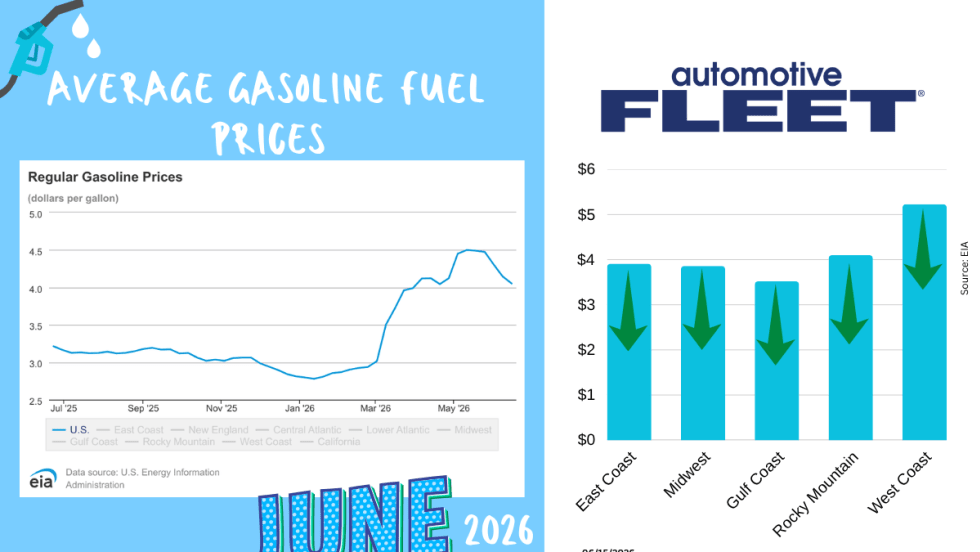
June Fuel Update: Prices Fall Below $4
Drivers are finally getting some relief at the pump. The national average gas price has dropped below $4 a gallon for the first time in months, with prices falling in 47 states as oil markets react to developments in U.S.-Iran negotiations.
Read More →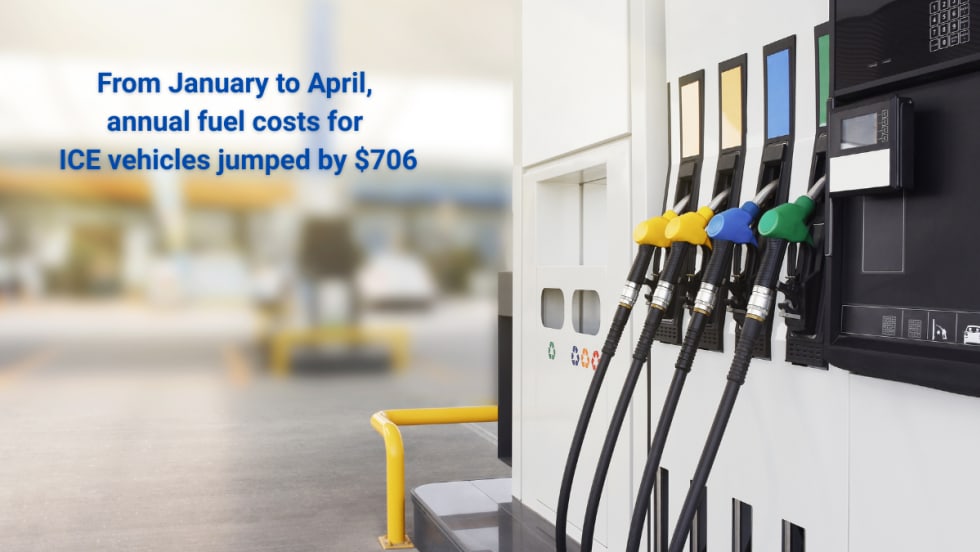
Study: How 2026's Gas Price Hikes Affect Different Vehicle Types
New data from iSeeCars reveals how rising fuel costs have affected different vehicle segments as gasoline prices climbed nearly 46% over the past four months.
Read More →
Are You Tracking Your Fleet's True Total Cost of Ownership?
Bobit Business Media surveyed 190 fleet professionals and found that while most fleets are tracking costs, fragmented systems and data gaps are keeping true TCO visibility out of reach. With rising pressure to control spend in an increasingly volatile environment, the gap between what fleets think they know and what the data actually shows is wider than you might expect. See how your peers are managing costs today and where the industry still has room to improve.
Read More →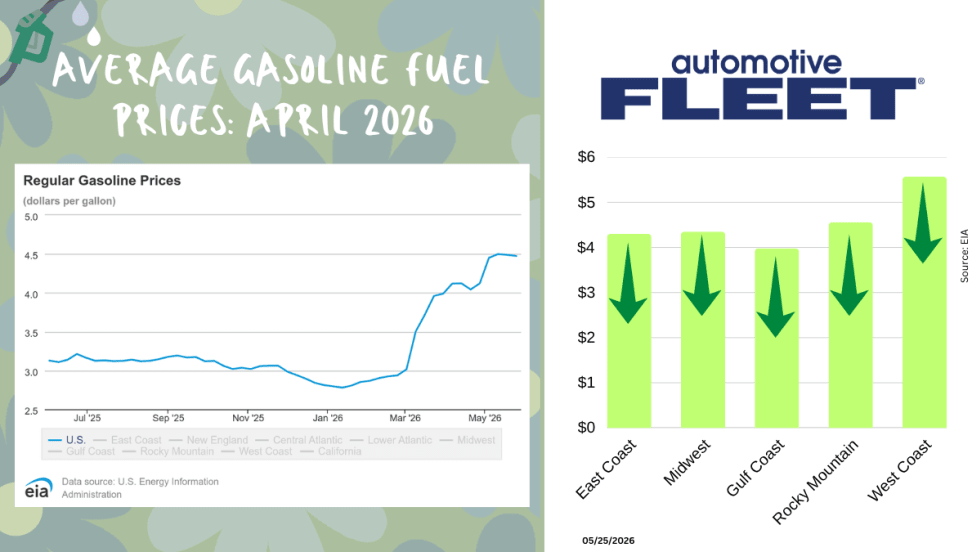
May Fuel Update: All Regions Experience Declines
Gas prices are finally easing in much of the country, but experts warn global tensions could quickly reverse the trend as the national average remains well above last month’s levels.
Read More →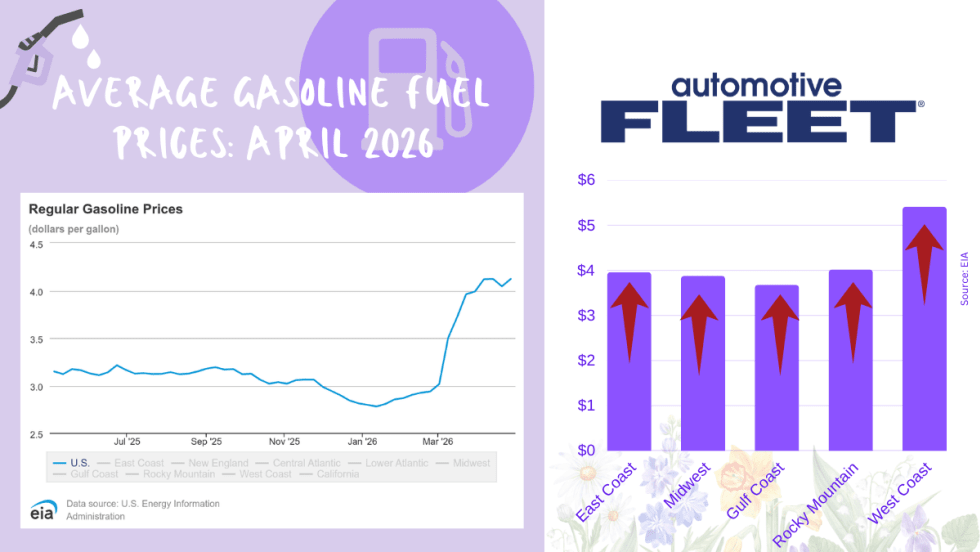
April Fuel Update: Prices Climb Above $4 as Spring Surge Accelerates
National average jumps to $4.04 per gallon, up sharply from last year, with West Coast prices topping $5 and further increases expected amid rising oil tensions.
Read More →
Tips from Fleet Managers on Saving Fuel Costs
Fleet leaders share practical strategies to reduce fuel spend through smarter policy, routing, and driver guidance.
Read More →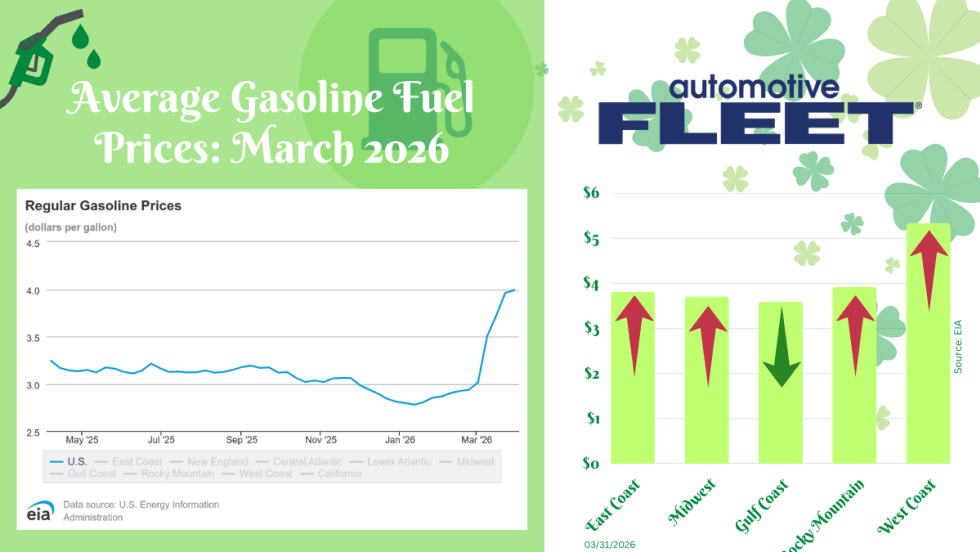
March Fuel Update: Prices Settle With a $4 Average
Fuel prices significantly slowed this week, but a $4 national average is still expected.
Read More →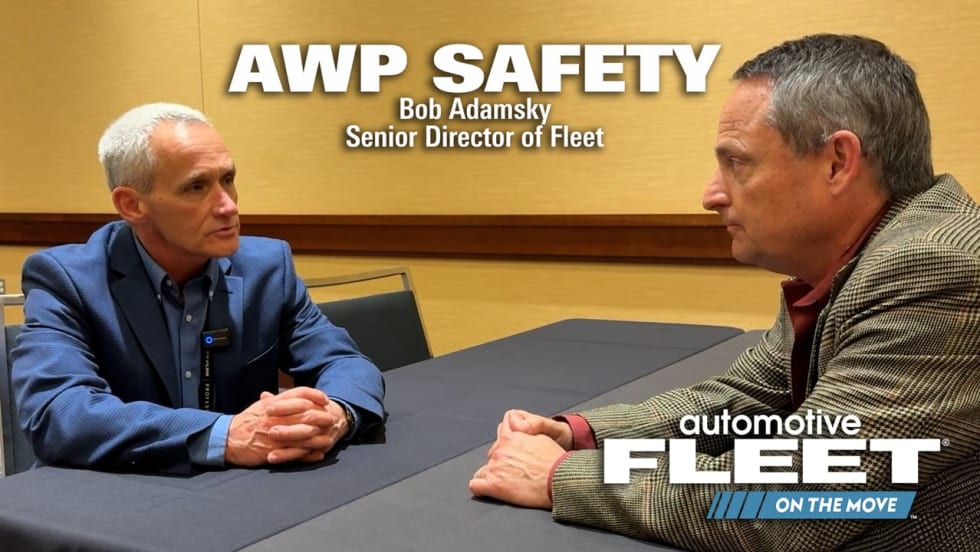
Bob Adamsky on Fuel Volatility: “Don’t Panic — Have a Plan”
With oil prices rising again, AWP Safety’s fleet manager shares how to respond to rising fuel costs and how the right strategy can turn fuel spikes into cost-saving opportunities.
Read More →
Oil Market Turbulence Is Complicating Fleet Cost Planning
Rapid swings in crude oil prices driven by the conflict in the Middle East could create longer-term cost pressures for fleets, affecting fuel prices, supply chains, and vehicle strategy, says NTEA’s Andrew Wrobel.
Read More →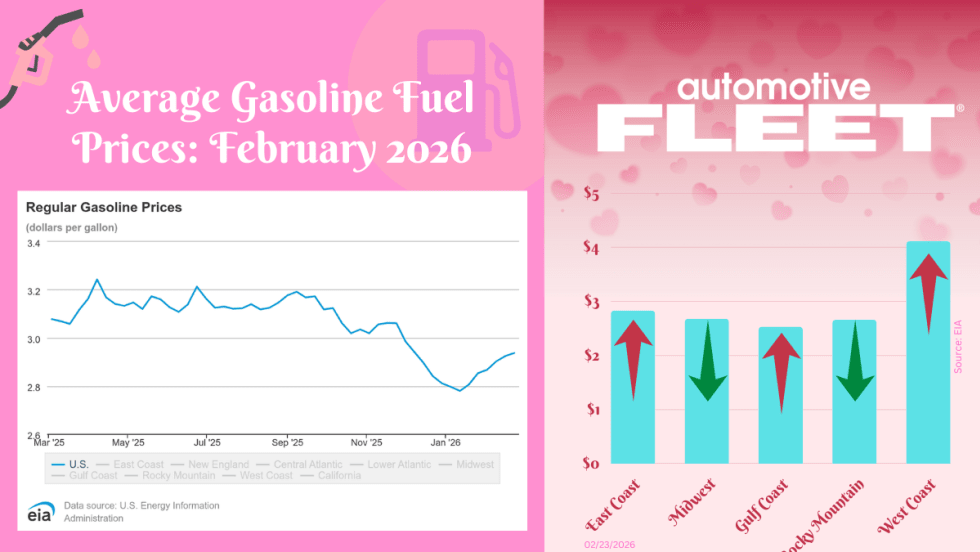
February Fuel Update: Prices Inch Higher for Third Week in a Row
The final February fuel update reveals prices continuing to inch higher for the third week in a row.
Read More →