




Hyundai Develops Tech for Cleaner Air in Vehicles
The automaker unveiled three new air-conditioning technologies that will be made available on upcoming Hyundai, Kia, and Genesis vehicles worldwide in the future.

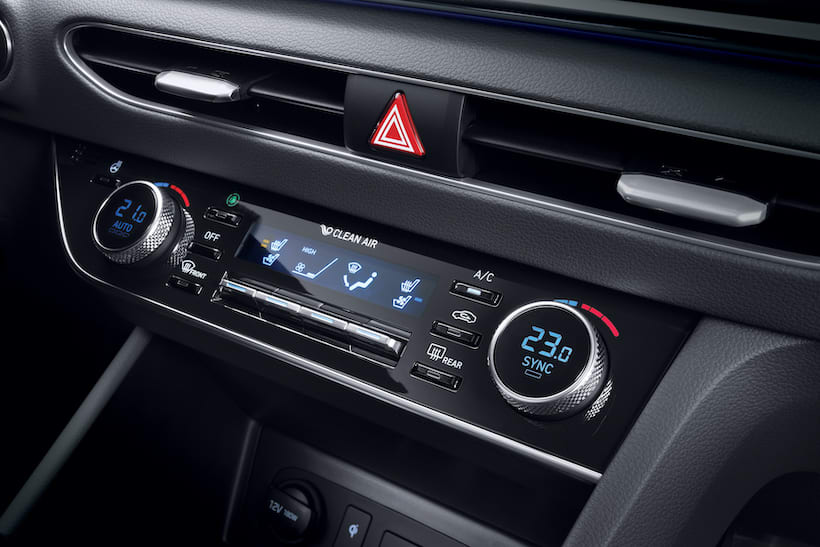
The automaker unveiled three new air-conditioning technologies that will be made available on upcoming Hyundai, Kia, and Genesis vehicles worldwide in the future.
Photo: Hyundai
Hyundai has developed new technologies to improve the quality of air in vehicles and create a more pleasant indoor environment for drivers.
The automaker unveiled three new air-conditioning technologies that will be made available on upcoming Hyundai, Kia, and Genesis vehicles worldwide in the future. The technologies are designed to suppress mold growth, improve wind dispersion, and reduce indoor humidity, among other features designed to improve driver experience.
After-Blow Technology
“After-Blow” dries the condensate on the evaporator and suppresses mold growth in the air-conditioning system, which can cause an odor during hot weather, Hyundai said.
After the engine is turned off and the condensate on the evaporator drains naturally for about 30 minutes, After-Blow activates for 10 minutes to dry the evaporator and any condensate leftover in the air passage. The air-conditioning system automatically allows influx of outside air during this time to prevent humidity from building up.
Multi-Air Mode Technology
“Multi-Air Mode” uses multiple vents for air conditioning and heating to create a more pleasant indoor environment with gentle wind.
When this mode is activated, the air is dispersed to the newly added multi-air slots in the driver and passenger seats in addition to the normal air vents. The overall wind volume remains the same, but the dispersion of wind reduces direct air contact and softens the air.
Fine Dust Indicator Technology
“Fine Dust Indicator” measures the air inside the vehicle in real time and delivers digitized information, allowing the driver to better manage the air quality.
The indicator displays the concentration and pollution level of ultrafine particles inside the vehicle using integer numbers and colors for better visibility to the user.
If the level of ultrafine particles exceeds a certain level, the air-cleaning mode will run to purify the air in the vehicle. If the air does not improve in air-cleaning mode, it can also serve as a reminder to the driver to replace air-conditioner filters or to clean contaminated seats and mats.
More Vehicle Research
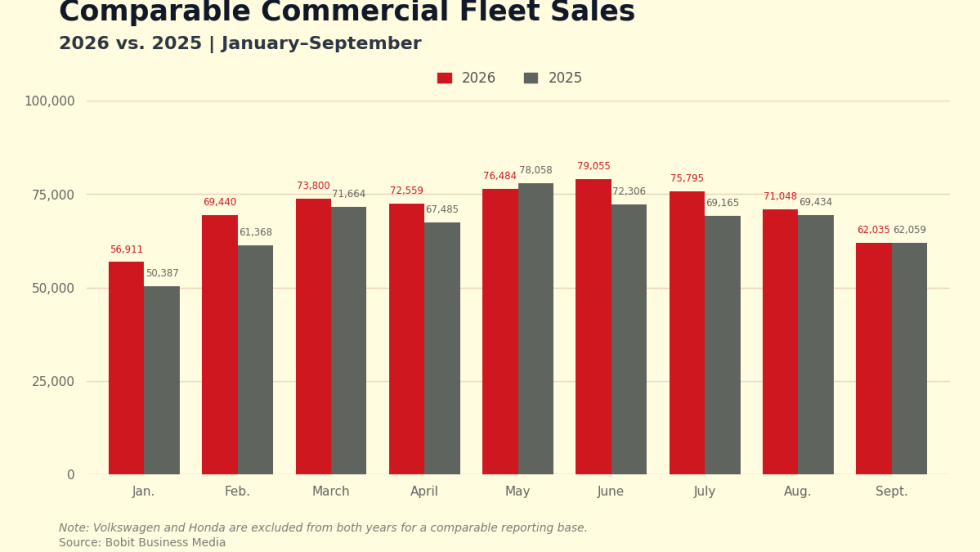
Commercial Fleet Sales Rise 5.8% Through September 2026
September commercial fleet sales were essentially unchanged from a year earlier, slowing year-to-date growth while keeping volume ahead of 2025.
Read More →
Hall of Fame Inductee: John Dmochowsky
The longtime Mondelēz International fleet executive joins the Automotive Fleet Hall of Fame.
Read More →
Hall of Fame Inductee: Lee Miller
After more than four decades at Boehringer Ingelheim, Lee Miller leaves a legacy built on fleet expertise.
Read More →
Hall of Fame Inductee: Mark F. Petersen
From managing fleets of thousands of vehicles to advancing safety and mentoring fellow professionals, Mark F. Petersen made his mark across both the corporate and supplier sides of fleet.
Read More →
When Charger Downtime Becomes a Fleet Availability Problem
As EV deployments move beyond pilot programs, charger reliability can directly affect vehicle readiness, driver productivity and route scheduling.
Read More →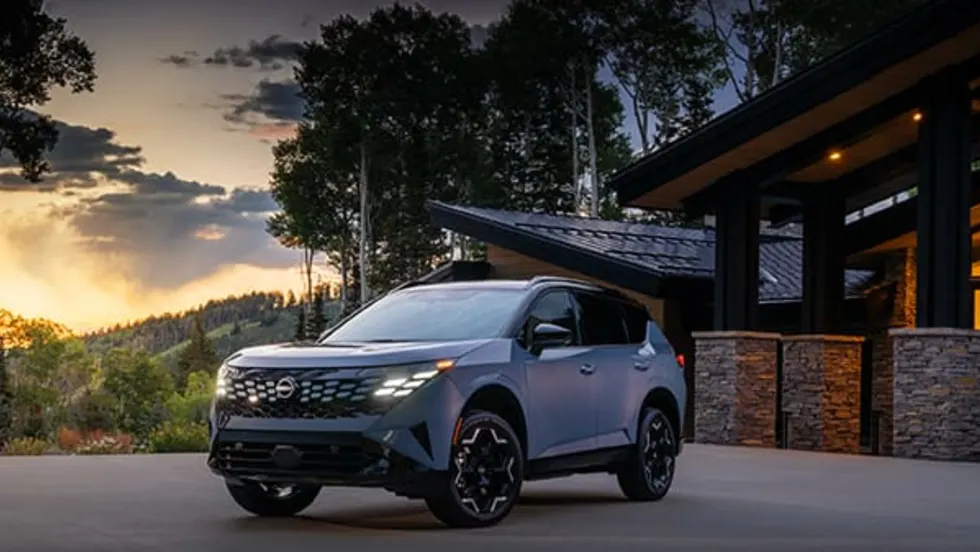
2027 Nissan Rogue Hybrid Adds e-POWER, Standard AWD
The new Rogue Hybrid uses Nissan’s e-POWER system with dual electric motors, offers an estimated 40 mpg and starts at $35,490.
Read More →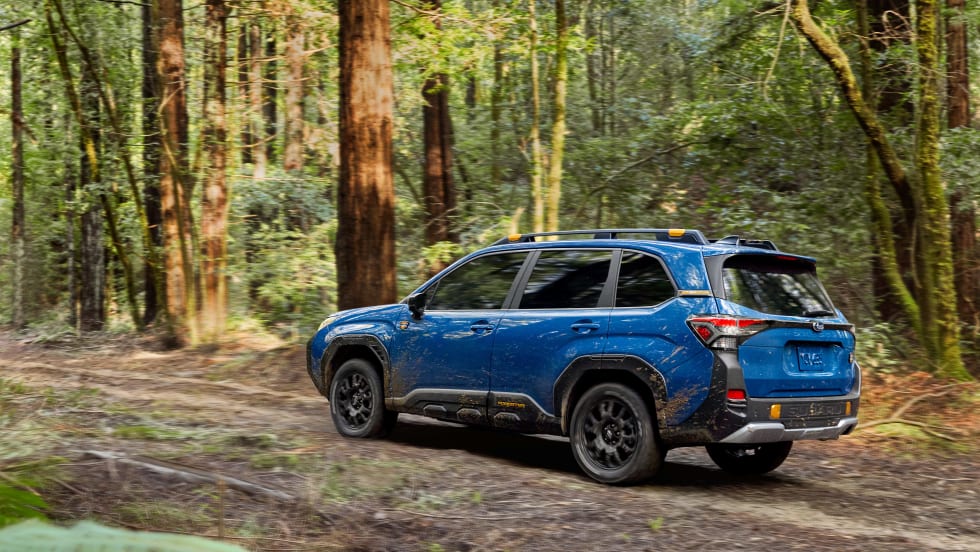
2027 Subaru Forester Adds First Wilderness Hybrid
The 2027 Forester lineup starts at $29,995 and adds a Wilderness Hybrid with 194 combined horsepower and 9.3 inches of ground clearance.
Read More →
EV Realty Names Henrik Holland President as Charging Platform Expands
The former Prologis Mobility and Shell executive will help expand EV Realty’s truck charging business and move its power-first infrastructure model into autonomous vehicle depots and other fleet sectors.
Read More →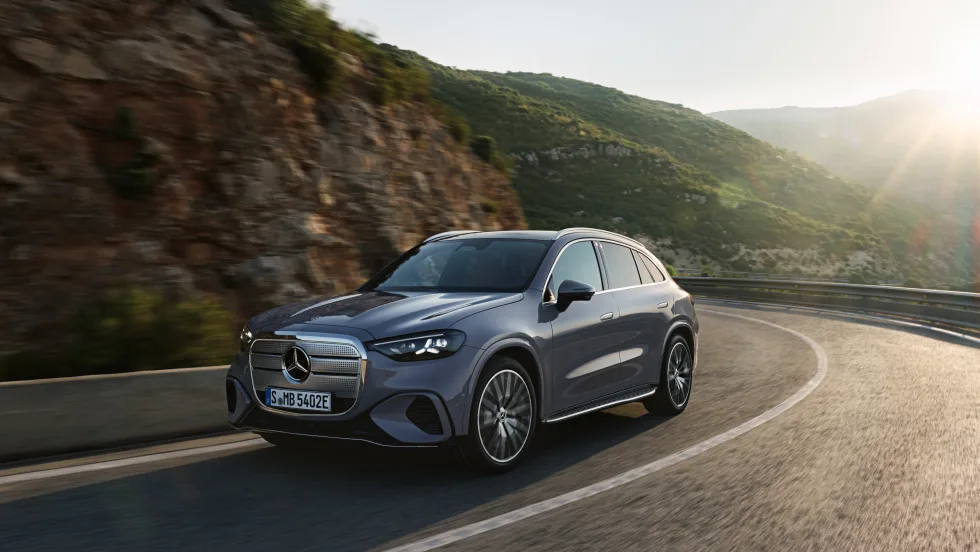
Mercedes-Benz Introduces Electric GLC With Up to 350 Miles of Range
The GLC 400 4MATIC Electric features an 800-volt architecture, 330-kW DC fast charging and a 94-kWh battery, along with Mercedes-Benz's new MB.OS operating system.
Read More →
Fleet Has a Talent Pipeline Problem, not a Talent Problem
Where will the next generation of fleet leaders come from, and what does the industry need to do differently to find them?
Read More →