




Hydrogen-Powered Priuses Hit the Streets in Southern Calif.
RIVERSIDE, Calif. -– Riverside Mayor Ron Loveridge and city officials last week dedicated the first municipal hydrogen fueling station in Southern California's Inland Empire along with five hydrogen-powered Priuses.
RIVERSIDE, Calif. -– Riverside Mayor Ron Loveridge and city officials last week dedicated the first municipal hydrogen fueling station in Southern California's Inland Empire along with five hydrogen-powered Priuses. “The city of Riverside has a long history of demonstrating innovative clean air vehicle technology, and this hydrogen fueling station will take our alternative fueling infrastructure to the next level,” said Loveridge. The mayor is also a governing board member of the South Coast Air Quality Management District (AQMD). “These vehicles drive and perform like regular gasoline cars and yet they emit no global warming gases and meet the state’s strictest standard for smog-forming pollutants.” Riverside is one of five Southern California cities partnering with AQMD to demonstrate five hydrogen-fueling stations and a total of 30 hybrid Priuses with internal combustion engines that have been modified to burn gaseous hydrogen. The other Californian cities include Burbank, Ontario, Santa Ana and Santa Monica. Each city and AQMD will operate five hydrogen-fueled Priuses for five years. Although a small number of hydrogen stations now operate across the country, primarily to refuel fuel cell vehicles, the five in Southern California are the first in the nation based at cities and focused on fueling internal-combustion vehicle fleets, AQMD officials said. The stations also will be able to refuel fuel cell vehicles. The hydrogen-fueled, internal combustion vehicles are considered a near-term bridge to longer-term future technologies including fuel cell vehicles, which emit only water vapor. Near-zero emission vehicles, including those powered by fuel cells, are considered a key strategy to clean up smog in the Southern California's Inland Empire, which has some of the most severely polluted air in the nation. The five-cities program is aimed at stimulating demand for hydrogen fueling, accelerating the expansion of the region’s hydrogen fueling network, and educating the public on hydrogen-fueled vehicles. Riverside officials plan to use the five Priuses in everyday city fleet driving as well as showcase them to community groups, neighborhood associations and schools. The total cost for the project is more than $7 million, including: * A contract for $2.16 million awarded by AQMD to Quantum Fuel Systems Technologies Worldwide, Inc. of Irvine to design, convert, test, certify and maintain the hydrogen Priuses; * Contracts for $3.9 million awarded by AQMD to Air Products and Chemicals Inc., headquartered in Allentown, Penn., to install and demonstrate hydrogen fueling stations at the five cities; * Purchase of 30 Priuses, paid for by individual cities and AQMD, for $750,000; and * Preparation of cities’ fueling sites, paid for by cities and estimated at a total of approximately $500,000. In Riverside, Burbank, and Santa Monica, hydrogen will be generated with electrolyzer units that use electricity to separate hydrogen from water. In Santa Ana and Ontario, Air Products has installed a mobile hydrogen-fueling unit mounted on a trailer. All cities’ hydrogen fueling stations are now operational except for Santa Monica, which is scheduled to open this spring. Each station will be capable of filling 10 vehicles per day and in the future could be expanded to fill up to 20 vehicles per day. Each hydrogen-fueled Prius has a compressed gas fuel cylinder that holds up to 1.6 kilograms of hydrogen, giving the vehicles a range of up to 80 miles per fill. (One kilogram of hydrogen is roughly equivalent to the energy content of one gallon of gasoline.) The Priuses meet the state of California’s strict Super Ultra Low Emission Vehicle standard for smog-forming nitrogen oxides. Unlike their gasoline-fueled counterparts, they have no carbon monoxide, carbon dioxide or hydrocarbon emissions. The five cities’ hydrogen fueling sites add to a growing network of hydrogen stations in the Southland. Three other stations -- at AQMD headquarters in Diamond Bar, LAX and Sunline Transit Agency in Thousand Palms -- now are operational. An additional two stations, at UC Irvine and in Torrance, are scheduled to open by the end of the year. All 10 stations will provide hydrogen for fuel cell and internal-combustion engine vehicles. AQMD is the air pollution control agency for Orange County and major portions of Los Angeles, San Bernardino and Riverside counties.
More Fuel
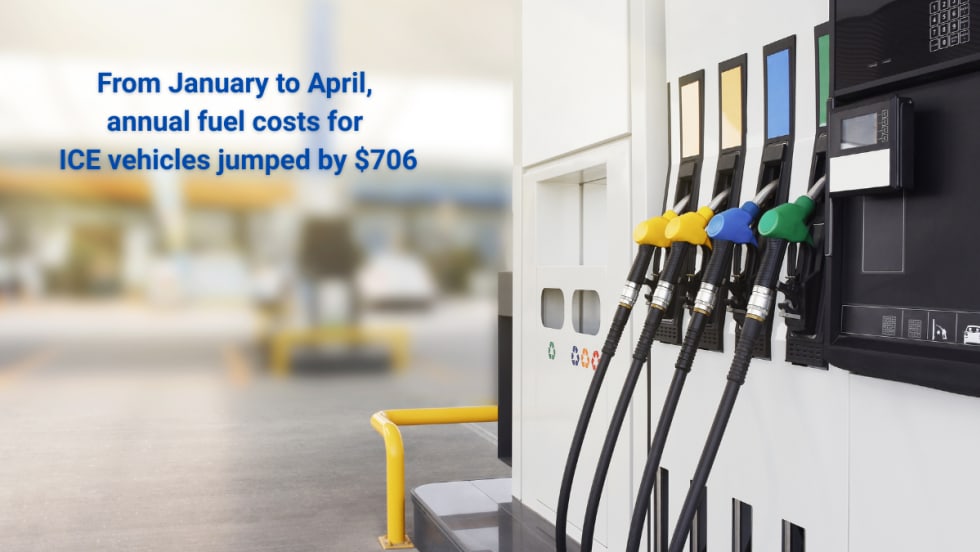
Study: How 2026's Gas Price Hikes Affect Different Vehicle Types
New data from iSeeCars reveals how rising fuel costs have affected different vehicle segments as gasoline prices climbed nearly 46% over the past four months.
Read More →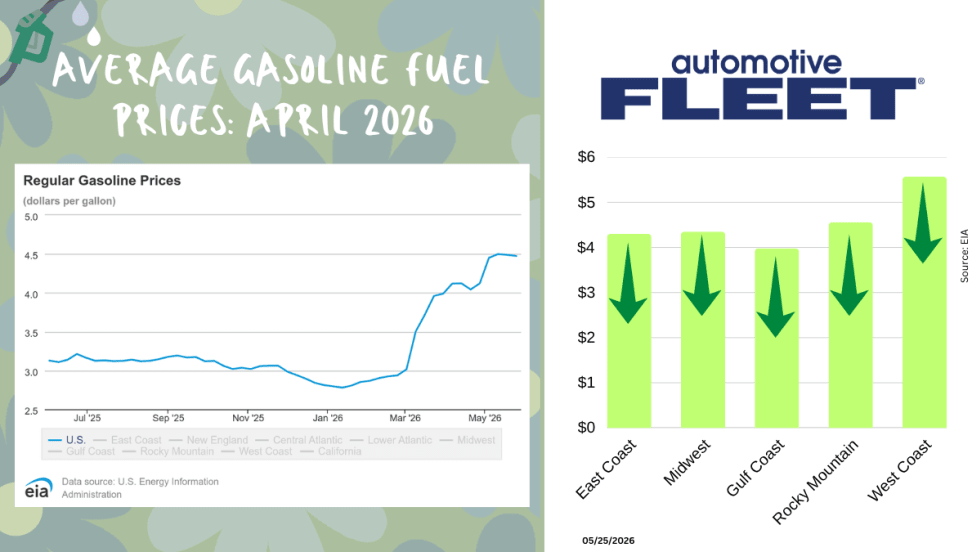
May Fuel Update: All Regions Experience Declines
Gas prices are finally easing in much of the country, but experts warn global tensions could quickly reverse the trend as the national average remains well above last month’s levels.
Read More →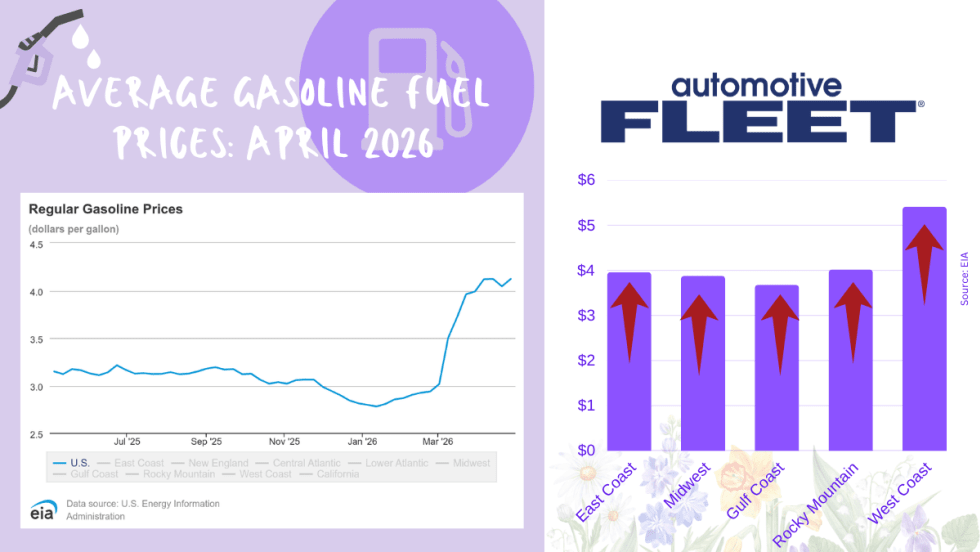
April Fuel Update: Prices Climb Above $4 as Spring Surge Accelerates
National average jumps to $4.04 per gallon, up sharply from last year, with West Coast prices topping $5 and further increases expected amid rising oil tensions.
Read More →
Tips from Fleet Managers on Saving Fuel Costs
Fleet leaders share practical strategies to reduce fuel spend through smarter policy, routing, and driver guidance.
Read More →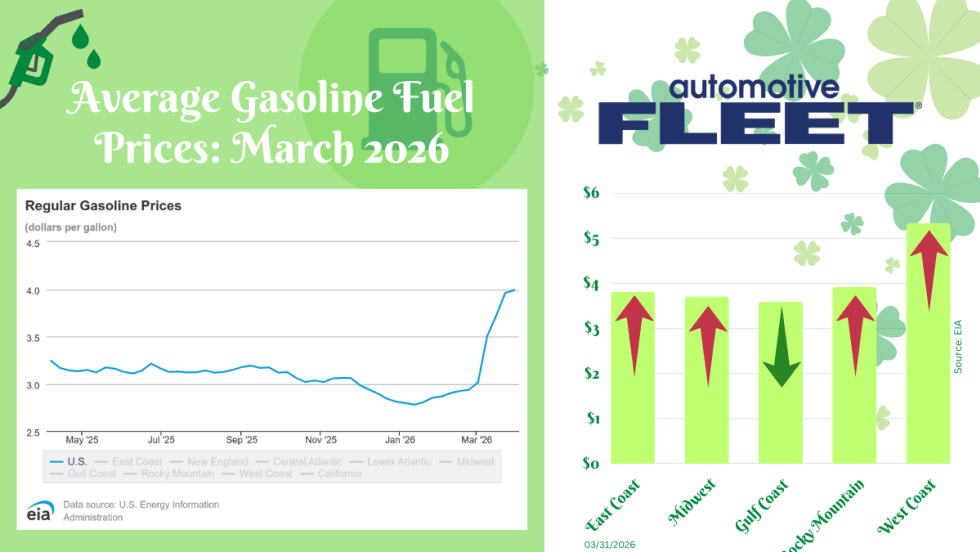
March Fuel Update: Prices Settle With a $4 Average
Fuel prices significantly slowed this week, but a $4 national average is still expected.
Read More →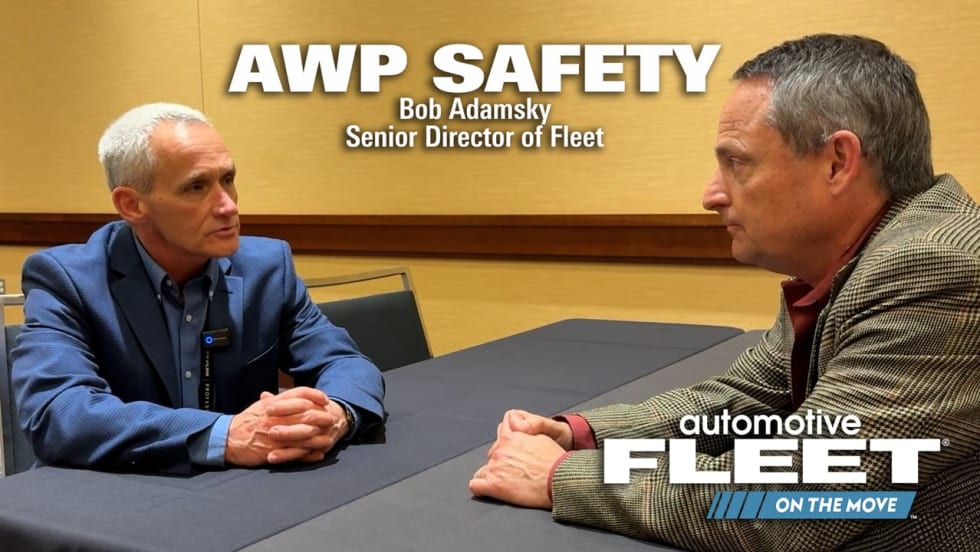
Bob Adamsky on Fuel Volatility: “Don’t Panic — Have a Plan”
With oil prices rising again, AWP Safety’s fleet manager shares how to respond to rising fuel costs and how the right strategy can turn fuel spikes into cost-saving opportunities.
Read More →
Oil Market Turbulence Is Complicating Fleet Cost Planning
Rapid swings in crude oil prices driven by the conflict in the Middle East could create longer-term cost pressures for fleets, affecting fuel prices, supply chains, and vehicle strategy, says NTEA’s Andrew Wrobel.
Read More →
Report: How AI Is Reshaping Fleet and Field Service Operations
AI is rapidly transforming fleet and field service operations, from predictive maintenance and intelligent scheduling to customer self-service and real-time diagnostics. But while organizations are seeing measurable gains in uptime, productivity, and efficiency, many are still navigating workforce adoption, cybersecurity concerns, and data readiness challenges. Explore the latest trends, investment priorities, and emerging AI use cases shaping the future of fleet operations.
Read More →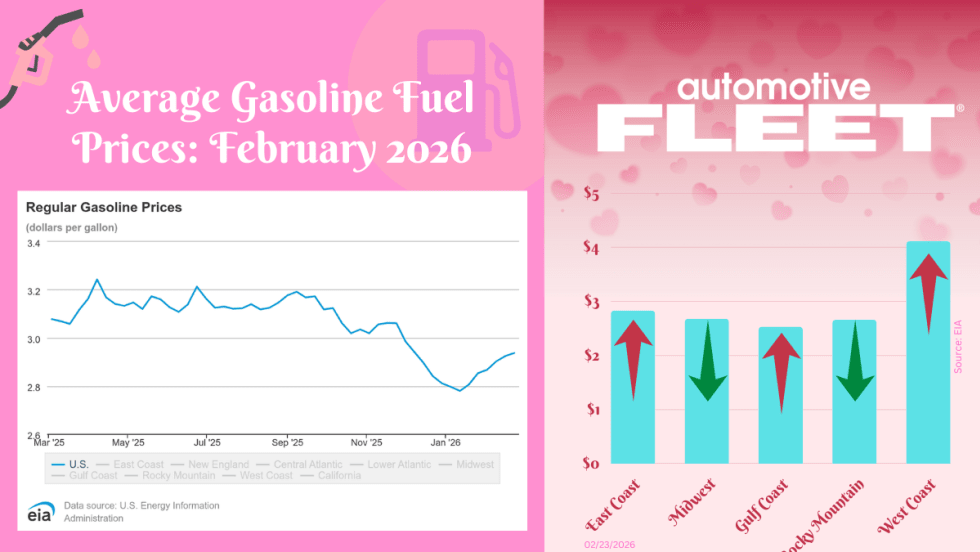
February Fuel Update: Prices Inch Higher for Third Week in a Row
The final February fuel update reveals prices continuing to inch higher for the third week in a row.
Read More →
The 2026 Fuel Economy Guide: Updated Cost and Efficiency Benchmarks for Fleets
Fleet managers can use the DOE’s 2026 Fuel Economy Guide to benchmark MPG across powertrain types using side-by-side vehicle ratings and compare new model-year options.
Read More →