




Government Needs To Revamp Crash Tests To Deal With SUVs
WASHINGTON, D.C. — The government's crash test program for vehicles needs an upgrade to remain relevant as automobiles and safety risks change, congressional investigators said on April 28, according to a report by the Associated Press.

WASHINGTON, D.C. — The government's crash test program for vehicles needs an upgrade to remain relevant as automobiles and safety risks change, congressional investigators said on April 28, according to a report by the Associated Press. The usefulness of the crash test program — which includes a star-rating system — has diminished with the growing popularity of SUVs and other light trucks, creating different safety risks not fully addressed by the tests, the Government Accountability Office said. "The program is at a crossroads where it will need to change to maintain its relevance," according to the report, which members of Congress requested. The National Highway Traffic Safety Administration (NHTSA) tests vehicles and rates them on a scale of one to five stars – five stars is the highest score – to help consumers judge an automobile's crashworthiness and likelihood of rolling over. NHTSA conducts its frontal-impact test at 35 mph, measuring the equivalent of two identical vehicles striking each other head-on. The side-impact test is conducted at 38.5 mph, and the rollover test simulates a driver steering sharply in one direction, then sharply in the other at speeds between 35 mph to 50 mph. The report said the tests need to better account for SUVs, which have been more susceptible to rollovers, and the damage caused when the popular vehicles strike passenger cars. Rollovers account for about 30 percent of fatalities. NHTSA's program, which began in 1978, could be improved by developing better ways of measuring how SUVs, large trucks, and pickups interact with small vehicles in crashes, how to protect occupants in rollovers, and by rating technologies that help reduce accidents, such as electronic stability control. The report also suggests stronger standards for roof crush, which has been criticized by safety groups as major problem in SUV rollovers, and the use of crash test dummies of different sizes. Current government tests use an average-size adult male. NHTSA administrator Jeffrey Runge said he had not yet reviewed the report but called the crash test program "a terrific value for the American consumer." The agency conducted 85 crash tests and 36 rollover tests in the 2004 budget year at a cost of $7.7 million. The agency is expected to release a new roof crush standard later this year and has sought input from the industry in improving the crash test program. Most vehicles receive four or five stars, the report found, making it difficult for consumers to compare safety value. It said the system gives automakers few incentives to improve vehicle safety. Auto industry officials said they conduct tests without prompting from the government and have implemented advanced safety technology in vehicles, including electronic stability control, and side-head protection airbags. Eron Shosteck, a spokesman for the Alliance of Automobile Manufacturers, said the rating system is "one piece of information that helps consumers decide on their next vehicle purchase, but it's also important to remember that automakers invest billions of dollars in safety research." Results of government crash tests are posted on www.SaferCar.gov/.
More Safety

Operation Safe Driver Week: Why the Industry's Oldest Safety Campaign Still Matters to Fleets
A look at how a 2007 enforcement initiative became one of the most consequential weeks on the fleet safety calendar, and what it means for your drivers in 2026.
Read More →
Nexar-Nauto Merger Aims to Give Fleets Better Safety Intelligence Through Larger Driving Dataset
Stefan Heck tells Automotive Fleet that combining more than 10 billion miles of driving history with Nexar's AI models will give fleets deeper insights into driver risk and roadway conditions than either company could provide independently.
Read More →
From Silos to Solutions: Relationship Management for Safer Fleets
From telematics adoption and driver accountability to policy consistency and risk mitigation, this episode breaks down what it really takes to build a safer fleet culture without slowing business down.
Read More →
IIHS Launches First Commercial Vehicle Safety Evaluations
The Insurance Institute for Highway Safety has begun evaluating heavy-duty pickups and cargo vans for driver protection. Which models earned top marks?
Read More →
Reducing Risk by Eliminating Phone Use Behind the Wheel
Hosted with the cofounder of Lifesaver Mobile, this episode addresses phone use behind the wheel and how to design a driving environment that actually helps prevents accidents.
Read More →
Cameras, Safety and Insurance: From Reactive Claims to Real-Time Prevention (Part 2 of 2)
Part Two: Commercial auto remains one of the most challenging and costly lines of coverage for fleet operators and insurers alike. Continue learning more about how to effectively address these issues from Onur Aksan, Enterprise Business Development Executive, Geotab
Read More →
How 5-Second Telematics Data Is Changing Fleet Safety
This episode connects with Steve Santostasi of Ford Pro and covers how a few seconds of data can make a difference in fleet safety.
Read More →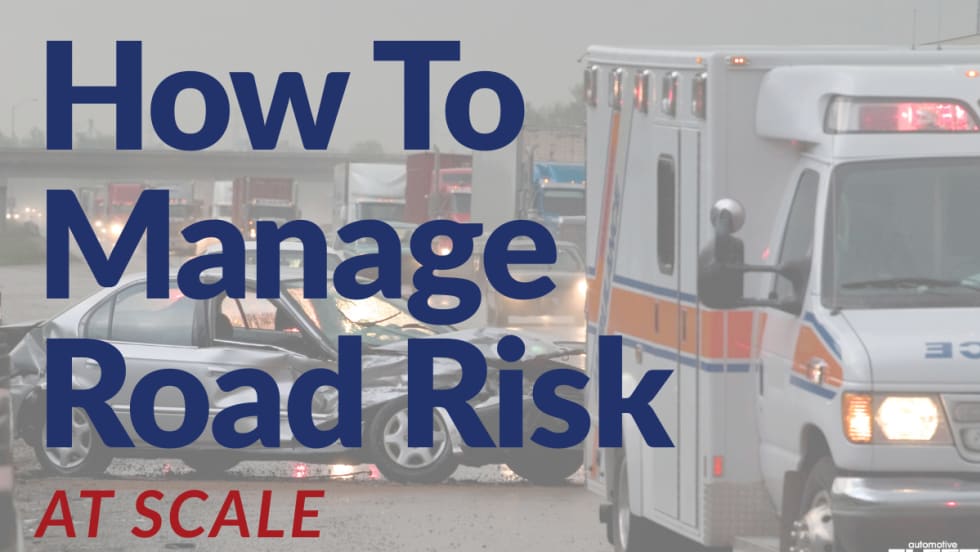
Managing Road Risk at Scale: Why Fleet Safety Needs a Data-Driven Framework
Insights from the FIA Road and Driver Safety Indexes reveal how to manage road risk on a larger scale.
Read More →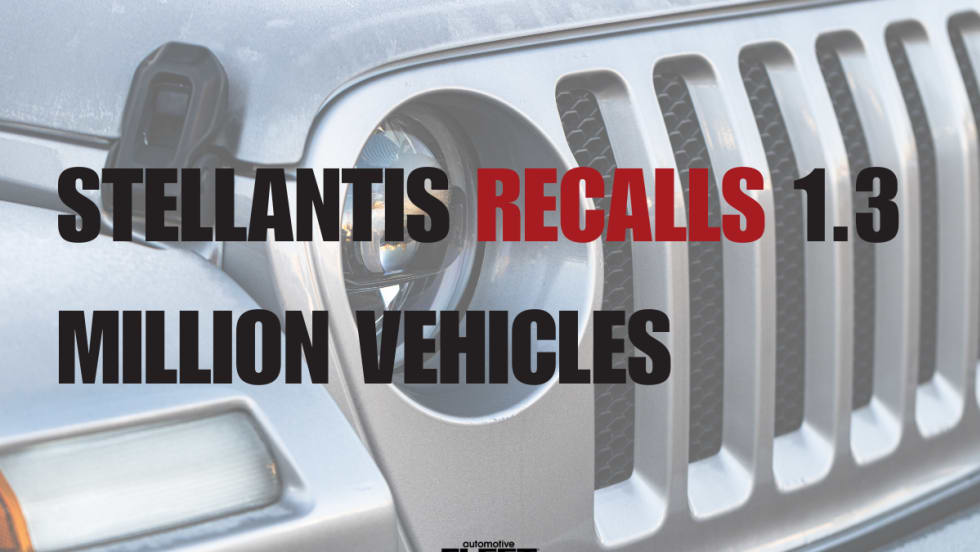
Stellantis Recalls 1.3 Million Jeep Vehicles Worldwide Over Fire Risk
Stellantis is recalling more than 1.3 million Jeep Wrangler and Gladiator models worldwide over a fire risk linked to power steering pump wiring.
Read More →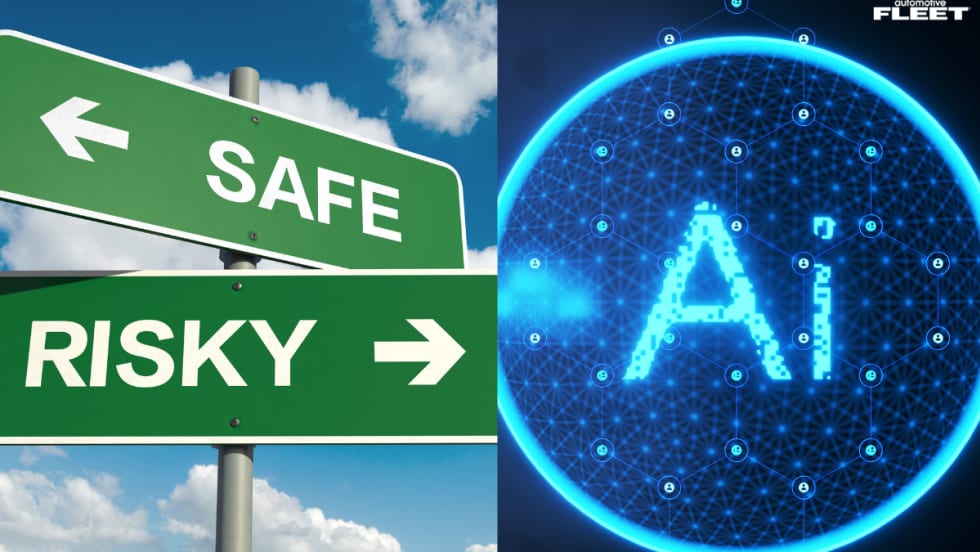
Coaching Is Not Training, Even When AI Is Doing It
AI-powered safety platforms can detect risky behaviors and deliver immediate feedback. But effective driver development still requires a foundation of training followed by coaching that reinforces those skills.
Read More →