




GM's New 2.5L Four-Cylinder Engine Will Be Standard in Malibu
MILFORD, MI - The engine will be available in the summer of 2012. GM said it expects highway fuel economy to exceed 30 MPG, though final fuel-economy figures are still pending.
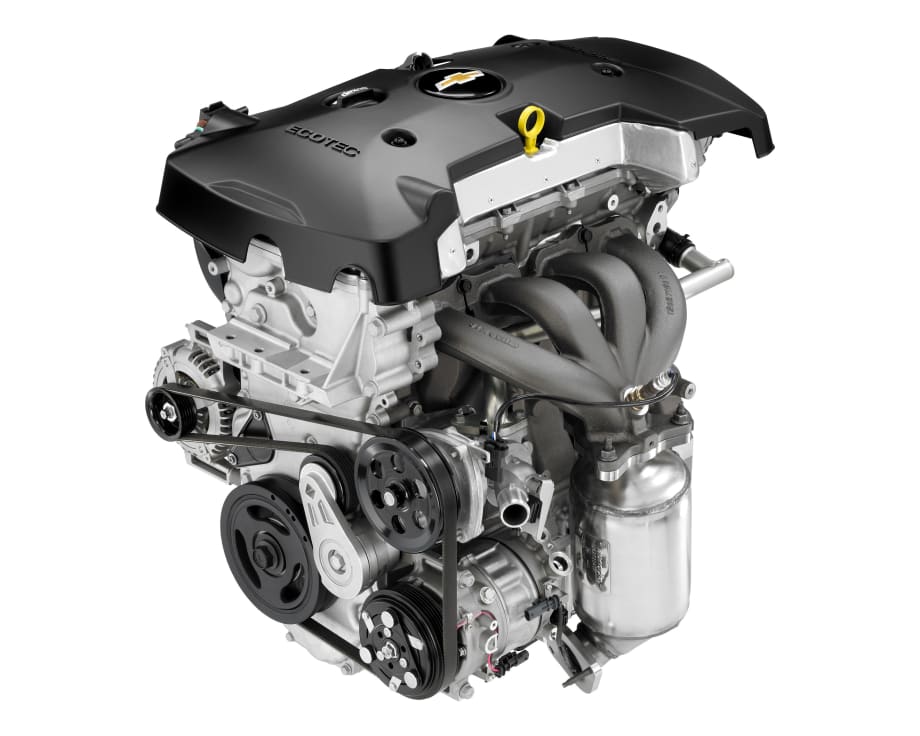
General Motors said it expects the 2.5L to deliver an estimated 190 horsepower (140 kW) and 180 lb.-ft. of torque (250 Nm).
General Motors said it expects the 2.5L to deliver an estimated 190 horsepower (140 kW) and 180 lb.-ft. of torque (250 Nm).
MILFORD, MI - General Motors' Chevrolet division revealed the details of its all-new Ecotec 2.5L four-cylinder engine. The new power plant will be standard in the 2013-MY Malibu. The new engine will be available in the summer of 2012.
General Motors said it expects the 2.5L to deliver an estimated 190 horsepower (140 kW) and 180 lb.-ft. of torque (250 Nm). These performance figures reflect about a 12-percent horsepower improvement and a 16-percent boost in torque when compared with the current Ecotec 2.4L. GM also said it expects highway fuel economy to exceed 30 MPG, though final fuel-economy figures are still pending.
“The noise intensity is 40 percent less than our 2.4L direct-injected engine, which was named one of Ward’s 10 Best Engines,” said Mike Anderson, global chief engineer. “Engineers also tuned the 2.5L to deliver more of its torque at lower rpm, giving the Malibu a stronger feel at launch and during on-demand maneuvers, such as passing or accelerating on a freeway entrance ramp.”
GM said increasing engine efficiency was the top priority for the company’s engineers. The automaker said it achieved efficiency improvements by working to reduce engine friction via a range of technologies. Engineers were able to reduce friction by 16 percent across the entire speed range, using technologies such as a variable-displacement oil pump and an actively controlled thermostat. The automaker also used its proprietary computational fluid dynamics (CFD) analysis techniques to develop a new combustion system with a higher compression ratio.
The new system features better knock resistance and higher flowing intake and exhaust ports in the cylinder head. These two improvements boost efficiency, power, and torque, according to GM. The engine also features increased-authority cam phasing (i.e. a greater ability to position the camshaft with precision using the cam phaser) which helps minimize the trade-offs between efficiency, performance, emissions, and driveability).
The engine uses some technologies in the current generation of Ecotec engines. The new 2.5L engine features a high-pressure, direct-injection fuel system, dual overhead camshafts with continuously variable valve timing, electronic throttle control, and pistons with jet-spray oil cooling.
Here are some of the engine’s other features:
Balance shafts relocated from the block to a module with an integrated oil pump in the oil pan to reduce noise and vibration
A stiffer and stronger forged steel crankshaft that enables quieter and smoother engine operation at high rpm
Inverted-tooth chains for the camshaft and balance shaft drives for quieter operation
A unique, two-piece oil pan design, with an aluminum upper section to provide structural support and a stamped steel lower section to dampen overall noise
A cast aluminum bedplate with cast iron bearing cap inserts to help increase dynamic stiffness and reduce noise and vibration
Key sound attenuation enhancements such as a structural front engine cover, structural cam cover, and lightweight composite acoustic intake manifold cover.
The new Malibu will be sold in nearly 100 countries on six continents. It is available in LS, LT, ECO, and LTZ models in North America. Malibu will be built in multiple locations around the globe, including the Fairfax, Kan., and Detroit-Hamtramck assembly plants in the United States, according to GM.
More Fuel

Fuel Prices Surge in September | September Fuel Update
September brought major fuel price swings, including diesel crossing $6 a gallon. Here’s how gas and diesel prices changed throughout the month, and where they stood heading into October.
Read More →
Turning Fleet Payment Data into Executive Insights
Ramel Lindsay of U.S. Bank Voyager discusses how fleets can transform payment and transaction data into actionable intelligence to reduce costs, improve oversight, and support executive decision-making.
Read More →
Why the IRS Raised Its Mileage Rate in the Middle of 2026
Fuel-price volatility drove the rare increase to 76 cents per mile, the fifth midyear adjustment since 2000.
Read More →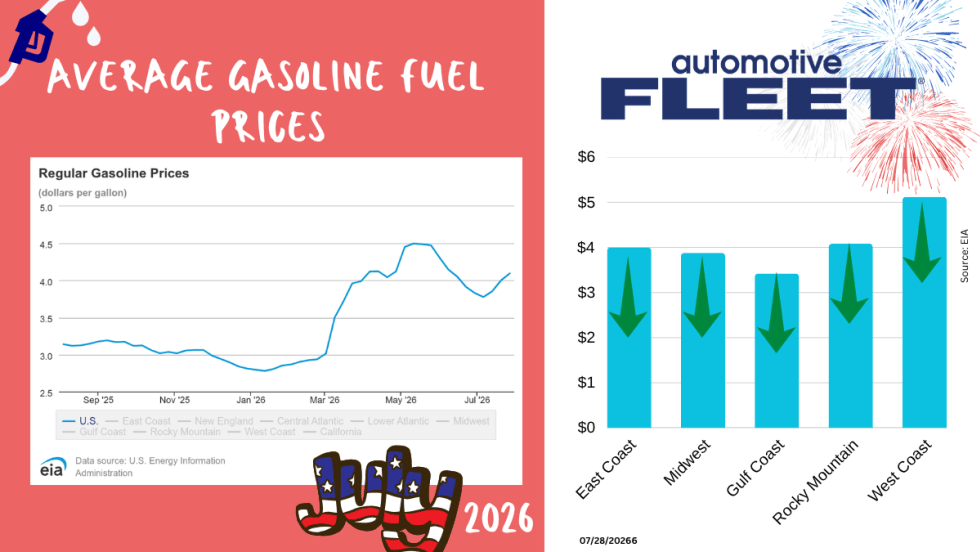
July Fuel Update: Prices Keep Rising in Light of More Conflict
Gas prices continue to rise as more and more conflicts do, too.
Read More →
Bob Adamsky on Fuel Volatility: "Don't Panic, Have a Plan."
When it comes to up and down fuel prices, Adamsky has a message for fleets: “Don’t panic.”
Read More →
How Fleets Can Gain Control of Non-Fuel Spend
Fuel often gets the spotlight, but non-fuel expenses can have a major impact on fleet costs. Ramel Lindsay of U.S. Bank Voyager discusses how fleets can gain better visibility and control over these often-overlooked expenditures.
Read More →
Fuel is Just the Start: How Middle East Tensions are Driving Up Fleet Maintenance Costs
The Middle East conflict is doing more than pushing up fuel prices. It’s also raising the cost of key maintenance products your fleet depends on, from motor oil to tires to windshield wipers. Here’s what you need to know about this budget-busting situation.
Read More →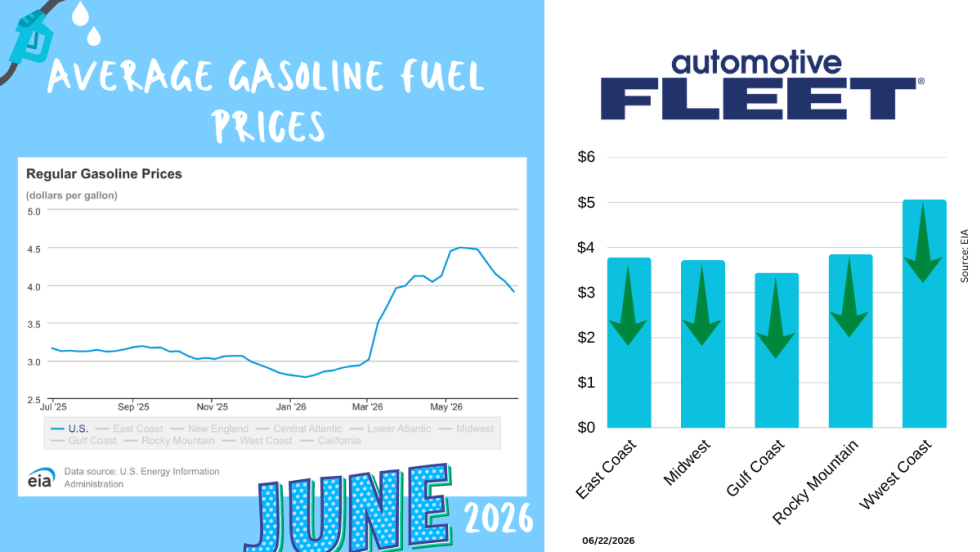
June Fuel Update: Prices Fall Below $4
Drivers are finally getting some relief at the pump. The national average gas price has dropped below $4 a gallon for the first time in months, with prices falling in 47 states as oil markets react to developments in U.S.-Iran negotiations.
Read More →
Study: How 2026's Gas Price Hikes Affect Different Vehicle Types
New data from iSeeCars reveals how rising fuel costs have affected different vehicle segments as gasoline prices climbed nearly 46% over the past four months.
Read More →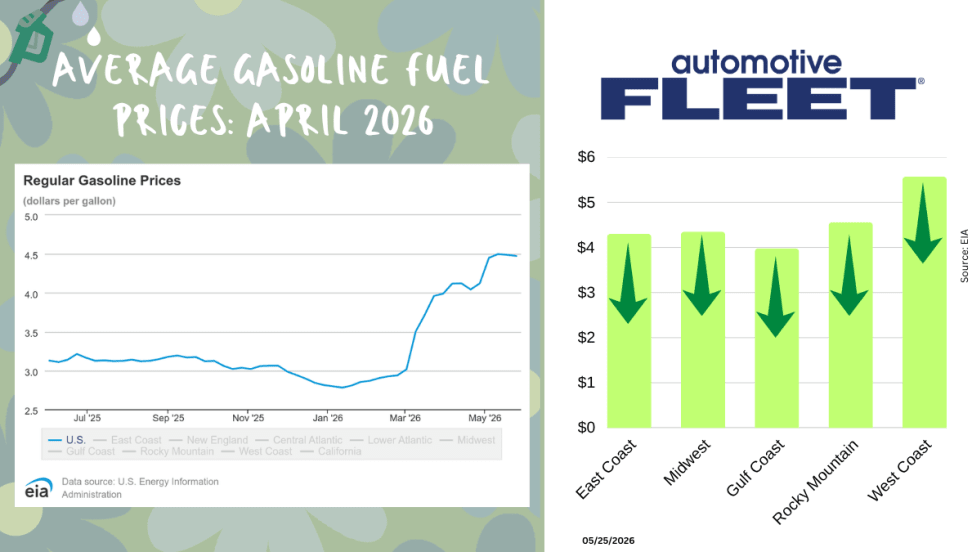
May Fuel Update: All Regions Experience Declines
Gas prices are finally easing in much of the country, but experts warn global tensions could quickly reverse the trend as the national average remains well above last month’s levels.
Read More →