




GM Showcases CNG Van at Green Fleet Conference
SAN DIEGO - General Motors showcased the industry's only fully integrated, compressed natural gas cargo vans in public for the first time at the 2010 Green Fleet Conference in San Diego.
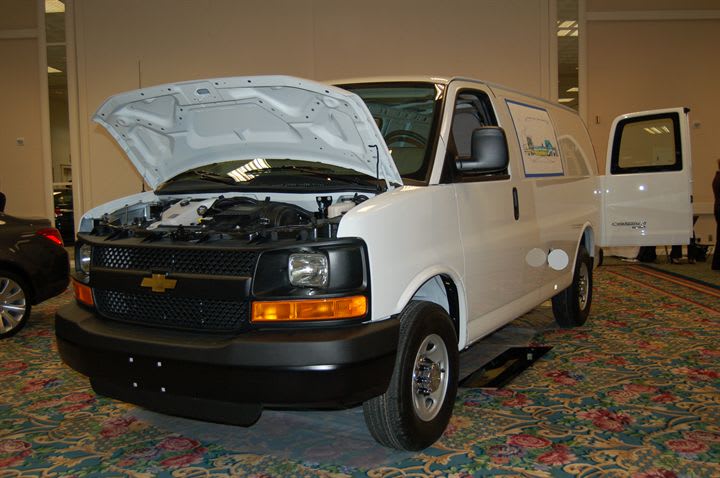
The vans will be covered by GM's three-year, 36,000-mile new vehicle limited warranty and five-year, 100,000-mile limited powertrain warranty.
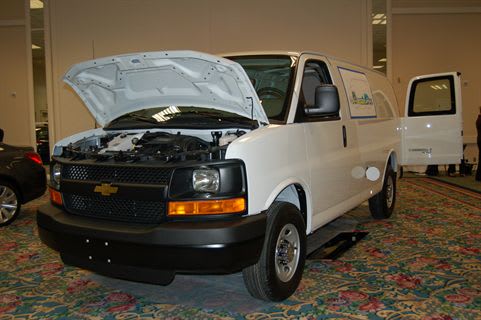
SAN DIEGO - General Motors showcased the industry's only fully integrated, compressed natural gas cargo vans in public for the first time at the 2010 Green Fleet Conference in San Diego.
The automaker displayed the Chevrolet Express/GMC Savana CNG van, as well as several fuel-efficient vehicles in its lineup.
"Our compressed natural gas cargo vans will make it easier for fleet owners to meet their business objectives and make their transportation more sustainable," said Mary Beth Stanek, GM's director of federal environmental and energy regulatory affairs, and a conference keynote speaker. "Chevrolet and GMC are the only brands to offer a one-source CNG option on vans for fleet customers. What's more, these vans meet all Environmental Protection Agency and California Air Resources Board emission certification requirements."
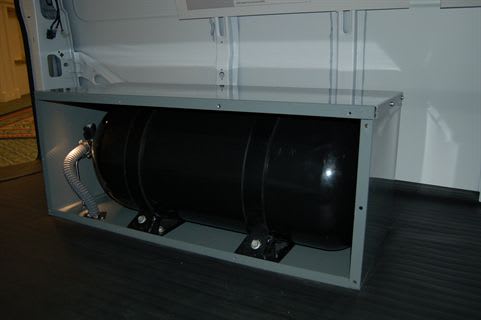
The fully integrated CNG fuel system option carries a manufacturer's suggested retail price of $15,910. The vans will be covered by GM's three-year, 36,000-mile new vehicle limited warranty and five-year, 100,000-mile limited powertrain warranty.
"Natural gas is an abundant and clean alternative fuel," Stanek said. "Based on today's CNG fuel rates and anticipated payback period, fleet investment in CNG can be quite affordable."

Fleets have additional choices to make their vehicles more sustainable and environmentally friendly:
Fuel efficiency: GM offers 12 models with EPA-estimated 30 miles per gallon highway ratings that use innovative engine advancements like active fuel management to deactivate cylinders and spark ignition direct injection. For example, the new Chevrolet Cruze Eco model featuring a 1.4L turbo engine is expected to get up to 40 mpg highway when it goes on sale in early 2011.
Flex-fuel vehicles: GM offers more flex-fuel vehicles than any manufacturer with 19 models that run on up to 85 percent ethanol and 15 percent gasoline or any combination of the two. GM is on track to make more than half of its vehicle production flex-fuel capable by 2012.
Hybrids: GM offers the only hybrid pickup trucks in the market - the Chevrolet Silverado and GMC Sierra. An additional four hybrid models accompany the pickups - the Cadillac Escalade, Chevrolet Tahoe, GMC Yukon and GMC Yukon Denali Hybrids.
An Automotive Fleet census recently reported there were 10,864,637 fleet vehicles on the nation's roads as of Jan. 1, 2010. Any improvements to increase fuel economy and reduce emissions can significantly contribute to a cleaner environment.
Corporate sustainability and green fleet initiatives are playing a larger role in fleet managers' purchasing decisions, as more companies choose to "green" their fleets, Stanek said.
"Purchasing from GM means supporting a company fully dedicated to sustainable practices in every part of our business - from our supply chain, to product manufacturing, to the vehicles we put on the road," she said. "We continually assess environmental impact and take steps to reduce it."
More Fuel
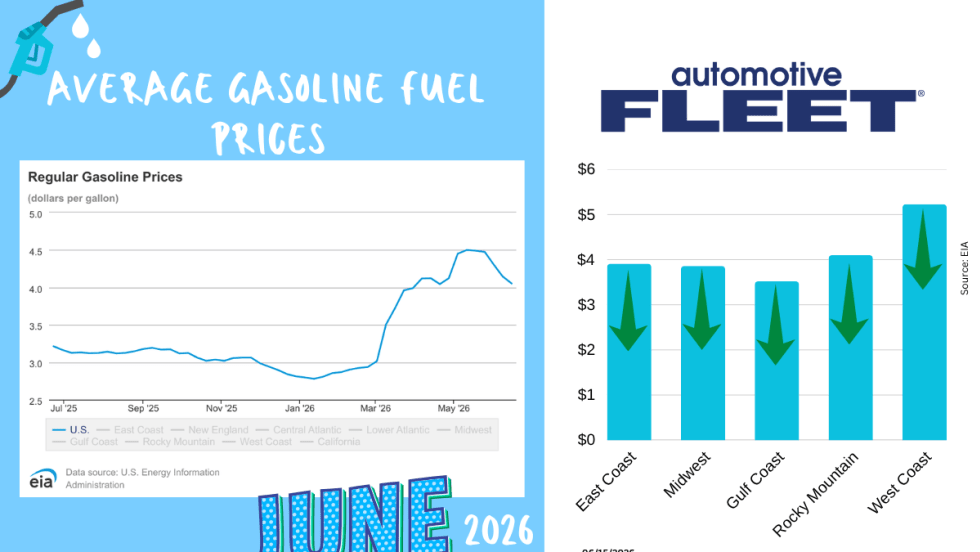
June Fuel Update: Prices Fall Below $4
Drivers are finally getting some relief at the pump. The national average gas price has dropped below $4 a gallon for the first time in months, with prices falling in 47 states as oil markets react to developments in U.S.-Iran negotiations.
Read More →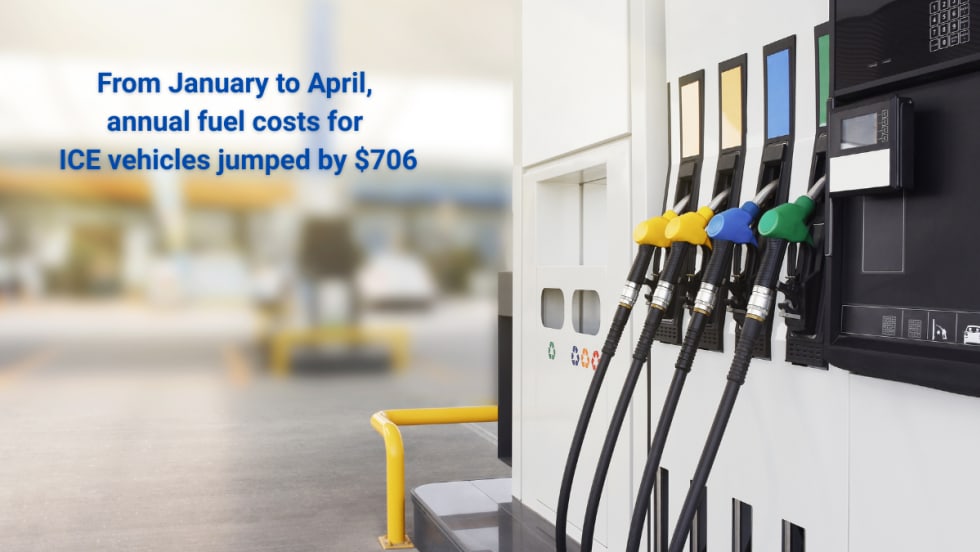
Study: How 2026's Gas Price Hikes Affect Different Vehicle Types
New data from iSeeCars reveals how rising fuel costs have affected different vehicle segments as gasoline prices climbed nearly 46% over the past four months.
Read More →
Are You Tracking Your Fleet's True Total Cost of Ownership?
Bobit Business Media surveyed 190 fleet professionals and found that while most fleets are tracking costs, fragmented systems and data gaps are keeping true TCO visibility out of reach. With rising pressure to control spend in an increasingly volatile environment, the gap between what fleets think they know and what the data actually shows is wider than you might expect. See how your peers are managing costs today and where the industry still has room to improve.
Read More →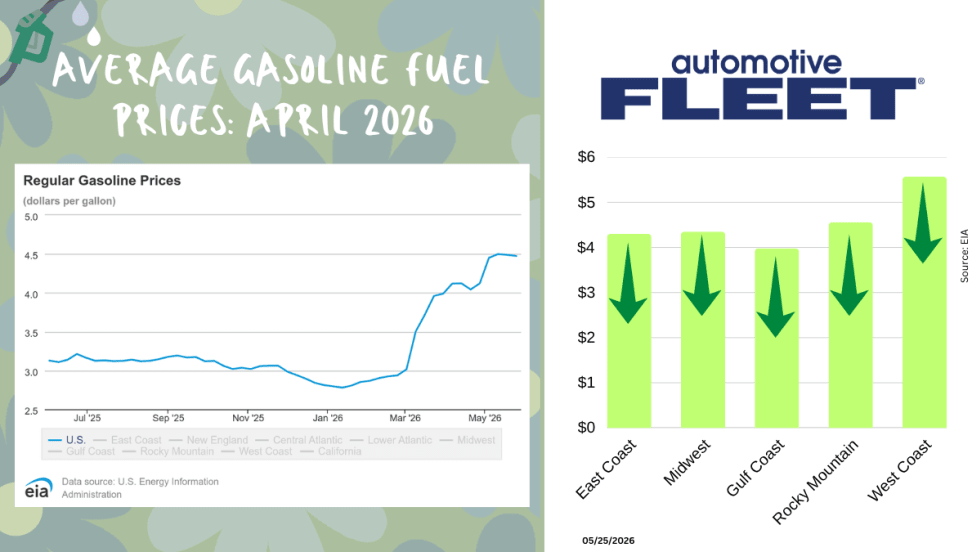
May Fuel Update: All Regions Experience Declines
Gas prices are finally easing in much of the country, but experts warn global tensions could quickly reverse the trend as the national average remains well above last month’s levels.
Read More →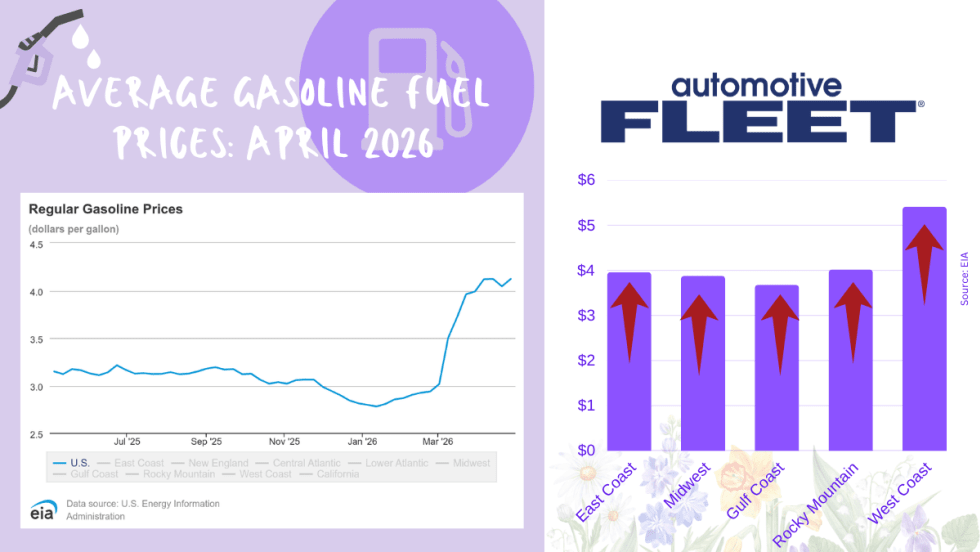
April Fuel Update: Prices Climb Above $4 as Spring Surge Accelerates
National average jumps to $4.04 per gallon, up sharply from last year, with West Coast prices topping $5 and further increases expected amid rising oil tensions.
Read More →
Tips from Fleet Managers on Saving Fuel Costs
Fleet leaders share practical strategies to reduce fuel spend through smarter policy, routing, and driver guidance.
Read More →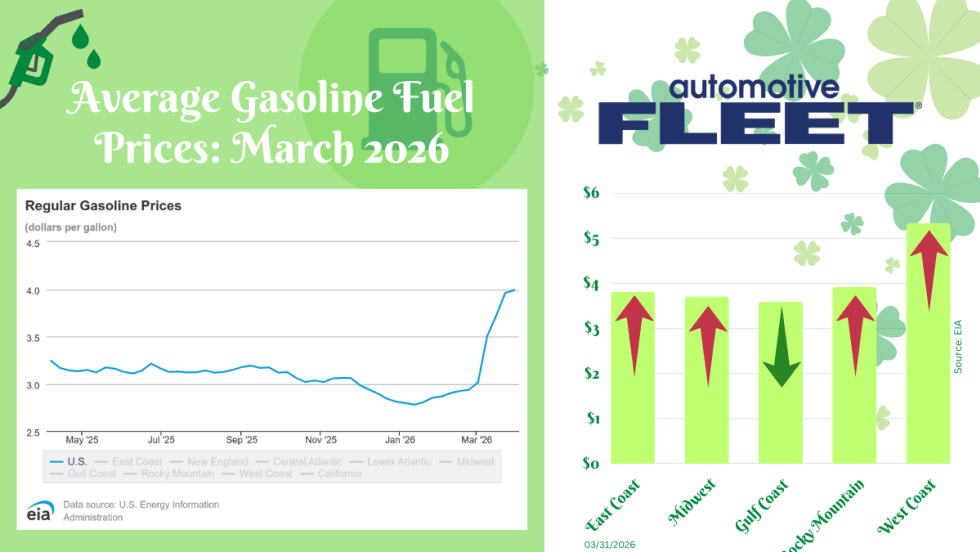
March Fuel Update: Prices Settle With a $4 Average
Fuel prices significantly slowed this week, but a $4 national average is still expected.
Read More →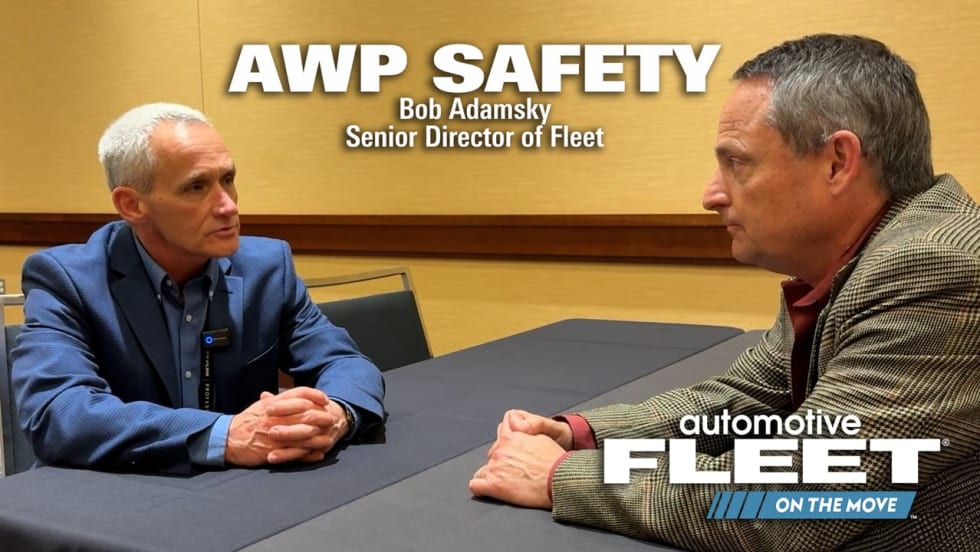
Bob Adamsky on Fuel Volatility: “Don’t Panic — Have a Plan”
With oil prices rising again, AWP Safety’s fleet manager shares how to respond to rising fuel costs and how the right strategy can turn fuel spikes into cost-saving opportunities.
Read More →
Oil Market Turbulence Is Complicating Fleet Cost Planning
Rapid swings in crude oil prices driven by the conflict in the Middle East could create longer-term cost pressures for fleets, affecting fuel prices, supply chains, and vehicle strategy, says NTEA’s Andrew Wrobel.
Read More →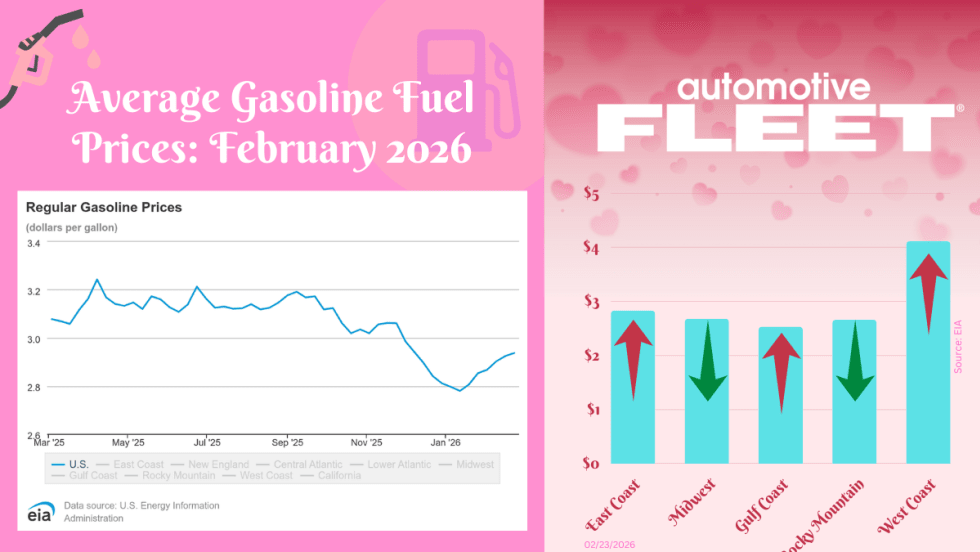
February Fuel Update: Prices Inch Higher for Third Week in a Row
The final February fuel update reveals prices continuing to inch higher for the third week in a row.
Read More →