




GM, Chevron Partner with California for E-85 Study
LOS ANGELES --- General Motors is working with the state of California, Chevron Technology Ventures, and Pacific Ethanol on a project aimed at learning more about potential consumer demand for E-85 as a motor vehicle fuel. The fuel will be used in GM's flexible-fuel vehicles.
LOS ANGELES --- General Motors is working with the state of California, Chevron Technology Ventures, and Pacific Ethanol on a project aimed at learning more about potential consumer demand for E-85 as a motor vehicle fuel. The fuel will be used in GM's flexible-fuel vehicles. GM announced the project at the L.A. Auto Show. The automaker intends to offer between 50 to 100 of its E-85-capable Chevrolet Impala passenger cars and Silverado pickup trucks for consideration in the state's annual competitive bid process. Flexible-fuel vehicles will be used by the California Department of Transportation (CalTrans) at various operations in Northern California and the state's Central Valley. Chevron Technology Ventures intends to work with CalTrans to provide E-85 fuel and install the necessary refueling pumps in these locations. Pacific Ethanol, a California-based ethanol production and marketing company, intends to provide the ethanol to Chevron Technology Ventures for the project. Since California imports more than half of its crude oil, developing diverse energy sources has become a statewide priority. The ethanol project is designed to explore the merits of E-85 to help meet that goal, and its potential to comply with California's stringent emissions standards. Although somewhat lower in energy content, ethanol delivers similar performance as regular gasoline and is a renewable, domestically produced fuel. E-85, a blend of 85 percent ethyl alcohol and 15 percent gasoline, is produced from the starch and sugar in agricultural products, primarily domestically-produced corn. "Chevron is exploring a variety of energy sources, including ethanol," said Greg Vesey, president of Chevron Technology Ventures. "We expect this effort will help us learn more about consumer acceptance of E-85 as well as issues surrounding its production and distribution." For GM, this collaboration with California is an important first step in helping to create and grow an E-85 refueling infrastructure for its E-85-capable vehicles on the road and in showrooms, said Elizabeth A. Lowery, GM's vice president of environment and energy. Pacific Ethanol is constructing a large-scale ethanol facility in Madera, Calif., and has plans to build four ethanol plants in the state during the next two years, said Bill Jones, Pacific Ethanol's Chairman. "Each plant will create more than 700 new jobs in California, and infuse more than $100 million in capital into the local economy," Jones said. "E-85 can help increase the amount of renewable fuel already used in California." GM has made a major commitment to E-85 flexible-fuel vehicles in the United States, with 1.5 million of these vehicles on the road today. GM approved the use of 10 percent ethanol blended gasoline in all GM products more than 20 years ago, and produces almost five million E-10 capable vehicles annually. For the 2006-model year, GM offers nine E85 flexible-fuel vehicles: the Chevrolet Tahoe, GMC Yukon, Chevrolet Suburban, GMC Yukon XL, Chevrolet Silverado, GMC Sierra, Chevrolet Avalanche, Chevrolet Impala, and the Chevrolet Monte Carlo. GM's E-85 vehicles can operate on either gasoline or 85 percent ethanol without any additional modifications, aftermarket conversions, or cumbersome switches for vehicle users. Currently, there are more than 400 public E-85 fueling sites in operation across the nation. In addition to producing E85 flexible fuel vehicles, GM has also partnered with the Governors' Ethanol Coalition (GEC), a bipartisan group of governors promoting greater use of ethanol.
More Fuel

Fuel Prices Surge in September | September Fuel Update
September brought major fuel price swings, including diesel crossing $6 a gallon. Here’s how gas and diesel prices changed throughout the month, and where they stood heading into October.
Read More →
Turning Fleet Payment Data into Executive Insights
Ramel Lindsay of U.S. Bank Voyager discusses how fleets can transform payment and transaction data into actionable intelligence to reduce costs, improve oversight, and support executive decision-making.
Read More →
Why the IRS Raised Its Mileage Rate in the Middle of 2026
Fuel-price volatility drove the rare increase to 76 cents per mile, the fifth midyear adjustment since 2000.
Read More →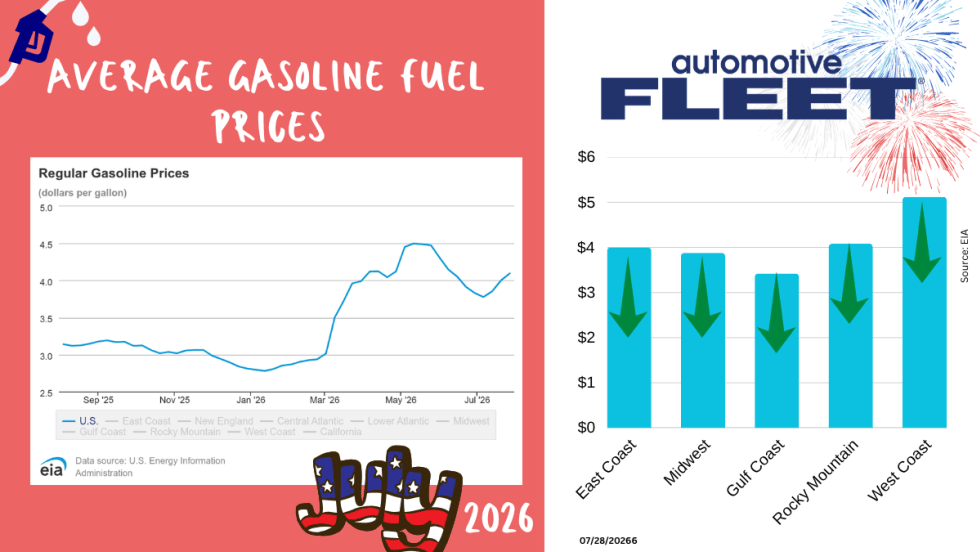
July Fuel Update: Prices Keep Rising in Light of More Conflict
Gas prices continue to rise as more and more conflicts do, too.
Read More →
Bob Adamsky on Fuel Volatility: "Don't Panic, Have a Plan."
When it comes to up and down fuel prices, Adamsky has a message for fleets: “Don’t panic.”
Read More →
How Fleets Can Gain Control of Non-Fuel Spend
Fuel often gets the spotlight, but non-fuel expenses can have a major impact on fleet costs. Ramel Lindsay of U.S. Bank Voyager discusses how fleets can gain better visibility and control over these often-overlooked expenditures.
Read More →
Fuel is Just the Start: How Middle East Tensions are Driving Up Fleet Maintenance Costs
The Middle East conflict is doing more than pushing up fuel prices. It’s also raising the cost of key maintenance products your fleet depends on, from motor oil to tires to windshield wipers. Here’s what you need to know about this budget-busting situation.
Read More →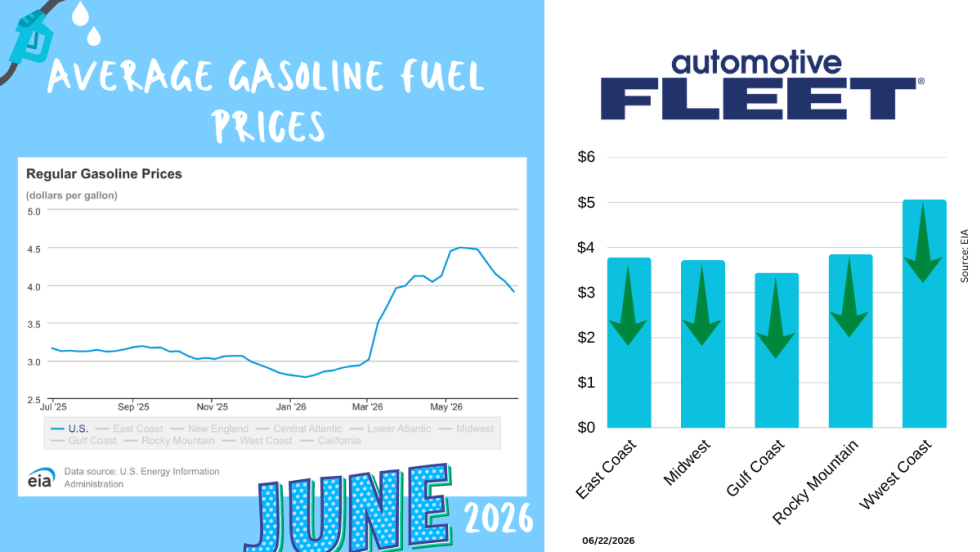
June Fuel Update: Prices Fall Below $4
Drivers are finally getting some relief at the pump. The national average gas price has dropped below $4 a gallon for the first time in months, with prices falling in 47 states as oil markets react to developments in U.S.-Iran negotiations.
Read More →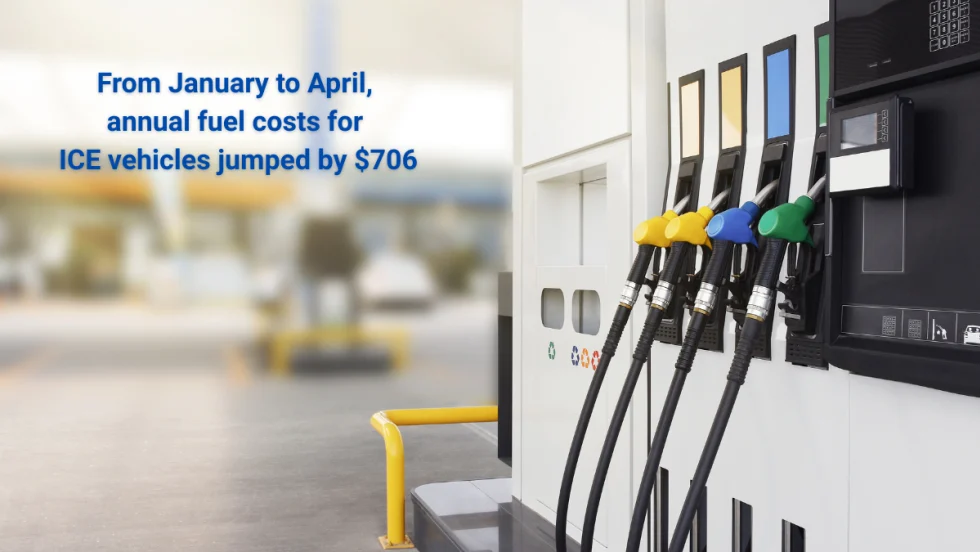
Study: How 2026's Gas Price Hikes Affect Different Vehicle Types
New data from iSeeCars reveals how rising fuel costs have affected different vehicle segments as gasoline prices climbed nearly 46% over the past four months.
Read More →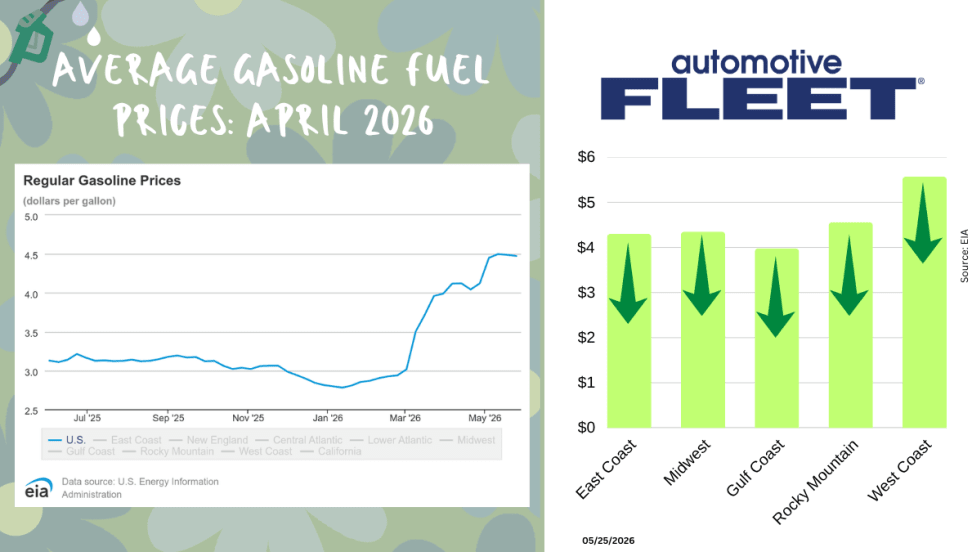
May Fuel Update: All Regions Experience Declines
Gas prices are finally easing in much of the country, but experts warn global tensions could quickly reverse the trend as the national average remains well above last month’s levels.
Read More →