




As part of an effort to address a growing global health threat, the first international auto safety regulation will be announced this week at a news conference in Geneva, according to the New York Times on Nov. 15. The regulation, aimed at improving locks so that car doors are less likely to fly open during accidents, is somewhat mundane. More significant is that it represents the first step in a six-year-long effort to standardize auto regulation among 22 nations, including the United States, Canada, China, Japan, Australia, and members of the European Union. "We have 1.2 million people killed every year in the world," said Stephen Kratzke, associate administrator for rule making at the National Highway Traffic Safety Administration (NHTSA), in a telephone interview from Geneva. "We think this is a significant step in moving to address that with a comprehensive vision." Auto safety has become a growing global concern because of booming car sales in developing countries including China and India, which have far higher fatality rates than the leading industrial nations, as speeding cars proliferate on rural roads. The World Health Organization projected in a report released this year that traffic accidents would become the third-leading cause of death and disability by 2020, up from ninth now. The victims are often young adults. The effort to standardize regulations across the major auto markets is being coordinated by a committee set up under United Nations auspices after a 1998 agreement to address traffic safety. Top safety experts from the participating nations met about half a dozen times in the last year to formulate minimum standards for door strength. "None of us had major upgrades to this since the 1970's," Kratzke said, "so it seemed like a good opportunity to work together collectively." Keeping doors closed during accidents reduces the chance that occupants will be thrown from a vehicle and seriously hurt or killed. The new standards will particularly bolster the testing of sliding doors in minivans, requiring them to stay closed even when subjected to a testing force of about 3,800 lbs. from the inside. Next on the international agenda are matters like making vehicles less harmful to pedestrians in accidents and devising new rules for motorcycle brakes and head restraints. The auto industry strongly backs this effort because it will be substantially cheaper to design cars to meet one set of regulations. "We are very optimistic about it," said Eron Shosteck, a spokesman for the Alliance of Automobile Manufacturers, which includes most of the major automakers. "We hope this global safety regulation will be the first of many." Still, Kratzke said it was unlikely that there would be completely global auto standards in the foreseeable future. "We think there will always be some hard situations where countries have differences in their fleets," he said, "so we wouldn't want to suggest that every standard will be the same. But we do think many of the standards will be harmonized and will be global."
Global Safety Rule Will Seek Safer Auto Doors
As part of an effort to address a growing global health threat, the first international auto safety regulation will be announced this week at a news conference in Geneva, according to the New York Times on Nov. 15.
More Safety
The Distractions You Can’t Turn Off: What Drivers Face Outside the Vehicle
Fleet drivers face constant visual, cognitive, and environmental interruptions the moment they hit the road. From roadside chaos to mental fatigue and digital overload, today’s biggest driving risks often come from outside the vehicle itself.
Read More →
FLASH Weather AI Launches First Deep-Learning Hail Prediction Model With High-Resolution Forecasting
FLASH Weather AI has launched a first-of-its-kind hail prediction model capable of forecasting hail size and arrival time at 1-kilometer resolution up to 55 minutes ahead, giving fleets and insurers critical time to prepare for severe storms.
Read More →
How Coca-Cola United Protects Its Fleet from Growing Legal Risk
As litigation risk rises, vehicles are increasingly targeted. This Coca-Cola bottler shares how it’s reducing exposure through driver training, technology, and a proactive risk management approach.
Read More →
How to Speak the Same Language on Fleet Safety
Drivers, supervisors, and data often speak different safety “languages.” Getting on the same page will drive better results.
Read More →
Fleet Cybersecurity 101: What You Need from Your Technology Vendors
From identity management to third-party certifications, the right technology partner should make security easier to manage. Here are the three building blocks that fleet managers need to stay in control as connected systems scale.
Read More →
Reducing Risk by Eliminating Phone Use Behind the Wheel
Distracted driving remains one of the most persistent risks in fleet operations. New approaches focus on removing mobile device use entirely while adding real-time safety support.
Read More →
Distracted Driving in the Age of Smart Tech – Part 2
As distraction risks evolve, fleets are turning to smarter, more connected technologies to better understand what’s happening behind the wheel. Part 2 explores how these tools are helping identify risky behaviors and improve visibility across operations.
Read More →
Data Rights, Risks, and Responsibilities After a Crash
What fleets capture to improve safety can also expose them in litigation, forcing leaders to rethink how data is managed, stored, and shared.
Read More →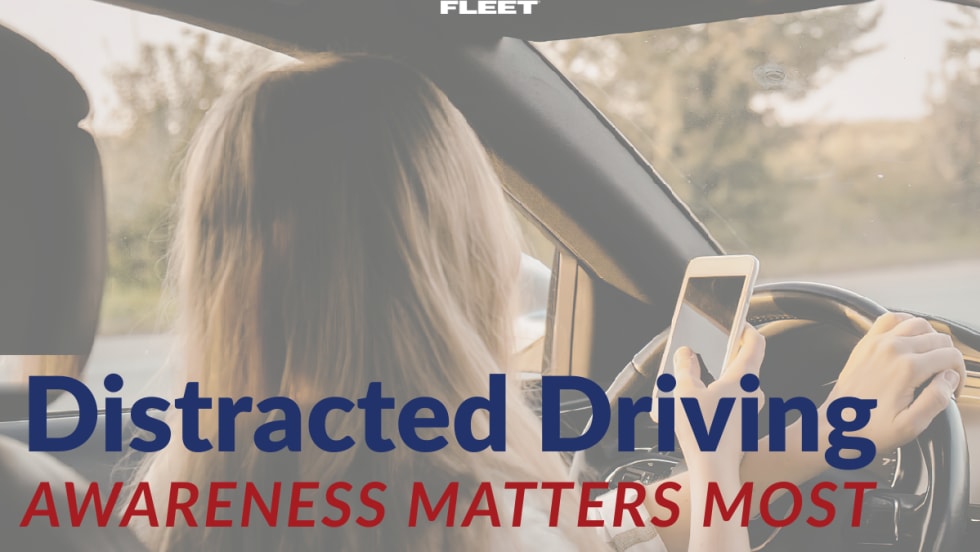
From Distraction to Detection: Strengthening Awareness in Fleet Drivers
Distracted driving is often measured by what we can see—phones in hand, eyes off the road. But what about the distractions we can’t? A recent incident raises a bigger question about awareness, attention, and why subtle risks so often go unnoticed.
Read More →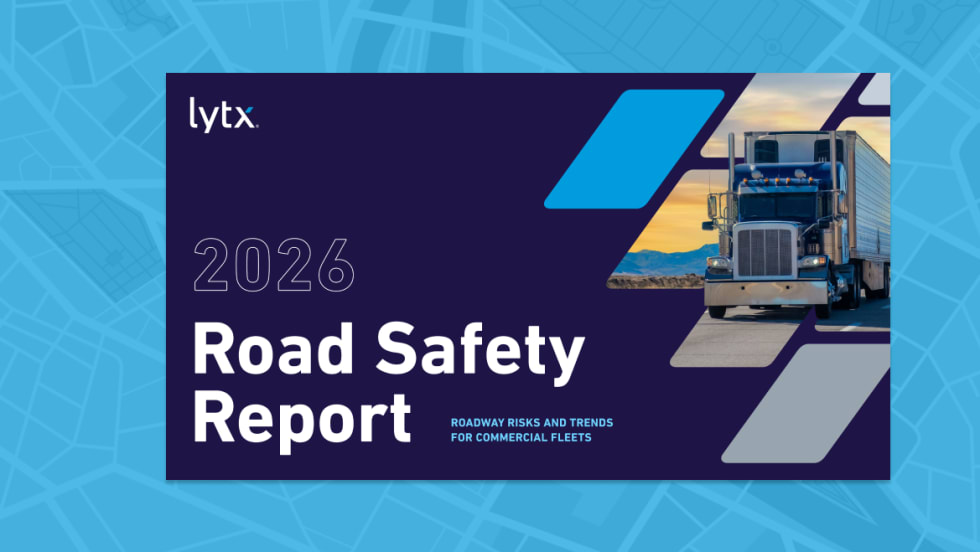
Lytx 2026 Road Safety Report
While serious crashes are declining, a rise in minor incidents and ongoing risk hotspots underscore the need for continued fleet safety investment.
Read More →