




Gasoline Prices Have Dropped 54 Cents in Past Six Weeks
WASHINGTON, D.C. --- The Energy Information Administration's (EIA) weekly U.S. average retail price for regular gasoline has fallen by 54 cents per gallon in just six weeks. That includes a 12-cent decline in the past week.
WASHINGTON, D.C. --- The Energy Information Administration's (EIA) weekly U.S. average retail price for regular gasoline has fallen by 54 cents per gallon in just six weeks. That includes a 12-cent decline in the past week. This is already the second-largest uninterrupted decline in the history of the survey (dating back to August 1990), trailing only last year's nine-week, 78-cent drop after Hurricane Rita, the EIA said. Some analysts have predicted that average U.S. prices will drop near $2 per gallon or lower, and prices under $2 have already been reported in a few locations. So how low will gasoline prices get? "In order to understand where retail gasoline prices might be headed, we need to look at the various components behind the price consumers see at the pump," the EIA explained in its newsletter released this week. "First, and most visible, is the price of crude oil, which has also fallen sharply (over $13 per barrel, or about 31 cents per gallon) over the same recent period. Secondly, the so-called "crack spread" between crude oil and spot market (approximately "refinery gate") prices for gasoline, which typically drops at the end of the driving season, has fallen more sharply than usual since early August. Finally, distribution and marketing costs and profits, along with taxes, round out the major components of retail gasoline prices." Crude oil and gasoline have a "push-pull" relationship. Falling crude oil prices can pull gasoline prices down, and falling gasoline prices can push crude oil down. The same forces work in the other direction when prices are rising. Crude oil prices depend on the global balance between supply and demand, which is often influenced by geopolitical or natural events. Also, the price of gasoline relative to crude oil is a major factor in the profitability of refining. The size of that spread influences whether refiners will demand more or less crude oil, which in turn influences its price. "Both factors have come into play during the past six weeks, as crude oil prices have eased due to a perceived reduction in threats to global supply, and the end of the driving season has magnified the drop in gasoline prices. The latter reflects a decrease in the gasoline crack spread from historically high levels this summer to unusually low levels by mid-September," the EIA reported. Beyond the refinery, taxes add the largest increment (about 46 cents, on average this year) to retail prices. The remainder depends on the distribution and marketing functions. The amount available to cover the costs and profits of distribution and marketing varies as prices rise and fall, but averages under 20 cents per gallon. Keep in mind there is a lag between wholesale and retail price changes. In general, marketers tend to make less profit as wholesale prices rise while retail prices lag behind, but make more profit as prices decline. So what does this breakdown suggest about the near-term prospects for retail gasoline prices? The EIA added: "Reductions already seen in spot and futures markets could imply a further decrease in the U.S. average retail price of as much as 25 cents (to around $2.25 per gallon), if those wholesale markets don't turn upward in the interim."
More Fuel
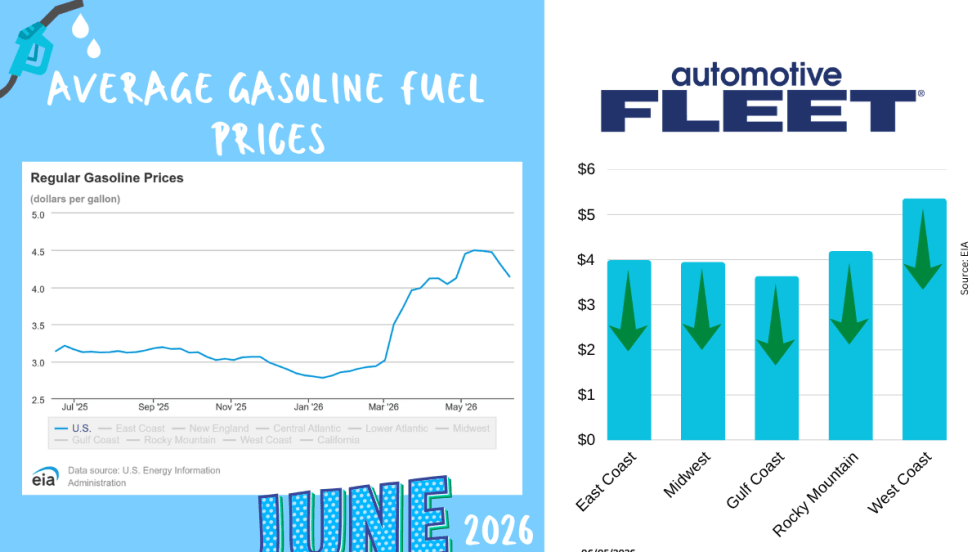
June Fuel Update: Prices Continue to Fall
While prices have continued to decline for four straight weeks, the next weeks don't look as promising.
Read More →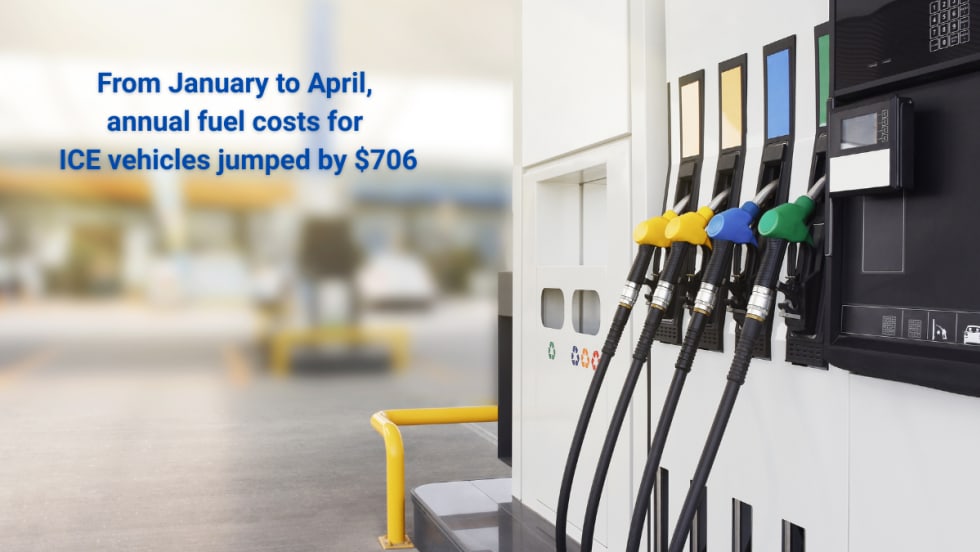
Study: How 2026's Gas Price Hikes Affect Different Vehicle Types
New data from iSeeCars reveals how rising fuel costs have affected different vehicle segments as gasoline prices climbed nearly 46% over the past four months.
Read More →
Are You Tracking Your Fleet's True Total Cost of Ownership?
Bobit Business Media surveyed 190 fleet professionals and found that while most fleets are tracking costs, fragmented systems and data gaps are keeping true TCO visibility out of reach. With rising pressure to control spend in an increasingly volatile environment, the gap between what fleets think they know and what the data actually shows is wider than you might expect. See how your peers are managing costs today and where the industry still has room to improve.
Read More →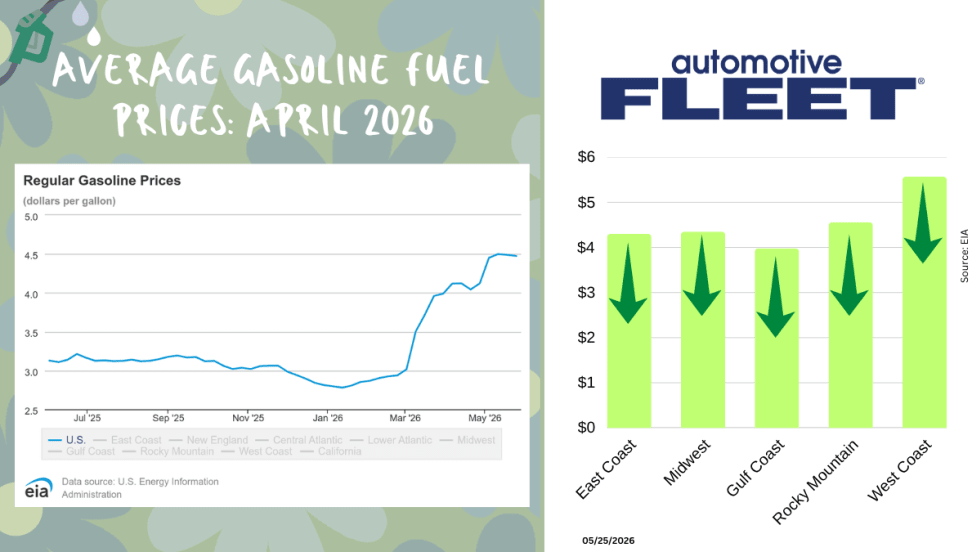
May Fuel Update: All Regions Experience Declines
Gas prices are finally easing in much of the country, but experts warn global tensions could quickly reverse the trend as the national average remains well above last month’s levels.
Read More →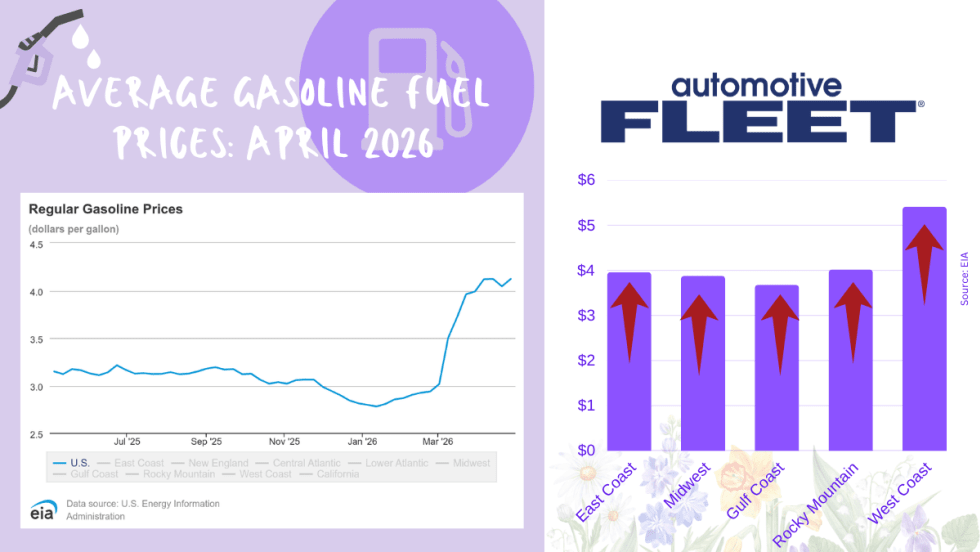
April Fuel Update: Prices Climb Above $4 as Spring Surge Accelerates
National average jumps to $4.04 per gallon, up sharply from last year, with West Coast prices topping $5 and further increases expected amid rising oil tensions.
Read More →
Tips from Fleet Managers on Saving Fuel Costs
Fleet leaders share practical strategies to reduce fuel spend through smarter policy, routing, and driver guidance.
Read More →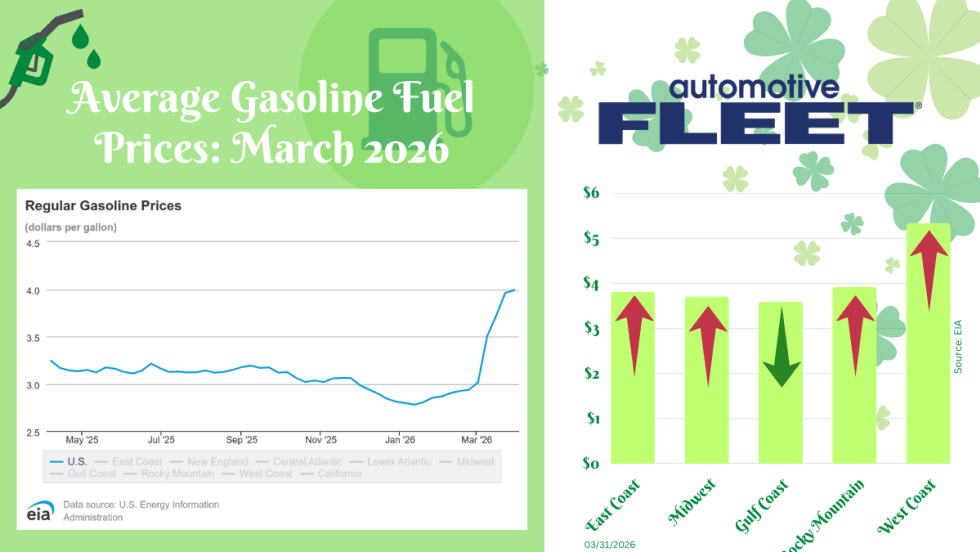
March Fuel Update: Prices Settle With a $4 Average
Fuel prices significantly slowed this week, but a $4 national average is still expected.
Read More →
Bob Adamsky on Fuel Volatility: “Don’t Panic — Have a Plan”
With oil prices rising again, AWP Safety’s fleet manager shares how to respond to rising fuel costs and how the right strategy can turn fuel spikes into cost-saving opportunities.
Read More →
Oil Market Turbulence Is Complicating Fleet Cost Planning
Rapid swings in crude oil prices driven by the conflict in the Middle East could create longer-term cost pressures for fleets, affecting fuel prices, supply chains, and vehicle strategy, says NTEA’s Andrew Wrobel.
Read More →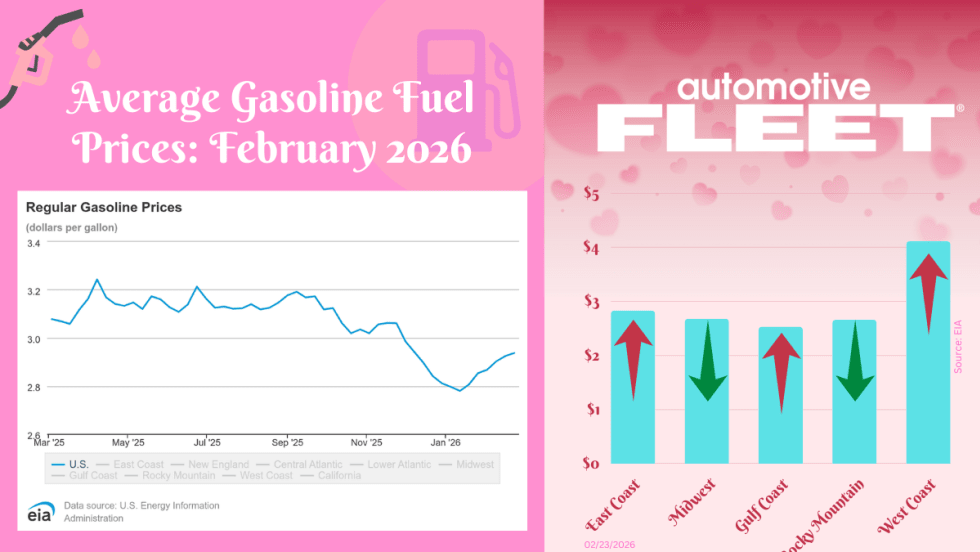
February Fuel Update: Prices Inch Higher for Third Week in a Row
The final February fuel update reveals prices continuing to inch higher for the third week in a row.
Read More →