




FuelBudget.com Offers Fuel-Saving Tips
FuelBudget.com offers a range of driving tips to help conserve fuel and save money.
FuelBudget.com offers a range of driving tips to conserve fuel and save money. Here's some advice to hand off to your fleet drivers. For starters, accelerate normally from a fully stopped position. "Flooring" the gas pedal pushes more fuel to the engine and wastes gasoline. Drive steadily. Slowing down or speeding up wastes gas. Every time your speed exceeds 55 mph your fuel economy drops by 2 percent. Avoid tailgating. Not only is it dangerous, but slowing down unexpectedly negatively affects your fuel consumption. Driving fast in low gears consumes up to 45 percent more gas than is needed. Driving at the speed limit saves you one-third of the cost of a gallon. Every mile over the speed limit adds $.02 cents per gallon and it burns faster. So try cruising on the highway. Exceeding 45 mph forces your car to overcome tremendous wind resistance which, in turn, uses more horsepower and gas. When driving on a highway, you need to keep your windows closed. This relates to the property of wind resistance. Your car has to work harder to maintain the desired speed, causing air drag and losing momentum. Think ahead when approaching hills. Don't accelerate when driving uphill --- it makes your mileage per gallon go up. Instead, try to drive at the same speed, or even a little slower. Remove the luggage and roof racks from your car and all related outdoorsy gear and put it away until they are back in season. Get rid of the junk in your trunk. The extra weight reduces your mileage per gallon. Avoid using your engine needlessly. If and when you are at a standstill at a railroad crossing, or long traffic light, for example, place gear into neutral position. This reduces transmission strain and allows transmission to cool without wasting fuel. Don't take a long time to warm up the engine --- 40 seconds is enough time. Avoid overfilling the gas tank. If the nozzle is automatic, wait for the click that indicates that you have filled up your car to full capacity. Overfilling the tank causes spills and wastes gas. The best time to buy gas is when it's coolest outside, which is either early morning or late evening. During these times gasoline is densest. Density measures mass per unit of volume and gas pumps measure volumes of gasoline, not densities of fuel concentration. You are charged according to "volume of measurement." Choose the type and brand of gasoline carefully. Certain brands provide you with greater economy because of better quality. If your vehicle does not require premium grade gas don't use it. You get better fuel economy with a lower gasoline grade. Check your vehicle's air filter and tire pressure. A clogged or dirty air filter can slow your vehicle down and use more gasoline. Under-inflated tires could cause excessive drag, slowing the vehicle and causing the engine to consume more gas. Avoid driving on roughness whenever possible, because dirt or gravel strips your gas mileage. Perform regular check-ups to ensure smooth operation of your vehicle. Any unforeseen malfunction causes problems in other areas. Even if your car seems to be running well, that mystifying "Check Engine" light could represent a dead oxygen sensor or some other emissions control problem that causes the vehicle to waste several miles per gallon. Air conditioners can reduce fuel economy by 10 to 20 percent. Heater fan, power windows and seats increase engine load. The more load on your engine, the less miles per gallon. During cold weather, you need to watch for piled up snow and ice on the car frame since they cause tremendous wind resistance. Warm water will quickly dissolve any accumulations.
More Fuel
Bob Adamsky on Fuel Volatility: "Don't Panic, Have a Plan."
When it comes to up and down fuel prices, Adamsky has a message for fleets: “Don’t panic.”
Read More →
How Fleets Can Gain Control of Non-Fuel Spend
Fuel often gets the spotlight, but non-fuel expenses can have a major impact on fleet costs. Ramel Lindsay of U.S. Bank Voyager discusses how fleets can gain better visibility and control over these often-overlooked expenditures.
Read More →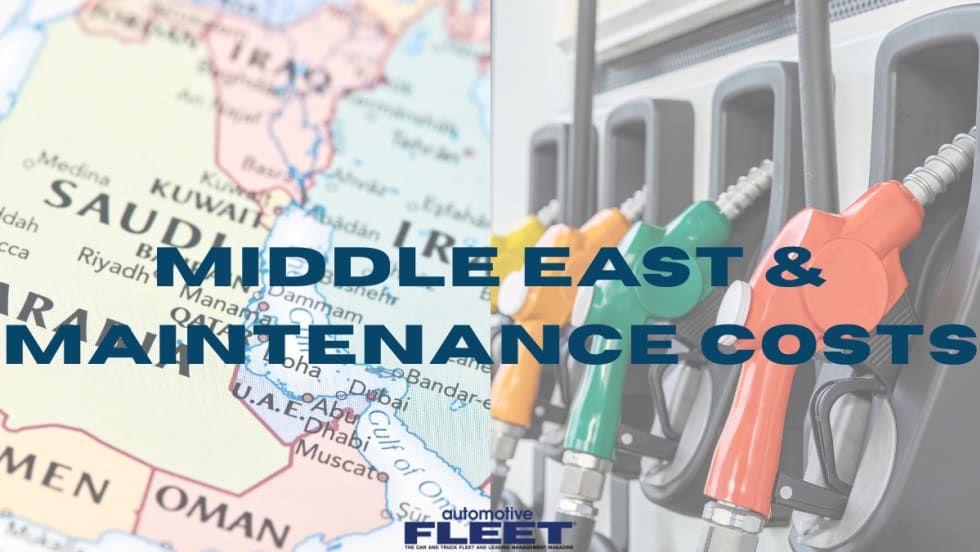
Fuel is Just the Start: How Middle East Tensions are Driving Up Fleet Maintenance Costs
The Middle East conflict is doing more than pushing up fuel prices. It’s also raising the cost of key maintenance products your fleet depends on, from motor oil to tires to windshield wipers. Here’s what you need to know about this budget-busting situation.
Read More →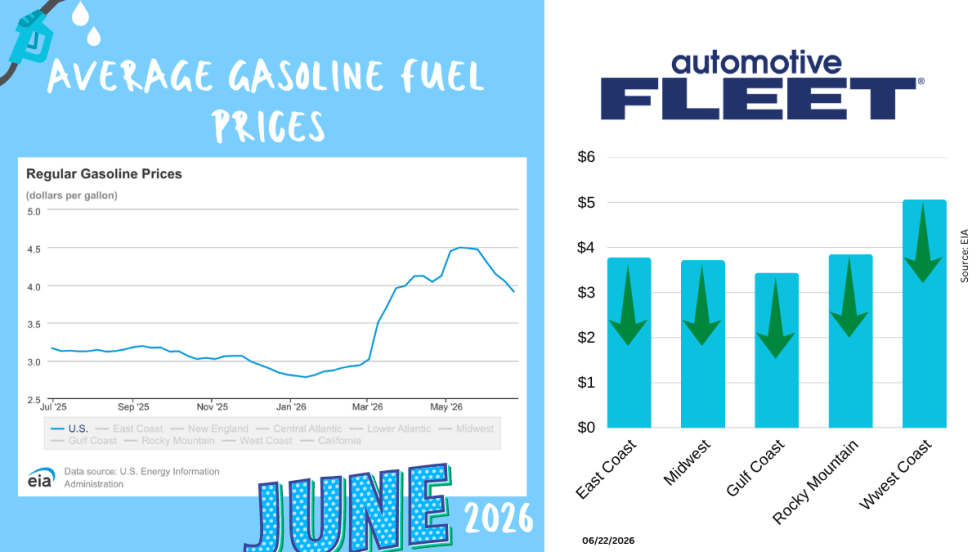
June Fuel Update: Prices Fall Below $4
Drivers are finally getting some relief at the pump. The national average gas price has dropped below $4 a gallon for the first time in months, with prices falling in 47 states as oil markets react to developments in U.S.-Iran negotiations.
Read More →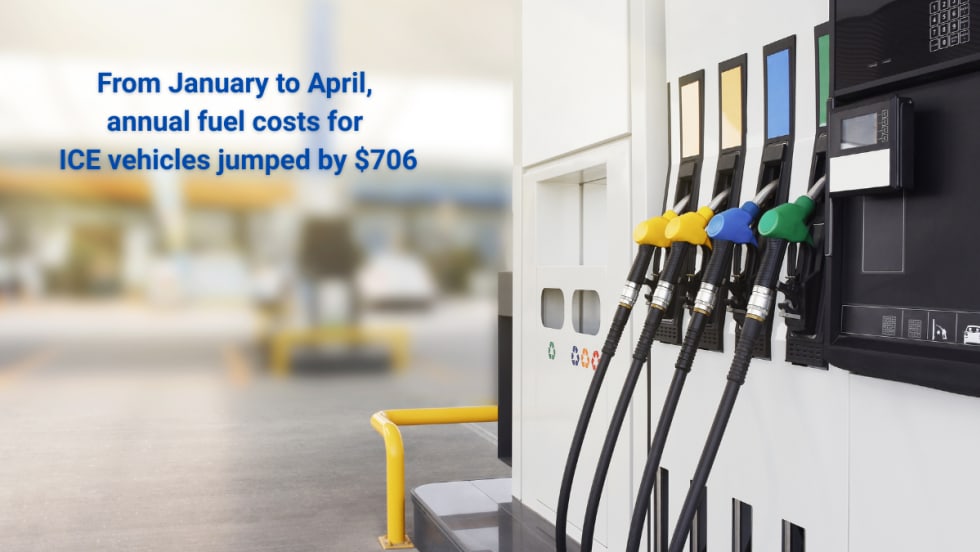
Study: How 2026's Gas Price Hikes Affect Different Vehicle Types
New data from iSeeCars reveals how rising fuel costs have affected different vehicle segments as gasoline prices climbed nearly 46% over the past four months.
Read More →
Are You Tracking Your Fleet's True Total Cost of Ownership?
Bobit Business Media surveyed 190 fleet professionals and found that while most fleets are tracking costs, fragmented systems and data gaps are keeping true TCO visibility out of reach. With rising pressure to control spend in an increasingly volatile environment, the gap between what fleets think they know and what the data actually shows is wider than you might expect. See how your peers are managing costs today and where the industry still has room to improve.
Read More →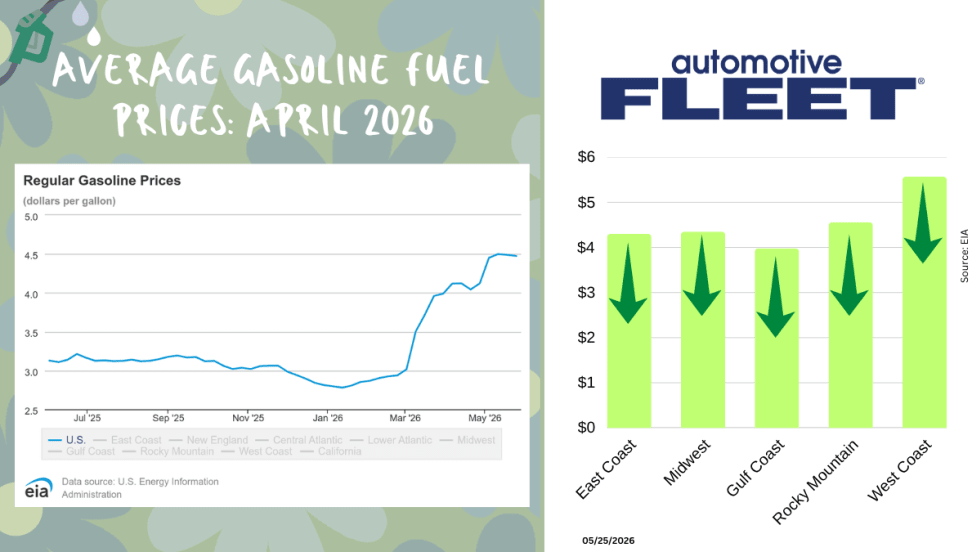
May Fuel Update: All Regions Experience Declines
Gas prices are finally easing in much of the country, but experts warn global tensions could quickly reverse the trend as the national average remains well above last month’s levels.
Read More →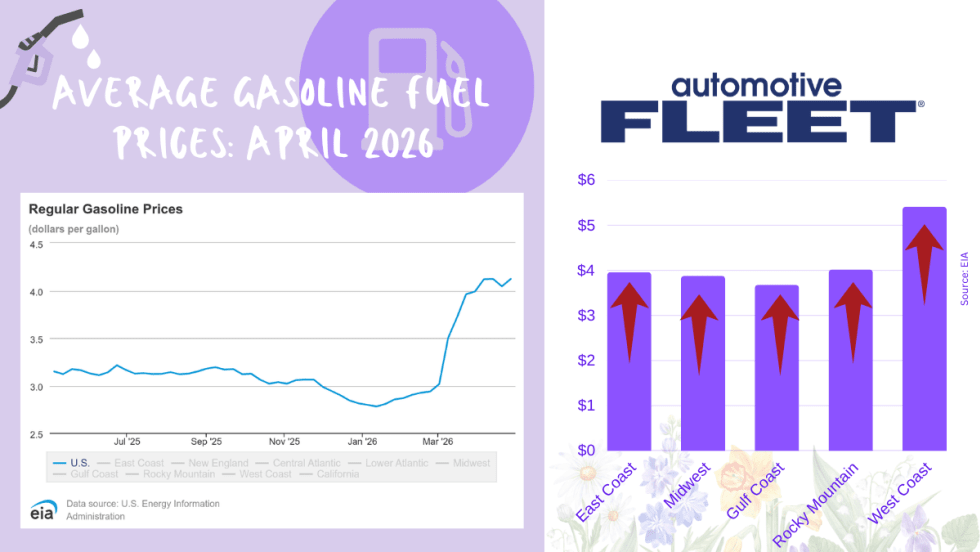
April Fuel Update: Prices Climb Above $4 as Spring Surge Accelerates
National average jumps to $4.04 per gallon, up sharply from last year, with West Coast prices topping $5 and further increases expected amid rising oil tensions.
Read More →
Tips from Fleet Managers on Saving Fuel Costs
Fleet leaders share practical strategies to reduce fuel spend through smarter policy, routing, and driver guidance.
Read More →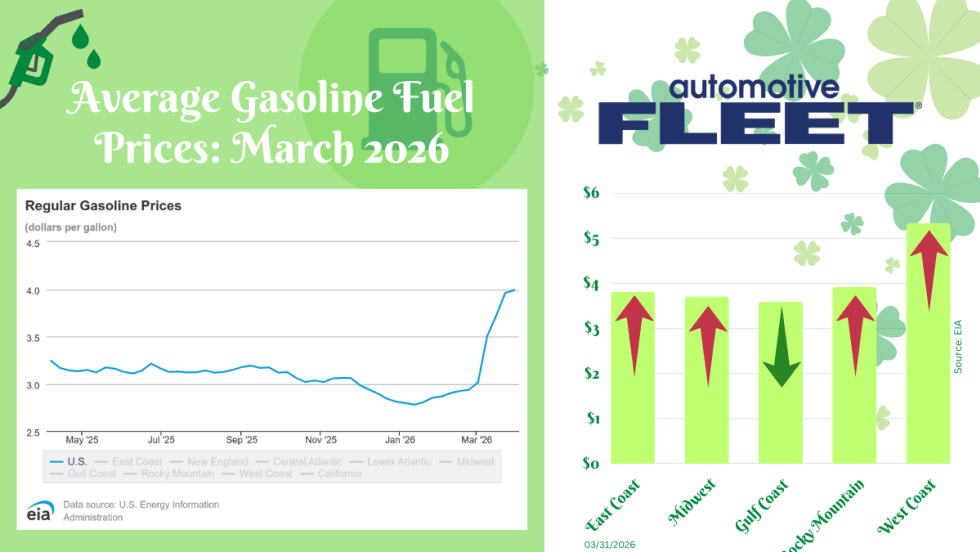
March Fuel Update: Prices Settle With a $4 Average
Fuel prices significantly slowed this week, but a $4 national average is still expected.
Read More →