




Frost & Sullivan: Pros and Cons of Hydrogen in Autos
Much has been made in recent years of the possibility that fuel-cell-powered electric vehicles (FCEVs) might provide substantial reductions in automotive energy consumption and emissions.
Much has been made in recent years of the possibility that fuel-cell-powered electric vehicles (FCEVs) might provide substantial reductions in automotive energy consumption and emissions. However, while some automakers concentrate on developing FCEVs, others are de-veloping vehicles that burn hydrogen instead of gasoline in internal combustion engines (ICEs).
According to research done by Frost & Sullivan, advantages of hydrogen as a fuel in internal combustion engines are:
Hydrogen is a renewable fuel that can be derived from water through electrolysis, and it can be extracted from petroleum or natural gas.
Since there is no carbon in hydrogen fuel, there are virtually no tailpipe emissions of carbon monoxide or carbon dioxide (CO2). Thus, hydrogen may help automakers meet the CO2 regulation that California is considering.
Automakers have substantial experience with internal combustion engines, while fuel cells are a relatively new technology.
Research by the company indicates that energy efficiency of a hydrogen ICE is 20 to 25 percent better than that of a gasoline ICE because a hydrogen ICE resembles a diesel engine in some of its operating characteristics. Specifically:Hydrogen can be used at very lean air:fuel ratios.
Hydrogen can be used in higher-compression engines.
A hydrogen-fueled engine can be controlled without a throttle.
Unfortunately, hydrogen also has a number of disadvantages in this use. According to the com-pany, if hydrogen is combusted near its stoichiometric air:fuel ratio, high combustion temperatures result in the formation of oxides of nitrogen (NOx), which have to be cleaned up by a catalytic converter. By volume, a vehicle uses 3.5 times more liquid hydrogen than gasoline, so fuel storage takes substantial space onboard a vehicle. (This problem can be mitigated by designing a vehicle specifically for hydrogen storage. Today's test vehicles are converted gasoline-powered cars.) Whether as a compressed gas or a super-cooled liquid, hydrogen is more difficult to handle than gasoline. Refueling with compressed hydrogen is similar to refueling with compressed natural gas. The cost of hydrogen may be higher on a per-mile basis than today's cost of gasoline, even when hydrogen is produced in large volume for use as a fuel. In particular, liquefaction (turning gaseous hydrogen into a super-cooled liquid) is expensive. A hydrogen refueling infrastructure would have to be developed. Liquid hydrogen tanks have to be well-insulated and gaseous hydrogen tanks have to withstand high pressure, so they add to a vehicle's cost. Up to two percent of the fuel in a liquid hydrogen tank can be lost to evaporation per day. BMW and Ford Motor Company are two leading developers of hydrogen-fueled ICE vehicles. BMW regards ICE-powered vehicles as more suited to its performance orientation than FCEVs, and doubts that fuel cells will be robust enough for automotive application any time soon. Ford regards FCEVs as the ultimate goal, with hydrogen-fueled ICE vehicles as possibly easing a transition to FCEVs. Ford is developing hydrogen ICE and FCEV technologies simultaneously. If demand existed, hydrogen-fueled ICE vehicles could be put into large-scale production within a few years, because these vehicles represent a relatively small leap in technology. According to the company, hydrogen-fueled ICE vehicles are technically feasible, but the economic aspect of supplying hydrogen remains a major hurdle.
More Fuel

Fuel Prices Surge in September | September Fuel Update
September brought major fuel price swings, including diesel crossing $6 a gallon. Here’s how gas and diesel prices changed throughout the month, and where they stood heading into October.
Read More →
Turning Fleet Payment Data into Executive Insights
Ramel Lindsay of U.S. Bank Voyager discusses how fleets can transform payment and transaction data into actionable intelligence to reduce costs, improve oversight, and support executive decision-making.
Read More →
Why the IRS Raised Its Mileage Rate in the Middle of 2026
Fuel-price volatility drove the rare increase to 76 cents per mile, the fifth midyear adjustment since 2000.
Read More →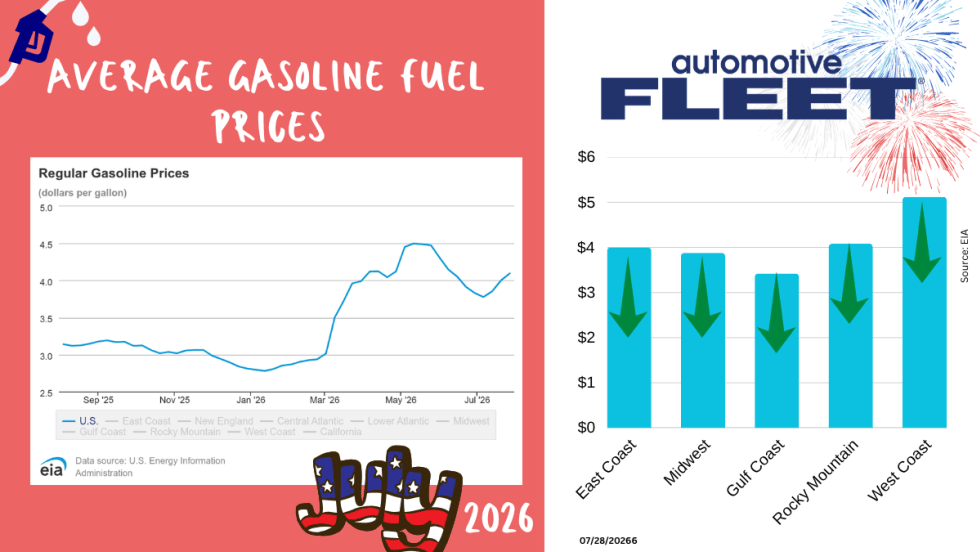
July Fuel Update: Prices Keep Rising in Light of More Conflict
Gas prices continue to rise as more and more conflicts do, too.
Read More →
Bob Adamsky on Fuel Volatility: "Don't Panic, Have a Plan."
When it comes to up and down fuel prices, Adamsky has a message for fleets: “Don’t panic.”
Read More →
How Fleets Can Gain Control of Non-Fuel Spend
Fuel often gets the spotlight, but non-fuel expenses can have a major impact on fleet costs. Ramel Lindsay of U.S. Bank Voyager discusses how fleets can gain better visibility and control over these often-overlooked expenditures.
Read More →
Fuel is Just the Start: How Middle East Tensions are Driving Up Fleet Maintenance Costs
The Middle East conflict is doing more than pushing up fuel prices. It’s also raising the cost of key maintenance products your fleet depends on, from motor oil to tires to windshield wipers. Here’s what you need to know about this budget-busting situation.
Read More →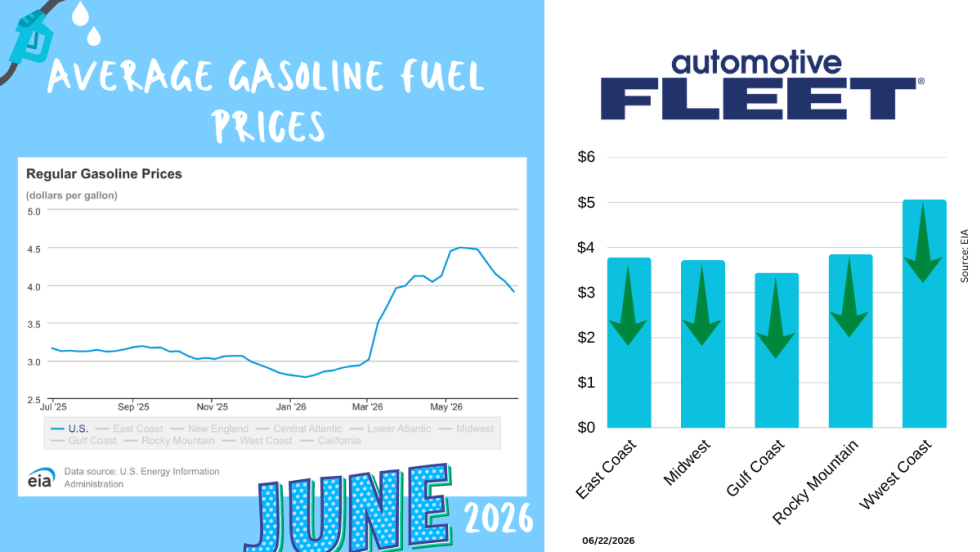
June Fuel Update: Prices Fall Below $4
Drivers are finally getting some relief at the pump. The national average gas price has dropped below $4 a gallon for the first time in months, with prices falling in 47 states as oil markets react to developments in U.S.-Iran negotiations.
Read More →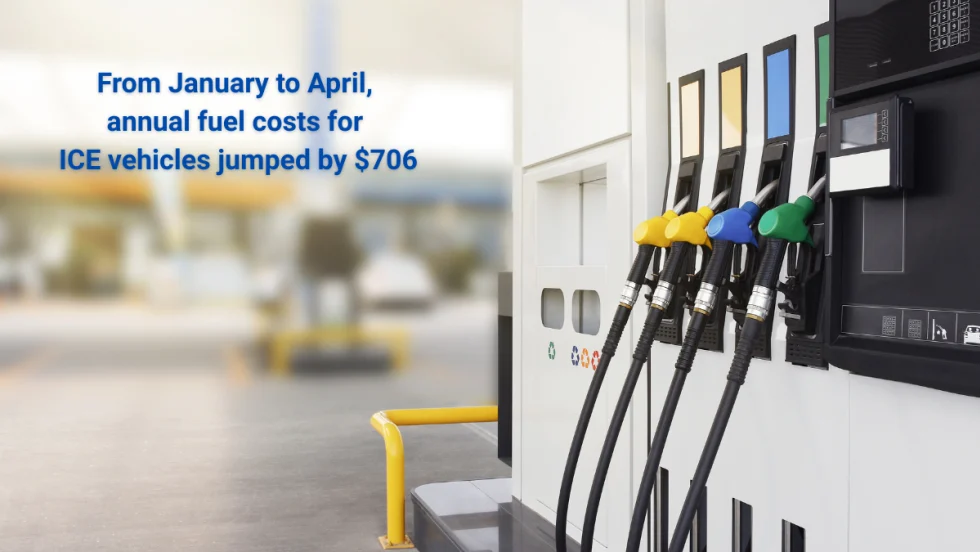
Study: How 2026's Gas Price Hikes Affect Different Vehicle Types
New data from iSeeCars reveals how rising fuel costs have affected different vehicle segments as gasoline prices climbed nearly 46% over the past four months.
Read More →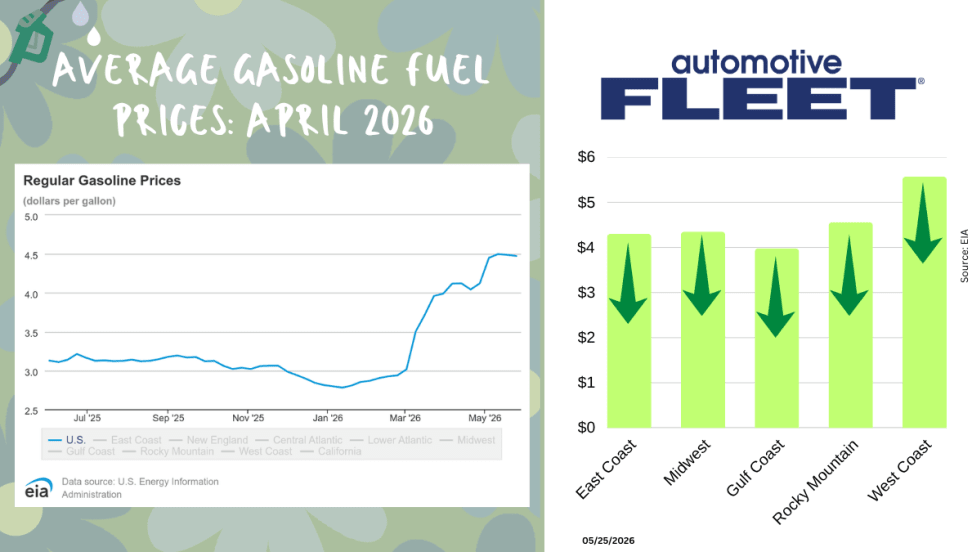
May Fuel Update: All Regions Experience Declines
Gas prices are finally easing in much of the country, but experts warn global tensions could quickly reverse the trend as the national average remains well above last month’s levels.
Read More →