




Freightliner Custom Chassis Corporation Launches Hydraulic Hybrid at NTEA Work Truck Show
CHICAGO - Freightliner Custom Chassis Corporation (FCCC) introduced the newest addition to its robust alternative powertrain chassis development program - the pilot hydraulic hybrid walk-in van chassis.
CHICAGO - Freightliner Custom Chassis Corporation (FCCC) introduced the newest addition to its robust alternative powertrain chassis development program - the pilot hydraulic hybrid walk-in van chassis. This latest alternative-fuel chassis from FCCC was launched at the recent National Truck Equipment Association (NTEA) Work Truck Show.
Boasting improved fuel economy and less brake wear due to regenerative braking, the hydraulic hybrid chassis is designed and engineered in partnership with Parker Hannifin Corporation to address environmental and cost-savings concerns.
"The hydraulic hybrid chassis not only offers a reduction in operating costs, it also decreases exhaust emissions, providing a substantial environmental benefit," said Jonathan Randall, director of sales and marketing for FCCC. "As the first chassis manufacturer to launch hybrids into the walk-in van market, we are very proud to continue that tradition by introducing our hydraulic hybrid as another option for
customers."
Predictions based on preliminary testing have shown that the hydraulic hybrid improves fuel economy between 50 to 70 percent over traditional diesel-powered vehicles with automatic transmissions in stop-and-go applications. The hydraulic hybrid improves fuel economy in three significant ways: recovered braking energy, improved engine efficiency, and its engine-off feature.
Built on the FCCC MT-55 chassis, the hydraulic hybrid system stores energy during the braking process in an accumulator. The energy stored in the accumulator is then used to accelerate the vehicle on the next launch. Upon reacceleration, the vehicle utilizes the energy stored in the accumulator and once depleted, the engine is restarted.
Another feature of the hydraulic system is that the engine is not connected to the rear wheels of the vehicle, allowing it to run more efficiently as it doesn't need to track road speed. Furthermore, the advanced engine-off feature allows the engine to turn off while idling at a stop. The engine only restarts when the energy stored in the accumulator is not enough to meet driving demands.
The hydraulic hybrid also requires less traditional friction braking because of its regenerative braking system, resulting in less brake wear and extended brake life. The regenerative braking system saves energy by recycling and storing it as hydraulic power, which can then be reused to propel the vehicle instead of losing it to heat as is the case with traditional brakes. The friction braking system is minimally used when the regenerative system is working, further extending brake life and lowering maintenance costs.
FCCC and Parker Hannifin developed a prototype hybrid hydraulic chassis for FedEx Ground in 2008, and are currently running driver evaluation tests. UPS also received a hydraulic hybrid prototype for fleet testing.
More Green Fleet

Merchants Fleet Reports 290M EV Miles as Fleets Navigate Changing Electrification Market
From millions in operating savings to hundreds of millions of EV miles, Merchants Fleet’s latest report reveals what’s working and what’s changing in fleet electrification.
Read More →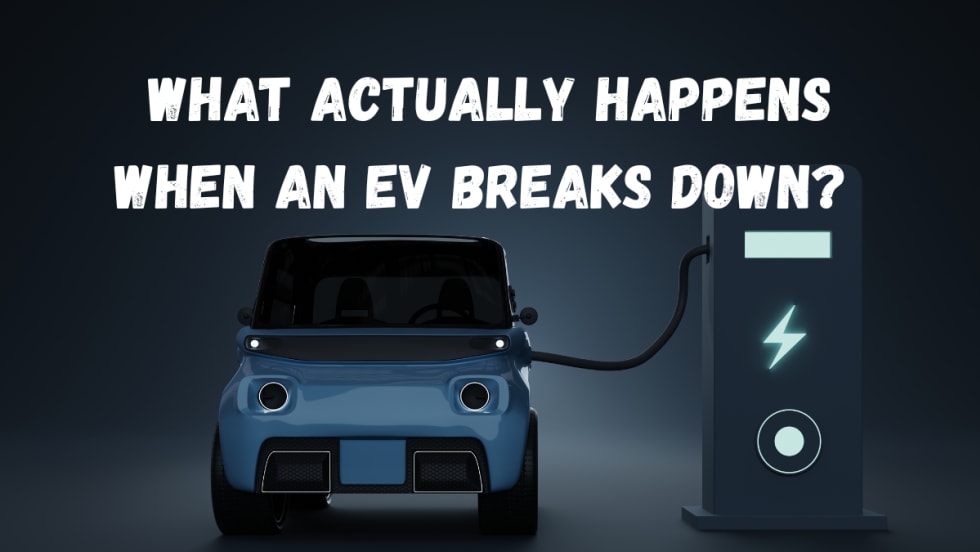
The EV Breakdown Nobody's Talking About: Why Most Electric Vehicle Roadside Calls Aren't Mechanical Failures
Here's why EV breakdowns are widely misunderstood.
Read More →
ChargePoint Now Available in Energy Pass
ChargePoint and additional planned charging network integrations were added to GM's Energy Pass.
Read More →
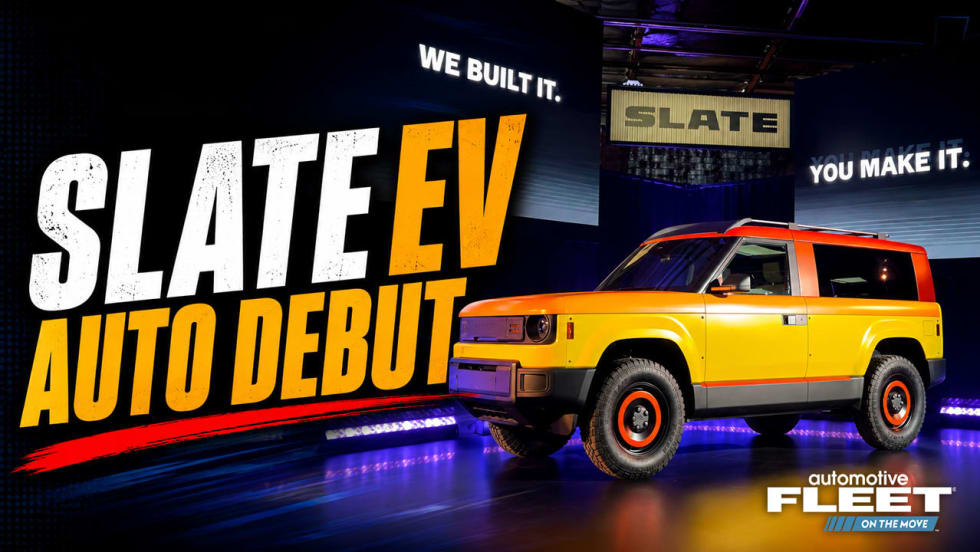
First Look: Slate Auto's Electric Fleet Pickup
Could an affordable, modular EV pickup make electrification more practical for fleets?
Read More →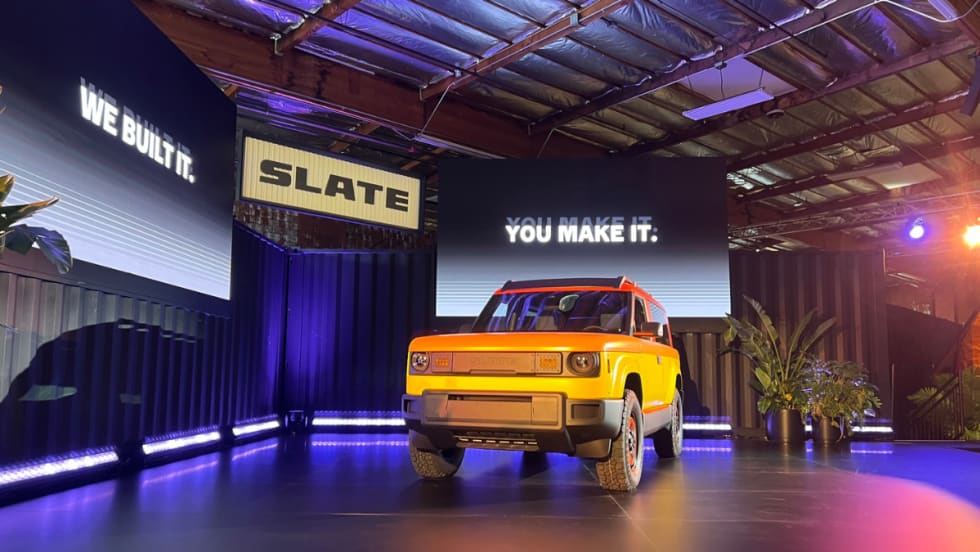
Slate Debuts Colorful, Unique EV Models
A recent media and client event, studded with electric vehicles dressed up on platforms, planted a new position for the manufacturer in the wider EV market. Fleets will find cost-saving advantages.
Read More →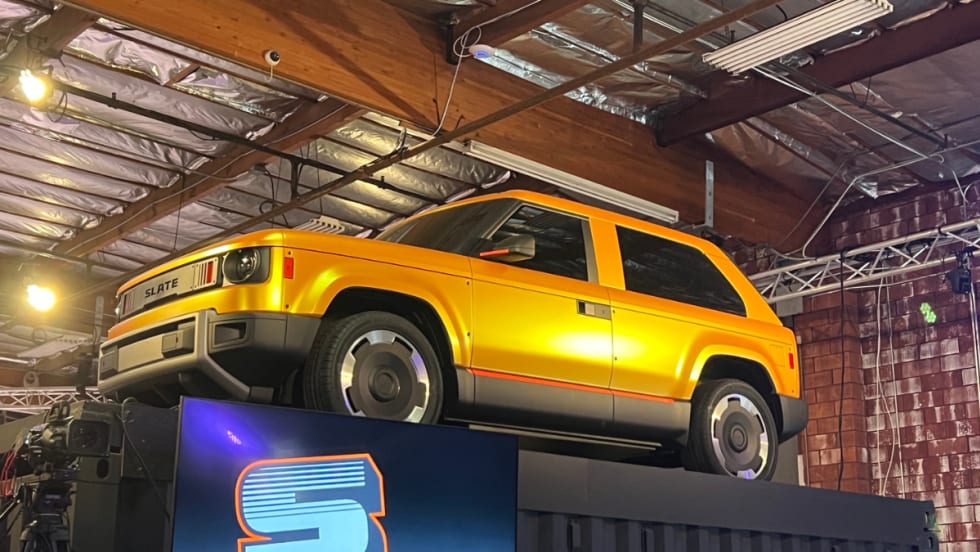
Slate Electric SUV, Pickup Switchable Model Aims For Light-Duty Fleets
Everything about this EV is counterintuitive and understated, making it stand out from the crowd.
Read More →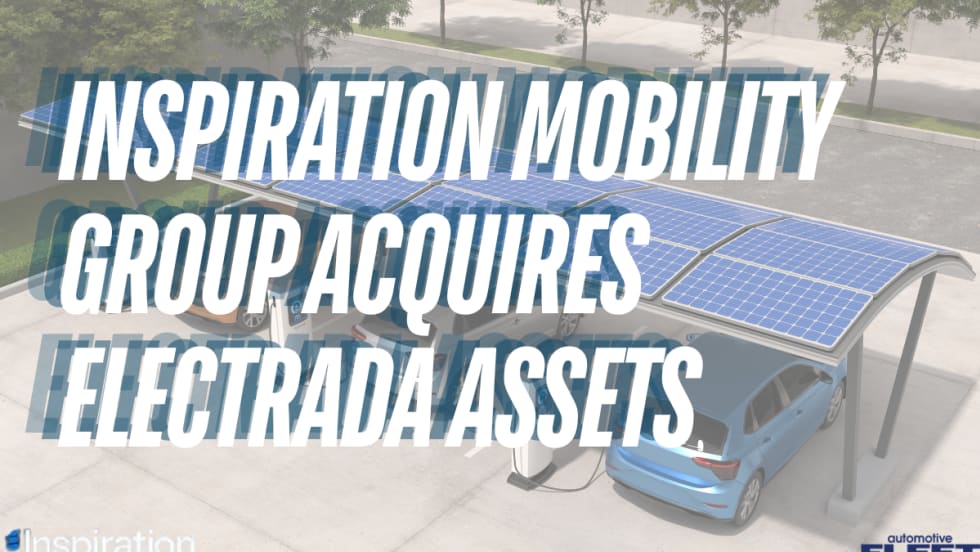
Inspiration Mobility Acquires Key Electrada Assets
Inspiration Mobility Group has acquired select assets of Electrada, adding the fleet electrification provider's team, technology, and charging infrastructure development capabilities to its energy management business.
Read More →
Turning Connected Vehicle Data Into Decisions That Matter
Fleet leaders have more data than ever, but turning that data into clear, actionable decisions remains a challenge. This white paper shows how leading organizations are using connected vehicle data to improve safety, reduce costs, and optimize fleet performance. Learn how to turn insight into action across your fleet.
Read More →
Are You Tracking Your Fleet's True Total Cost of Ownership?
Bobit Business Media surveyed 190 fleet professionals and found that while most fleets are tracking costs, fragmented systems and data gaps are keeping true TCO visibility out of reach. With rising pressure to control spend in an increasingly volatile environment, the gap between what fleets think they know and what the data actually shows is wider than you might expect. See how your peers are managing costs today and where the industry still has room to improve.
Read More →