




Ford's Paint Technology Goes Global
DEARBORN, MI --- Global paint shops in India, Romania, Mexico and China are in the process of rolling out a Ford paint technology that will not only save the shops time and money, but will lessen their environmental footprint, Ford said.
DEARBORN, MI --- Global paint shops in India, Romania, Mexico and China are in the process of rolling out a Ford paint technology that will not only save the shops time and money, but will lessen their environmental footprint, Ford said.
Ford continues implementing the new technology in the U.S., readying its launch of the process at Michigan Assembly Plant in Wayne, Mich.
"Our 3-Wet paint technology is cost-efficient. It's environmentally sound. And it produces durable, high-quality painted vehicles," said Bruce Hettle, executive director of global manufacturing engineering.
The 3-Wet paint technology has allowed Ford to restructure its paint shops on a global scale. Leading the way is the high-solids, solvent-borne paint formulation developed by Ford and its suppliers that produces fewer emissions than current waterborne and solvent-borne paints, yet allows Ford to maintain long-term paint durability.
An automated application process eliminates the prep stage in a paint shop, allowing the three layers of paint -- primer, base and enamel -- to be applied one after another without manual intervention and while each layer is still wet. Ford said the result offers a savings in time -- specifically, about a 20 to 25 percent reduction in process time -- along with sustainability. Along with its suppliers, Ford pioneered the development of the high-solids coating material, which meets all of the company's quality paint metrics in chip resistance, scratch resistance, etch resistance, durability and appearance.
Because of the differences in technique -- including robotic processing, elimination of equipment and associated pollutants, and increased line speed -- there are 6,000 metric tons fewer CO2 emissions per year compared to waterborne systems and 8,000 metric tons fewer CO2 emissions per year compared to conventional high-solvent-borne systems. There also is a volatile organic compounds (VOC) emissions savings of 5 percent related to processing.
Ford said it will build on its North American success, launching the process at the Michigan Assembly Plant in Wayne, Mich., now being retooled for small car production.
Additionally, the more environmentally friendly paint process will be launched in Ford paint facilities in manufacturing sites in India; Craiova, Romania; Cuautitlan, Mexico; and China.
More Safety
The Safest Fleets Aren’t the Ones with the Most Technology
You’ve made the telematics investment. Here’s how to capture the other half of its value and build the safest fleet on the road.
Read More →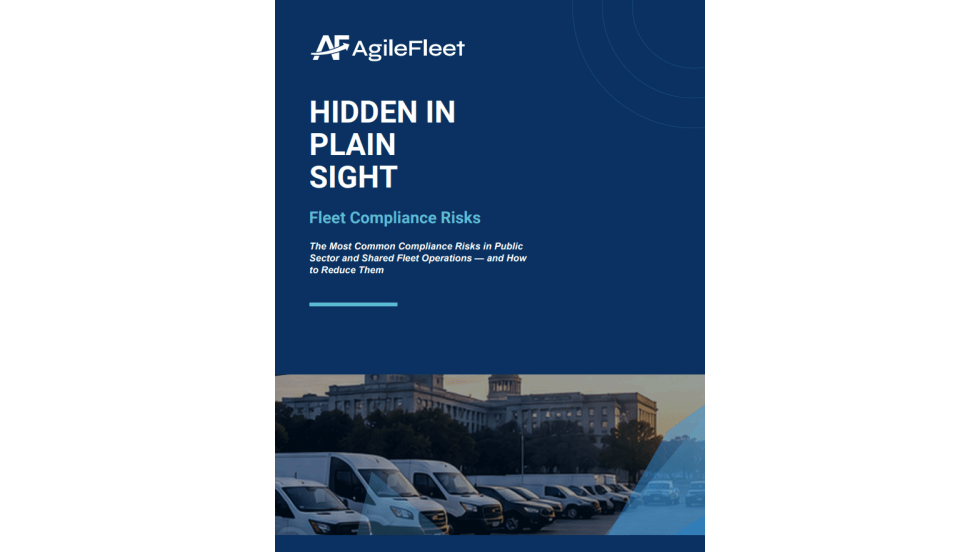
Hidden in Plain Sight: Fleet Compliance Risks
Fleet compliance isn't just about having policies — it's about consistently enforcing them. This practical guide reveals six hidden compliance risks common in public sector and shared fleet operations and outlines proven strategies to improve visibility, accountability, and audit readiness
Read More →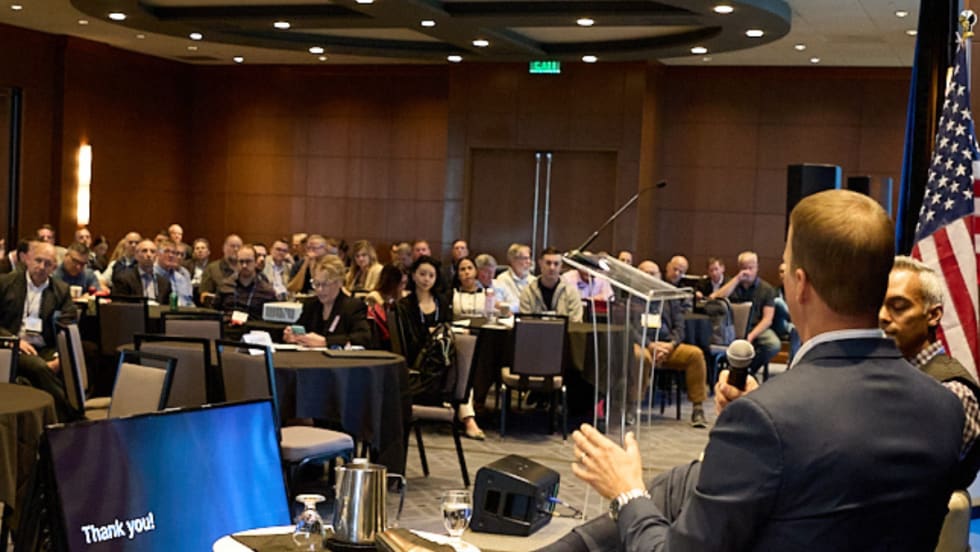
NETS Sets 2026 Fleet Safety Benchmark Conference for Indianapolis
The Sept. 15–17 program will feature fleet benchmarking data, case studies, emerging technologies, and implementation strategies while running alongside the NSC Safety Congress & Expo.
Read More →
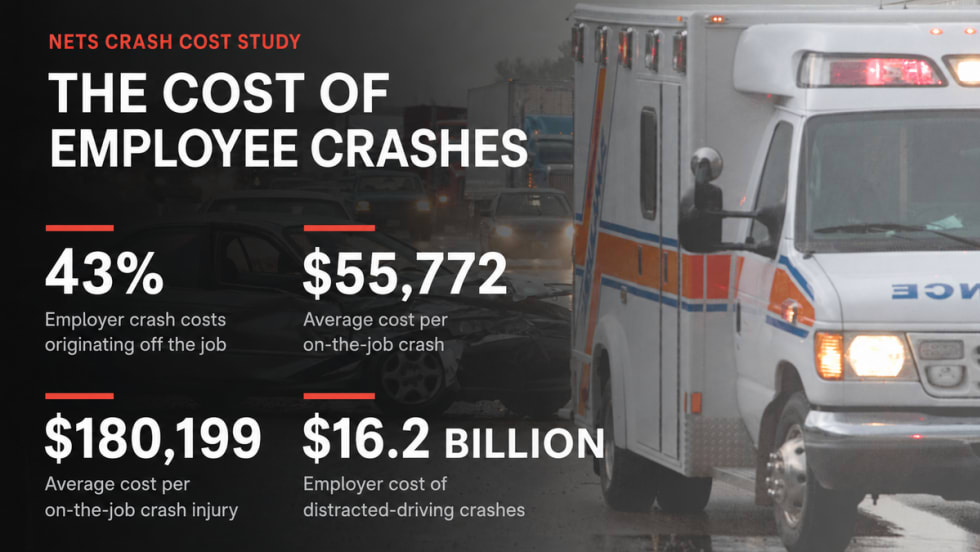
Off-the-Job Crashes Account for 43% of Employers’ $61.7 Billion Crash Burden
NETS quantifies costs dispersed across fleet, risk, HR, and other departments while providing new per-crash benchmarks for employers.
Read More →
Ram Recalls More Than 1.27 Million 1500 Pickups for Seat Belt Anchor Issue
The recall affects certain 2019-2026 Ram 1500 pickups that may have improperly attached second-row seat belt buckle anchors.
Read More →
How Better Visibility Cut Speeding Violations by 48%
Fleet leaders don't need more data, they need clearer visibility into what the data is saying. This case study explores how one utility replaced speeding-event counts with a single metric — miles driven in violation — to strengthen safety and significantly reduce speeding violations.
Read More →
Operation Safe Driver Week: Why the Industry's Oldest Safety Campaign Still Matters to Fleets
A look at how a 2007 enforcement initiative became one of the most consequential weeks on the fleet safety calendar, and what it means for your drivers in 2026.
Read More →
Nexar-Nauto Merger Aims to Give Fleets Better Safety Intelligence Through Larger Driving Dataset
Stefan Heck tells Automotive Fleet that combining more than 10 billion miles of driving history with Nexar's AI models will give fleets deeper insights into driver risk and roadway conditions than either company could provide independently.
Read More →
From Silos to Solutions: Relationship Management for Safer Fleets
From telematics adoption and driver accountability to policy consistency and risk mitigation, this episode breaks down what it really takes to build a safer fleet culture without slowing business down.
Read More →
IIHS Launches First Commercial Vehicle Safety Evaluations
The Insurance Institute for Highway Safety has begun evaluating heavy-duty pickups and cargo vans for driver protection. Which models earned top marks?
Read More →