




LOUISVILLE, KY – Ford Motor Co.’s decision to stop making vans equipped with diesel engines could shift ambulance operators and others to the company’s Louisville-built commercial trucks, but also may give its competitors an opportunity, according to the Louisville Courier-Journal. H.G. Clapper, chassis purchasing manager for South Carolina ambulance maker Road Rescue, and others in the industry estimate that Ford has about 90 percent of the ambulance market. But now, Ford has stopped buying diesel engines from Navistar for use in the Ohio-built vans. The E-Series vans were the last vehicles that Ford still equipped with a 6L diesel, and a Navistar spokesman speculated that price was the likely reason that Ford dropped the engine. Last year, the automaker switched to a larger engine for its commercial trucks built at the Kentucky Truck Plant on Chamberlain Lane. Ford purchases of the smaller engines dropped so steeply that it no longer qualified for a discount. A Ford spokesman would say only that the diesel van represented a small part of its sales. Until one of Ford’s competitors comes up with a usable diesel van, Clapper said, his customers have two choices — get larger ambulances that use Louisville-built F-Series chassis or switch to gasoline-fueled vehicles. F-Series-based ambulances are more capable but more expensive than the van-based models, he said. And few buyers want to switch back to gasoline models.
Ford's Shift from Diesel Vans Opens Ambulance Market
LOUISVILLE, KY – Ford Motor Co.'s decision to stop making vans equipped with diesel engines could shift ambulance operators and others to the company's Louisville-built commercial trucks, but also may give its competitors an opportunity.
More Fuel
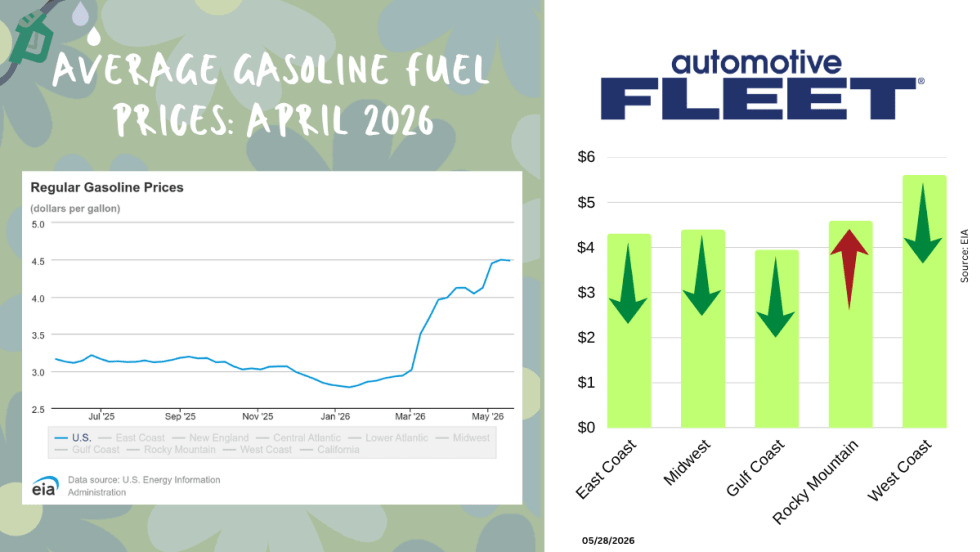
May Fuel Update: Prices Remain Steady with a Slight Decline
While prices have remained steady this week with a 1-cent decline, the next jump is anticipated just before Memorial Day.
Read More →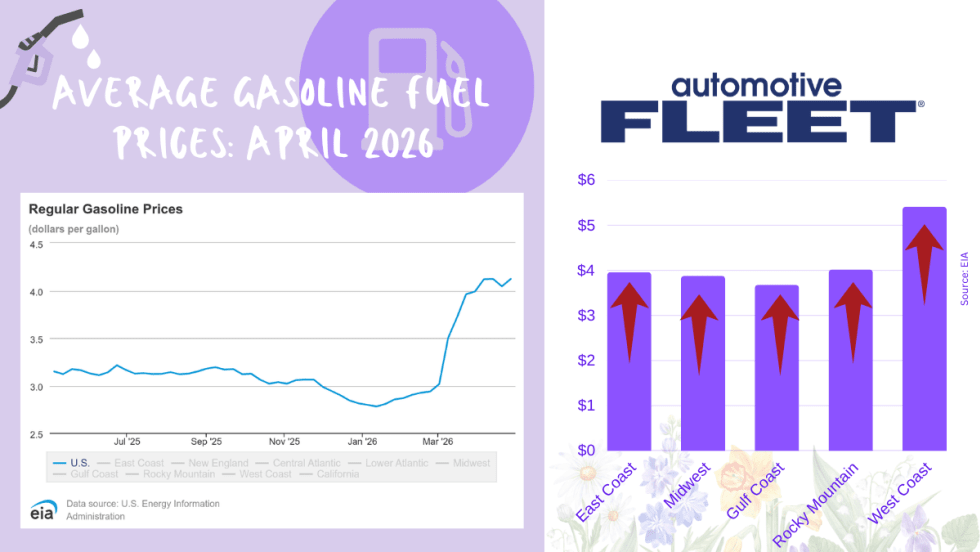
April Fuel Update: Prices Climb Above $4 as Spring Surge Accelerates
National average jumps to $4.04 per gallon, up sharply from last year, with West Coast prices topping $5 and further increases expected amid rising oil tensions.
Read More →
Tips from Fleet Managers on Saving Fuel Costs
Fleet leaders share practical strategies to reduce fuel spend through smarter policy, routing, and driver guidance.
Read More →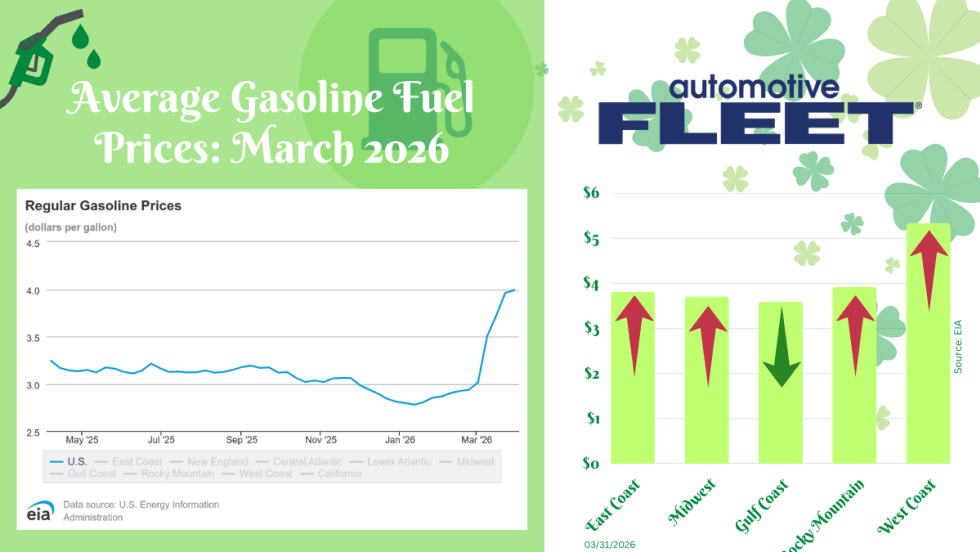
March Fuel Update: Prices Settle With a $4 Average
Fuel prices significantly slowed this week, but a $4 national average is still expected.
Read More →
Bob Adamsky on Fuel Volatility: “Don’t Panic — Have a Plan”
With oil prices rising again, AWP Safety’s fleet manager shares how to respond to rising fuel costs and how the right strategy can turn fuel spikes into cost-saving opportunities.
Read More →
Oil Market Turbulence Is Complicating Fleet Cost Planning
Rapid swings in crude oil prices driven by the conflict in the Middle East could create longer-term cost pressures for fleets, affecting fuel prices, supply chains, and vehicle strategy, says NTEA’s Andrew Wrobel.
Read More →
Report: How AI Is Reshaping Fleet and Field Service Operations
AI is rapidly transforming fleet and field service operations, from predictive maintenance and intelligent scheduling to customer self-service and real-time diagnostics. But while organizations are seeing measurable gains in uptime, productivity, and efficiency, many are still navigating workforce adoption, cybersecurity concerns, and data readiness challenges. Explore the latest trends, investment priorities, and emerging AI use cases shaping the future of fleet operations.
Read More →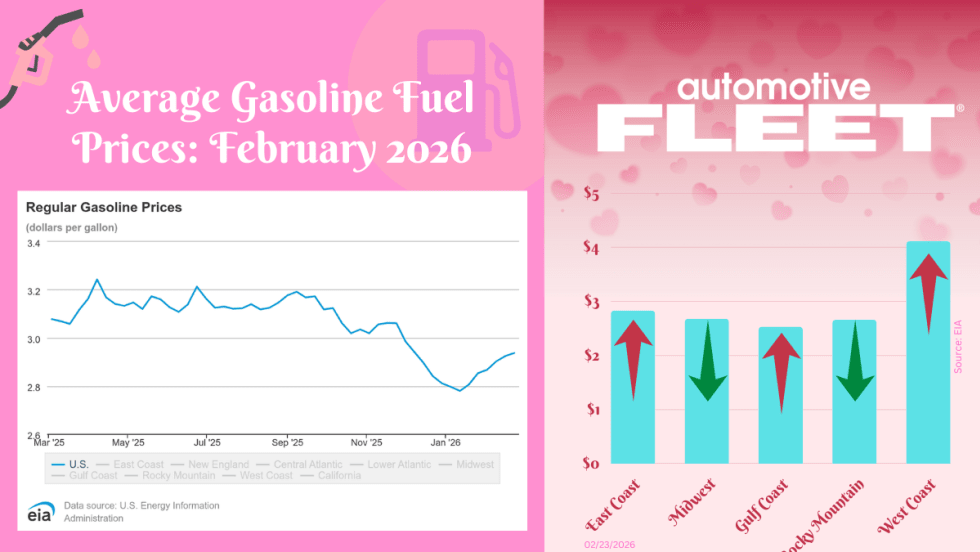
February Fuel Update: Prices Inch Higher for Third Week in a Row
The final February fuel update reveals prices continuing to inch higher for the third week in a row.
Read More →
The 2026 Fuel Economy Guide: Updated Cost and Efficiency Benchmarks for Fleets
Fleet managers can use the DOE’s 2026 Fuel Economy Guide to benchmark MPG across powertrain types using side-by-side vehicle ratings and compare new model-year options.
Read More →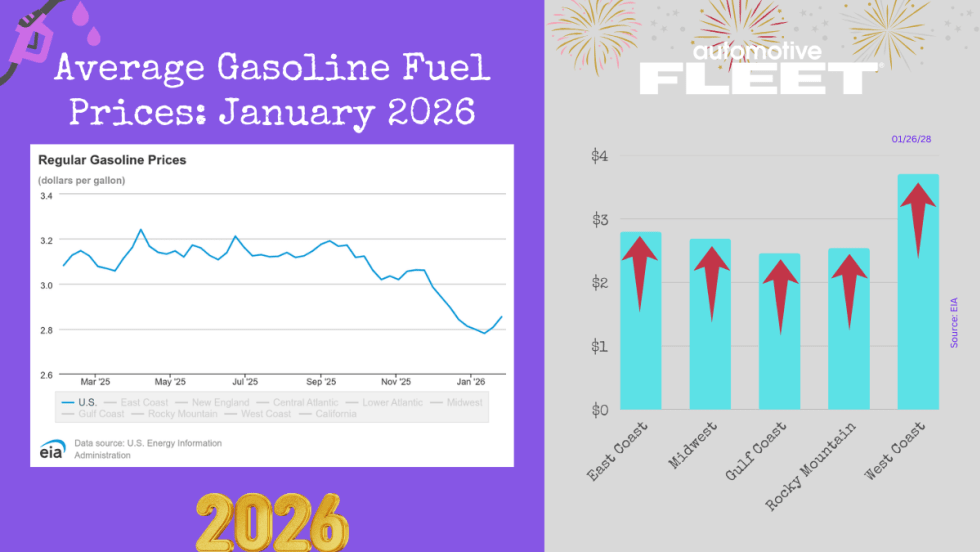
January Fuel Update: Prices Hit Highest Level Since Summer
The national average for fuel prices has officially risen to its highest point since the summer.
Read More →