




Ford Unveils First E-85 Ethanol-Fueled Hybrid
DEARBORN, MI — A new version of Ford's hybrid SUV, the Escape Hybrid E-85, will be the first hybrid-electric vehicle to run on ethanol-based fuel.
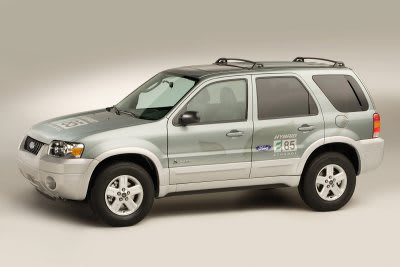
DEARBORN, MI — A new version of Ford’s hybrid SUV, the Escape Hybrid E-85, will be the first hybrid-electric vehicle to run on ethanol-based fuel, according to the Web site www.ForbesAutos.com. Ford introduced its Ford Escape Hybrid E-85 concept at the recent 2007 Washington Auto Show. The model on display was the first of 20 vehicles that Ford will deliver to various test fleets in six states starting in the spring. The company didn’t say whether or when it would start selling the Escape Hybrid E-85 to the public. Vehicles that can run on E-85 ethanol, called flex-fuel vehicles, are already available to consumers. But there are currently no hybrid-electric vehicles on sale that can use this fuel, according to Ford. The manufacturer says it is committed to making half of its vehicle fleet flex-fuel capable by 2012. Ford said that the Escape Hybrid E-85 produces 25-percent fewer carbon-dioxide emissions when fueled by E-85, as opposed to gasoline. If 5 percent of U.S. vehicles were powered by E-85 ethanol-capable hybrids, oil imports could be cut by 140-million barrels each year, according to www. ForbesAutos.com. The gasoline-only Escape Hybrid became the first hybrid SUV available to the public when it was introduced in 2004; its 2007 model made ForbesAutos.com’s list of the 10 most fuel-efficient vehicles of 2007. Ford recently unveiled an updated 2008 version of the Escape Hybrid at the Los Angeles Auto Show.
More Fuel
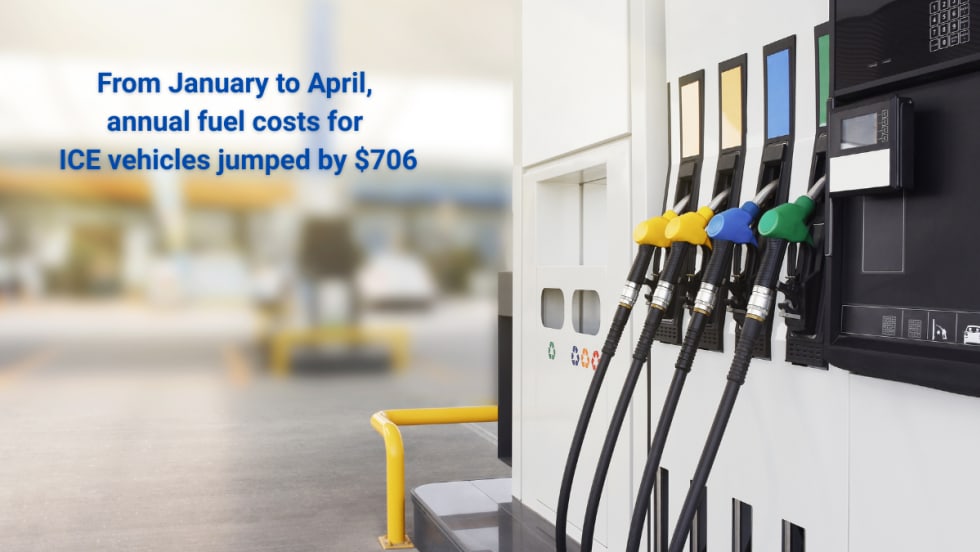
Study: How 2026's Gas Price Hikes Affect Different Vehicle Types
New data from iSeeCars reveals how rising fuel costs have affected different vehicle segments as gasoline prices climbed nearly 46% over the past four months.
Read More →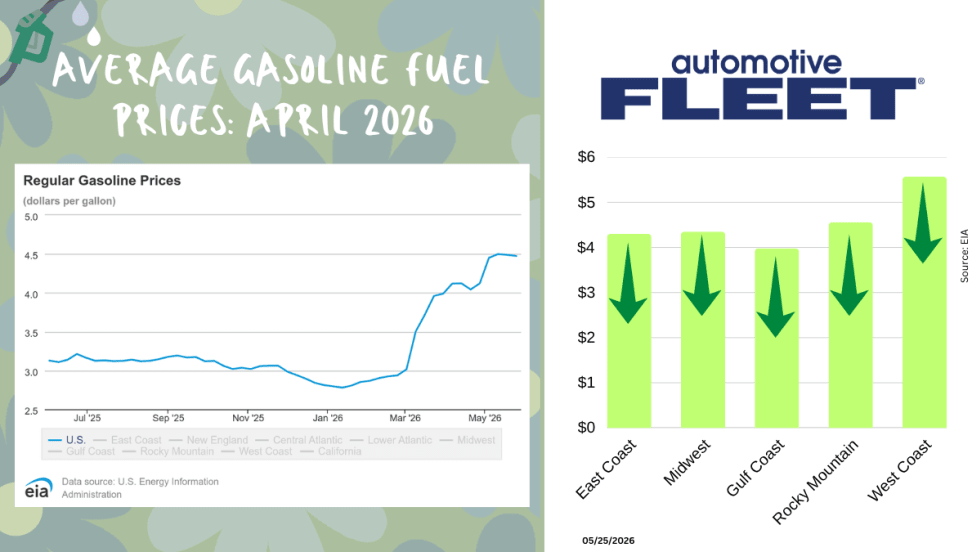
May Fuel Update: All Regions Experience Declines
Gas prices are finally easing in much of the country, but experts warn global tensions could quickly reverse the trend as the national average remains well above last month’s levels.
Read More →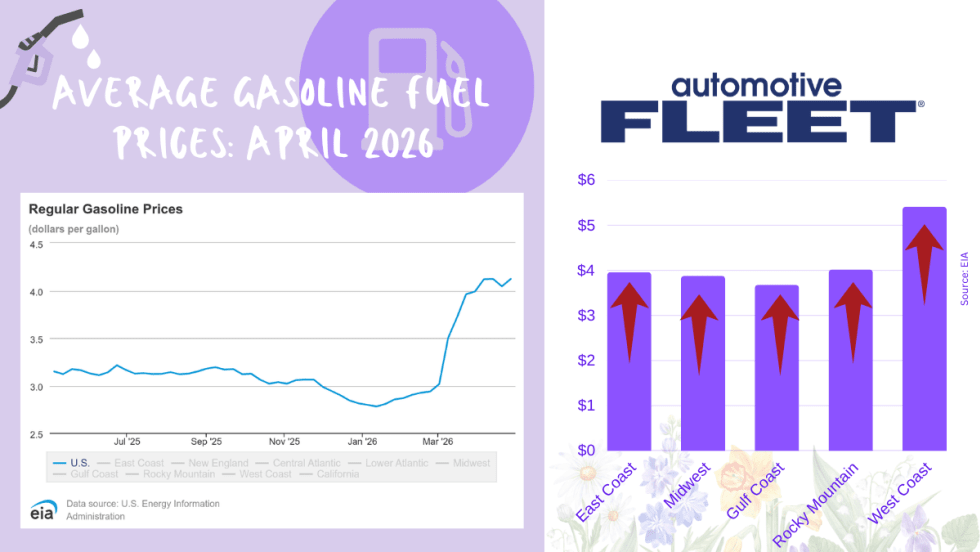
April Fuel Update: Prices Climb Above $4 as Spring Surge Accelerates
National average jumps to $4.04 per gallon, up sharply from last year, with West Coast prices topping $5 and further increases expected amid rising oil tensions.
Read More →
Tips from Fleet Managers on Saving Fuel Costs
Fleet leaders share practical strategies to reduce fuel spend through smarter policy, routing, and driver guidance.
Read More →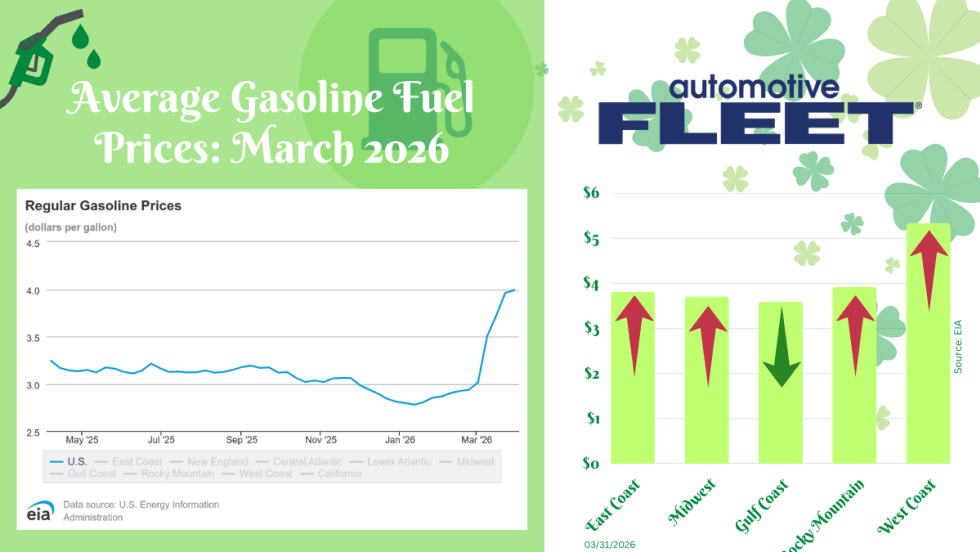
March Fuel Update: Prices Settle With a $4 Average
Fuel prices significantly slowed this week, but a $4 national average is still expected.
Read More →
Bob Adamsky on Fuel Volatility: “Don’t Panic — Have a Plan”
With oil prices rising again, AWP Safety’s fleet manager shares how to respond to rising fuel costs and how the right strategy can turn fuel spikes into cost-saving opportunities.
Read More →
Oil Market Turbulence Is Complicating Fleet Cost Planning
Rapid swings in crude oil prices driven by the conflict in the Middle East could create longer-term cost pressures for fleets, affecting fuel prices, supply chains, and vehicle strategy, says NTEA’s Andrew Wrobel.
Read More →
Report: How AI Is Reshaping Fleet and Field Service Operations
AI is rapidly transforming fleet and field service operations, from predictive maintenance and intelligent scheduling to customer self-service and real-time diagnostics. But while organizations are seeing measurable gains in uptime, productivity, and efficiency, many are still navigating workforce adoption, cybersecurity concerns, and data readiness challenges. Explore the latest trends, investment priorities, and emerging AI use cases shaping the future of fleet operations.
Read More →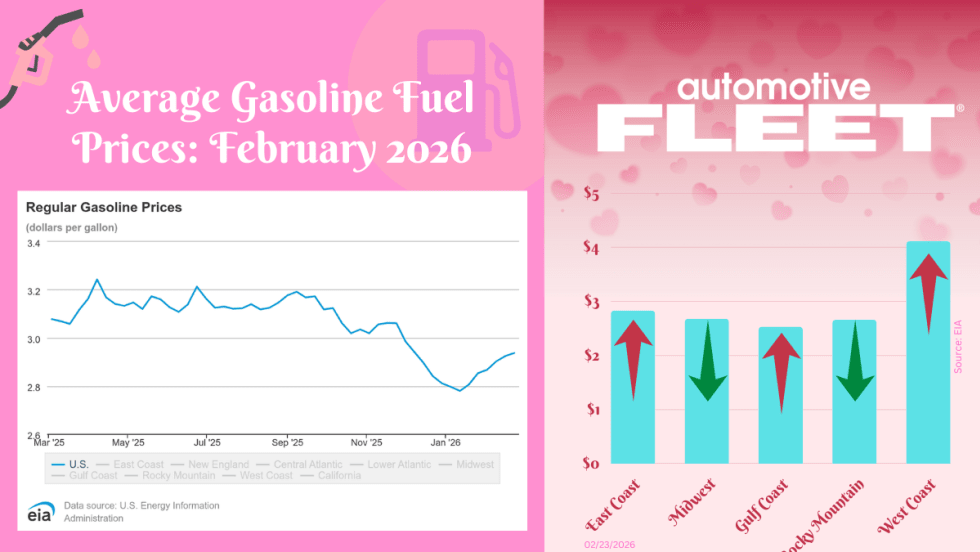
February Fuel Update: Prices Inch Higher for Third Week in a Row
The final February fuel update reveals prices continuing to inch higher for the third week in a row.
Read More →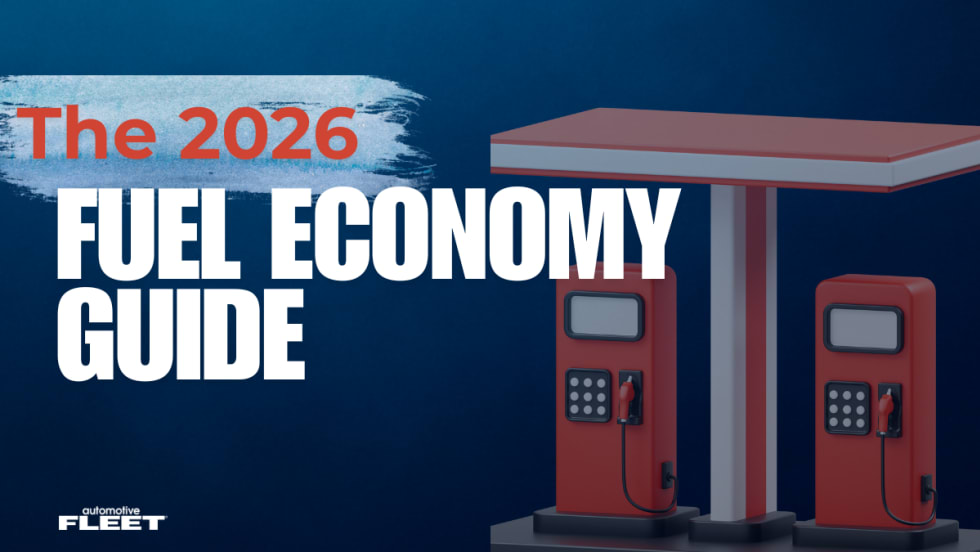
The 2026 Fuel Economy Guide: Updated Cost and Efficiency Benchmarks for Fleets
Fleet managers can use the DOE’s 2026 Fuel Economy Guide to benchmark MPG across powertrain types using side-by-side vehicle ratings and compare new model-year options.
Read More →