




Ford Rollout of '911 Assist' Includes Training Efforts
WASHINGTON - Ford is rolling out 911 Assist -- a new addition to the SYNC in-vehicle communications system -- with the full support of the National Emergency Number Association (NENA), the automaker said.
WASHINGTON - Ford is rolling out 911 Assist -- a new addition to the SYNC in-vehicle communications system -- with the full support of the National Emergency Number Association (NENA), the automaker said.
"Ford Motor Co. is excited to partner with NENA to improve the delivery of critically important emergency services," said Doug VanDagens, Ford's director of connected services solutions. "We believed it was important to work with such an organization to ensure that emergency personnel across the country learn what to expect from 911 Assist as well as to design the system to serve them more effectively."
911 Assist is a non-subscription-based feature available to all SYNC-equipped vehicle owners. In the event of an accident involving the activation of an airbag or the emergency fuel cutoff, 911 Assist helps vehicle occupants in placing a call directly to a local 911 emergency operator.
"Ford's new 911 Assist clearly aligns with NENA's goal to improve access to 911," said Brian Fontes, NENA's CEO. "This initiative is an excellent example of how private industry and public safety can partner to enhance access to 911 in times of need."
NENA has more than 7,000 members and 47 chapters.
Ford and NENA have teamed up on an extensive education and training program to introduce the emergency communications community to 911 Assist, reaching out to Public Safety Answering Point (PSAP) operators throughout the U.S. and Canada.
Ford also produced materials in cooperation with NENA that detail 911 Assist specifics and provide guidelines for how 911 operators can best handle the direct calls. The feature does not require the typical third-party call center associated with similar in-vehicle emergency services.
"Ford sought NENA's input early in the design of 911 Assist, and we are pleased to participate and support Ford," said Fontes of the collaboration. "We particularly appreciate Ford's commitment to help educate those who answer 911 calls about Ford's new 911 Assist offering."
911 Assist is active when a phone is properly Bluetooth-paired, turned on and connected to SYNC. Before initiating the emergency 911 call, SYNC will provide a 10-second window to allow the driver or passenger to decide whether to cancel the call. If not manually canceled within the 10-second window, SYNC will place the emergency call. A brief prerecorded message will play when the call is answered, and occupants in the vehicle will then be able to talk directly with the 911 operator.
Once the call is connected, 911 operators can respond to the situation exactly as they would with any 911 call. Emergency services can determine the medical priority and dispatch the appropriate assistance based on the situation. The wireless phone service involved can provide location information as required by federal law, which may be used to help locate the vehicle, if occupants are nonresponsive, for example.
In addition to collaborating with NENA, Ford continues to work with other emergency response organizations as it explores new functionality for future versions of 911 Assist.
Ford SYNC, developed with Microsoft, is an advanced software platform.
More Telematics
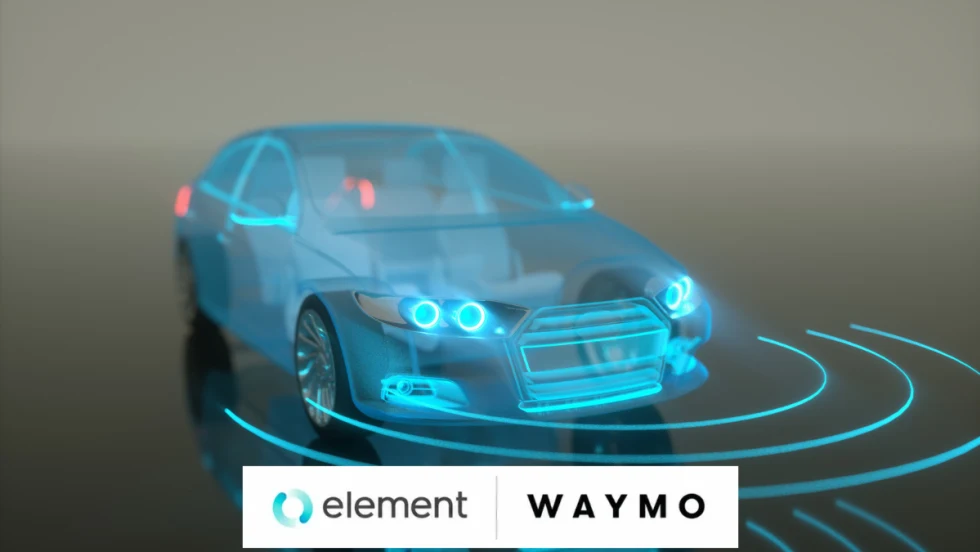
Element Expands Waymo Partnership to Support Toronto Robotaxi Fleet
As Waymo prepares to enter the Canadian market, Element Fleet Management will oversee the fleet operations supporting its planned Toronto launch. The partnership highlights the maintenance, charging, and infrastructure requirements behind operating autonomous vehicles at scale.
Read More →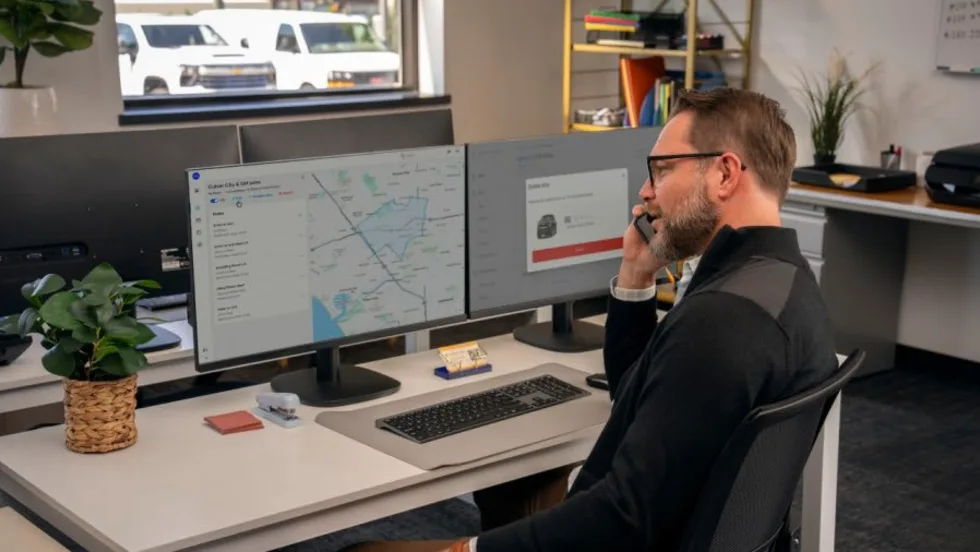
GM Launches OnStar Fleet Intelligence Platform With AI Assistant
The new platform brings vehicle data, order tracking, connected services and fleet analytics into one system, with an AI assistant that can answer fleet questions using natural-language prompts.
Read More →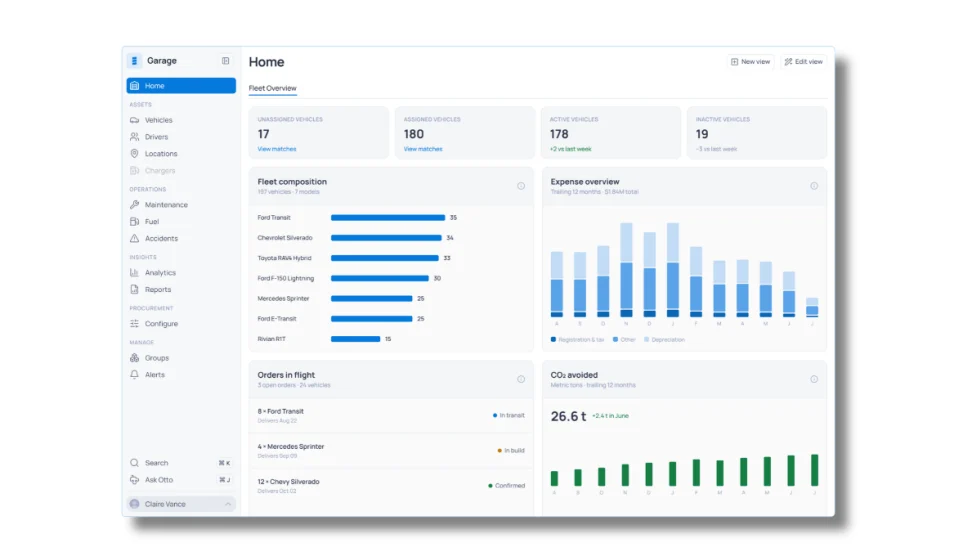
Inspiration Fleet Introduces Garage 2.0 Fleet Intelligence Platform
Fleet managers increasingly have access to data from vehicles, telematics, fuel, charging, and other systems, but those sources don't always communicate with one another. Inspiration Fleet's Garage 2.0 platform brings that information together while letting fleets keep working with different technology and service providers.
Read More →
Inside Inspiration Fleet’s New Platform for Connecting Fleet Data
Inspiration Fleet CTO Chris Getner explains how the new Garage 2.0 platform is designed to connect disparate fleet data and what that could mean for fleet managers in practice.
Read More →
Fleet Manager’s Ultimate Playbook: Navigating the New Standard in OEM Connectivity
Rising operating costs, driver safety concerns, and unplanned downtime are putting unprecedented pressure on modern fleets. Discover how fleet managers use embedded OEM connectivity and real-time vehicle data to cut TCO, prevent downtime, and protect drivers without aftermarket telematics hardware.
Read More →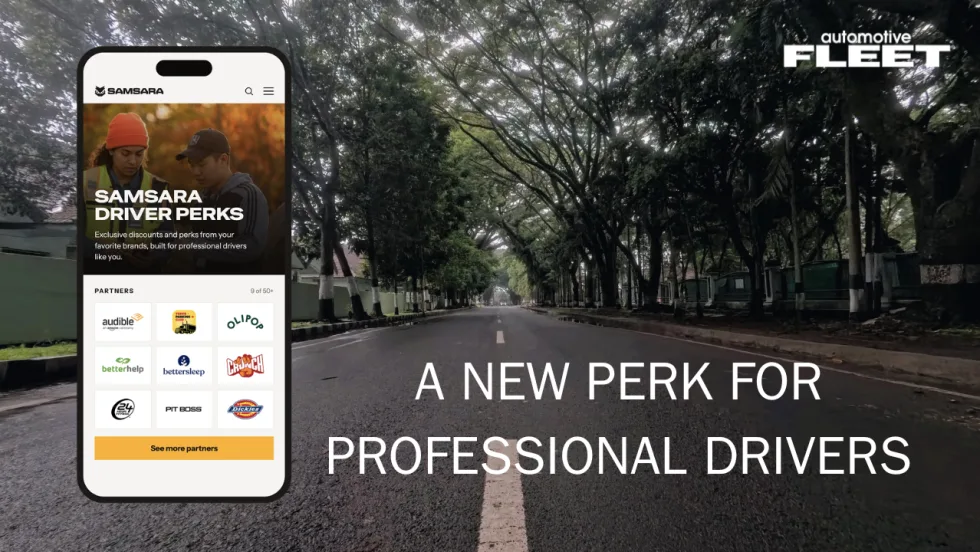
Samsara Driver Perks Adds New Benefit for Corporate Fleet Drivers
The rewards program gives eligible professional drivers access to discounts from more than 50 brands while giving fleets another way to support recruitment, retention, and the driver experience.
Read More →
Inside the Church of Jesus Christ of Latter-day Saints’ Two-Track Telematics Strategy
With 20,000 vehicles and two fundamentally different driver populations, the Church faced a fleet management problem that a single telematics program couldn't solve. How it responded offers a replicable framework for any fleet where one size doesn't fit every driver.
Read More →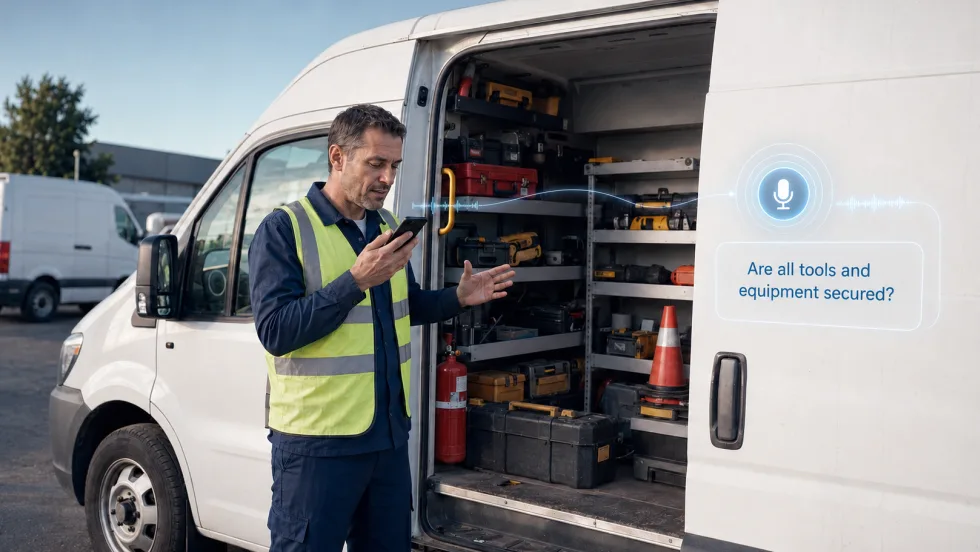
How Conversational AI Can Make Fleet Tasks Easier for Drivers
While most generative AI tools help fleet managers interpret data at their desks, Connex2X is applying voice interaction to tasks behind the wheel.
Read More →
Why Fleets Are Creating Dedicated Fleet Analyst Positions
Are fleet analyst positions the new norm? Listen here to find out.
Read More →
Teletrac Navman Begins Next Chapter as Standalone Private Company
What's new with Teletrac Navman and its new owner?
Read More →