





More on this: Ford Unveils All-Electric Transit Custom Van
Ford Pro Releases Telematics Data on E-Transit
With one year on the road, the all-electric 2022 Ford E-Transit has accumulated 12 million miles of data.
March 13, 2023
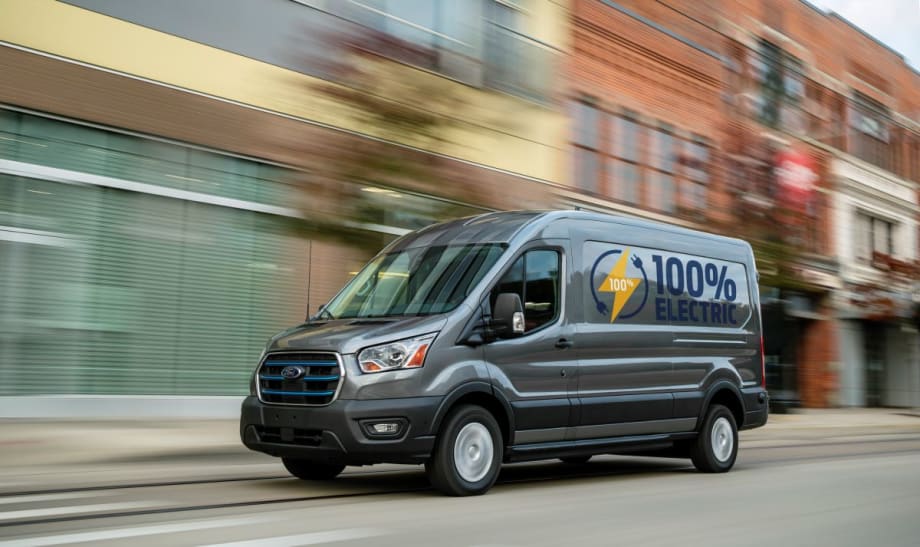
In the U.S. 6,500 E-Transit vans were sold through December 2022 in all 50 states.
Photo: Ford Pro
2 min to read
After one year on the road, Ford E-Transit customers have driven about 12 million miles in the U.S and Canada.
With telematics data from the past year, Ford Pro has uncovered sustainability data that will increase as more E-Transit vans are adopted:
To date, E-Transit has saved about 745,000 gallons of gas and 4.3 million kg of CO2 as compared to its gas-powered transit equivalent.
Driving an E-Transit low-roof van could have a 57% reduced CO2 output vs. the internal combustion equivalent over its lifetime.
In the U.S. 6,500 E-Transit vans were sold through December 2022 in all 50 states.
E-Transit represents roughly 61% of the electric van market today.
Of the 30 vocations recognized by S&P Global Mobility, E-Transit is the current sales leader in 28 — including construction, retail, and government customers.
The vans, which includes chassis cab and cutaway models, offer customers eight configurations to serve a wide range of business types.
“Businesses looking to adopt battery electric technology is happening at a global scale, and E-Transit — along with the Ford Pro one-stop shop of software, services, and charging solutions — is at the forefront of that revolution,” said Ted Cannis, Ford Pro CEO in a statement. “In its first year on the road, E-Transit has made an immediate impact, and we are just getting started.”
Ford will be boosting E-Transit production at its Kansas City Assembly Plant starting next month.
More Green Fleet
Sponsored•October 1, 2026
New Propane Autogas Program Offers Fleet Compensation
Qualified commercial fleets can receive $7,500 per eligible propane autogas vehicle and up to $10,000 for new refueling site prep. Learn how the program works and see whether your fleet qualifies.
Read More →
EV Charging Use Is Outpacing Infrastructure Growth
ChargePoint’s 2026 Charging Forward Report points to rising charger use, higher-powered charging, commercial vehicle electrification, and energy-management technology. Here’s what fleets should know.
Read More →
Merchants Fleet Reports 290M EV Miles as Fleets Navigate Changing Electrification Market
From millions in operating savings to hundreds of millions of EV miles, Merchants Fleet’s latest report reveals what’s working and what’s changing in fleet electrification.
Read More →
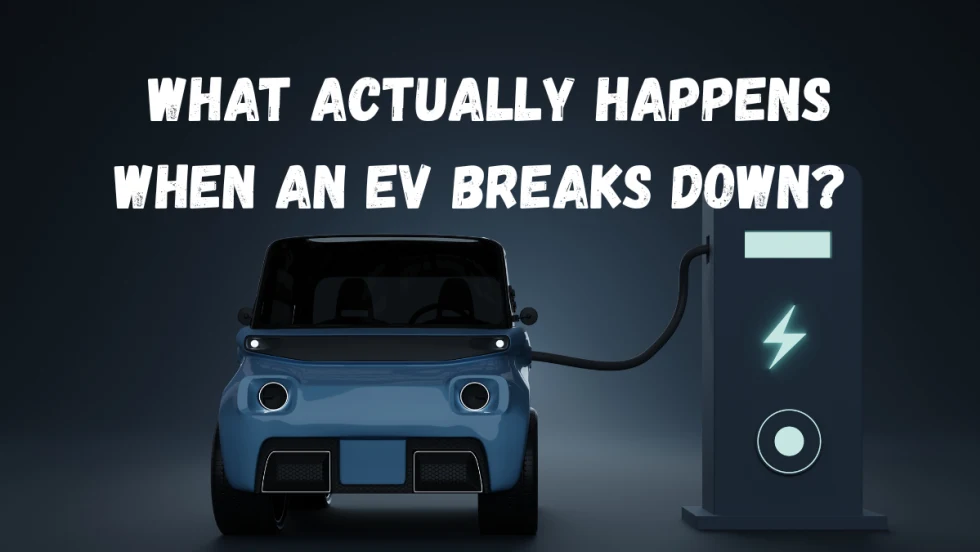
The EV Breakdown Nobody's Talking About: Why Most Electric Vehicle Roadside Calls Aren't Mechanical Failures
Here's why EV breakdowns are widely misunderstood.
Read More →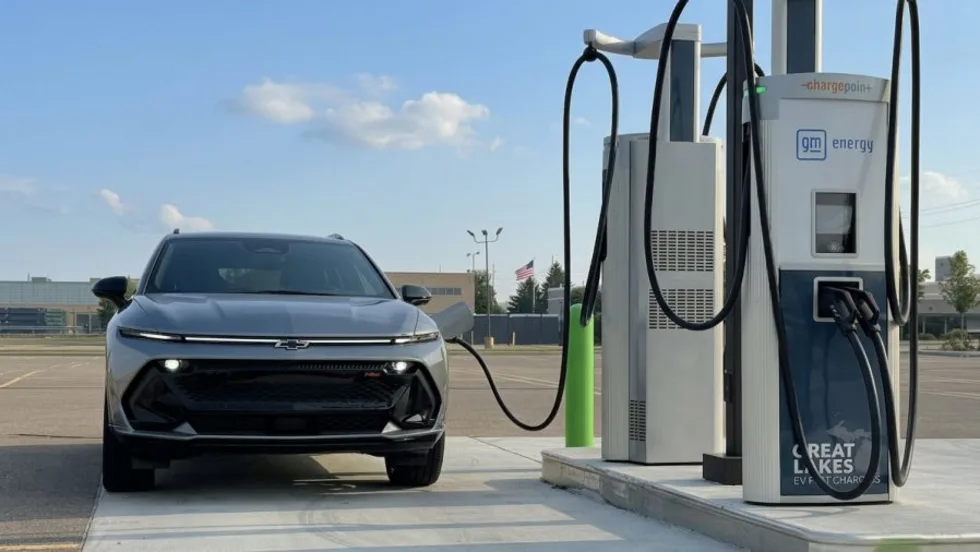
ChargePoint Now Available in Energy Pass
ChargePoint and additional planned charging network integrations were added to GM's Energy Pass.
Read More →

First Look: Slate Auto's Electric Fleet Pickup
Could an affordable, modular EV pickup make electrification more practical for fleets?
Read More →
Slate Debuts Colorful, Unique EV Models
A recent media and client event, studded with electric vehicles dressed up on platforms, planted a new position for the manufacturer in the wider EV market. Fleets will find cost-saving advantages.
Read More →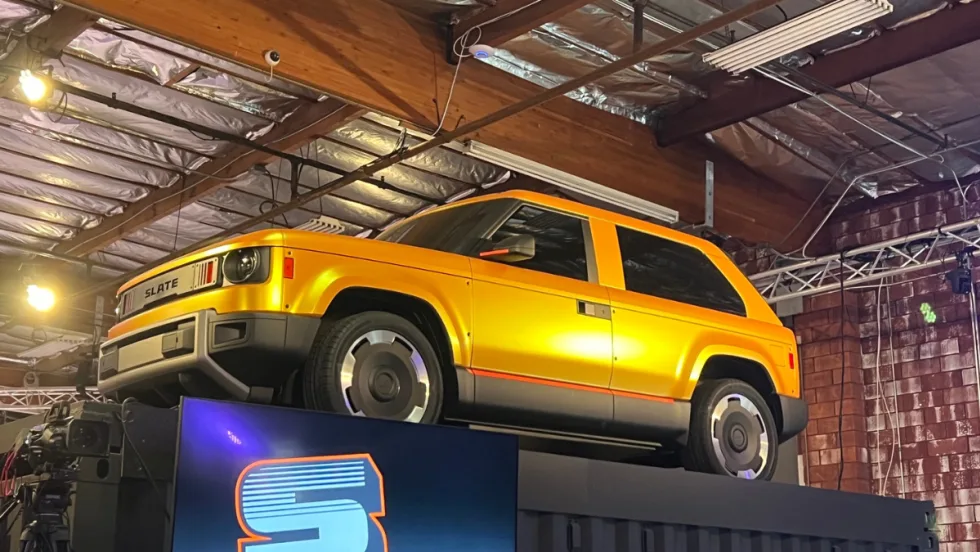
Slate Electric SUV, Pickup Switchable Model Aims For Light-Duty Fleets
Everything about this EV is counterintuitive and understated, making it stand out from the crowd.
Read More →
Inspiration Mobility Acquires Key Electrada Assets
Inspiration Mobility Group has acquired select assets of Electrada, adding the fleet electrification provider's team, technology, and charging infrastructure development capabilities to its energy management business.
Read More →