




Ford Pro Introduces New Tool to Help Fleets Transition to EVs
The new E-Switch Assist tool can help fleets determine if and when to switch to electric vehicles.


Ford Pro E-Switch Assist aims to help business and government customers determine if they're ready to add electric vans and trucks to their fleet, like the E-Transit van and F-150 Lightning pickup.
Photo: Ford Pro
The first step towards commercial electrification is figuring out which vehicles in a fleet are ready to make the transition.
Ford Pro has introduced new digital tools — including E-Switch Assist — to help integrate electric vans and trucks into fleets in a way that best meets business objectives at the right time.
In a survey of fleet operators who have already integrated electric vehicles (EVs), gas and diesel vehicles still make up 58% of their fleet on average, and hybrid vehicles make up about 20%.
Ford Pro E-Switch Assist aims to help business and government customers determine if they're ready to add electric vans and trucks to their fleet — like the E-Transit van and F-150 Lightning pickup — and can help identify which areas in a fleet are ideal for switching.
This complimentary web-based tool is now available in the U.S., UK, France, Italy, Germany, Spain, Norway, and the Netherlands.
How Does E-Switch Assist Work?
E-Switch Assist uses algorithms developed by the Ford Pro data science team to analyze connected vehicle data to compare the energy consumption of gas-powered vehicles with the estimated energy needs of comparable EVs, recommending which gas-powered vehicles are suitable to switch.
The tool accounts for operational factors such as:
Distance driven
Cargo load
Vehicle efficiency
Terrain
driver-specific behavior
External climate
Cabin heating load
The tool also estimates the required number of daily charges for both individual vehicles and fleets of all sizes.

The E-Switch Assist tool has evaluated over 38,000 commercial vehicles, revealing that nearly 53% are potential candidates for transitioning to electric power.
Photo: Ford Pro
Supporting the Electrification of Commercial Fleets
"Smart tools informed by data like E-Switch Assist are opening up many new conversations with our commercial customers, large and small, about EV readiness," said Nathan McDonald, EV strategy and brand manager at Ford Pro. "The importance of these tools and technologies goes beyond selling a customer a new vehicle — it changes mindsets about whether electric vehicles will work for their business while potentially saving them time and money."
The tool can help fleets identify which part of their operations are ready to transition to electric without disrupting their business. The E-Switch Assist tool has evaluated over 38,000 commercial vehicles, revealing that nearly 53% are potential candidates for transitioning to electric power.
Suppose the assessment shows an organization is ready for electrification. In that case, Ford Pro offers solutions to streamline the addition of these vehicles and charging infrastructure, from commercial-grade chargers for homes and worksites to telematics and software to manage it all.
Sign up for a free assessment today!
E-Switch Assist and Home Charging
In surveys conducted with fleet operators, almost 30% said their employees take company vehicles home after work. Charging up at home can be convenient and cost-effective for these organizations and their drivers.
Ford Pro's new commercial-grade home-use charging solutions include the Ford Pro Series 2 48-amp charger, which is ideal for charging overnight at home. The charger features RFID technology for control and ease of access, an LCD screen, and standard cellular connectivity with no Wi-Fi required, and works on Ford and non-Ford vehicles.
Ford Pro Charging Software monitors usage, provides energy reimbursement reports, can set automated charging schedules, and monitors real-time household utility rates to schedule charging for non-peak hours, which can help reduce electricity costs and demand on the electrical grid.
More Green Fleet
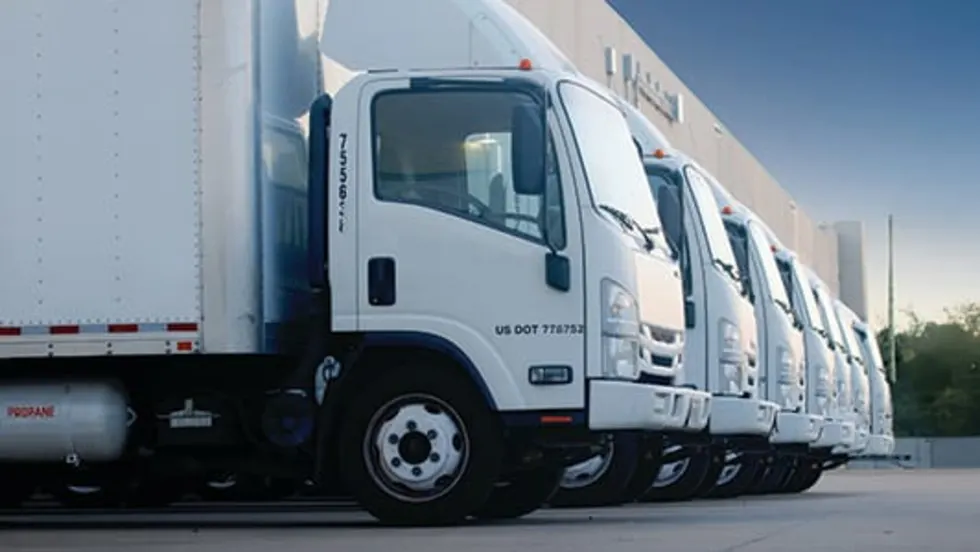
New Propane Autogas Program Offers Fleet Compensation
Qualified commercial fleets can receive $7,500 per eligible propane autogas vehicle and up to $10,000 for new refueling site prep. Learn how the program works and see whether your fleet qualifies.
Read More →
EV Charging Use Is Outpacing Infrastructure Growth
ChargePoint’s 2026 Charging Forward Report points to rising charger use, higher-powered charging, commercial vehicle electrification, and energy-management technology. Here’s what fleets should know.
Read More →
Merchants Fleet Reports 290M EV Miles as Fleets Navigate Changing Electrification Market
From millions in operating savings to hundreds of millions of EV miles, Merchants Fleet’s latest report reveals what’s working and what’s changing in fleet electrification.
Read More →

The EV Breakdown Nobody's Talking About: Why Most Electric Vehicle Roadside Calls Aren't Mechanical Failures
Here's why EV breakdowns are widely misunderstood.
Read More →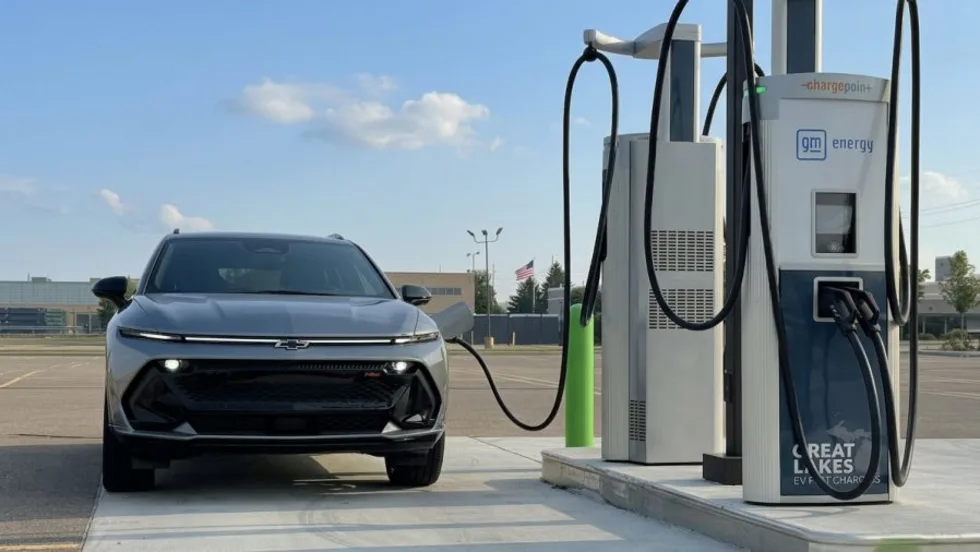
ChargePoint Now Available in Energy Pass
ChargePoint and additional planned charging network integrations were added to GM's Energy Pass.
Read More →

First Look: Slate Auto's Electric Fleet Pickup
Could an affordable, modular EV pickup make electrification more practical for fleets?
Read More →
Slate Debuts Colorful, Unique EV Models
A recent media and client event, studded with electric vehicles dressed up on platforms, planted a new position for the manufacturer in the wider EV market. Fleets will find cost-saving advantages.
Read More →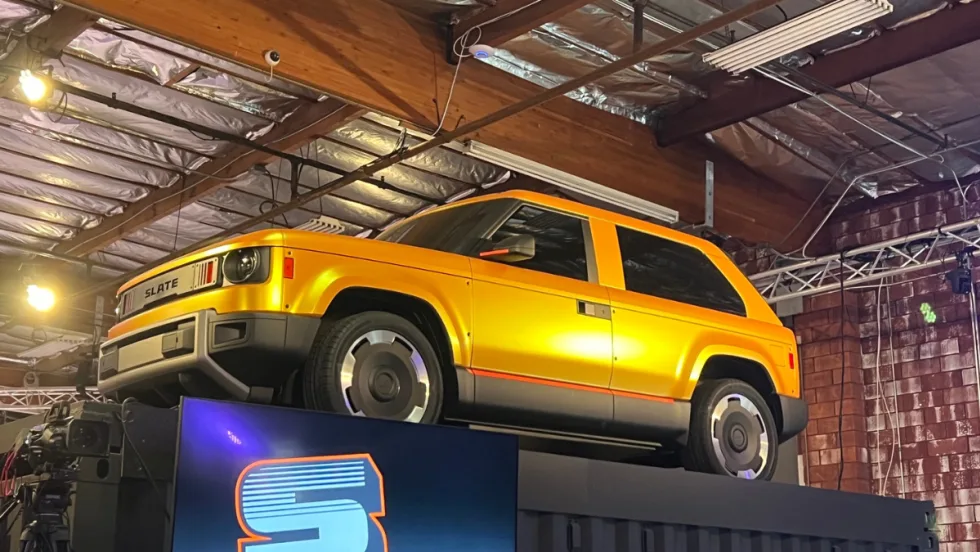
Slate Electric SUV, Pickup Switchable Model Aims For Light-Duty Fleets
Everything about this EV is counterintuitive and understated, making it stand out from the crowd.
Read More →
Inspiration Mobility Acquires Key Electrada Assets
Inspiration Mobility Group has acquired select assets of Electrada, adding the fleet electrification provider's team, technology, and charging infrastructure development capabilities to its energy management business.
Read More →