




Ford Offers 10 Fuel-Saving Tips
DEARBORN, Mich. --- Ford has offered 10 tips to help drivers conserve fuel and save money at the pump, while at the same time helping the environment and improving traffic safety.
DEARBORN, Mich. --- According to the U.S. Department of Energy, aggressive driving such as rapid acceleration, speeding and braking can lower gas mileage significantly. Ford has offered 10 tips to help drivers conserve fuel and save money at the pump, while at the same time helping the environment and improving traffic safety. 1. Slow down and watch your speed. Drive 55 miles per hour instead of 65 to save fuel. The Environmental Protection Agency estimates a 10-15 percent improvement in fuel economy by following this tip. Also, aim for a constant speed. Pumping the accelerator sends more fuel into the engine. Using cruise control whenever possible on the highway helps maintain speeds and conserve fuel. 2. Accelerate and brake smoothly. Fast starts, weaving in and out of traffic and hard braking wastes fuel and wears out some of the car components, such as brakes and tires, more quickly. Maintain a safe distance between vehicles and anticipate traffic conditions to allow for more time to brake and accelerate gradually. 3. Don't idle. Today's engines don't need a warm-up. Start the car immediately and gently drive away. Don't leave your car idling. Prolonged idling increases emissions and wastes fuel. Turn the engine off in non-traffic situations, such as at bank and fast food drive-up windows, when idling more than 30 seconds. 4. Check your tires. Keep tires properly inflated to the recommended tire pressure. This alone can reduce the average amount of fuel use by 3-4 percent. Under-inflated tires increase rolling resistance and reduce fuel economy. They also wear more rapidly. Check the vehicle's door-post sticker for minimum cold tire inflation pressure. 5. Be kind to your vehicle. Maintain proper engine tune-up to keep it running efficiently. Keep the wheels aligned. Wheels that are fighting each other waste fuel. Replace air filters as recommended. Use a fuel with good detergent additives to keep the vehicle engine clean and performing efficiently. Always consult the owner's manual for proper maintenance. 6. Travel light. Avoid piling a lot of luggage on the roof rack. The added frontal area reduces aerodynamics and will hurt fuel economy, reducing it by as much as 5 percent. Remove excess weight from the vehicle. Unnecessary weight, such as unneeded items in the trunk, makes the engine work harder and consumes more fuel. 7. Minimize use of the heater and air conditioning. Use heating and air conditioning selectively to reduce the load on the engine. Decreasing your usage of the air conditioner when temperatures are above 80 degrees can help you save 10-15 percent of fuel. Use the vent setting as much as possible. Park in the shade to keep car cool and reduce the need for air conditioning. 8. Close windows at high speeds. Don't drive with the windows open unless you keep your speed under 50 mph. Driving with the windows open at highways speeds increases aerodynamic drag on the vehicle and lowers fuel economy. 9. Choose the right oil. Use good quality, energy-conserving EC oils with the viscosity grade recommended in the owner's manual. Look for cans marked with the symbol ECII, which is the American Society of Testing Materials logo for fuel-efficient oils. 10. Plan ahead to consolidate your trips. This will enable you to bypass congested routes, lead to less idling, fewer start-ups and less stop-and-go traffic. Whenever feasible, share a ride and/or carpool.
More Fuel
Bob Adamsky on Fuel Volatility: "Don't Panic, Have a Plan."
When it comes to up and down fuel prices, Adamsky has a message for fleets: “Don’t panic.”
Read More →
How Fleets Can Gain Control of Non-Fuel Spend
Fuel often gets the spotlight, but non-fuel expenses can have a major impact on fleet costs. Ramel Lindsay of U.S. Bank Voyager discusses how fleets can gain better visibility and control over these often-overlooked expenditures.
Read More →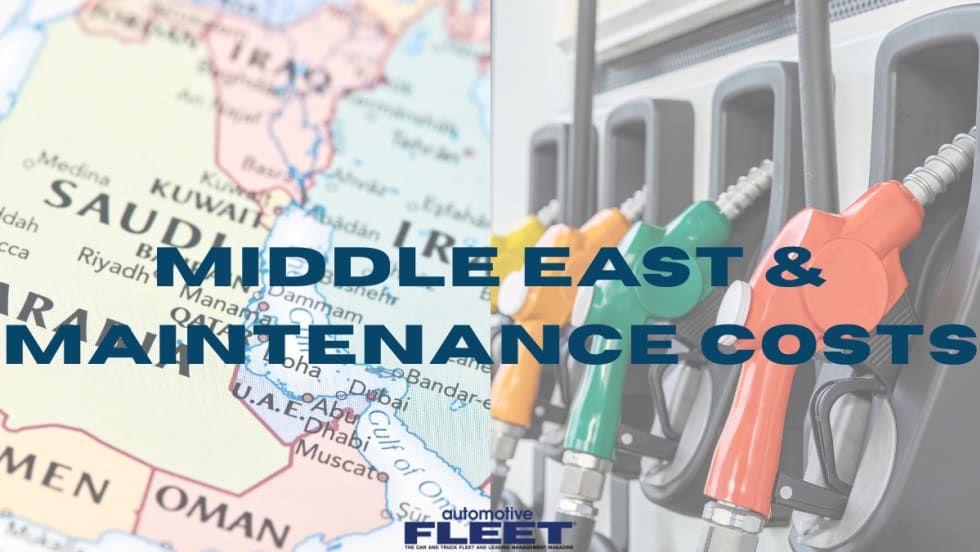
Fuel is Just the Start: How Middle East Tensions are Driving Up Fleet Maintenance Costs
The Middle East conflict is doing more than pushing up fuel prices. It’s also raising the cost of key maintenance products your fleet depends on, from motor oil to tires to windshield wipers. Here’s what you need to know about this budget-busting situation.
Read More →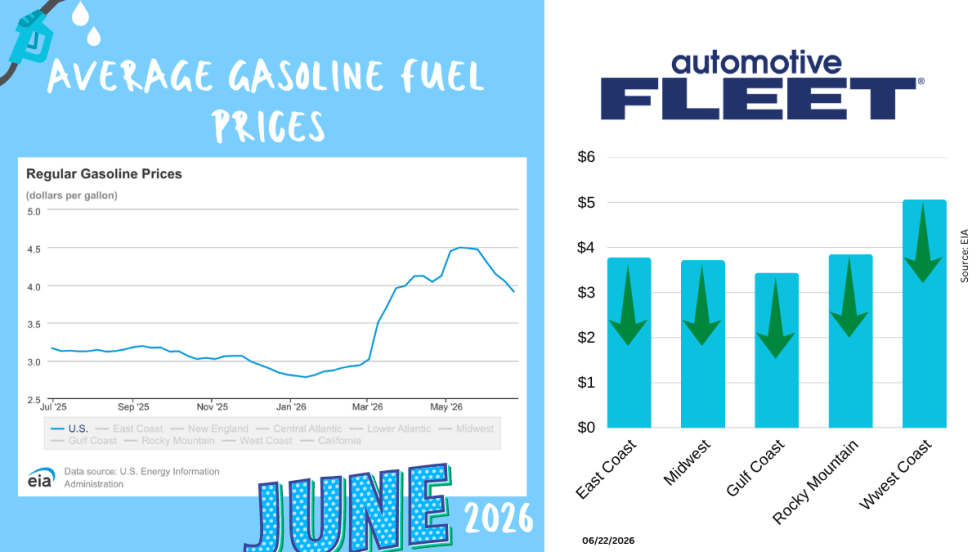
June Fuel Update: Prices Fall Below $4
Drivers are finally getting some relief at the pump. The national average gas price has dropped below $4 a gallon for the first time in months, with prices falling in 47 states as oil markets react to developments in U.S.-Iran negotiations.
Read More →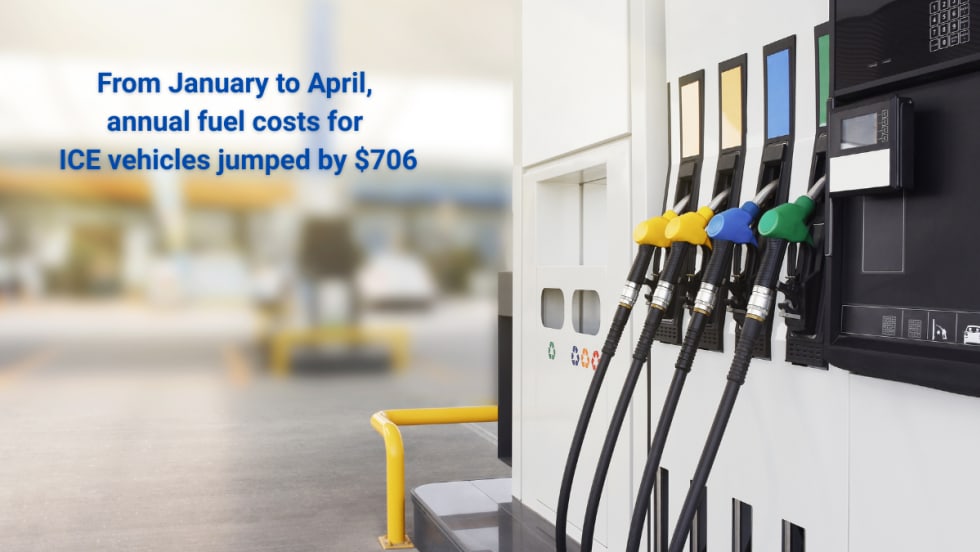
Study: How 2026's Gas Price Hikes Affect Different Vehicle Types
New data from iSeeCars reveals how rising fuel costs have affected different vehicle segments as gasoline prices climbed nearly 46% over the past four months.
Read More →
Are You Tracking Your Fleet's True Total Cost of Ownership?
Bobit Business Media surveyed 190 fleet professionals and found that while most fleets are tracking costs, fragmented systems and data gaps are keeping true TCO visibility out of reach. With rising pressure to control spend in an increasingly volatile environment, the gap between what fleets think they know and what the data actually shows is wider than you might expect. See how your peers are managing costs today and where the industry still has room to improve.
Read More →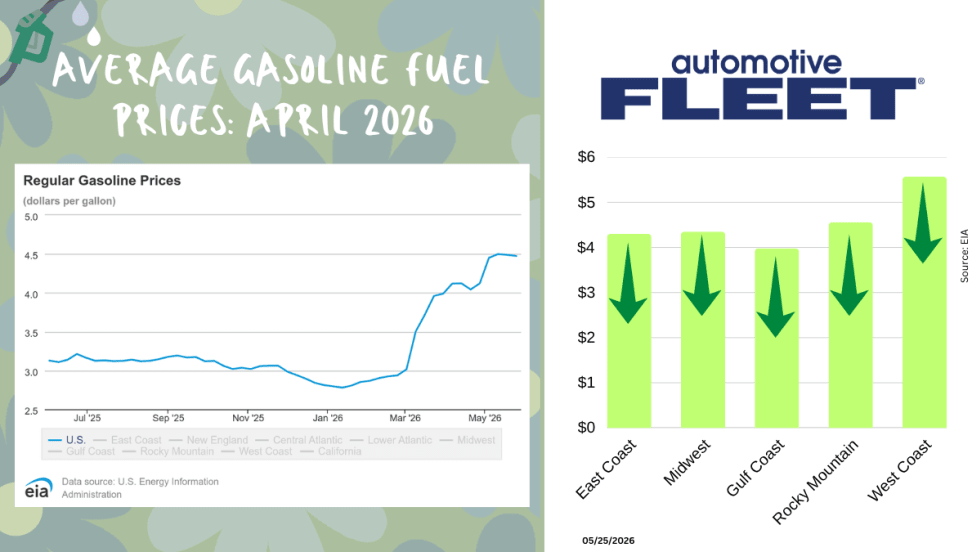
May Fuel Update: All Regions Experience Declines
Gas prices are finally easing in much of the country, but experts warn global tensions could quickly reverse the trend as the national average remains well above last month’s levels.
Read More →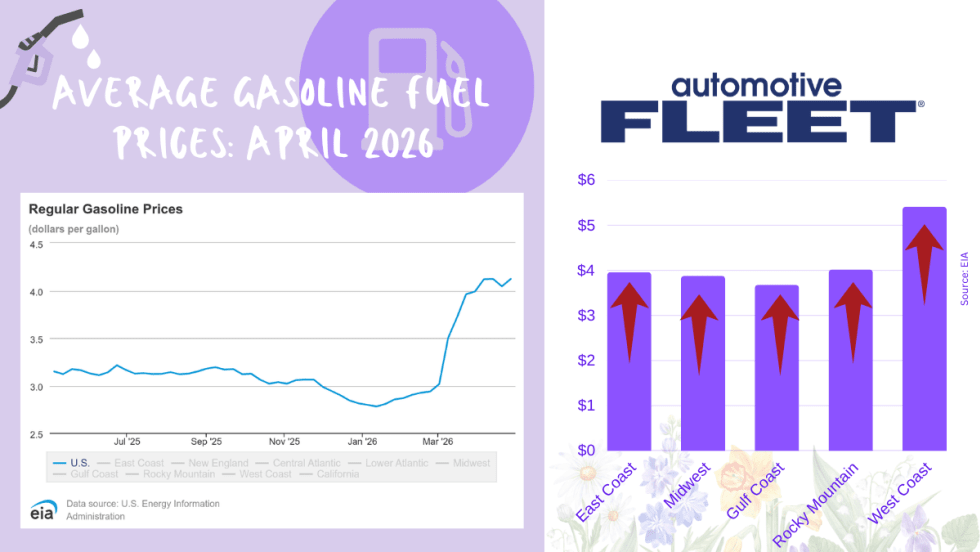
April Fuel Update: Prices Climb Above $4 as Spring Surge Accelerates
National average jumps to $4.04 per gallon, up sharply from last year, with West Coast prices topping $5 and further increases expected amid rising oil tensions.
Read More →
Tips from Fleet Managers on Saving Fuel Costs
Fleet leaders share practical strategies to reduce fuel spend through smarter policy, routing, and driver guidance.
Read More →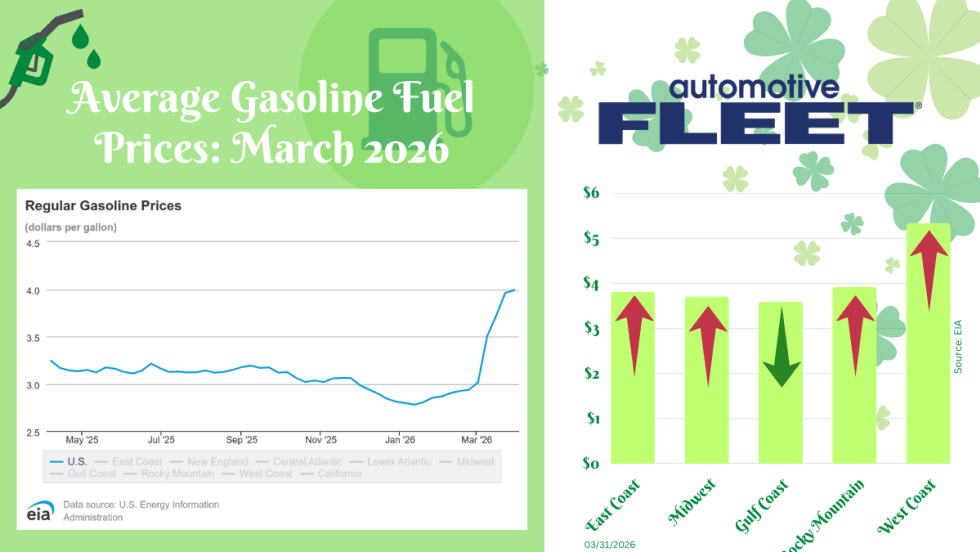
March Fuel Update: Prices Settle With a $4 Average
Fuel prices significantly slowed this week, but a $4 national average is still expected.
Read More →