




Ford Fuel Cell Fleet Exceeds Performance Expectations; Test Program Extended
DEARBORN, MI – Ford's 30-unit fuel cell fleet has exceeded expectations of the it hydrogen research engineers and earned accolades for durability, reliability, and capability.
DEARBORN, MI – Ford Motor Company's fleet of 30 fuel cell vehicles has exceeded expectations of the company's hydrogen research engineers by accumulating more than 865,000 real-world miles without significant maintenance issues since the fleet's launch three years ago. The Ford Focus Fuel Cell test vehicles also have earned accolades from the company's global fleet partners for outstanding durability, reliability, and capability.
Encouraged by the program's success, Ford recently reached an agreement with the U.S. Department of Energy to extend its three-year-old hydrogen fuel cell electric vehicle program for up to 24 months, until the next generation system is ready for deployment in the 2010 timeframe.
Ford was one of the first automakers to launch a fleet of hydrogen fuel cell electric vehicles in 2005, after unveiling a prototype in late 2003. Its Focus Fuel Cell fleet partners include a variety of government agencies in California, Florida, Michigan, Canada, Germany, and Iceland, where cold climate testing is expected to result in significant performance improvements on the next generation.
Additional Ford hydrogen projects have included a fleet of 20 H2ICE (hydrogen internal combustion engine) buses, the Fusion Hydrogen 999 that set a land speed record in 2007, a Fuel Cell Explorer, and a Plug-in Hybrid Edge that uses a fuel cell-powered HySeries Drive.
"It's important for Ford to remain active in hydrogen and fuel cell development as a long-term renewable fuel solution," said Roland Krueger, Ford of Europe hydrogen and fuel cell technologies team leader.
According to Ford's global fuel cell team, the first generation Focus Fuel Cell vehicles have lasted three times longer and worked much better than originally expected with virtually no degradation in performance. In light of that success, the U.S. Dept. of Energy (DOE), which shares the program's operating cost with Ford, agreed to extend the program.
"We expected the fuel cells to be much more problematic under real world conditions, but it's a credit to our development process that the vehicles have been very robust," said Scott Staley, Ford hybrid and fuel cell development chief engineer in North America.
Ford supports its fuel cell fleet partners with local project managers and technicians who conduct regular service checks, and collect mileage and performance data for analysis at Ford's Fuel Cell Center in Dearborn, Mich. The vehicles have proven highly reliable, averaging 96 percent uptime.
Ford researchers agree more work must be done before fuel cell vehicles can be commercialized. The biggest challenge according to Rob Riley, Ford fleet manager in California, is building a viable H2 infrastructure with fueling stations across the country. Currently, there are 70 hydrogen fueling stations and most of them are not accessible to the public. California is leading the way having recently opened its 24th station.
Customer surveys suggest purchase consideration also will be dictated by affordability, reliability, and useful life of the vehicle, as well as availability of fueling stations. In addition, parts availability and an adequate number of trained technicians will be essential to ensure convenient customer service of the vehicles.
A chief concern among fleet partners is limited driving range. Ford is addressing that need by doubling fuel storage pressure on select fleet vehicles allowing twice the fuel to be stored in the same volume.
More Leasing
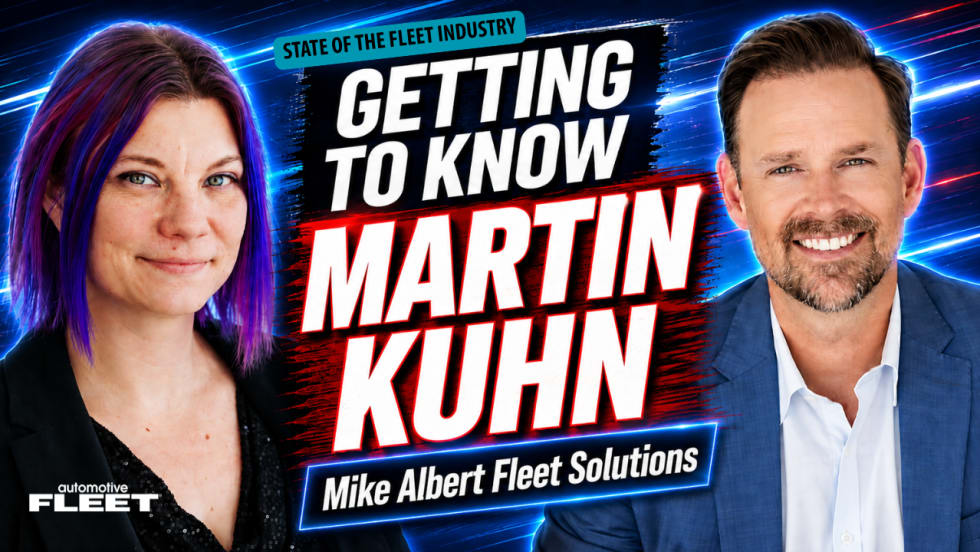
Martin Kuhn on the Future of Mike Albert Fleet Solutions
The new president and CEO explains how Mike Albert Fleet Solutions plans to invest in technology, data, and people without losing the personal service fleet customers value.
Read More →
Mike Albert Fleet Solutions Names Marty Kuhn CEO, First from Outside the Family
Kuhn has a theory of what sets the company apart from larger FMCs: depth of partnership over breadth of volume.
Read More →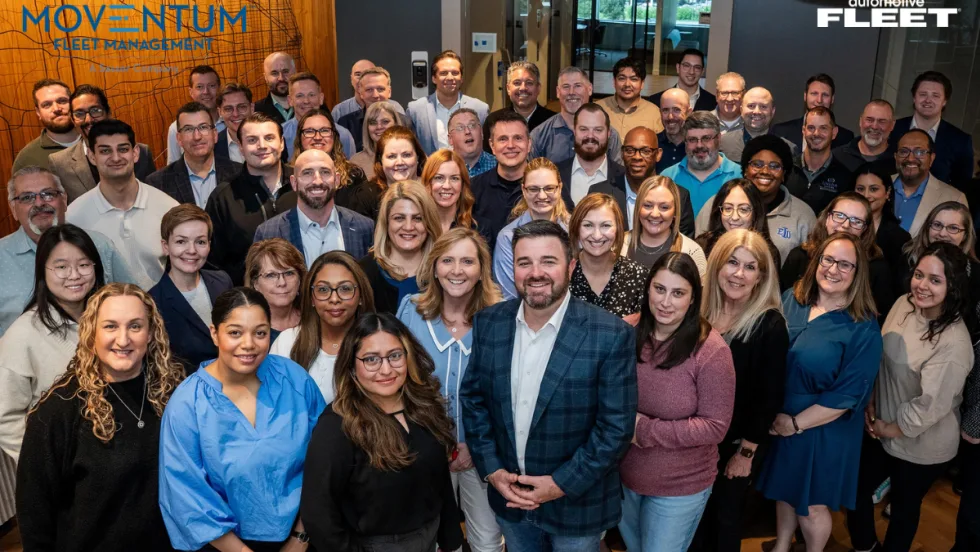
Union Leasing Rebrands as Moventum Fleet Management
The name Moventum reflects the company’s position at the intersection of movement and momentum, with the guiding principle "Keep Work Moving."
Read More →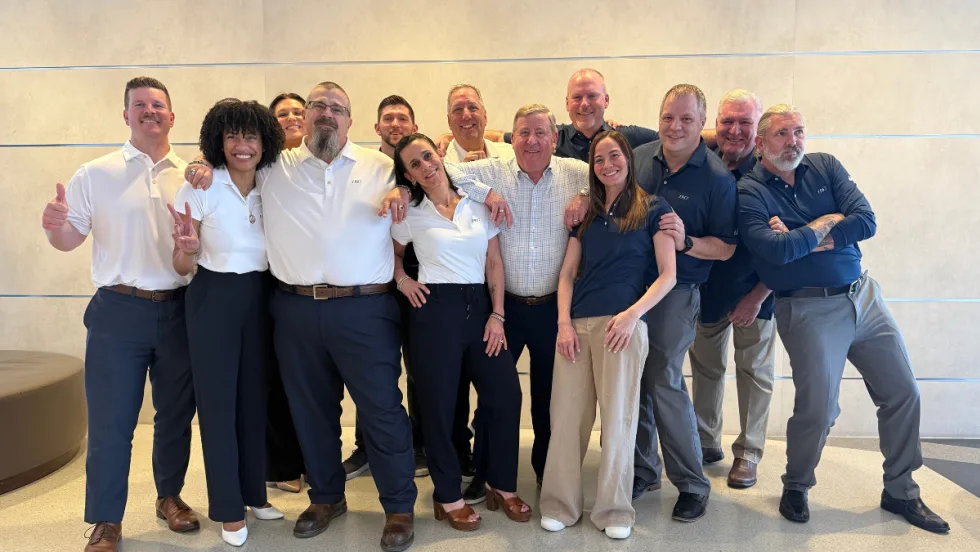
How Does a Mid-Major FMC Compete? Ask BBL Fleet
This Pittsburgh-based FMC built a technology-first culture, sustained double-digit organic growth, and expanded its Midwest footprint through a recent acquisition. How did it happen?
Read More →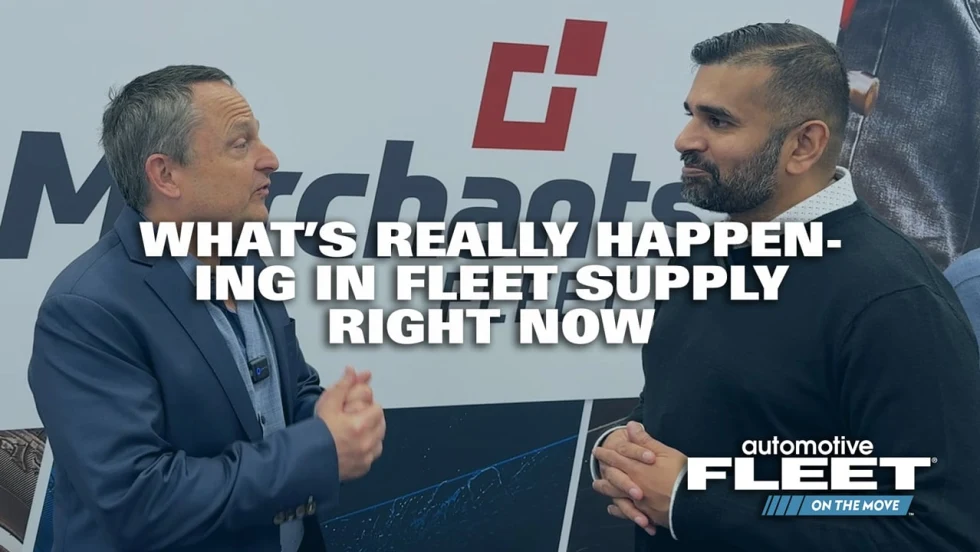
What’s Really Happening in Fleet Supply Right Now
Fleet supply has improved, but not everywhere. Merchants Fleet’s Charles Matthew explains where constraints still exist, what risks are emerging, and why fleets shouldn’t wait to place orders.
Read More →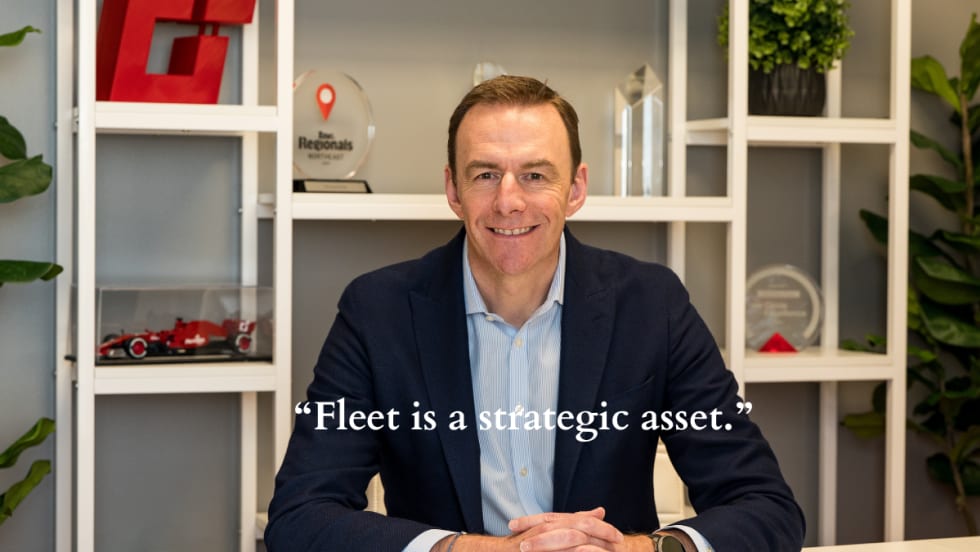
These Edges Are Measured in Inches — Matt Dyer on Fleet’s New Normal
The Merchants Fleet CEO contends that fleets that drive the business win the inches. In 2026, every one of them counts.
Read More →
Who Gets a Company Car? (In 2026 and Beyond)
As costs rise and scrutiny increases, fleets are refining criteria that govern eligibility for company-owned vehicles.
Read More →
DriveItAway Holdings, Free2move Launch Operations In Nine Cities
The co-branded program with Stellantis’ mobility division scales up leasing and financing options nationwide with more cities to come online in 2026.
Read More →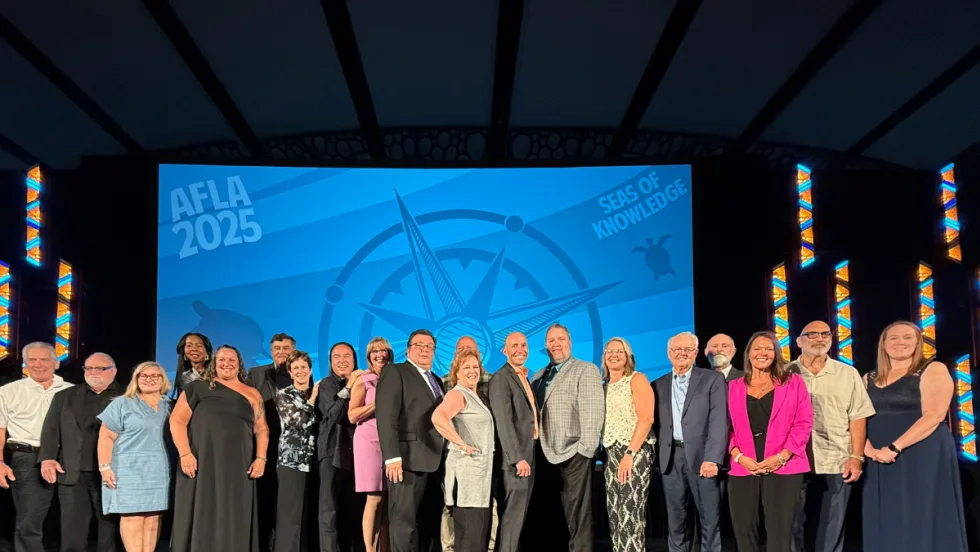
AFLA 2025 Conference in Pictures
Drawing over 640 attendees, the 2025 AFLA Annual Conference was held Sept. 14-17 at the JW Marriott Marco Island Beach Resort in Florida.
Read More →
DriveItAway, Free2move Partner to Expand Vehicle Access for Dealers
The arrangement enables franchise dealers to offer flexible lease-to-own programs with no credit checks, no down payments, and no long-term commitments.
Read More →