




Ford Cuts Prices on Redesigned '08 Escape and Escape Hybrid
DEARBORN, MI – The new redesigned 2008 Ford Escape is features a quieter ride and a host of new features and options, with sticker prices averaging $1,100 less than 2007 Escape models. The 2008 Escape also benefits from substantially improved residual values.
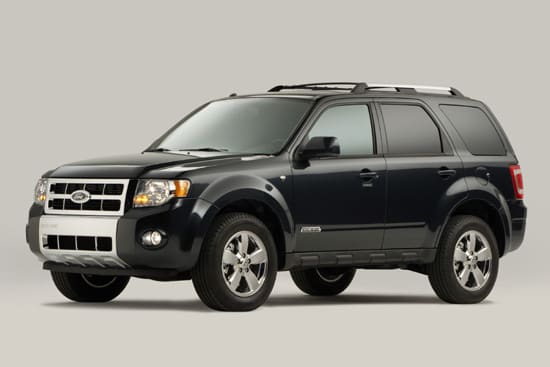
2008 Ford Escape
DEARBORN, MI – The new redesigned 2008 Ford Escape is features a quieter ride and a host of new features and options, with sticker prices averaging $1,100 less than 2007 Escape models. The 2008 Escape also benefits from substantially improved residual values, according to Ford. With more than 1 million units sold, Escape has been the best-selling small sport/utility vehicle in North America since its launch in September 2000, according to Ford. Built at Ford’s Kansas City Assembly Plant in Missouri, the new 2008 Ford Escape will arrive in showrooms in the first quarter of 2007, building on its traditional SUV capability and crossover construction. New inside and out, the 2008 Escape features a several standard safety features, more upscale interior appointments, and improved comfort and quietness levels. MSRP for the 2008 Ford Escape starts at $19,245 for the Escape XLS I-4 manual, including $665 destination and delivery. The 2008 Escape XLT V-6 – the model that’s expected to account for half of all Escape sales – will be priced a $22,545. The 2008 Escape Hybrid will begin at $25,740. The 2008 Ford Escape delivers as much as an 11-point improvement in 36-month residual value over the 2007 model. The new 2008 Escape offers more customer convenience features, such as a standard MP3 audio jack, available SIRIUS satellite radio, and a new front storage bin with a power point and room for laptop storage. A touchscreen navigation system also is available on Escape gas models for the first time. The 2008 Ford Escape is available in three trim series: XLS, XLT, and Limited. Three engines choices are available: 2.3L I-4, 3.0L V-6, or 2.3L I-4 Atkinson Cycle hybrid engine. Standard features include:
New exterior styling.
Standard safety features, including: Safety Canopy side air curtains; side-impact airbags; ABS brakes; Tire Pressure Monitor System; and Ford’s AdvanceTrac with Roll Stability Control (on gas models).
2.3L, 16-valve Duratec 23 I-4 engine (153 hp, 152 lb.-ft torque), paired with a 5-speed manual transmission.
Front-wheel drive.
New steering, upgraded with a speed-sensitive Electric Power Assisted Steering (EPAS) system.
All-new interior with new materials.
New second-row 60/40 split fold-flat seats.
New MP3 audio input jack.
New front storage bin with power point and room for laptop storage.
New 16-inch wheels.
Available options include:
3.0L, 24-valve V-6 Duratec 30 V-6 engine (200 hp, 193 lb.-ft. torque) or 2.3L DOHC 16-valve Atkinson cycle I-4 engine and 330V Nickel-Metal Hydride battery.
4-speed automatic transmission.
Intelligent 4WD system.
New SIRIUS satellite radio.
Audiophile sound system with AM/FM, CDX6, seven speakers, and subwoofer.
DVD-based Navigation system with AM/FM, CDX6, seven speakers, and subwoofer (new option for gas models).
New leather trimmed seats with 6-way power driver’s seat.
Moonroof.
New 17-inch wheels.
New Limited Luxury Package includes: dual electronic automatic temperature control; driver and front passenger heated seats; heated side-view mirrors; reverse sensing; steering wheel audio switches.
Class II Trailer Towing (for up to 3,500 lbs. maximum towing capacity).
Chrome Appearance Package.
More Fuel
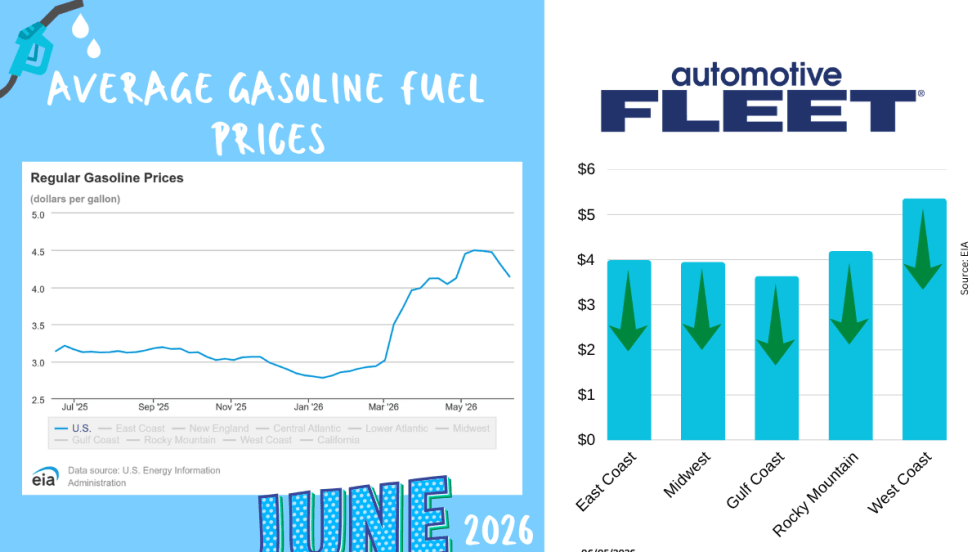
June Fuel Update: Prices Continue to Fall
While prices have continued to decline for four straight weeks, the next weeks don't look as promising.
Read More →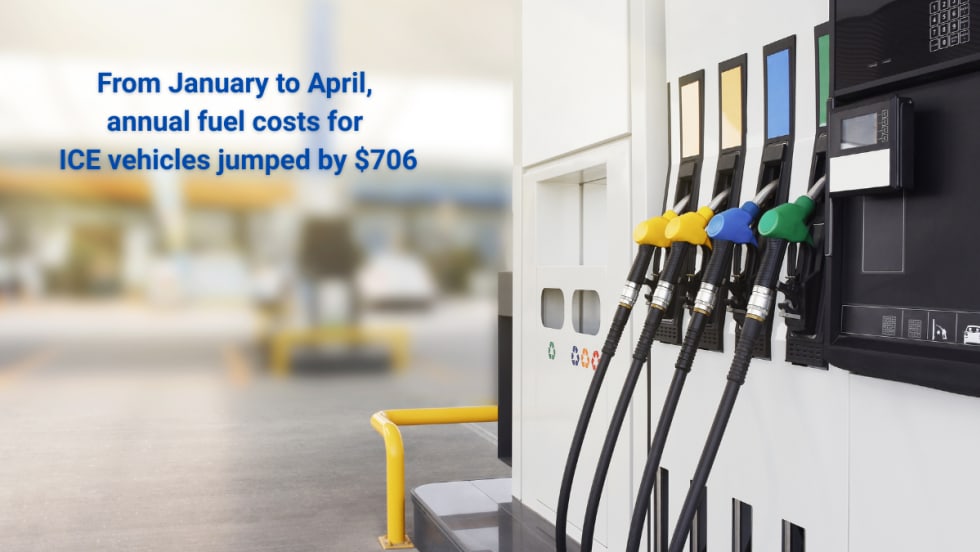
Study: How 2026's Gas Price Hikes Affect Different Vehicle Types
New data from iSeeCars reveals how rising fuel costs have affected different vehicle segments as gasoline prices climbed nearly 46% over the past four months.
Read More →
Are You Tracking Your Fleet's True Total Cost of Ownership?
Bobit Business Media surveyed 190 fleet professionals and found that while most fleets are tracking costs, fragmented systems and data gaps are keeping true TCO visibility out of reach. With rising pressure to control spend in an increasingly volatile environment, the gap between what fleets think they know and what the data actually shows is wider than you might expect. See how your peers are managing costs today and where the industry still has room to improve.
Read More →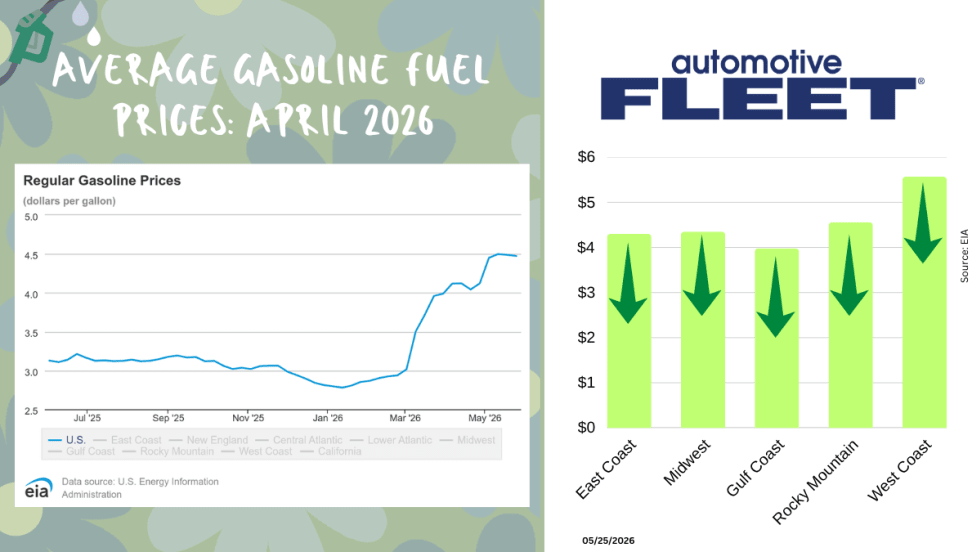
May Fuel Update: All Regions Experience Declines
Gas prices are finally easing in much of the country, but experts warn global tensions could quickly reverse the trend as the national average remains well above last month’s levels.
Read More →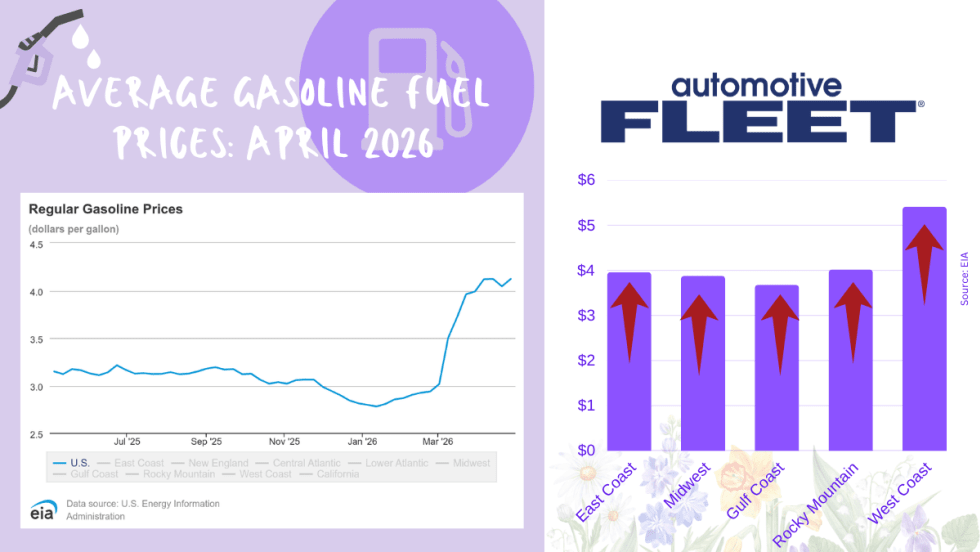
April Fuel Update: Prices Climb Above $4 as Spring Surge Accelerates
National average jumps to $4.04 per gallon, up sharply from last year, with West Coast prices topping $5 and further increases expected amid rising oil tensions.
Read More →
Tips from Fleet Managers on Saving Fuel Costs
Fleet leaders share practical strategies to reduce fuel spend through smarter policy, routing, and driver guidance.
Read More →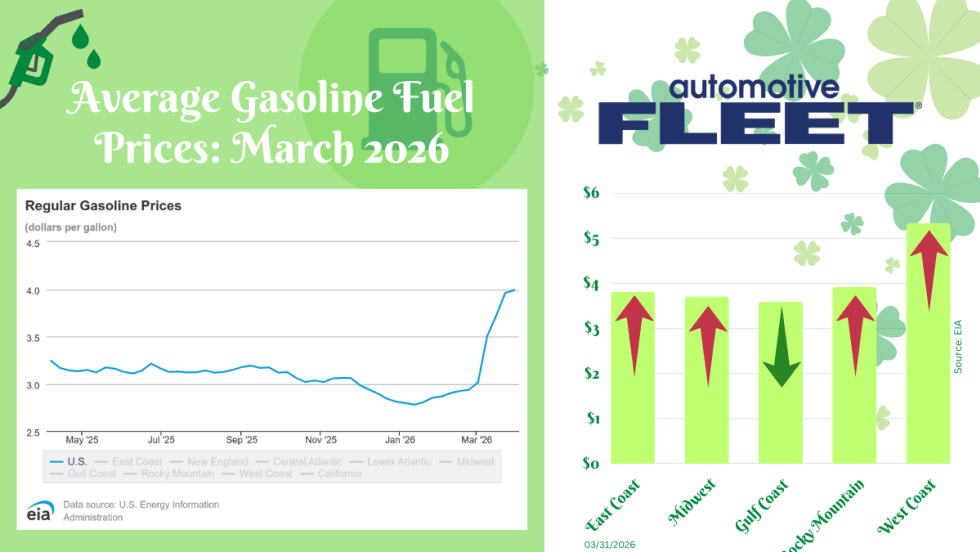
March Fuel Update: Prices Settle With a $4 Average
Fuel prices significantly slowed this week, but a $4 national average is still expected.
Read More →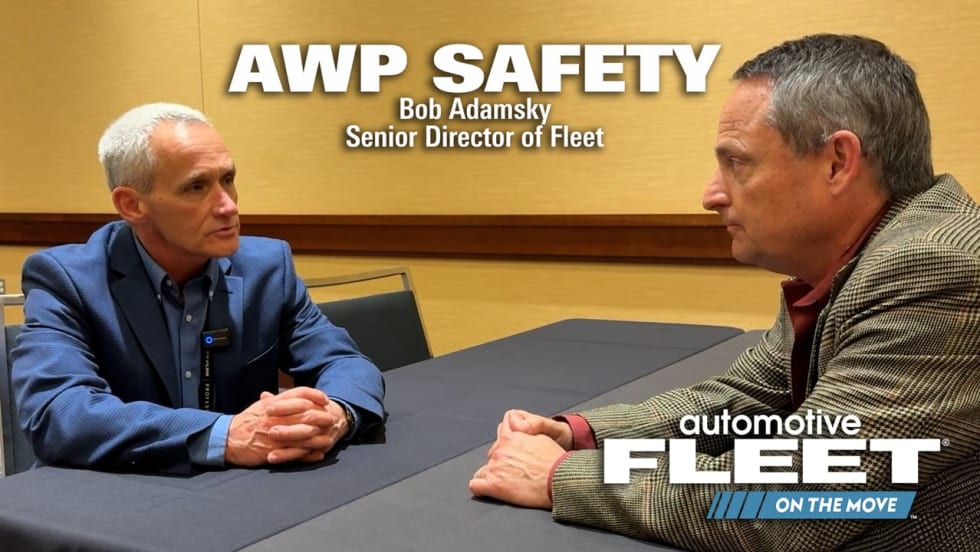
Bob Adamsky on Fuel Volatility: “Don’t Panic — Have a Plan”
With oil prices rising again, AWP Safety’s fleet manager shares how to respond to rising fuel costs and how the right strategy can turn fuel spikes into cost-saving opportunities.
Read More →
Oil Market Turbulence Is Complicating Fleet Cost Planning
Rapid swings in crude oil prices driven by the conflict in the Middle East could create longer-term cost pressures for fleets, affecting fuel prices, supply chains, and vehicle strategy, says NTEA’s Andrew Wrobel.
Read More →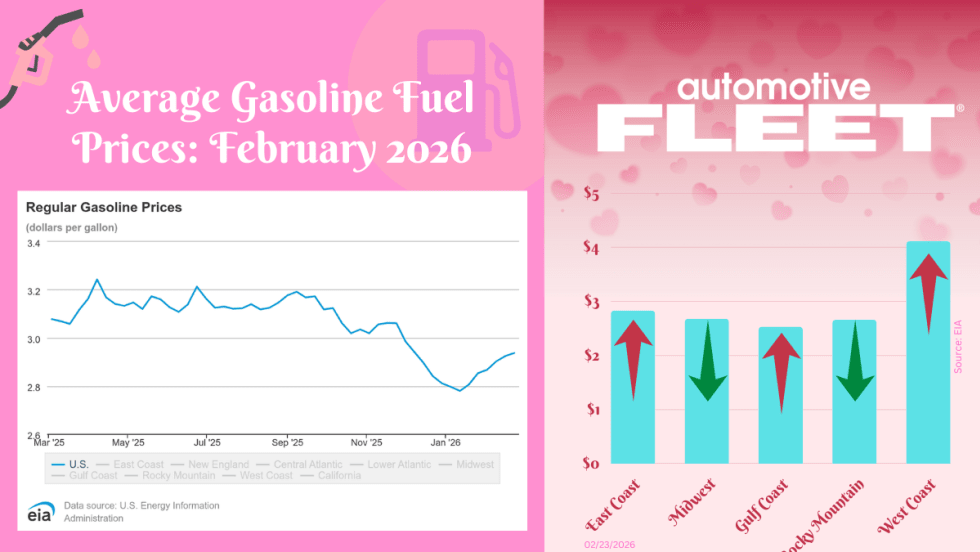
February Fuel Update: Prices Inch Higher for Third Week in a Row
The final February fuel update reveals prices continuing to inch higher for the third week in a row.
Read More →